


I was not ready for how hard The Death of Ivan Ilyich would hit me. One sitting. Ninety pages. And I was left rethinking everything.
If you are here for a clear, honest breakdown, you are in the right place.
This blog covers the full plot, key themes, main characters, and the real impact of Tolstoy’s most intense novella.
I have spent years reading and reviewing classic literature, so I know exactly what this book is trying to say, and I am here to show you every bit of it.
Let’s get into it.
Quick Book Overview
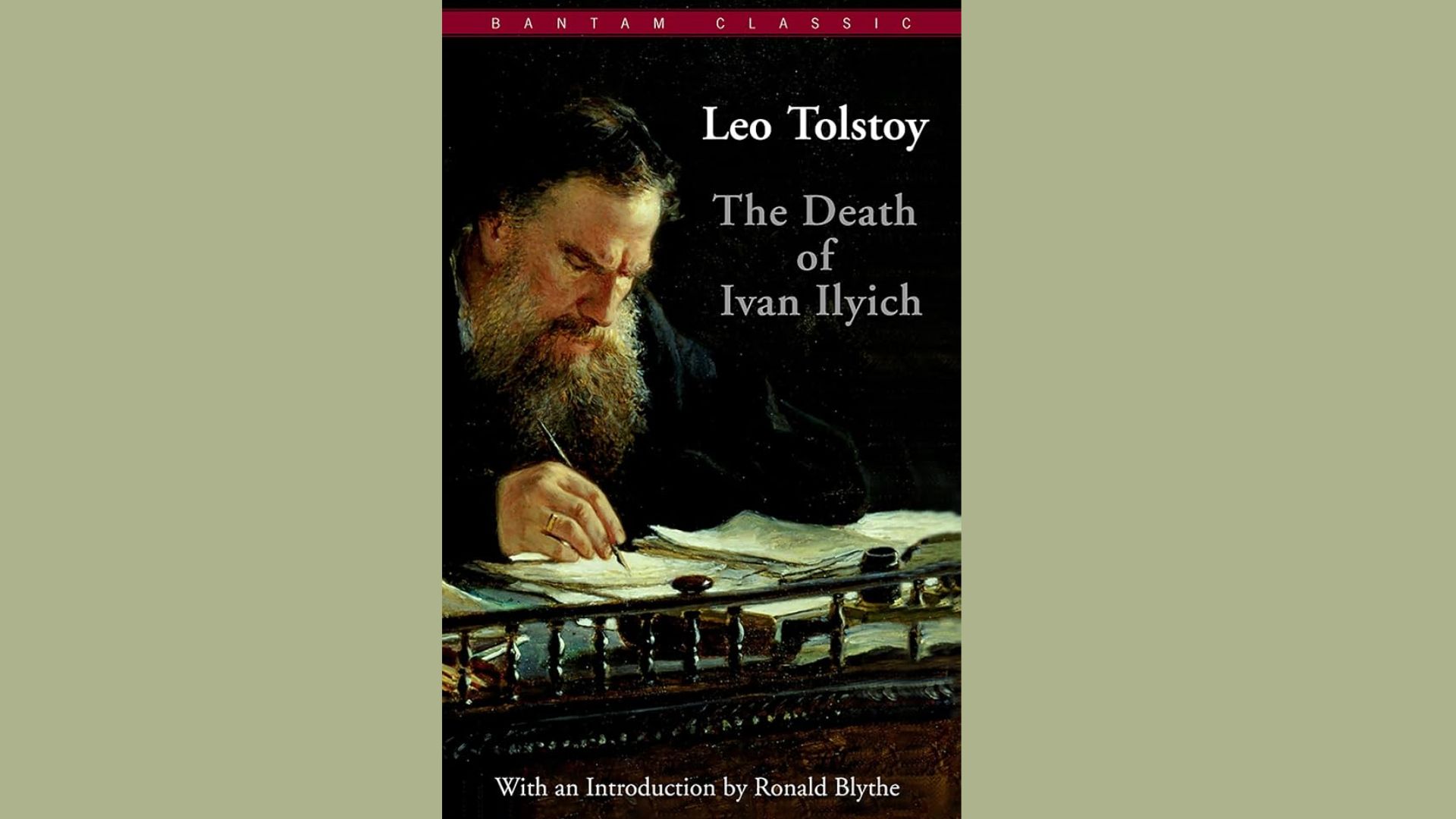
The Death of Ivan Ilyich was written by Leo Tolstoy and published in 1886. It is a novella: short, focused, and deeply philosophical.
The story is set in 19th-century Russia, mostly inside the home of a dying man.
At around 90 pages, it reads quickly but stays with you long after. Tolstoy wrote it during a period of intense spiritual searching.
Many consider it one of the greatest works of short fiction ever written. It asks hard questions about how we live and how we die.
The Death of Ivan Ilyich Summary (Spoiler-Free)
Ivan Ilyich is a respected judge in 19th-century Russia. He lives a proper, orderly life focused on career, status, and social approval.
Then a small household accident leads to a mysterious illness. His health declines slowly. As the pain grows, so does his fear.
He starts to see that his life may have been lived the wrong way. His family keeps up appearances while he suffers alone.
Only his peasant servant, Gerasim, treats him with real kindness. In his final hours, Ivan reaches a moment of deep clarity and finds something close to peace.
Main Characters
The characters in this book are few, but each one carries real weight.
1. Ivan Ilyich
Ivan is the central figure. He is a high-court judge who has spent his whole life following the rules of society.
He is not a bad man, just a careful one. His illness forces him to face questions he has always avoided.
His slow death is the emotional core of the story.
2. Praskovya Ilyich
Praskovya is Ivan’s wife. She is more concerned with appearances than with her husband’s suffering.
She manages the household and keeps up social norms even as Ivan deteriorates. She is not cruel, just disconnected.
Her behavior highlights how hollow their marriage has always been.
3. Gerasim
Gerasim is Ivan’s peasant servant. He is young, strong, and completely without pretense. He is the only character who treats Ivan honestly and with genuine care.
He holds Ivan’s legs at night to ease his pain without complaint.
His simple goodness stands in sharp contrast to everyone else around Ivan.
4. Peter Ivanovich
Peter is Ivan’s colleague and the story’s opening narrator. He attends Ivan’s funeral and reflects briefly on what Ivan’s death means.
His discomfort at the funeral reveals how little Ivan’s peers have truly thought about mortality.
He quickly returns to his card game and moves on.
Major Themes
Every theme in this book connects back to one question: are you really living?
Mortality and Fear of Death
Ivan’s growing awareness of death is the heart of the story. He fights it at first, denying it is real.
But the more he denies it, the stronger his fear grows. Tolstoy shows that fearing death often comes from a life not fully lived.
Facing it honestly is the only way forward.
Artificial vs. Authentic Life
Ivan spent his life doing what was expected: the right job, the right marriage, the right social circle.
But none of it was truly his. Tolstoy uses this to argue that a life built on performance is empty.
Real living means making choices that come from within, not from outside pressure.
Meaning of Suffering
Ivan’s pain is not just physical. It strips away everything he used to define himself. Through suffering, he sees himself clearly for the first time.
Tolstoy believed suffering could lead to truth. Ivan’s agony becomes a kind of purification.
It is brutal, but it leads him somewhere real.
Compassion and Human Connection
Gerasim’s kindness shows what real connection looks like. He does not pity Ivan or pretend. He just helps.
This simple act of compassion means more to Ivan than anything his family does. Tolstoy suggests that true connection requires honesty, not manners.
It is the one thing Ivan had been missing his whole life.
Writing Style and Literary Craft
Tolstoy opens the story with Ivan’s death, then moves backward. This bold choice works well. The prose is precise and plain, with no wasted words.
He gets deep inside Ivan’s mind in a way that feels uncomfortably real. Small details carry big meaning: a velvet chair, a curtain, a servant’s honest care.
The structure mirrors the content, stripped down and direct. It stands as one of the clearest examples of psychological realism ever written.
Why Readers Love It
This book gets under your skin, in the best way possible.
Strengths
The book is short but hits hard. It asks real questions about life without being preachy. The characters feel human.
The pacing builds slowly and effectively. You finish it and sit quietly for a moment. Tolstoy manages to say more in 90 pages than most authors do in 400.
It is the kind of book you find yourself recommending to almost everyone you know.
Criticisms and Limitations
Some readers find the middle section slow. Ivan is not an easy character to like at first. And the ending, while powerful, can feel abrupt if you want a fuller resolution.
The heavy focus on one man’s inner world can also feel isolating if you prefer plot-driven stories.
It is not a light read, and those looking for comfort or hope may find it a hard sit.
Movie Adaptations of The Death of Ivan Ilyich
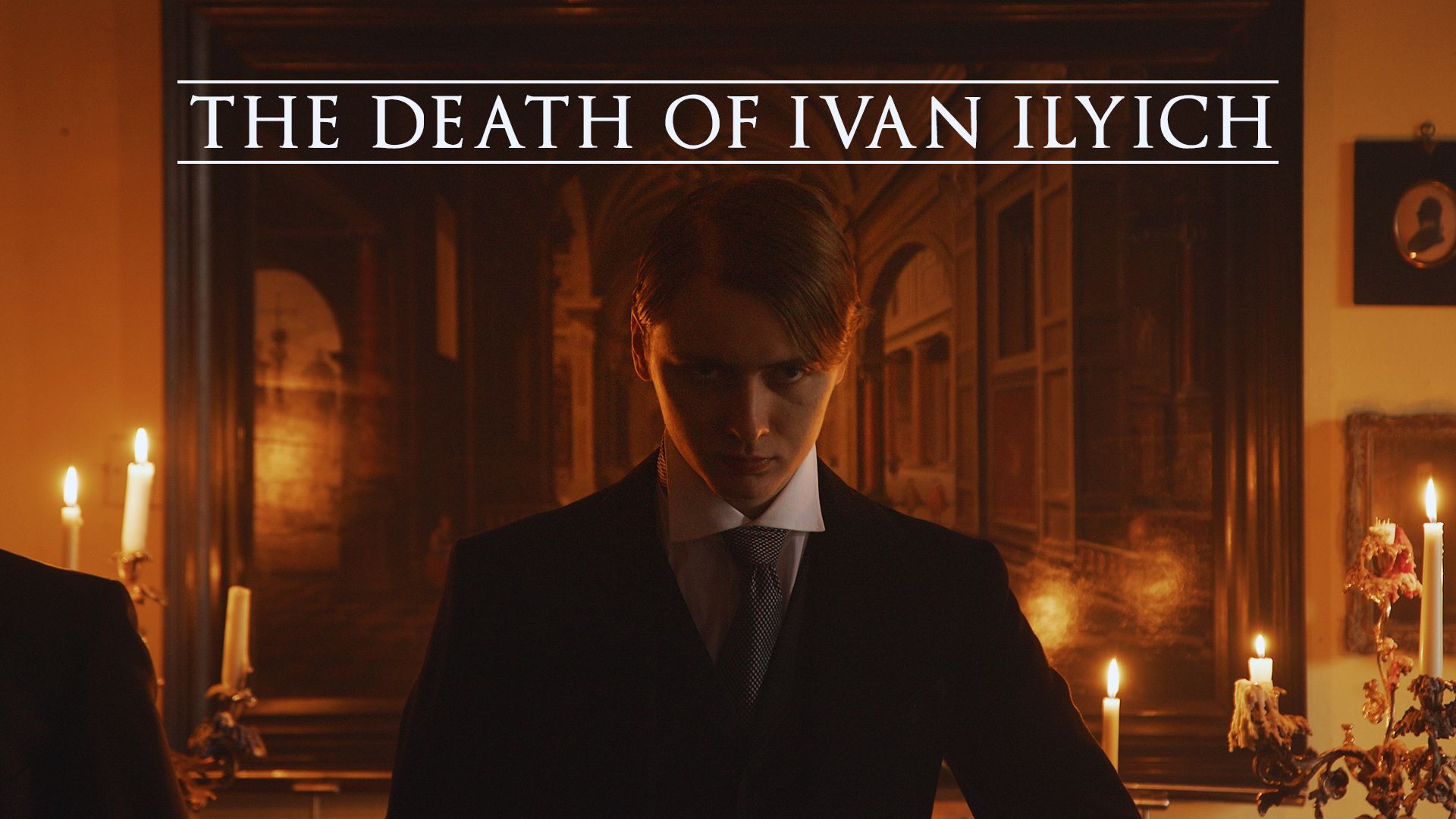
The Death of Ivan Ilyich has inspired filmmakers across the world for decades.
The most celebrated version is Akira Kurosawa’s Ikiru (1952), a loose retelling set in Japan that is still studied in film schools today.
A direct Soviet adaptation, A Simple Death, came out in 1985. In 2000, Ivans Xtc moved the story to Hollywood with a modern twist.
Living (2022), starring Bill Nighy, brought the themes to post-World War II London and earned strong reviews.
Most recently, a short film adaptation landed on Amazon Prime Video in 2024, proving this story still connects with audiences everywhere.
Goodreads & Amazon Ratings
Readers across the world have given this novella high marks, and it shows.
Goodreads Rating:4.1 out of 5, based on over 100,000 ratings. A strong score for a 19th-century classic.
Readers often call it one of Tolstoy’s most focused and emotionally honest works.
Amazon Reviews: 4.6 out of 5. with readers praising its emotional depth and tight writing.
Many reviewers say it changed the way they think about life and death.
The numbers reflect what most readers already know: this book delivers.
My Personal Opinion After Reading This Book
This book made me rethink what a well-lived life actually means. It is short, uncomfortable, and honest. I finished it in one sitting and thought about it for days.
Tolstoy does not let you look away, and that is what makes it so powerful. If you only read one classic this year, make it this one.
Who Should Read This Book:
This book is not for everyone, but if it is for you, you will know.
- People going through a major life change or personal loss
- Readers who enjoy short, thought-provoking literary fiction
- Students studying existentialism, mortality, or Russian literature
- Anyone who has wondered if they are truly living the right life
- Book clubs looking for a short read that sparks deep conversation
If any of these sound like you, this book is worth your time.
About the Author
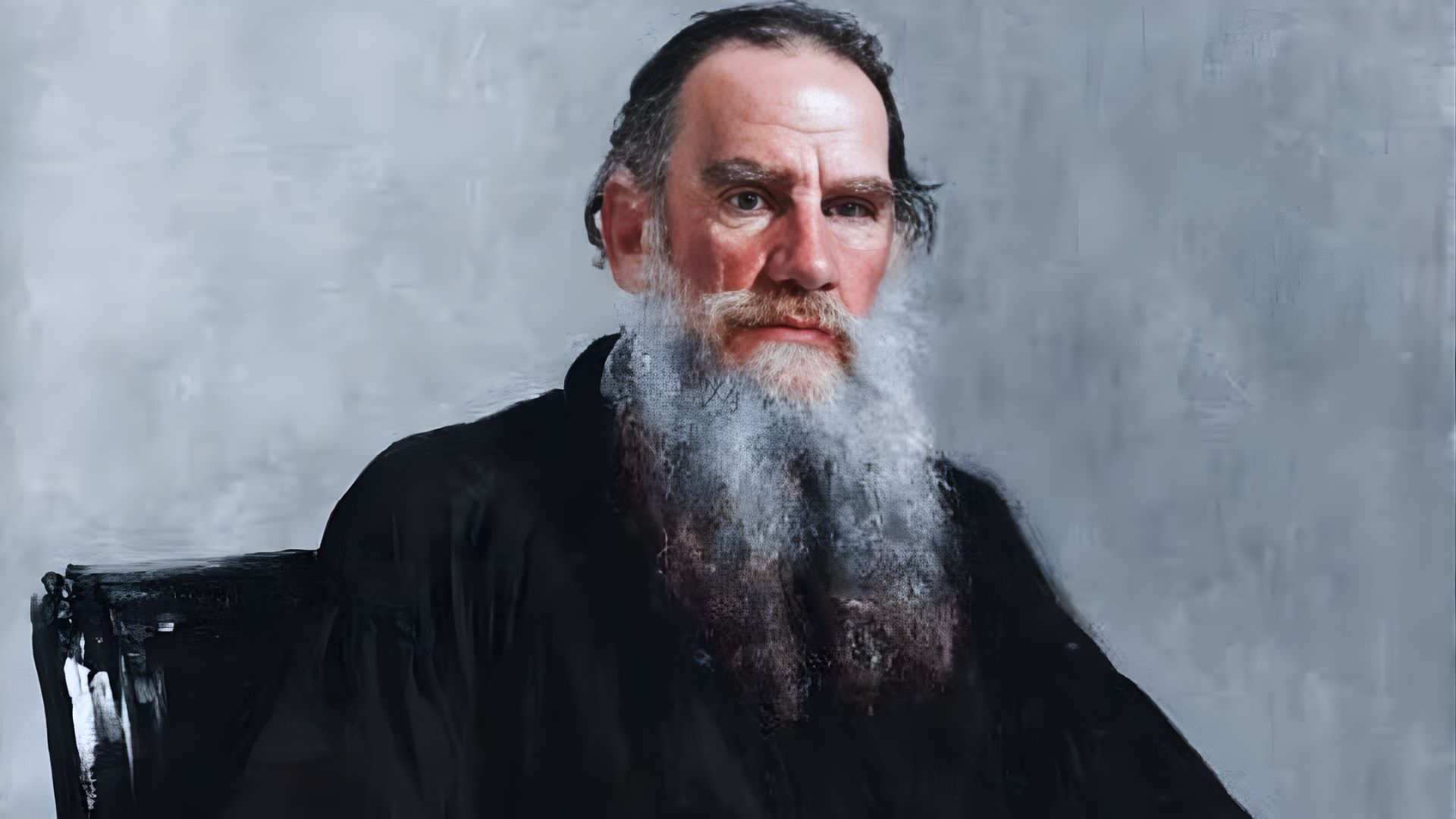
Leo Tolstoy was born in 1828 in Russia and is widely considered one of the greatest novelists in history.
He wrote two of the longest and most celebrated novels ever: War and Peace and Anna Karenina.
Later in life, Tolstoy went through a deep spiritual crisis that changed his writing completely. He became focused on morality, death, and the meaning of a simple life.
The Death of Ivan Ilyich came out of this period. He died in 1910 at age 82, having spent his final years trying to live by the very values he wrote about.
Conclusion
Reading The Death of Ivan Ilyich is not always comfortable, and that is the point.
It held a mirror up to my own habits and made me ask hard questions. If it did the same for you, drop a comment below and tell me what hit you hardest.
Share this post with a friend who loves meaningful books.
And for more honest book reviews, check out the rest of our blog.You won’t regret it.
Frequently Asked Questions
What is The Death of Ivan Ilyich about?
A Russian judge faces a slow death and is forced to reflect on a life built around status and appearances.
Is The Death of Ivan Ilyich a short read?
Yes. It is around 90 pages and can be finished in one sitting.
What is the main message of The Death of Ivan Ilyich?
Living for approval, not truth, leads to fear and regret at the end.
Who is Gerasim in The Death of Ivan Ilyich?
Ivan’s peasant servant and the only person who shows him real, honest care.
Is The Death of Ivan Ilyich worth reading?
Yes. It is short, sharp, and stays with you long after the last page.