

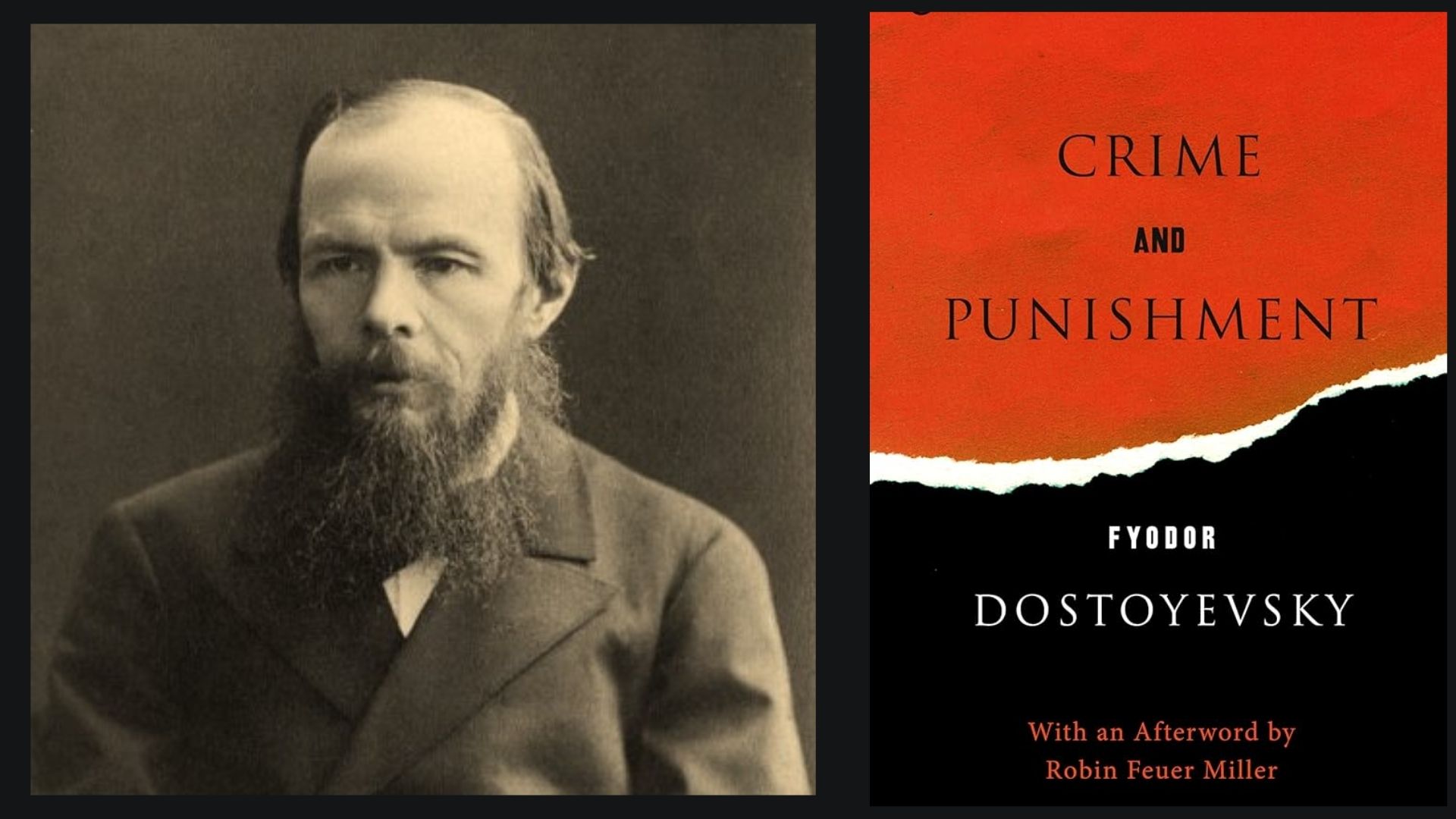
I almost put this book down after the first chapter. Now I think about it regularly.
Crime and Punishment is not what most people expect. It is not just a crime story. It is something far more unsettling than that.
In this Dostoevsky Crime and Punishment review, I break down exactly what makes this novel so hard to forget.
This Crime and Punishment review covers the characters, the themes, and the psychology behind it all.
One question kept me reading the whole time: how far can a brilliant mind justify the unthinkable?
Keep reading. It gets interesting fast.
Overview of Crime and Punishment
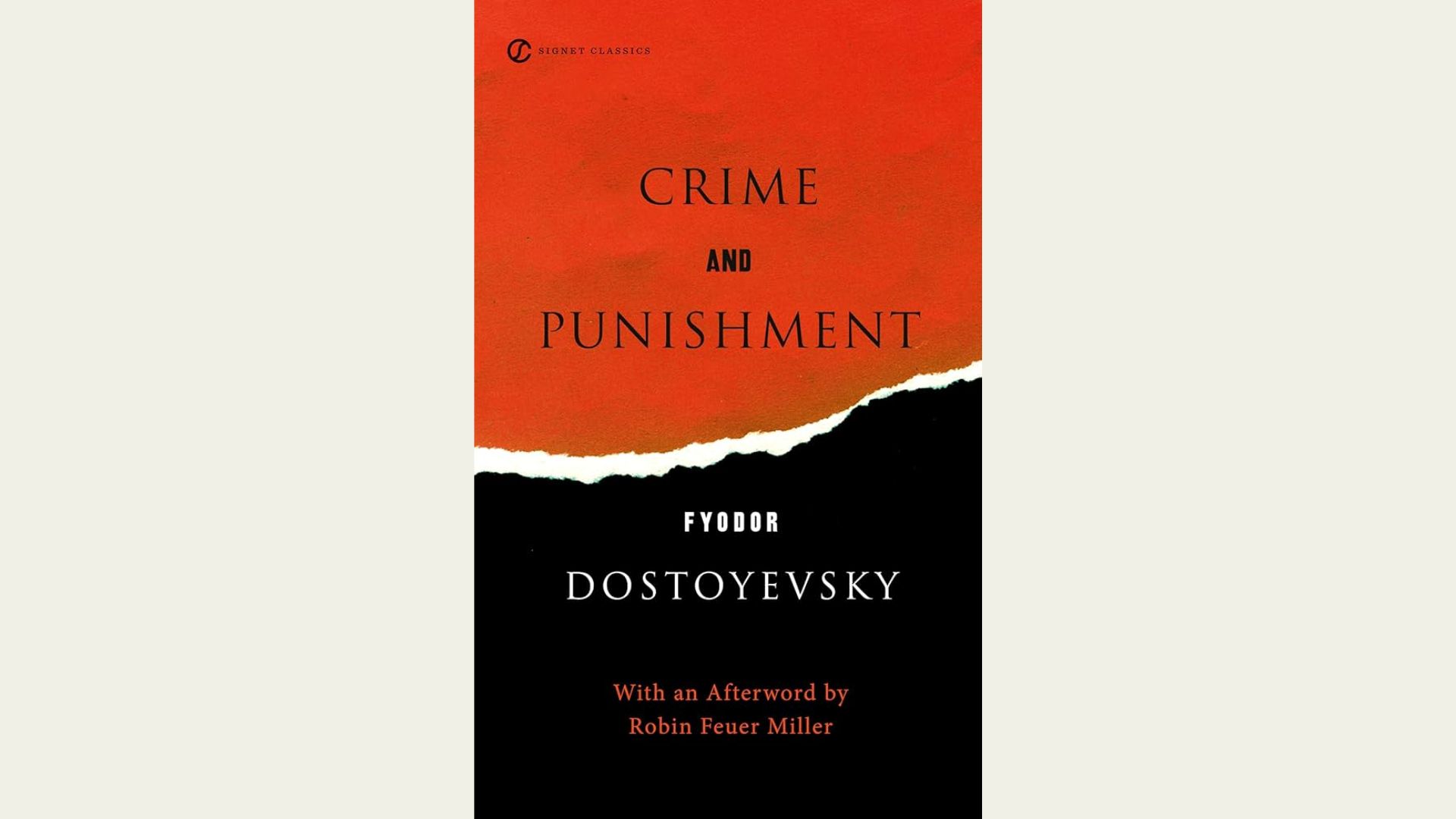
Crime and Punishment follows Rodion Raskolnikov, a broke student in St. Petersburg.
He convinces himself that killing a corrupt pawnbroker is morally justified. Then he does it. And everything unravels from there.
The novel was published in 1866 during a time of deep social and political tension in Russia. That context bleeds into every page.
For those searching about Crime and Punishment review, here is a quick snapshot. It is not the crime itself that makes this story powerful. It is the guilt, the unraveling, and the long road back to humanity.
The book is less about what Raskolnikov did and more about what it does to him.
Character Analysis
The characters here are not just people. They are ideas in human form. Each one forces Raskolnikov to face a different part of himself.
Rodion Raskolnikov
Raskolnikov is brilliant, arrogant, and deeply troubled. He believes extraordinary people have the right to break moral rules for a greater good. That belief is the seed of everything that follows.
His internal conflict drives the entire story. He wants to feel nothing after the murder. Instead, he feels everything.
What makes him compelling is how reasonable his logic sounds at first. You almost understand him. Then you watch it destroy him from the inside.
He is not a villain and not a hero. He is something far more interesting.
Sonia Marmeladov
Sonia is the moral heart of the novel. She lives in poverty, sacrifices everything for her family, and still holds onto her faith. Her strength is quiet but unshakeable.
She does not lecture Raskolnikov. She simply exists as proof that goodness survives even the worst conditions.
Her influence on his transformation is gradual and earned. She does not fix him. She shows him another way to live.
Porfiry Petrovich
Porfiry is the investigating magistrate and one of the sharpest characters in the book. He never directly accuses Raskolnikov. He does not need to.
He plays a psychological game. He pokes, waits, and lets guilt do the work. What makes him fascinating is that he genuinely wants Raskolnikov to confess for his own sake.
Every conversation with Porfiry forces Raskolnikov to defend a position he is slowly losing faith in.
Supporting Characters
Dunya is strong-willed and fiercely loyal. Her storyline with Svidrigailov runs parallel to her brother’s and adds real dramatic weight.
Razumikhin is warm and grounded. He represents the kind of ordinary goodness that Raskolnikov has cut himself off from.
Luzhin is cold and self-serving. Dostoevsky uses him to show that selfishness dressed up as logic is still just selfishness.
Svidrigailov is the most unsettling of all. Charming, deeply immoral, and his ending is one of the most haunting moments in the novel.
Key Insights from the Novel
Crime and Punishment is not just about one man’s guilt. It is a full examination of how morality, society, and the human mind collide under pressure.
Here are the key themes running through the novel:
- Guilt and conscience: the mind becomes its own punishment long before any legal consequence
- Redemption: even the worst choices do not have to define a person forever
- Poverty and injustice: Dostoevsky shows that crime does not happen in a vacuum
- Utilitarianism vs morality: can a harmful act be justified for a greater good? The novel spends 500 pages saying no.
- Pride and isolation: cutting yourself off from others in the name of greatness leads only to self-destruction
The philosophical depth here is not decoration. Dostoevsky was directly challenging the utilitarian ideas circulating in Russia at the time.
This Crime and Punishment review keeps coming back to one central question the novel asks: what does it cost a person to act against their own humanity? The answer is everything.
Strengths of Crime and Punishment
The psychological depth is unlike almost anything else in literature. Dostoevsky gets inside Raskolnikov’s head in a way that feels completely honest.
The character development is layered and consistent. Every scene, every breakdown, every conversation moves things forward. Nothing feels wasted.
The moral complexity is what gives the book its staying power. Dostoevsky does not tell you what to think. He shows you everything and lets you sit with it.
Criticism of the Novel
This book rewards patient readers but will test anyone looking for something fast and light.
A few things worth knowing before you start:
- Dense philosophical passages: some sections read more like essays than fiction
- Slow pacing in the middle: the tension builds gradually, which some readers find frustrating
- Large cast with Russian names: keeping track of everyone can be confusing early on
- Heavy subject matter: poverty, violence, and psychological breakdown run throughout
If you want something breezy, this is not the right fit. But if you slow down and fully engage, what you get back is remarkable.
Notable Ratings and Reception
The numbers here reflect something rare: a 19th-century novel that modern readers still can’t stop talking about.
Goodreads Rating: 4.21 out of 5 based on over 800,000 ratings.
Amazon Rating: 4.7 out of 5 based on thousands of verified reviews.
Literary critics consistently rank it among the greatest novels ever written, with many calling it the first true psychological novel in modern literature. Readers who connect with it often describe it as life-changing.
Those who struggle usually point to pacing and philosophical density as the main barriers. It has never gone out of print and is still studied in universities worldwide.
Personal Thoughts and Takeaways
The first hundred pages were hard. The setting is bleak, the prose is dense, and Raskolnikov is not easy company.
But around the midpoint, something clicked. I stopped watching him and started feeling what he felt. That shift changed everything.
This Crime and Punishment review comes with one clear recommendation: read it, but give it the attention it deserves. Do not rush it.
If you enjoy psychological depth, moral philosophy, and character-driven storytelling, this book will stay with you for years.
Movie and Screen Adaptations of Crime and Punishment
The 1935 Hollywood adaptation directed by Josef von Sternberg starred Peter Lorre as Raskolnikov. It received strong critical praise for its psychological intensity.
A Russian television miniseries from 2007 is widely considered the most faithful screen version. Many readers point to it as the best place to start if you want a visual companion to the novel.
Most adaptations struggle to capture the internal monologue that makes the book so powerful. Reading it will always give you something no film can replicate.
About the Author: Fyodor Dostoevsky
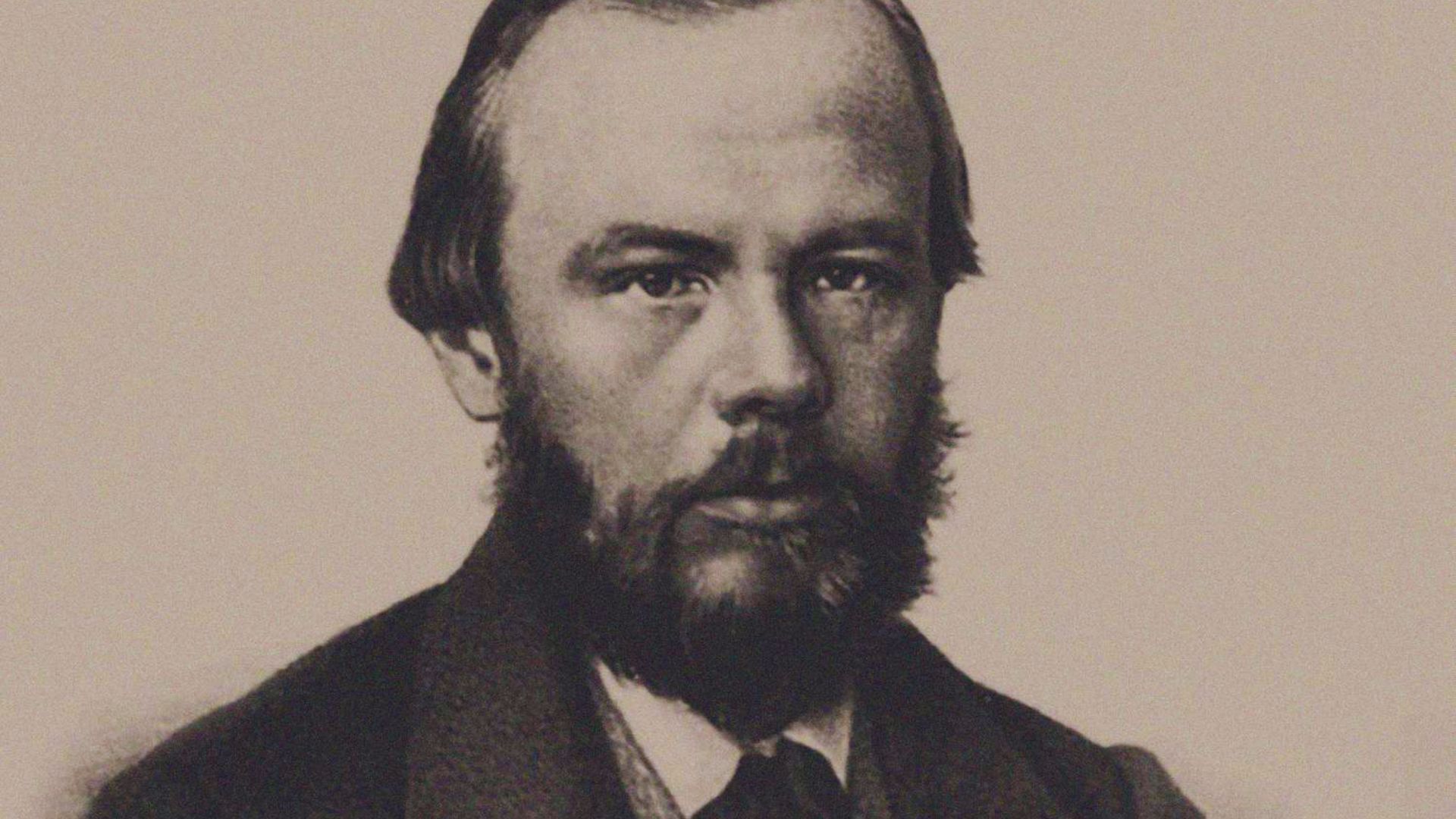
Fyodor Dostoevsky was born in Moscow in 1821. He was arrested, sentenced to death, and had his sentence commuted to hard labor in Siberia at the very last moment.
That experience shaped everything he wrote. You can feel it in every page about suffering, guilt, and the possibility of redemption.
His major works include The Idiot, The Brothers Karamazov, and Demons. His influence on modern literature, psychology, and philosophy is difficult to overstate.
Conclusion
Crime and Punishment is one of those books that does not just end when you close it. It follows you.
If this Crime and Punishment review sparked even a little curiosity, that is your sign to just start it. Page one. Tonight.
And when you finish, I want to hear from you. Did Raskolnikov’s logic make sense to you at any point? Did Sonia change how you see redemption?
Drop your thoughts in the comments below. Seriously, this is one book worth talking about.
Frequently Asked Questions
What is Crime and Punishment about?
It follows Raskolnikov, a student who commits a murder he believes is justified, then spirals into guilt and psychological collapse. The novel tracks his slow path toward confession and redemption.
Who is Raskolnikov and why is he important?
He is the protagonist and one of literature’s most complex characters, representing the dangers of intellectual pride and the belief that extraordinary people are above moral law.
What are the main themes of the novel?
Guilt, redemption, poverty, moral philosophy, and the psychological cost of acting against your own conscience are the core themes woven throughout.
Are there any good movie adaptations of the novel?
Yes, the 2007 Russian miniseries is considered the most faithful. The 1935 Hollywood version with Peter Lorre is also worth watching for its psychological depth.
Why is Crime and Punishment considered a masterpiece?
It was among the first novels to explore a character’s inner psychological world with such raw honesty, and its themes of guilt and redemption remain just as relevant today as in 1866.