

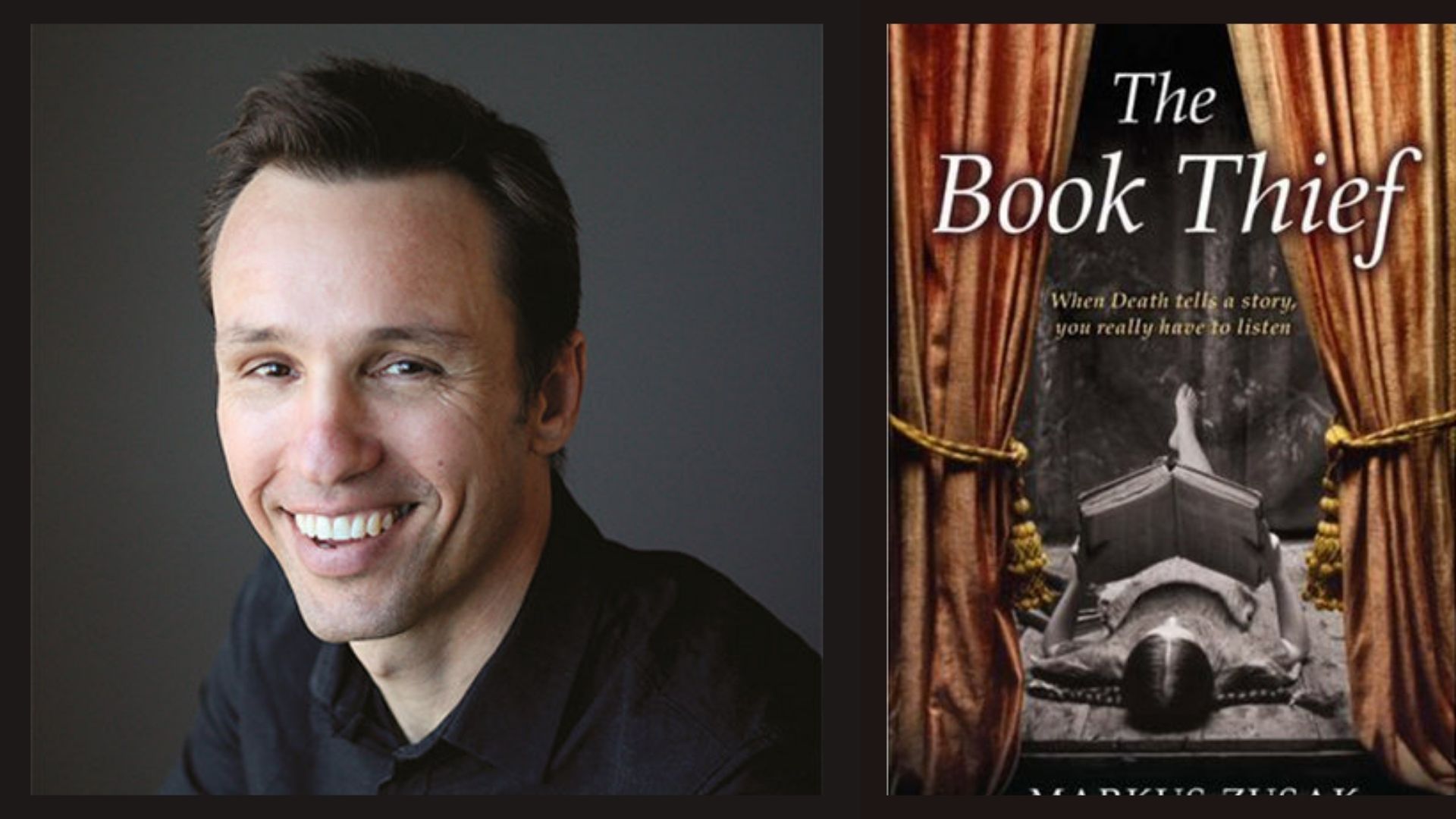
Looking for an honest The Book Thief book review? You’re in the right place.
I’ll walk you through everything about this powerful story set in Nazi Germany.
You’ll learn about the plot, characters, themes, and what makes this book stand out. I’ll also cover who should read it and what readers loved (or didn’t).
I’ve read countless historical fiction novels, and this one stays with me. This review gives you the real picture so you can decide if it’s worth your time.
Let’s get into what makes The Book Thief such a moving read.
Quick Book Overview
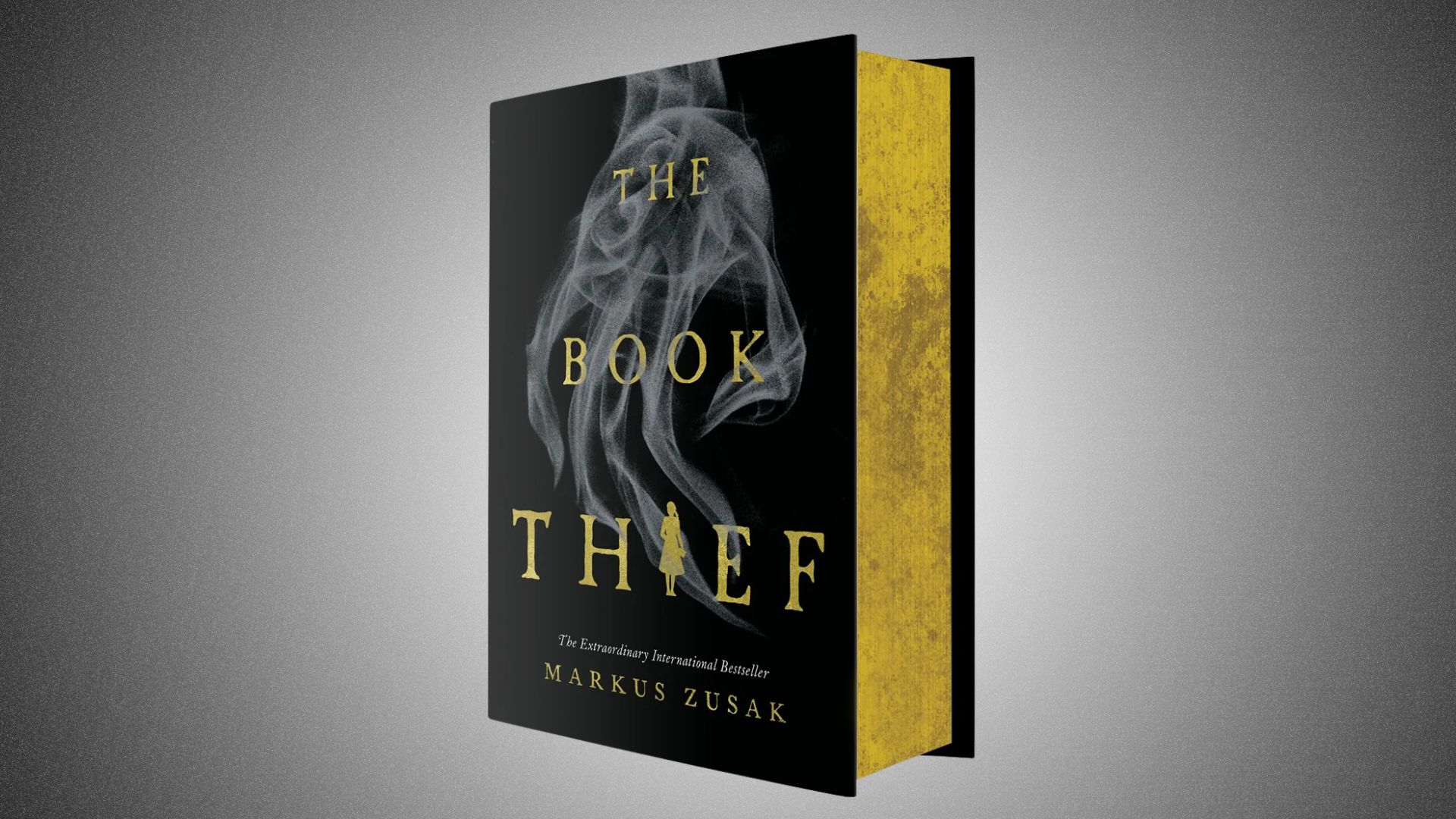
The Book Thief by Markus Zusak came out in 2005 and changed historical fiction. Set in Nazi Germany during WWII, it follows young Liesel who finds comfort in stolen books.
Zusak mixes coming-of-age moments with harsh wartime reality.
The most interesting part? Death narrates the story.
The book sold millions of copies worldwide and became a modern classic.
Plot Summary (Spoiler-Free)
Young Liesel Meminger loses her brother and gets sent to foster parents Hans and Rosa Hubermann in Molching.
Hans teaches her to read using a stolen book. As Nazi control tightens, they hide Max Vandenburg, a Jewish man, in their basement.
Liesel steals more books and shares stories with Max. She grows up fast as bombs fall and neighbors disappear.
The story shows how words and kindness survive when everything else falls apart.
Major Themes in The Book Thief
Five powerful themes that show what truly matters when the world falls apart.
-
The Power of Words
-
Humanity During War
-
Loss and Grief
-
Friendship and Loyalty
-
Survival and Hope
Words can heal and destroy in this story. Liesel learns to read and finds escape in books during terrible times.
Hitler uses words to spread hate and control people. Meanwhile, Liesel and Max use words to build hope and friendship.
Even in Nazi Germany, good people existed. Hans risks his life to hide Max. Rosa shows love despite her rough exterior.
Regular folks make small brave choices that matter.
Death shadows every page because war takes everyone eventually. Liesel loses her brother, then friends, then more people she loves.
But she keeps going. Grief shapes us but doesn’t have to break us.
Liesel and Rudy’s friendship stays pure despite the chaos.
Max and Liesel bond over words and stories. Hans stands by his promises no matter the cost.
Characters find reasons to keep living when everything says to give up. Liesel has books.
Max has stories. Hans has his accordion. Small joys become lifelines.
Main Characters & Emotional Depth
Characters are so beautifully real and deeply flawed that you’ll carry them in your heart long after the final page.
-
Liesel Meminger : The Book Thief
-
Hans Hubermann : Compassion and Quiet Bravery
-
Rosa Hubermann : Tough Exterior, Deep Care
-
Max Vandenburg : Symbol of Hope and Survival
-
Rudy Steiner : Innocence and Loyalty
Liesel starts as a scared girl who can’t read and becomes someone who understands the weight of words.
She steals books not for rebellion but for survival. Reading gives her control when everything else spirals. Her courage grows quietly through small acts.
Hans doesn’t shout his goodness. He just lives it. He teaches Liesel with patience, hides Max despite the danger, and plays his accordion when words fail.
His gentle strength anchors the whole family. Real bravery isn’t loud, it’s choosing right when wrong feels safer.
Rosa curses and yells and seems harsh at first. But she feeds Max from their tiny food supply. She worries about Hans and Liesel while pretending not to care.
Her rough shell protects a heart that loves fiercely.
Max hides in darkness but refuses to disappear completely. He writes stories for Liesel on painted-over pages.
Their friendship crosses every divide the Nazis created. He represents everyone who fought to stay human.
Rudy loves Liesel simply and completely. He asks for a kiss and never gets one until it’s too late.
His innocence stands out against the cruel world around them.
Writing Style & Narrative Technique
Zusak made a bold choice by having Death narrate this story. Death isn’t evil here, just tired and oddly compassionate.
The narrator jumps through time, telling you what happens before it does. This deepens the emotional weight.
Zusak writes in short chapters with poetic breaks, lists, and visual breaks on the page. The style feels fragmented like memory itself. It’s beautiful and heartbreaking at once.
The Book Thief (2013) Movie Adaptation
The 2013 film starring Geoffrey Rush and Sophie Nélisse captures the emotional core of the book.
It shows Liesel and Hans’s relationship beautifully, with real and grim visuals of wartime Germany.
But the movie cuts Death’s narration mostly, which changes the tone. It also shortens Max’s story and rushes key moments.
The film works as a solid drama but misses deeper layers. Read first, then watch.
The Book Thief Review from Goodreads & Amazon
Reader reviews show strong love for this emotional story with minor critiques.
Goodreads: Readers gave this book 4.38 out of 5 stars from over 2 million ratings. Most praise Death’s narration as creative and moving.
They love how Zusak makes you care deeply about every character. The emotional impact stays with readers for years.
Amazon: Common complaints mention slow pacing, especially in the middle sections. Some found the non-linear timeline confusing at first.
A few wanted more action and less reflection. But most call it a masterpiece that made them cry and think differently.
Millions of readers connect deeply despite pacing concerns and heavy themes.
Critical Analysis: Strengths & Weaknesses
Let’s have a look at the:
Strengths:
- Death as narrator brings fresh perspective and makes every page feel urgent
- Emotional depth hits hard without feeling manipulative
- Character development shows real growth, especially Liesel’s path from frightened child to brave young woman
- Themes about words, humanity, and hope resonate beyond the WWII setting
- Writing style mixes poetry with raw honesty
Weaknesses:
- Pacing drags in the middle when daily life takes over
- Constant foreshadowing removes some tension from key moments
- Heavy emotional tone can feel overwhelming
- Non-linear timeline confuses readers who prefer straightforward storytelling
- Some secondary characters need more development beyond their roles in Liesel’s story
Who Should Read This Book
If you love historical fiction that focuses on people over battles, grab this book now. Readers who enjoy character-driven stories with emotional weight will connect deeply here.
It’s great for anyone curious about how regular Germans lived under Nazi rule. Book clubs will find plenty to discuss about morality, survival, and human nature.
Just know this isn’t a light read. It demands your attention and your emotions. But if you’re ready for a story that challenges and moves you, The Book Thief delivers.
About The Author

Markus Zusak grew up in Sydney, Australia, with German and Austrian immigrant parents. They shared stories about Germany during the war, which planted the seeds for this book.
He wrote for years before The Book Thief became a global phenomenon in 2005. The book sold over 16 million copies and stayed on bestseller lists for years.
Zusak also wrote I Am the Messenger, which won awards before The Book Thief made him famous.
His most recent novel, Bridge of Clay, came out in 2018 after a long wait. His style focuses on character emotion and creative narration.
Words, war, and humanity collide in this unforgettable story of survival.
Conclusion
I think The Book Thief earns every bit of praise it gets. Yes, it moves slowly at times. Yes, it will break your heart.
But it also shows how words and kindness survive when everything else burns. I’ve recommended this book to friends who love deep stories about what it means to stay human.
Some books you read and forget. This one stays with you.
If you want historical fiction that makes you feel and think, read it. Then come back and tell me what you thought in the comments.
Share this review with someone who needs their next great read.
Frequently Asked Questions
Is The Book Thief appropriate for young readers?
The book works for ages 14 and up. It deals with war, death, and loss but doesn’t show graphic violence. The emotional themes might be heavy for younger kids though.
Why does Death narrate The Book Thief?
Zusak wanted a narrator who saw everything during the war. Death provides a wider view of humanity while staying oddly compassionate and tired of its job.
Is The Book Thief based on a true story?
No, but Zusak based it on his parents’ real stories about Germany during WWII. The characters are fictional, but the historical setting and events are accurate.
How long does it take to read The Book Thief?
Most readers finish it in 8 to 12 hours depending on pace. The book has 552 pages divided into short chapters.
Should I read the book or watch the movie first?
Read the book first. The movie cuts important parts and changes the narration style.