

Finding the best AI story generator for short stories isn’t about flashy prose—it’s about delivering a full arc on demand. Too often, a bot stalls with “To be continued,” blowing past the word cap and the climax. So we put seven leading tools through two blunt trials: a self-contained 1,200-word mystery and a 250-word finale that neatly knots three loose threads. The results show where each engine sticks the landing, and where you’ll still be up late with edits.
How We Judged These Tools
Every finalist faced two neutral trials, nothing more, nothing less.
- 1,200-word compression test. Each engine had to draft a complete mystery under a hard 1,200-word cap.
- 250 to 300-word ending test. Starting from the same unfinished scene, the model had to resolve three planted clues without adding new characters.
We ran each tool in its default new-user mode, using only free or trial access. For every run we logged the prompt, date, and raw output, then pasted the text into a plain-text editor to hand-count words. No composite scores, no secret weighting, just seven transcripts you can replicate tonight.
The 1,200-Word Compression Test

We asked each tool for one self-contained, 1,200-word contemporary mystery. The setup was fixed: a used-book seller discovers her missing sister’s handwriting in a donated novel. The brief required four named beats, a solution that explains both the note and the disappearance, and a final image featuring the tattered dust jacket.
After generation we removed any titles or comments, then logged:
- Distance from the 1,200-word target
- Presence of all four beats
- Whether the story ends decisively rather than trailing off
This single pass shows whether the engine respects length limits and can deliver a true ending without extra coaching.
The Ending-Only Test
Each engine received the same unfinished mystery scene (brass key on the table, a blinking deleted-voicemail icon, and a neighbour under cross-examination) and had to supply the final 250 to 300 words. Rules: no new characters, no surprise twists, and the ending must return to the concrete image we seeded earlier.
After generation we recorded:
- Word count inside the target band
- Which of the three threads were resolved
- Whether the closure flowed logically from earlier events
- Whether the final image felt earned or tacked on
This test shows whether a model can finish the story cleanly without extra coaching.
1. DreamGen: Best for Steering a Story Mid-Scene
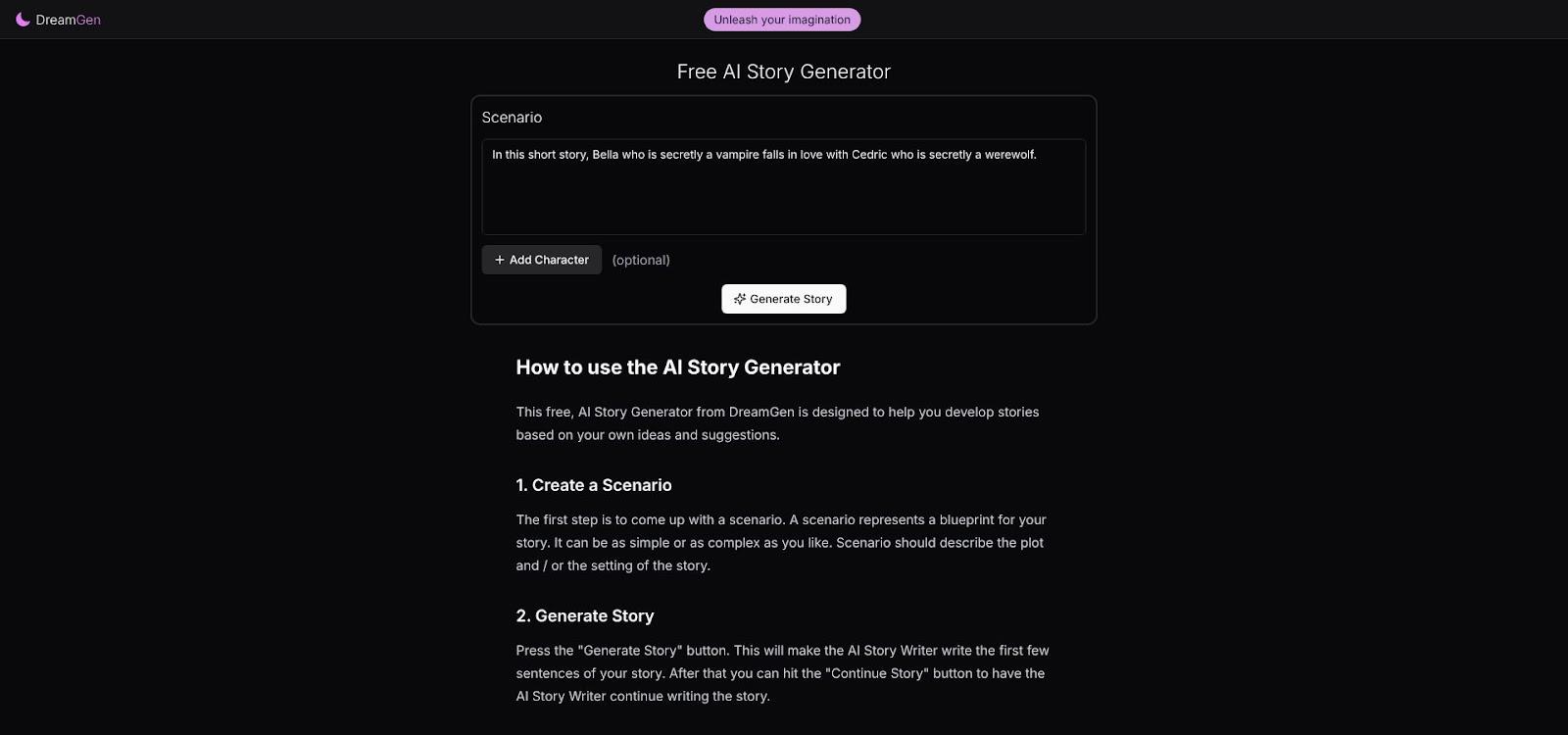
DreamGen AI story generator inline instruction interface
Length Control and Ending Quality
DreamGen feels like a live workshop; you can pause, insert an inline note, and watch the prose shift. Running the bookseller brief through its AI story generator with no tweaks produced 1,248 words, slightly over target. A single instruction (“trim storefront description by 60 words”) cut the draft to 1,189 words without harming flow.
Midway we noticed the confrontation beat sagging. One prompt fixed the pacing, and the draft finished on the required dust-jacket image.
For the ending-only test we added two comments: “resolve brass key in dialogue” and “close on the same cracked binding.” DreamGen delivered 269 words, weaving all three threads into on-page action and echoing the foreshadowed image.
Best For and Biggest Weakness
Pick DreamGen when you want hands-on control mid-draft; no other tool responds quicker to inline guidance. Precision is the trade-off: if you leave it unattended, word counts can creep, and the free Lucid Base plan allows about 2,000 monthly messages, dropping to roughly 250 per day unless you upgrade to Pro.
2. Claude: Best for a One-Prompt Short Story
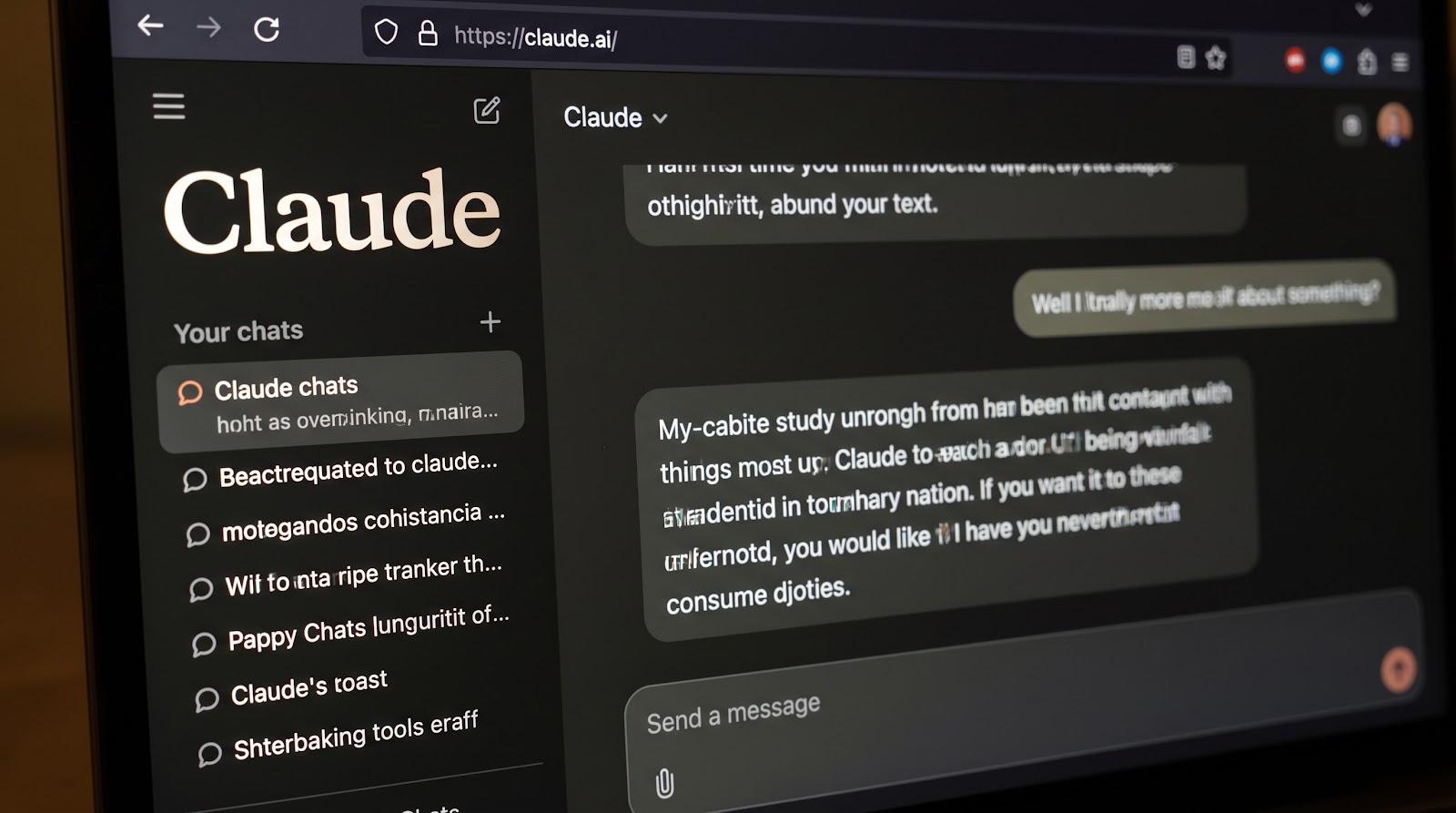
Claude AI story generator interface for 1,200-word short stories
Length Control and Ending Quality
With the 1,200-word mystery prompt pasted exactly as written (no system tweaks), Claude produced 1,206 words on the first pass, only six over the limit. All four beats (discovery, escalation, confrontation, reveal) landed where expected, and the damaged dust-jacket image returned in a closing scene that felt earned rather than ornamental.
In the ending-only trial, Claude wrapped the brass key, deleted voicemail, and neighbour’s lie in 284 words, well inside the 250 to 300-word band. Each thread resolves through on-page action, and the final line pauses on the cracked key turning in the lock for a clean, concrete finish.
Best For and Biggest Weakness
Choose Claude when you need a full short story from one carefully written brief; a quick trim delivers a submission-ready length. The catch is access: the free tier caps daily usage, so extended drafting sessions may require a paid plan.
3. Sudowrite: Best for Writers Who Know the Final Beat
Sudowrite AI story generator 300-word burst interface
Length Control and Ending Quality
Sudowrite builds stories in about 300-word bursts. It took four continuations to reach a full draft, and the stitched total landed at 1,328 words, around 10 percent over the brief. Trimming is simple, but the user has to do the cutting.
Because we supplied the final dust-jacket image up front, the engine foreshadowed it in scene two and closed the loop in scene four. Without that target, earlier runs drifted toward tidy but unspecific resolutions.
In the ending-only trial, Sudowrite followed our inline note (“resolve brass key, voicemail, neighbour lie”) and delivered 277 words that satisfied every requirement. The wrap-up feels methodical, each thread resolved in its own line, so the prose reads more like a checklist than a climax.
Best For and Biggest Weakness
Sudowrite works well when you already know the last image or revelation and want help weaving foreshadowing through the draft. Its biggest drawback is precision: hitting an exact word cap needs manual edits, and the free trial shifts to paid plans quickly.
4. ChatGPT: Best Free All-Rounder for Drafting and Revision

ChatGPT free AI story generator and revision interface
Length Control and Ending Quality
With the 1,200-word brief pasted straight into a free ChatGPT session, the model returned 1,183 words on the first pass, comfortably under the cap while still hitting all four beats. The confrontation scene trims emotion to preserve length, so the prose reads familiar more than fresh.
For the ending-only task, ChatGPT resolved the key, voicemail, and neighbour lie in 292 words. The finish is neat, cracked book jacket displayed like a trophy, so you must specify any desired ambiguity.
ChatGPT shines at quick revision. We asked it to trim 50 words from beat three and heighten sensory detail in the final image; it cut 74 words and sharpened description without losing continuity.
Best For and Biggest Weakness
Choose ChatGPT when you need a free place to brainstorm, draft, and iterate quickly. The downside is sameness: unless you guide tone and lingering questions, the model tends toward safe, tidy conclusions. The free tier also sets daily message limits; frequent drafting may need a paid plan.
5. FablePilot: Best for Fast, No-Sign-Up Experiments
Length Control and Ending Quality
FablePilot lets you generate fiction without an account. Choose a length range and press Go. We selected the 1,000–1,600-word band to match our 1,200-word brief, and the engine produced 1,420 words on the first pass. Because the platform works in broad brackets, trimming 100 words means rerolling the entire piece or editing by hand.
All required beats appear, but pacing feels uneven: discovery and confrontation fly past while a rain-soaked window gets a slow, lyrical paragraph. In the ending-only test, FablePilot wrapped the brass key and voicemail in 256 words but left the neighbour’s lie unresolved; the cracked jacket drying on a radiator adds mood, not closure.
Best For and Biggest Weakness
Pick FablePilot when you need to test an idea in minutes with zero setup. Be ready to copy the output into your editor; precise word caps and full thread resolution often need manual fixes, and the only way to change length is to regenerate from scratch.
6. NovelAI: Best for Hands-On Genre Storytelling
Length Control and Ending Quality
NovelAI writes in short continuations. We stopped after six passes of about 180 words each, and the stitched draft totaled 1,215 words, close to target only because we watched the counter and hit Stop.
Atmosphere is its strong suit: ink smell, paper grit, winter lamp glow. The middle sagged until a Lorebook note (“Sister vanished three years ago”) tightened callbacks and kept clues aligned.
For the ending-only task we asked, “Resolve all three threads in one paragraph, close on cracked jacket.” The model produced 301 words, a touch past the ceiling. Key and voicemail resolve cleanly, but the neighbour’s lie slips into a vague apology; the reversed jacket image lands yet feels slightly drawn out.
Best For and Biggest Weakness
Pick NovelAI when you enjoy line-by-line sculpting and want rich, genre-flavored prose. Be ready to police word count manually, and remember that the free Paper trial covers only 50 generations before you must upgrade.
7. Squibler: Best for Outline-First Beginners
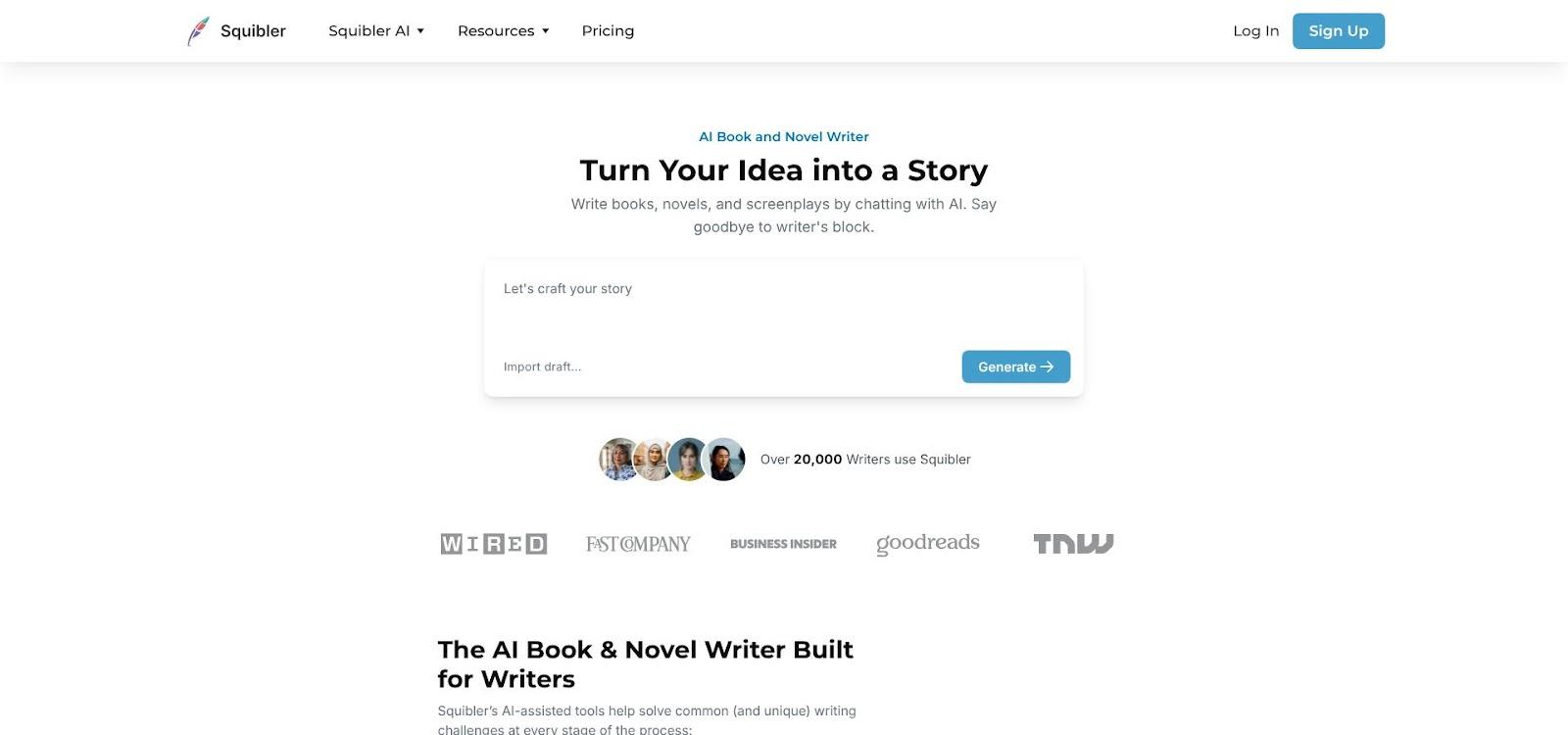
Squibler corkboard outline view for AI short story generator
Length Control and Ending Quality
Squibler opens to a corkboard view and 1,000 monthly AI credits. The default Story Generator builds outlines and scene cards rather than finished prose. For our 1,200-word test it produced a beat sheet; after clicking Expand draft on each card and assembling the pieces, the story totaled 1,510 words. Length control feels manual: you stop expanding or start pruning when the counter runs high.
Because each beat lives in its own card, structure is crystal-clear, but twists can feel telegraphed. For the ending-only brief Squibler offered three finales; we chose the best and logged 265 words. All threads resolve, yet the summary style (“The neighbour confessed…”) mutes the moment.
Best For and Biggest Weakness
Squibler is ideal when you want a visual roadmap before writing scenes. Its downside is efficiency: turning cards into a tight short story burns AI credits fast and still leaves you trimming to hit word caps.
Quick Comparison
None of these engines wins on every measure. The table below shows how each performed against the same two trials.
| # | Tool | Length Control (1,200-Word Test) | Ending Quality (250-Word Test) | Free Tier | Best For |
| 1 | DreamGen | 1,189 words (−11) | Strong | Yes | Mid-scene steering |
| 2 | Claude | 1,206 words (+6) | Strong | Yes, limited | One-prompt drafts |
| 3 | Sudowrite | 1,328 words (+128) | Mixed | Trial only | Planned final beats |
| 4 | ChatGPT | 1,183 words (−17) | Mixed | Yes, limited | Drafting and revision |
| 5 | FablePilot | 1,420 words (+220) | Mixed | Yes, no account | Fast experiments |
| 6 | NovelAI | 1,215 words (+15) | Mixed | One-time trial | Hands-on genre fiction |
| 7 | Squibler | 1,510 words (+310) | Weak | Yes | Outline-first planning |
Conclusion
Three situations cover most short-story work.
If you write by discovery and expect to change your mind mid-scene, start with DreamGen. Inline instructions moved a sagging confrontation and trimmed sixty words on request without damaging the prose around them, and the finished draft came in eleven words under the cap with every thread resolved.
If you would rather write one careful brief and get a finished draft back, Claude landed within six words of the cap and closed all three threads without coaching, which is as close to hands-off as this category currently gets.
If you already know your last image, Sudowrite will foreshadow toward it, provided you supply that target up front. Leave it out and the endings drift.
Whatever you choose, run the same two checks we did: count the words before you submit, and read the final paragraph aloud. If it summarises the theme instead of showing a consequence, the tool has stopped rather than finished.