


I used to pick books randomly. Sometimes it worked. Most times, I’d quit by chapter three.
Then I started paying attention to genres. That one shift changed everything about how I read.
Here’s what I’ve learned after years of reading across shelves: most people don’t struggle with reading. They struggle with finding the right book.
That’s exactly why I put this guide together. These 37 types of books to read will help you figure out what actually fits you, not just what looks good on a shelf.
Why Understanding Book Genres Matters

Knowing your genre saves you a lot of time. Instead of guessing, you can go straight to books that match your interests and reading style.
It also makes recommendations way more accurate. When you know what you like, friends, apps, and librarians can point you to the right shelf immediately.
Genres also push you to read more consistently. When a book fits your mood and preferences, you’re more likely to finish it and pick up another one.
And it’s not just for personal readers. Students, parents, and casual readers all benefit from understanding genres when choosing age-appropriate or goal-driven books. For students balancing academic reading with assignments, resources such as cheap dissertation writing services may also help them manage their workload and leave more time for reading.
37 Types of Books to Read
There are far more types of books to read than most people realize. From magical worlds to real-life stories, here’s a full breakdown of 37 genres worth knowing about.
1. Fantasy
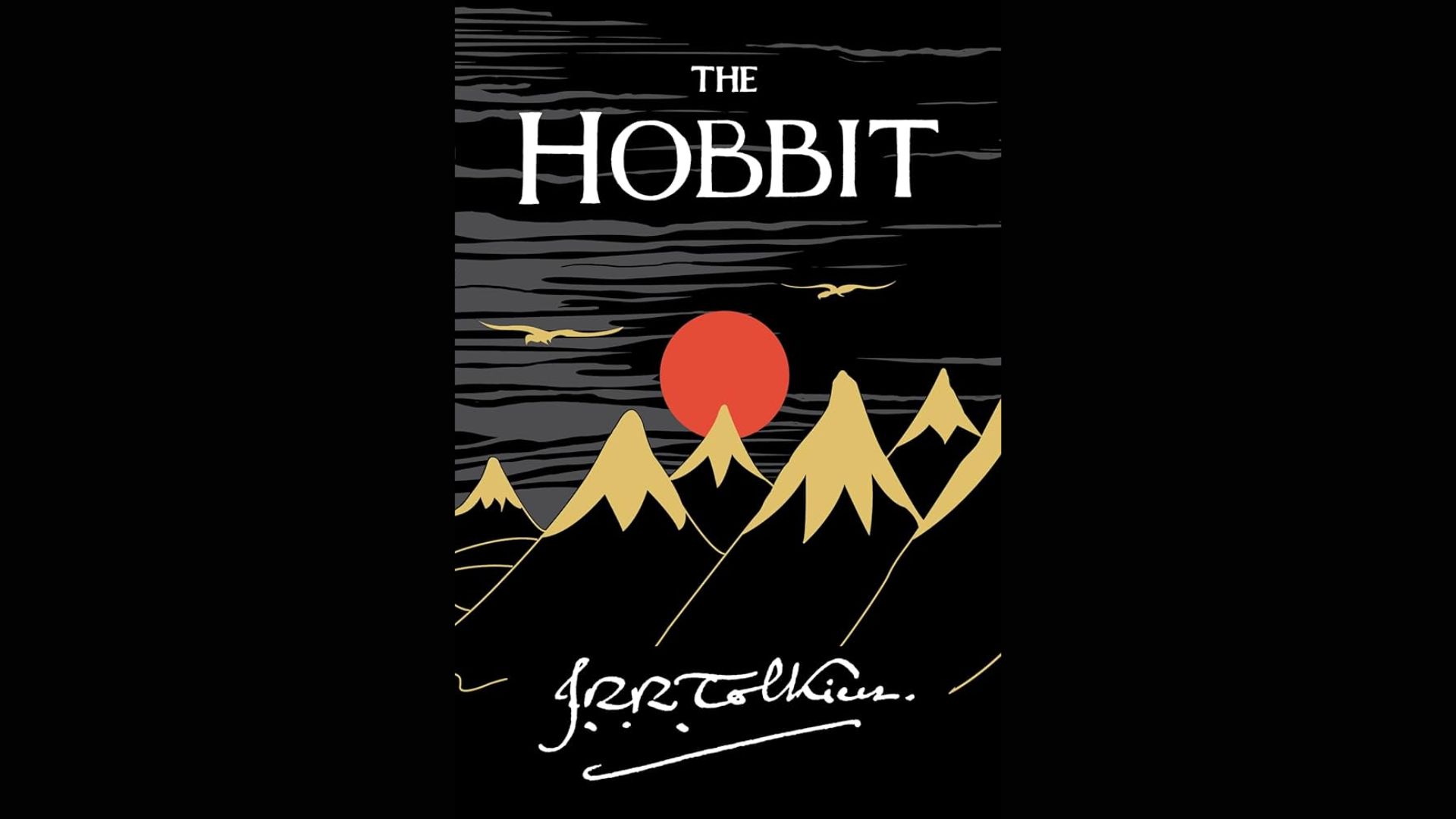
Fantasy takes you into worlds that don’t exist but feel incredibly real. Expect magic systems, mythical creatures, and massive storylines that often span multiple books.
This genre works well for readers who love creative storytelling. It pulls you away from everyday life and drops you into something completely different.
Popular picks include The Hobbit, Harry Potter, and A Court of Thorns and Roses. There’s a fantasy world for every kind of reader out there.
2. Science Fiction
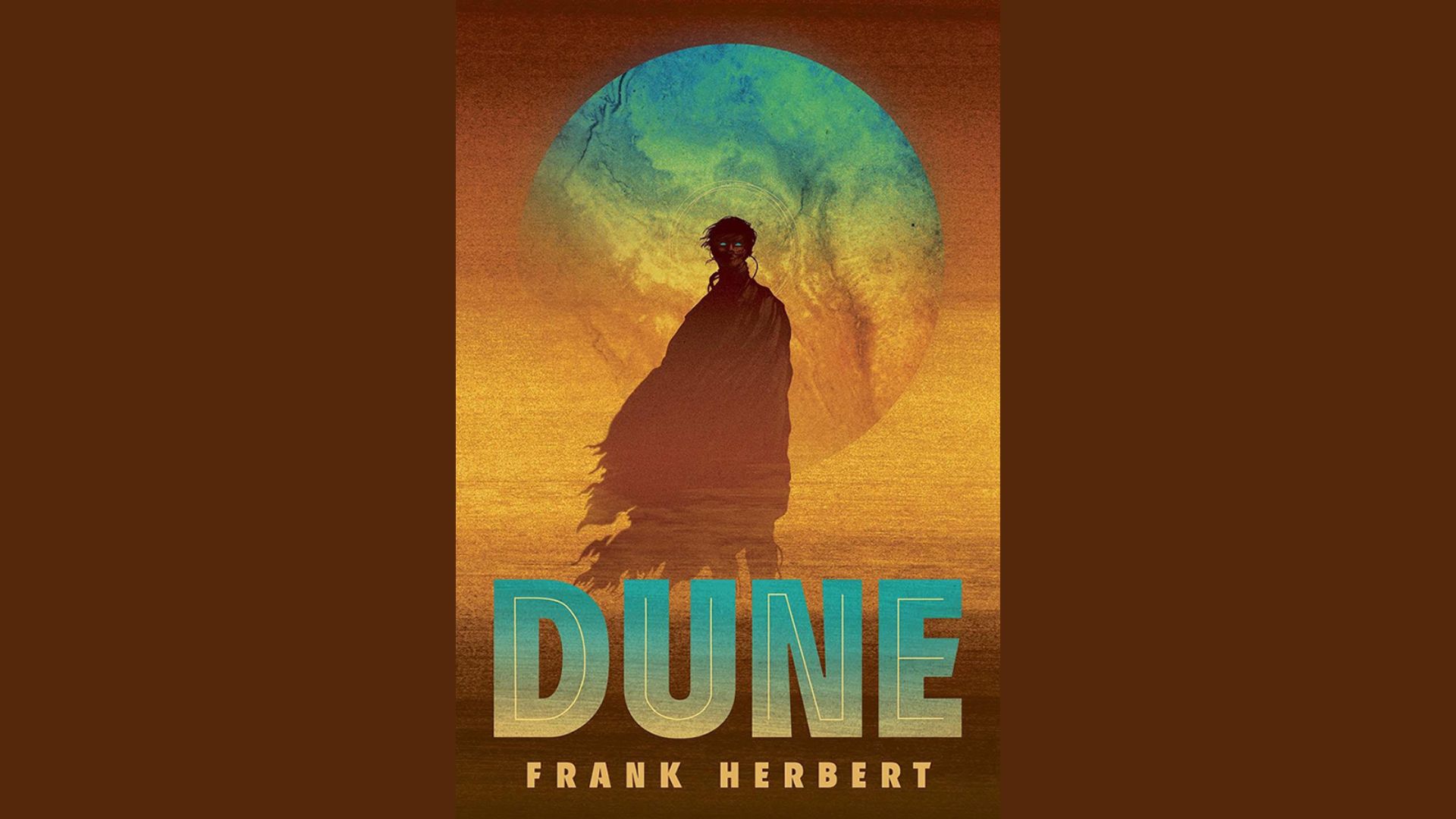
Sci-fi is all about asking “what if.” What if humans lived on Mars? What if AI took over? These books push imagination to its limits.
The genre covers futuristic technology, space travel, and advanced civilizations that may or may not exist one day. It’s speculative, but grounded in logic.
Think Dune, Ender’s Game, or The Martian. Sci-fi readers tend to love big ideas paired with strong storytelling.
3. Mystery

Mystery books center around a problem, usually a crime, and the process of solving it. Every chapter drops new clues and keeps you guessing.
The best mystery novels make you feel like a detective yourself. You’re piecing things together right alongside the main character.
Agatha Christie, Tana French, and Gillian Flynn are big names here. If you like puzzles and suspense, this genre will keep you reading late into the night.
4. Thriller
Thrillers move fast. The plot never slows down, and the tension keeps building from the very first page.
These books are designed to keep your heart rate up. You’ll find high-stakes situations, near escapes, and characters who are always one step behind danger.
Authors like James Patterson and Lee Child have built careers on this genre. If you want a book you physically cannot put down, thrillers are a great choice.
5. Horror

Horror is built around fear. Whether it’s a haunted house, a serial killer, or a slow psychological breakdown, these books are meant to unsettle you.
Good horror gets into your head. It’s not always about jump scares. Sometimes it’s the slow build of dread that does the most damage.
Stephen King is the most well-known name in this space. Newer authors like Paul Tremblay are also putting out work that sticks with you long after you finish.
6. Romance

Romance is one of the most-read genres in the world. These books focus on relationships, emotional connection, and the highs and lows of love.
They’re not all the same, though. You have sweet romance, dark romance, historical romance, and more. Each sub-genre carries its own tone and audience.
If you want a book that makes you feel something deeply, romance is a solid pick. Authors like Colleen Hoover have made this genre massive in recent years.
7. Historical Fiction

Historical fiction blends real time periods with fictional characters and stories. You get the atmosphere of the past without a textbook feel.
These books are great for learning history in a way that actually sticks. When you care about the characters, the historical context stays with you.
The Book Thief, All the Light We Cannot See, and Pillars of the Earth are strong examples of this genre done right.
8. Literary Fiction
Literary fiction focuses more on character than plot. The writing itself is often the main attraction.
These books dig into complex emotions, social issues, and the messiness of real life. They’re slower-paced but deeply rewarding.
Think The Kite Runner or Normal People. If you love thinking about what you just read, literary fiction gives you plenty to work with.
9. Young Adult (YA)
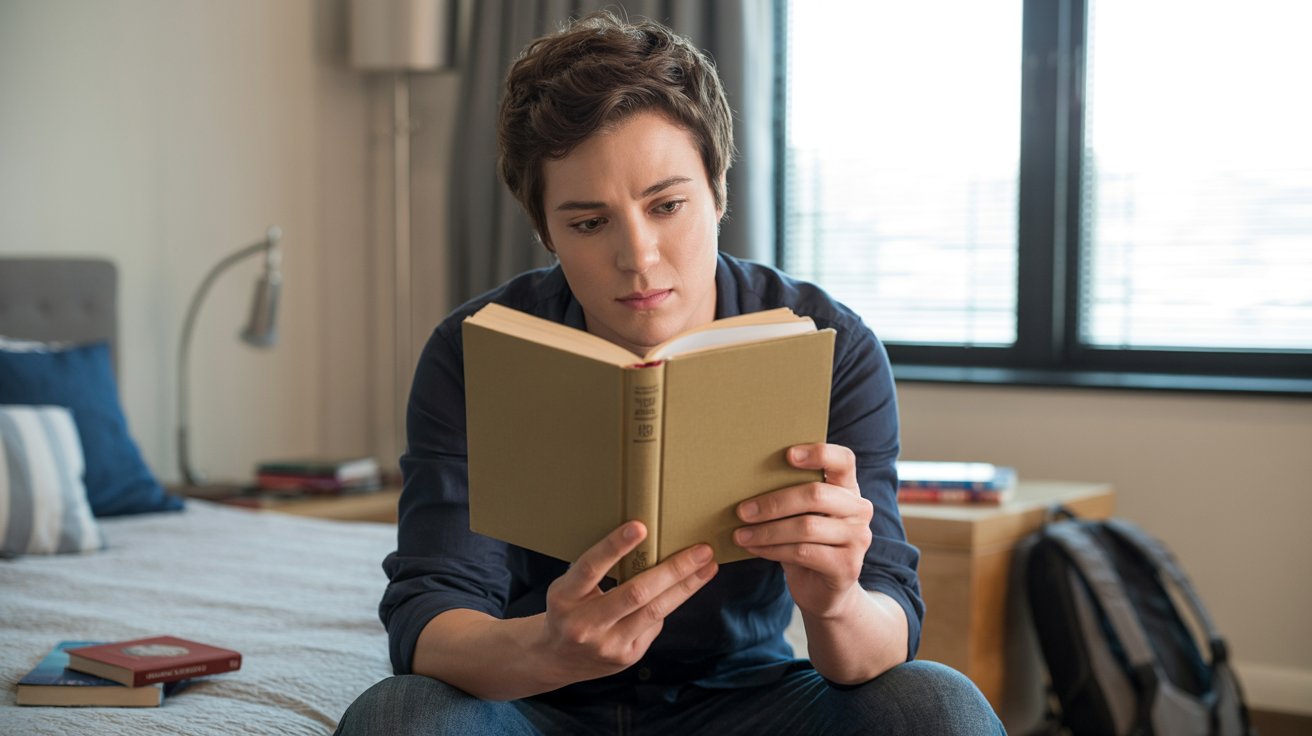
YA books are written for teenagers but read by people of all ages. They cover identity, first love, friendship, and growing up.
The storytelling in YA tends to be fast and emotionally charged. That’s why so many adults still reach for these books.
The Hunger Games, Divergent, and The Fault in Our Stars are classics in this space. Great for readers who want emotional, story-driven reads.
10. Dystopian Fiction
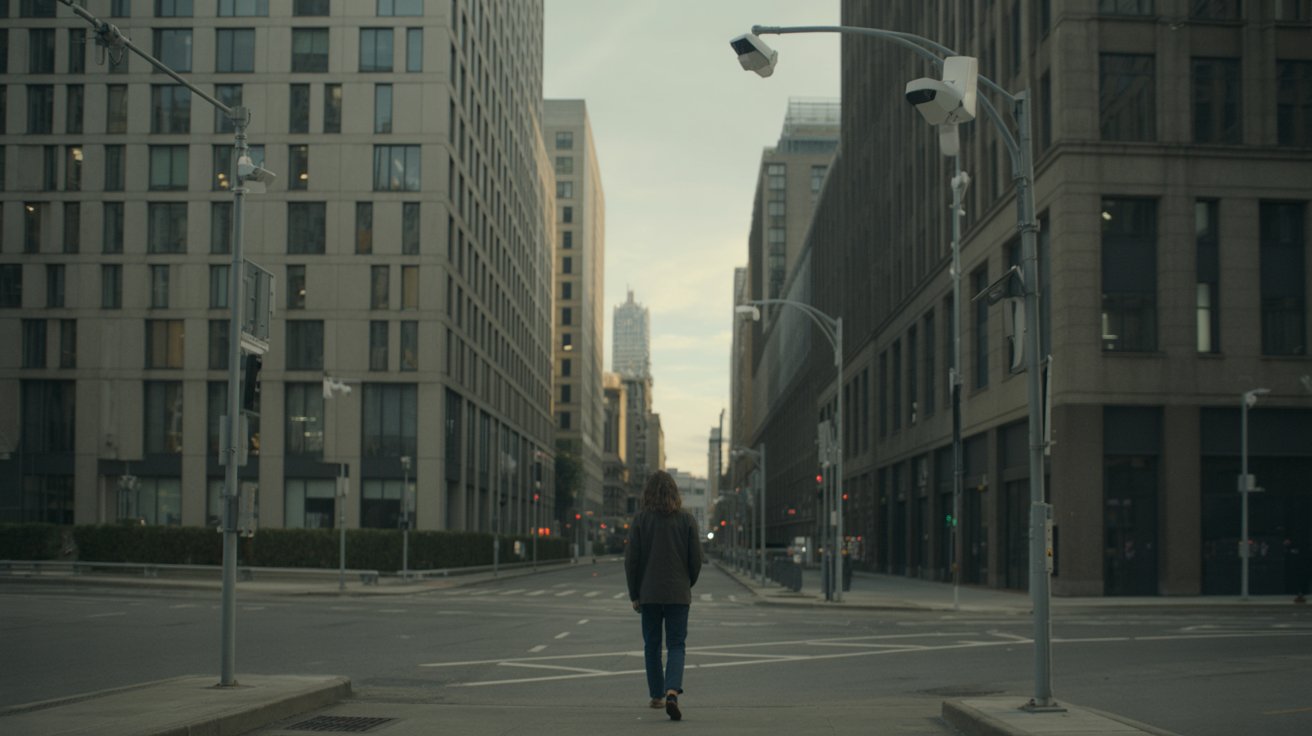
Dystopian books are set in futures where something has gone very wrong. Society is broken, controlled, or rebuilt under oppressive systems.
These stories often mirror real-world fears about power, surveillance, and freedom. That’s what makes them so compelling.
1984, Brave New World, and The Handmaid’s Tale are must-reads in this genre. They make you think just as much as they entertain.
11. Adventure
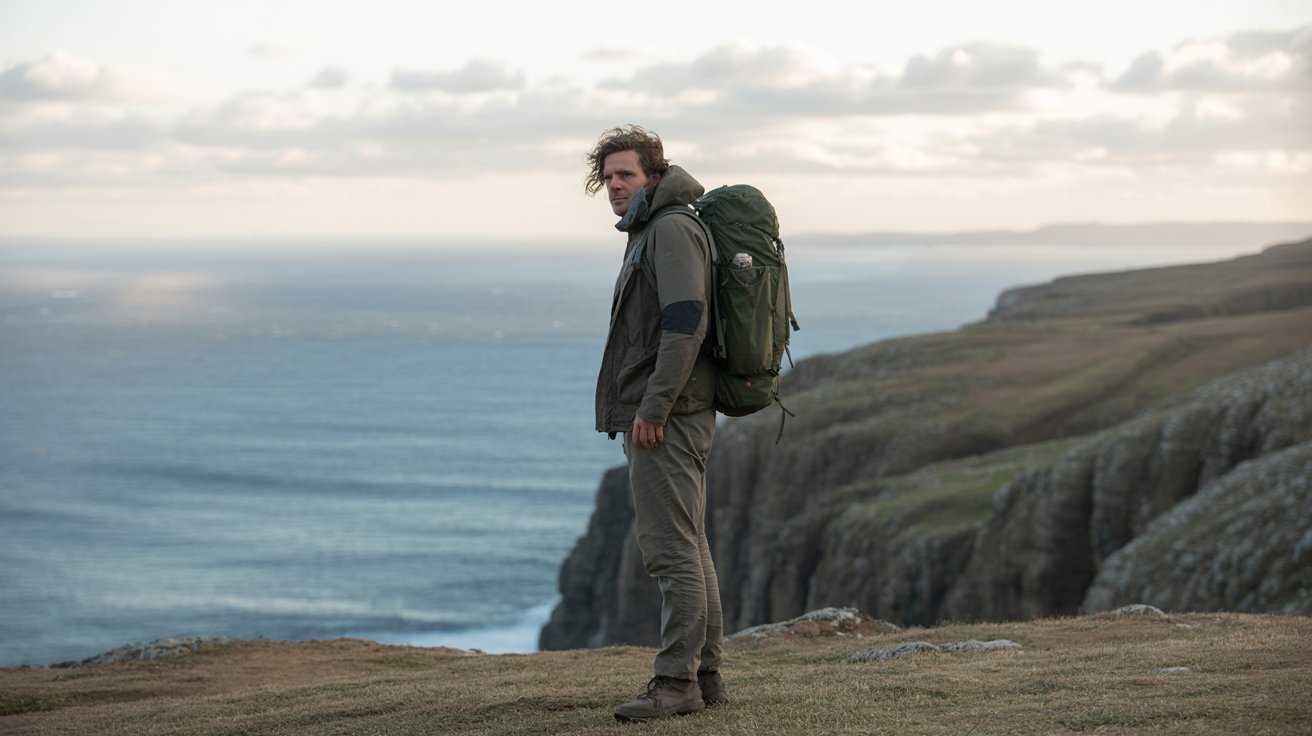
This genre is driven by action, survival, and bold challenges. Characters face danger head-on across land, sea, or uncharted territory.
The pace is fast and the stakes are high. You’re always rooting for the main character to make it through alive.
Robinson Crusoe, Into the Wild, and Life of Pi fall into this category. Good for readers who love momentum and physical storytelling.
12. Action Fiction

Action fiction is all about movement. Battles, car chases, confrontations, and physical challenges drive the plot from start to finish.
There’s not a lot of quiet reflection in these books. The energy stays high throughout, which makes them easy to read quickly.
Authors like Vince Flynn and Brad Thor are popular in this space. These books are perfect when you just want fast-moving entertainment.
13. Paranormal Fiction
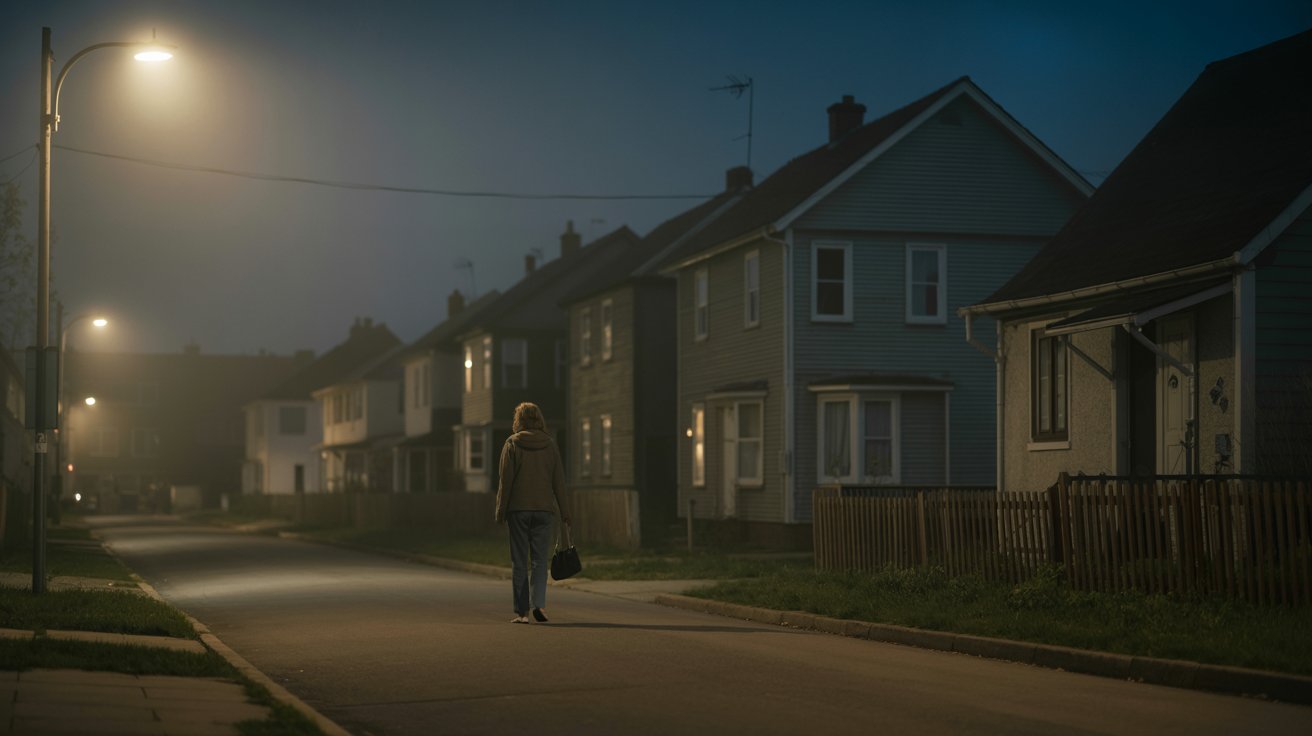
Paranormal fiction brings the supernatural into everyday settings. Think ghosts, vampires, werewolves, and other creatures living alongside regular people.
This genre often mixes romance or mystery with its supernatural elements. It’s not pure horror. It’s more of a blend.
The Twilight series put this genre on the map for many readers. If you like the idea of the supernatural mixed with real-world drama, this is worth trying.
14. Contemporary Fiction

Contemporary fiction is set in the present day and reflects modern life. The stories feel real because they’re drawn from situations people actually face today.
These books don’t rely on fantasy or history to carry the narrative. The power comes from how recognizable the characters and situations are.
Authors like Jodi Picoult and Nicholas Sparks are popular here. A good pick if you want something grounded and emotionally honest.
15. Crime Fiction

Crime fiction covers the criminal world from multiple angles. You might follow a detective, a criminal, or a victim trying to make sense of what happened.
It’s broader than mystery because it doesn’t always focus on solving a case. Sometimes the story is about the crime itself or the people caught up in it.
Authors like Michael Connelly and Patricia Cornwell are top names. Crime fiction is ideal for readers who love gritty, realistic storylines.
16. Graphic Novels
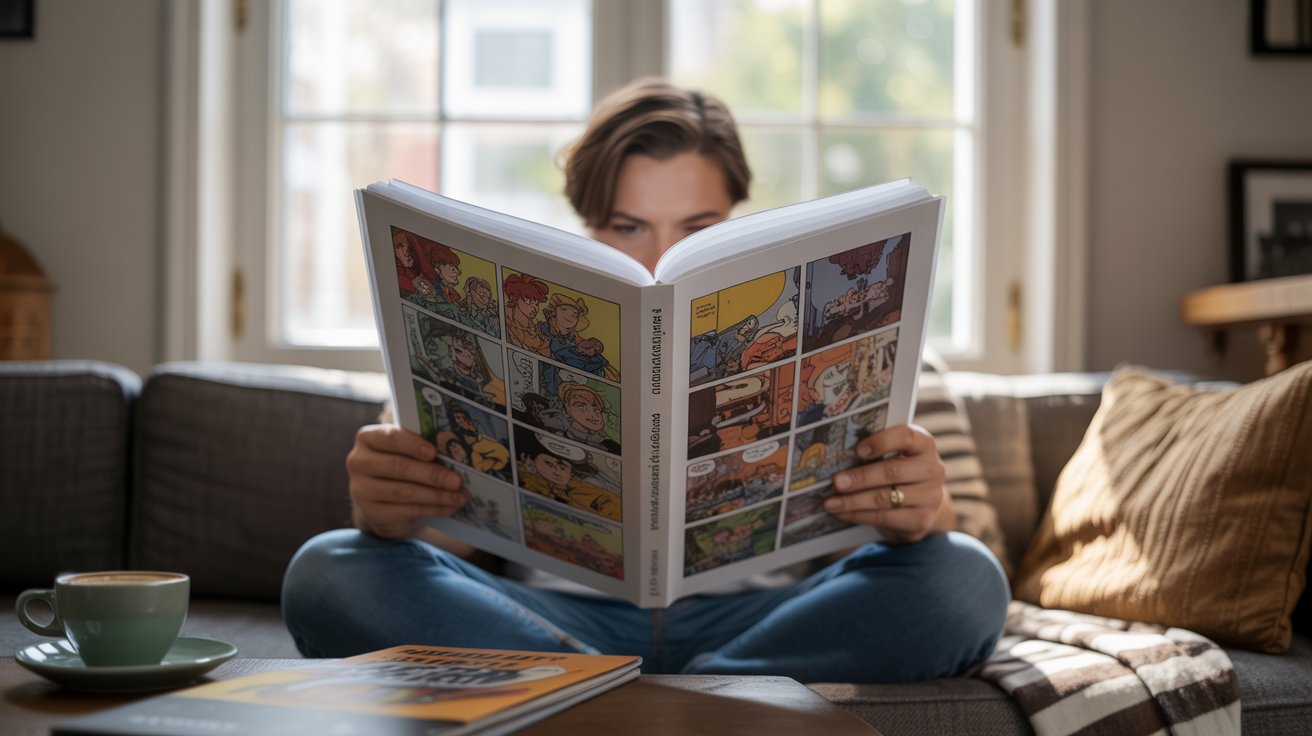
Graphic novels tell stories through a mix of illustrations and dialogue. Don’t confuse them with comic books. They’re usually longer and more complete narratives.
The visual format makes complex stories easier to follow for some readers. It’s also a great way to get into reading if long blocks of text feel overwhelming.
Maus, Persepolis, and Watchmen are considered some of the best. Graphic novels are taken seriously as a literary format, and rightly so.
17. Short Stories

Short story collections give you multiple complete stories in one book. Each piece is brief, often just a few pages, but still delivers a full narrative.
They’re great for busy readers who can’t always commit to a full novel. You can read one story on a lunch break and still feel satisfied.
Authors like Raymond Carver, Flannery O’Connor, and Chimamanda Ngozi Adichie are known for their short fiction. A surprisingly powerful format.
18. Classics

Classics are books that have stood the test of time. They were written decades or even centuries ago but are still widely read and discussed today.
Reading classics gives you context for a lot of modern literature. Many books you love today were shaped by these older works.
Pride and Prejudice, Moby Dick, and Crime and Punishment are good starting points. They can feel slow at first, but the payoff is worth it.
19. Satire

Satire uses humor and irony to call out problems in society, politics, or human behavior. The goal is to make you laugh and think at the same time.
It’s one of the cleverest forms of writing. A great satirist can say something deeply critical while keeping you fully entertained.
Animal Farm, Catch-22, and Don Quixote are classic examples. A great genre if you enjoy wit and sharp social commentary.
20. Magical Realism

Magical realism blends ordinary life with magical elements but presents them as completely normal. Nothing feels out of place, even when it clearly should.
This genre has strong roots in Latin American literature and has since grown into a global style. The magic isn’t the point. It’s a way of telling a deeper human story.
One Hundred Years of Solitude by Gabriel Garcia Marquez is the most famous example. Like Water for Chocolate is another one worth picking up.
21. Biography

A biography is the story of someone’s life written by another person. It covers their background, work, personal struggles, and lasting impact.
Good biographies read almost like novels. The best ones make you feel like you actually knew the person by the end.
Steve Jobs by Walter Isaacson and Leonardo da Vinci by the same author are popular picks. Great for anyone who loves learning from real people’s lives.
22. Autobiography

An autobiography is a biography that the person writes about themselves. It’s their own story, told in their own words from their own point of view.
The personal perspective is what makes autobiographies so interesting. You get the full picture as the author actually lived it, without a middleman.
Long Walk to Freedom by Nelson Mandela and I Am Malala by Malala Yousafzai are powerful examples. Raw, honest, and deeply personal.
23. Memoir
A memoir is similar to an autobiography but more focused. Instead of covering an entire life, it zooms in on a specific period or set of experiences.
The emotional depth in memoirs is often stronger because of that tight focus. The author isn’t trying to cover everything, just what mattered most.
Educated by Tara Westover and The Glass Castle by Jeannette Walls are both highly regarded. Hard to put down once you start.
24. Self-Help

Self-help books are written to help you improve some area of your life. That could be habits, mindset, productivity, relationships, or confidence.
The best ones don’t just give advice. They give you specific tools and real examples you can apply right away.
Atomic Habits, The 7 Habits of Highly Effective People, and Mindset by Carol Dweck are solid starting points. Worth reading if you’re working toward a goal.
25. Psychology

Psychology books explain how the human mind works. They cover topics like behavior, emotions, decision-making, and mental health.
Some of these books are written for general readers, not just academics. You don’t need a degree to get real value out of them.
Thinking, Fast and Slow by Daniel Kahneman and The Body Keeps the Score by Bessel van der Kolk are must-reads. Genuinely eye-opening.
26. Business
Business books cover everything from starting a company to leading a team. They’re popular with entrepreneurs, managers, and people building careers.
You don’t have to own a business to benefit from them. Many of the lessons apply directly to everyday work and decision-making.
Zero to One, Good to Great, and The Lean Startup are well-known picks. Great if you want practical, results-focused reading.
27. Finance

Finance books teach you how money actually works. Topics include saving, investing, budgeting, and building long-term wealth.
Most people were never taught these things in school. A good finance book can fill those gaps and give you real financial direction.
Rich Dad Poor Dad, The Psychology of Money, and I Will Teach You to Be Rich are popular and accessible reads. Start here if money management feels overwhelming.
28. History

History books cover past events, civilizations, and the forces that shaped the world. They go much deeper than what you learned in school.
Reading history helps you understand why the world looks the way it does today. Patterns repeat, and knowing the past helps you make sense of the present.
Sapiens by Yuval Noah Harari is one of the most popular history books in recent memory. Guns, Germs, and Steel is another widely praised pick.
29. Philosophy

Philosophy books deal with big questions. What is the meaning of life? What is right and wrong? How should we live?
You don’t need a background in philosophy to read these books. Many modern philosophers write in a very accessible, readable way.
Meditations by Marcus Aurelius and Sophie’s World by Jostein Gaarder are approachable starting points. Great if you enjoy thinking deeply.
30. Science
Popular science books explain real scientific concepts in plain language. They make complicated ideas easy for everyday readers to follow.
These books cover biology, physics, astronomy, climate, and much more. The best ones make you feel genuinely curious about how the world works.
A Brief History of Time by Stephen Hawking and The Selfish Gene by Richard Dawkins are classics in this space. Accessible and thought-provoking.
31. Health and Wellness

Health and wellness books cover fitness, nutrition, mental health, and overall well-being. They give you practical advice you can act on right away.
The quality varies a lot in this genre. Stick to books backed by real science and written by qualified authors.
Why We Sleep by Matthew Walker and The Body by Bill Bryson are highly recommended. Good health reading makes real changes in how you live day to day.
32. Travel

Travel books come in different forms. Some are firsthand accounts of trips taken, while others are guides to specific places or cultures.
They’re a good way to learn about the world without leaving home. You can get a real sense of a place through a well-written travel narrative.
Into the Wild by Jon Krakauer and Eat, Pray, Love by Elizabeth Gilbert are both widely read. Inspiring and informative at the same time.
33. Cooking and Food

Cooking books range from simple recipe guides to thorough explorations of food culture and culinary history. They’re not just for professional chefs.
Even casual cooks benefit from having a solid cookbook on hand. And food writing as a genre can be genuinely entertaining to read.
Salt, Fat, Acid, Heat by Samin Nosrat changed how many people think about cooking. A great mix of education and practical skill-building.
34. True Crime
True crime books cover real criminal cases in detail. They look at investigations, motives, victims, and the aftermath of serious crimes.
This genre has grown massively in popularity over recent years. Readers are drawn to the real-world drama and the deeper questions about human behavior.
I’ll Be Gone in the Dark by Michelle McNamara and The Devil in the White City by Erik Larson are two standout titles. Gripping from start to finish.
35. Religion and Spirituality

Books in this category cover faith traditions, mindfulness, prayer, and personal spiritual growth. They’re not all tied to organized religion.
Many people read these books while looking for meaning, peace, or a deeper sense of purpose. The range of perspectives available is wide.
The Power of Now by Eckhart Tolle and Man’s Search for Meaning by Viktor Frankl are two widely respected picks. Worth reading regardless of your background.
36. Education

Education books focus on how people learn, how schools work, and how to get more out of studying. They’re useful for students, teachers, and parents alike.
Many of the insights in these books can be applied immediately. Better learning strategies make a real difference in school and beyond.
Make It Stick by Peter Brown and A Mind for Numbers by Barbara Oakley are practical and well-researched. Genuinely helpful if you want to study smarter.
37. Parenting and Family

Parenting books offer guidance on raising children, managing family dynamics, and supporting child development at different stages.
The best ones are grounded in real child psychology, not just opinions. They give parents practical tools for the situations that come up most often.
The Whole-Brain Child by Daniel Siegel and How to Talk So Kids Will Listen are two of the most recommended books in this space. Both are clear, warm, and genuinely useful.
Fiction vs Nonfiction: Which Should You Choose?
Both fiction and nonfiction have a lot to offer. The right choice depends on what you’re looking for at the time. Here’s a quick comparison to help you decide.
|
Category |
Fiction |
Nonfiction |
|
Main Purpose |
Entertainment and storytelling |
Information and real-world knowledge |
|
Writing Style |
Narrative, creative, character-driven |
Factual, instructional, or reflective |
|
Best For |
Relaxation, emotional connection, imagination |
Learning, growth, and problem-solving |
|
Popular Examples |
Harry Potter, The Kite Runner |
Atomic Habits, Sapiens |
|
Who It Suits |
Readers who love stories |
Readers who want facts and real insight |
Common Mistakes Readers Make When Choosing Books
A lot of readers make the same mistakes when picking books. These habits end up slowing down their reading or making it feel like a chore rather than something enjoyable.
- Judging a book only by its cover or title without reading reviews or summaries first
- Sticking to one genre and missing out on books they’d genuinely love
- Choosing books based on hype alone, without considering their own reading goals
- Picking up books that are too long or too dense for where they currently are as readers
- Not using tools like Goodreads, bestseller lists, or genre guides to narrow down their options
- Giving up on books too quickly, before the story has had a real chance to develop
- Ignoring nonfiction entirely because they assume it will be dry or boring
The fix is simple. Try a few genres, commit to at least the first 50 pages before quitting, and trust your gut. The more you read, the better you get at knowing what actually works for you.
Conclusion
I still remember the first time I stepped outside my usual genre. It felt risky. Turns out, it was the best reading decision I ever made.
The world of types of books to read is bigger than most people give it credit for. And the right book at the right time can genuinely shift how you think and feel.
You don’t need a plan. You just need a first step.
So tell me: which genre from this list are you picking up next? Drop it in the comments. I’d love to know.
Frequently Asked Questions
What are the main types of books to read?
Fiction and nonfiction are the two primary categories, with dozens of subgenres sitting under each. Everything from fantasy and mystery to biography and finance falls under one of these two groups.
Which book genre is best for beginners?
Mystery, romance, YA, and self-help are all beginner-friendly options that are easy to get into. Start with whichever one sounds most interesting to you personally.
Why should I explore different book genres?
Reading across genres builds creativity, broadens your knowledge, and keeps reading from feeling repetitive. The more you explore, the more you find books that genuinely excite you.
What is the difference between fiction and nonfiction?
Fiction is imaginary storytelling created from the author’s imagination, while nonfiction is based on real events, facts, and real people. Both are worth reading regularly.
How do I find books I’ll actually enjoy?
Use bestseller lists, Goodreads ratings, trusted reviews, and genre guides to find books that match your interests. Asking friends with similar tastes also works really well.