


Looking for an honest Famous Last Words summary? You're in the right place. I'll help you decide if Timothy Findley's haunting novel deserves a spot on your reading list.
Fair warning: I finished this book in two sittings and spent the next morning still thinking about it. This is the kind of novel that refuses to leave quietly.
In this post, I'll cover the plot without spoilers, the major themes, character analysis, and my personal thoughts.
You'll also find out what critics say and who should read this book. I'll be straight with you about what works and what to expect.
Let's get into it.
Synopsis of Famous Last Words
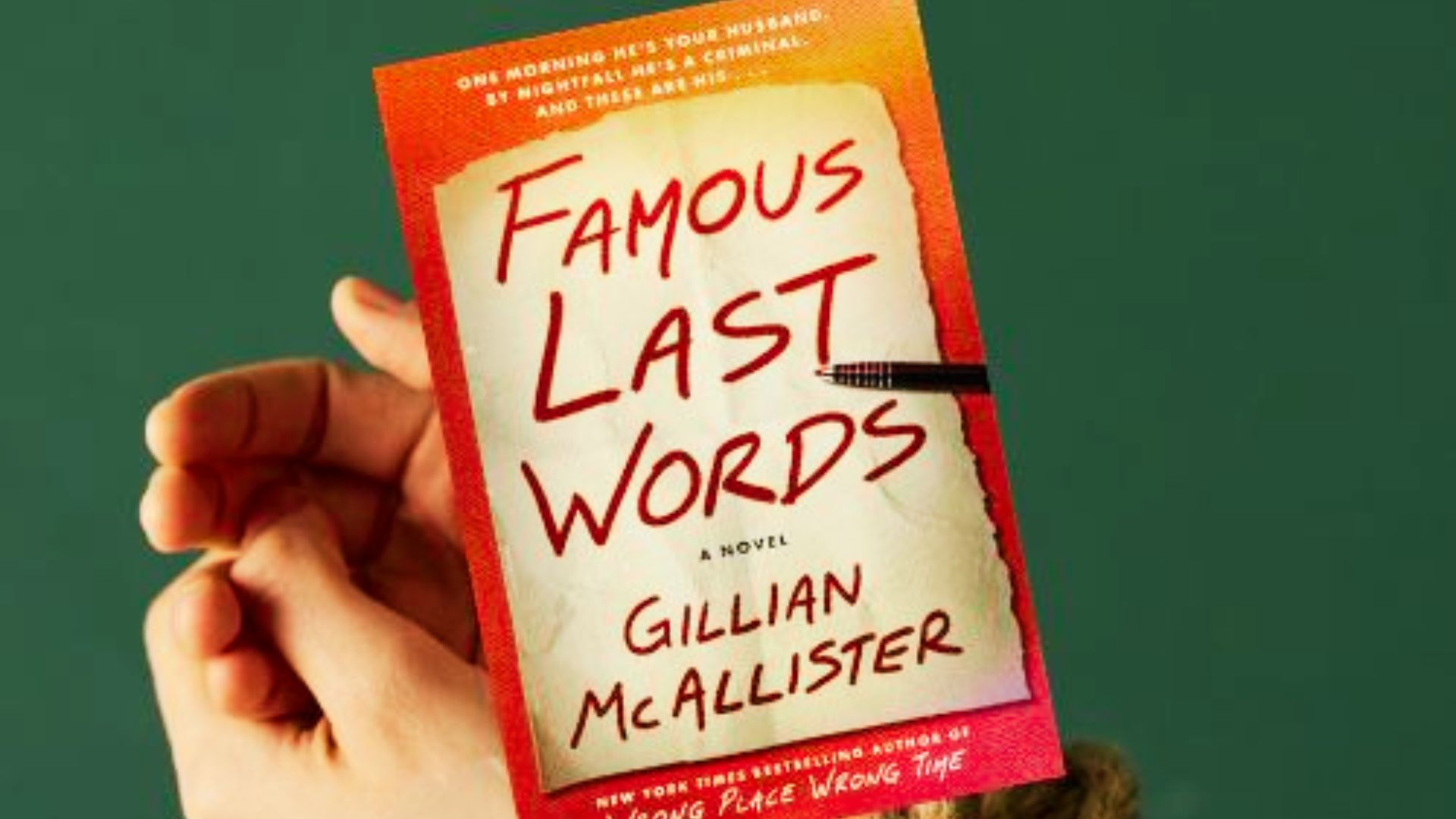
Famous Last Words is set during World War II. The novel follows Hugh Selwyn Mauberley, a fictional American writer who becomes entangled with real historical figures including Ezra Pound and the Duke and Duchess of Windsor.
After collaborating with fascist forces, Mauberley writes his account directly onto the walls of an Austrian Alps hotel room, where Allied soldiers later discover his body.
The story is uncovered and read by American officer Quinn and his commanding officer Freyberg.
What they find pulls them into a world of betrayal and moral collapse at the highest levels of power.
Findley blurs the line between fiction and documented history, using real names and events to ask deeply uncomfortable questions about complicity and silence.
Major Themes in Famous Last Words
Findley builds his story around themes that are intellectually demanding and morally urgent.
Fascism and the Corruption of Art
Mauberley is articulate, sensitive, and talented. His collaboration stems not from ignorance but from artistic cowardice. Findley refuses to let art off the hook, asking what it means when beauty becomes a tool for power.
Memory, Truth, and the Writing of History
The novel constantly probes how history is constructed and what gets erased. Mauberley writes knowing his account may be the only surviving record. The act of writing becomes both preservation and accusation.
Complicity and Moral Silence
Nearly every character chooses silence when speaking out might cost them something. Findley shows how complicity builds slowly, decision by decision, until turning back feels impossible.
The Price of Loyalty to Power
Mauberley gave his loyalty to power rather than principle, and that alignment consumed him. Findley asks how long such loyalty can remain innocent before it becomes unforgivable.
Character Analysis
Hugh Selwyn Mauberley
Mauberley is self-aware enough to recognize what he has done yet unwilling to fully accept the weight of it. His voice is brilliant and unreliable in equal measure, and that uncertainty is precisely the point.
Ezra Pound
Findley draws the real poet into his fiction carefully but without gentleness. Pound's documented fascist sympathies provide the backdrop for Mauberley's own choices and function as a historical weight pressing down on the entire story.
Quinn
Quinn serves as the reader's proxy. His growing horror as he reads Mauberley's account mirrors the experience of the novel's audience. He is a good man in a story full of compromised ones, and his presence gives the book its moral center.
The Duke and Duchess of Windsor
Findley presents them as figures whose vanity and political naivety made them useful tools for fascist ambitions. Their portrayal generated significant controversy and continues to spark debate about the line between historical fiction and direct accusation.
Writing Style and Narrative Voice
A Structure Built Around Unreliable Testimony
Quinn reading Mauberley's wall-written account creates constant tension between what is claimed and what can be verified. The act of reading feels morally charged throughout.
Historical and Fictional Voices in Conversation
Real figures speak alongside imagined ones. Real events share space with fabricated conspiracies. The result is disorienting in the best possible way, leaving the boundary between what happened and what might have happened genuinely uncertain.
Emotional Restraint in Service of Moral Weight
Findley operates at a careful intellectual distance. Horror accumulates through implication and structure rather than direct confrontation, which makes certain moments land with unexpected force.
Critical Reception
Famous Last Words was published in 1981 and quickly established itself as a major work of Canadian literature.
The novel won the Edgar Award and received widespread praise for its formal ambition and moral seriousness.
Some critics noted that its dense historical references can be demanding for readers unfamiliar with the period. For those willing to engage with it fully, the rewards are considerable.
Notable Reviews and Ratings
Goodreads: 3.9 out of 5 stars. Readers praise its ambition and moral intelligence while noting it demands active engagement rather than passive reading.
Amazon: 4.2 out of 5 stars. Reviewers highlight its formal originality, historical sweep, and Findley's control over difficult material.
Awards and Recognition: Famous Last Words won the Edgar Award for Best Novel and is considered one of the major works of Canadian postmodern fiction. It appears on numerous recommended reading lists and is widely taught in university literature courses.
What Reviewers Are Saying: Readers call it demanding, original, and unlike anything else in the genre. Many note it rewards rereading, with new layers becoming visible each time.
TV Adaptation of Famous Last Words
Famous Last Words was adapted into a television film in 1986, produced by the CBC.
The adaptation brought Findley's layered narrative to a wider Canadian audience and was praised for its fidelity to the novel's moral complexity.
Casting and production choices stayed close to the book's tone, preserving the unsettling atmosphere that made the source material so striking.
While it did not reach the global audience of the novel itself, the adaptation is considered a solid representation of Findley's work and remains of interest to fans of the book who want to see its world brought to screen.
My Personal Reading Experience
Famous Last Words got under my skin in ways I was not entirely prepared for. The structural setup pulls you in immediately.
Reading Quinn reading Mauberley's account creates a strange double experience where you are always aware that you are reading under extreme circumstances.
The historical figures moved me more than I expected. Findley does not turn them into cartoons. He makes them recognizable, and that recognition is the most unsettling thing about the book.
The ending does not offer resolution. It offers consequences, and you sit with those quietly long after the last page.
About the Author: Timothy Findley
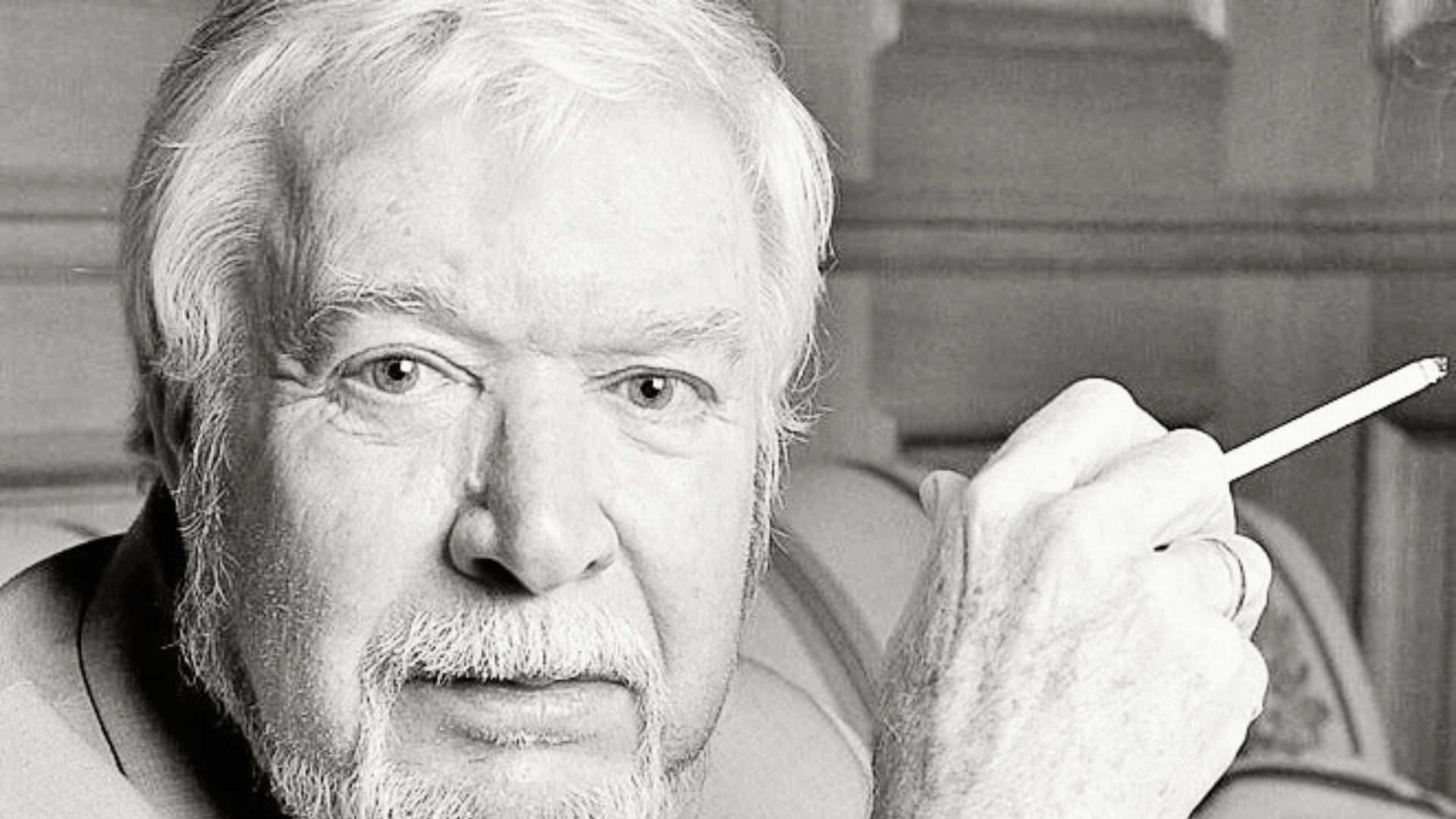
Timothy Findley was a Canadian novelist, playwright, and actor whose work engaged directly with questions of war, identity, and moral responsibility.
Born in Toronto in 1930, he began his career as an actor before turning to writing full time.
His novel The Wars established him as one of the most important voices in Canadian literature.
Famous Last Words extended that reputation into more formally adventurous territory. Findley passed away in 2002, leaving behind a body of work that continues to be read, taught, and debated.
Conclusion
I hope this Famous Last Words summary helped you decide. This is a novel that asks serious things of its readers and gives serious things in return. It is not the most comfortable reading experience, but the discomfort is entirely the point.
If you are looking for a book that uses fiction to probe the darkest corners of twentieth-century history while asking what art is truly for, this one will stay with you long after you have finished it.
Read it, then come back and tell me in the comments:did you find Mauberley's final account convincing, or did you read it as one last act of self-justification?
Frequently Asked Questions
Is Famous Last Words based on a true story?
It is a work of historical fiction. Findley drew on documented history but the central narrative involving Hugh Selwyn Mauberley is entirely fictional.
How long does it take to read Famous Last Words?
The novel is approximately 400 pages. Most readers finish it in seven to ten hours, though historical density may slow some readers down.
What age is appropriate for reading Famous Last Words?
Best suited for readers aged 18 and up due to mature themes including violence, political extremism, and moral complexity.
Did Famous Last Words win any literary awards?
Yes. It won the Edgar Award for Best Novel and is widely recognized as a major work of Canadian postmodern fiction.
Is there a sequel to Famous Last Words?
No sequel exists. Findley continued publishing throughout his career, but Famous Last Words stands entirely on its own.