


I picked up A Psalm for the Wild-Built not knowing what to expect. It’s short. It’s quiet. And somehow, it made me think harder than most 400-page books.
In this article, I break down the full plot summary, key themes, and character insights so you get a clear picture before or after reading.
I’ve read this book carefully, and I’ll walk you through everything that matters.
You’ll find a spoiler-free plot summary, character breakdowns, themes explained simply, and a clear answer to who should actually read this.
I have spent real time with this story, so you can trust what’s here. No fluff. Just the good stuff.
Quick Book Overview
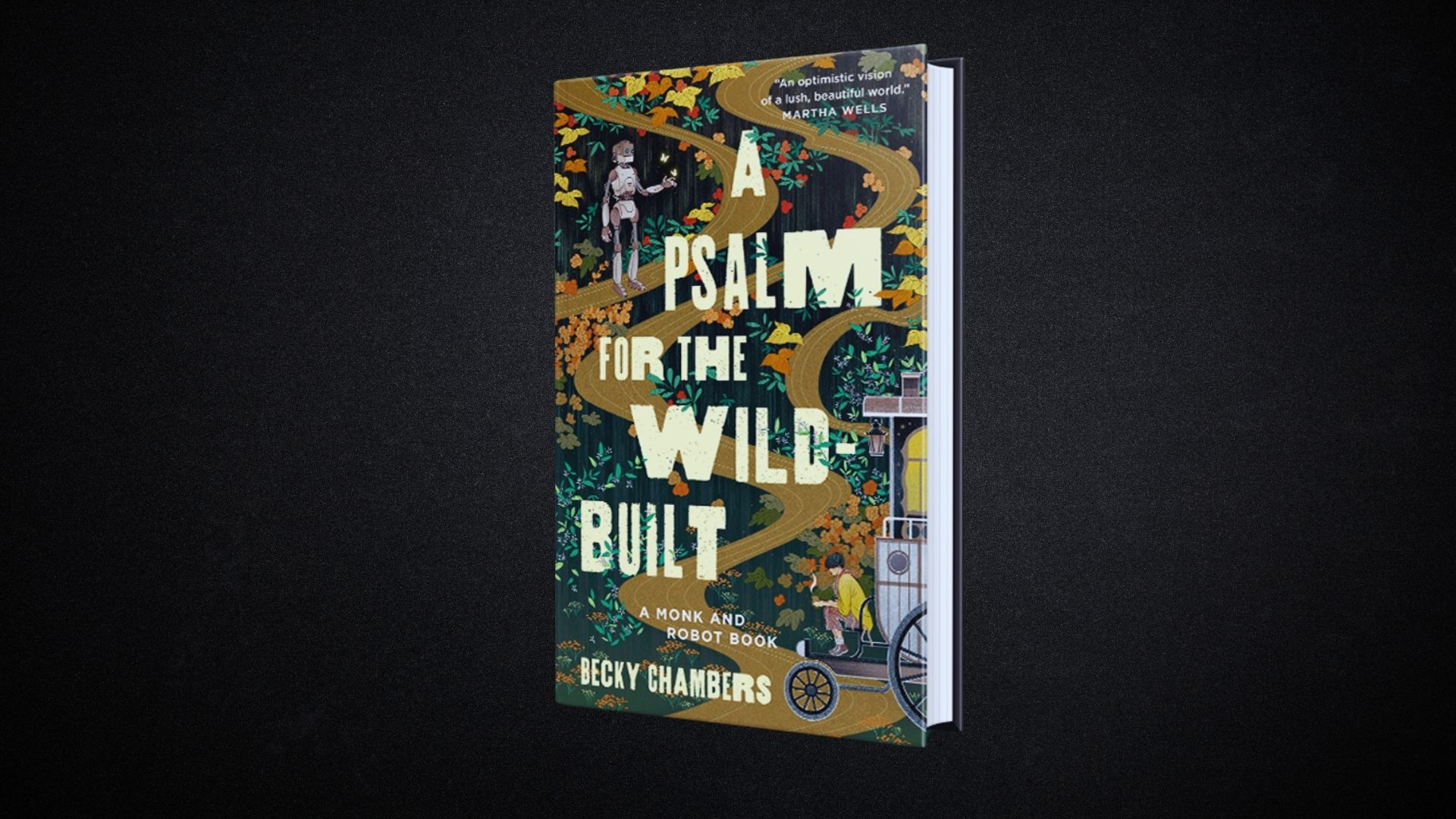
A Psalm for the Wild-Built is a 2021 novella by Becky Chambers, the first in her Monk and Robot series.
It falls into the cozy science fiction and philosophical fiction categories, two labels that rarely go together but fit perfectly here.
Chambers keeps the story small in scale but large in meaning. At around 160 pages, it’s a quick read that focuses more on conversation and feeling than action or plot twists.
It won the Hugo Award for Best Novella in 2022.
Spoiler-Free Plot Summary
The story follows Dex, a tea monk living in Panga, a world where humans and nature share space.
Robots gained consciousness long ago and walked away from society. Nobody has seen one since. Dex feels restless despite a good life and heads into the wilderness alone.
That’s when Mosscap, a robot, shows up with one question.
What do you need? What follows is a slow walk through the forest and honest conversations between two very different beings trying to figure out what makes a life meaningful.
Main Characters & Their Development
Two very different characters. One very big conversation.
Dex: The Tea Monk
Dex serves tea to people who need comfort. It’s a calm, purposeful job, but Dex still feels hollow inside. Life looks good on paper.
That gap between “fine” and “fulfilled” is something many readers will recognize. Through the walk with Mosscap, Dex starts asking better questions and represents modern burnout.
Mosscap: The Robot
Mosscap is the first robot to make contact with humans in generations. Its job is to ask what humans need and bring that answer back.
Curious, open, and deeply literal, it asks questions without judgment. Mosscap represents a mind unburdened by expectation, and that freedom is quietly uncomfortable to watch.
Key Themes Explained
These themes give the book its weight. Here’s what they mean and how they show up.
Purpose & Self-Discovery
Dex has everything and still feels lost. This theme sits at the center of the whole story. Chambers doesn’t give easy answers.
She asks whether purpose is something you find or something you build over time. The back-and-forth between Dex and Mosscap keeps circling back to this.
It’s uncomfortable in the best way.
Humanity & Technology
The robots left because they wanted to exist without being used. That’s a bold idea. Chambers uses this to ask what it means to be in a relationship with something you built.
Are robots tools or beings? The book leans hard toward the second answer without ever being preachy about it.
Nature & Environmental Balance
Panga is a world where humans stepped back so nature could breathe. Cities exist but wilderness is protected.
This isn’t just background detail. It shows that a different kind of future is possible, one where humans chose restraint. It’s hopeful without being naive.
Freedom From Societal Expectations
Both Dex and Mosscap are doing things they weren’t supposed to do. Dex left a stable life. Mosscap left the robot community.
The book treats that choice as brave rather than irresponsible. It pushes back gently on the idea that you must always have a reason, a plan, or a destination.
Writing Style & Tone
Becky Chambers writes the way a good friend explains something complicated: slowly, warmly, without showing off.
The sentences are short. The pacing is unhurried. There’s no dramatic tension in the traditional sense, and that’s entirely the point. She trusts the reader to stay engaged without needing explosions or plot twists.
The tone feels like sitting by a window on a rainy afternoon with a warm drink. It’s introspective without being heavy.
Readers who want fast-moving plots may struggle, but those who enjoy character-driven fiction will feel right at home with every page.
Goodreads & Amazon Reception
Here’s how readers across platforms responded to this book.
Goodreads: 4.0 out of 5 stars (based on 100,000+ ratings)
Amazon: 4.6 out of 5 stars
Common Criticisms: Some readers found the book too slow or felt it lacked a traditional plot. A few noted that the philosophical conversations felt repetitive after a while. Others wished the world-building went deeper.
Overall Audience Reaction: Most readers loved the calm, thoughtful tone. The book has developed a strong following among people who felt burned out or disconnected. Many say it felt like exactly what they needed at the right time.
Who Should Read This Book?
This book is for you if you’ve ever done everything right and still felt off. If you like short books with big ideas, this one delivers.
It works well for fans of slow, character-focused fiction and readers who don’t need action to stay interested.
It’s also a great fit if you’ve been thinking about purpose, rest, or what you actually want from life.
If you prefer fast plots and high stakes, this may not be the right pick. But if you want something that makes you think without overwhelming you, A Psalm for the Wild-Built is worth your afternoon.
About the Author

Becky Chambers is an American science fiction author best known for writing character-driven, optimistic stories.
She grew up in a household full of space enthusiasm, which shaped how she sees science fiction. Her Wayfarers series put her on the map, earning her a wide and loyal readership.
Chambers is known for writing fiction that centers kindness, community, and the quiet parts of life that other sci-fi tends to skip.
She has won multiple Hugo Awards and is often credited with helping shape what readers now call “cozy sci-fi.”
She lives in Northern California and continues to write books that feel more like exhales than escapes.
Conclusion
I’ll be honest. I wasn’t sure a 160-page book about a monk and a robot having conversations in a forest would hit me the way it did. But it did.
A Psalm for the Wild-Built reminded me that it’s okay not to have all the answers. Sometimes asking the right question is enough.
If you’ve been feeling a little lost lately, this book might be the quiet company you didn’t know you needed.
Have you read it? I’d love to know what you thought. Drop a comment below or share this with someone who needs a slower kind of story right now.
Frequently Asked Questions
What is A Psalm for the Wild-Built about?
It follows Dex, a tea monk who meets a robot named Mosscap in the wilderness. The two have long conversations about purpose, rest, and what humans actually need from life.
Is A Psalm for the Wild-Built a series?
Yes. It is the first book in the Monk and Robot series by Becky Chambers. The second book, A Prayer for the Crown-Shy, continues Dex and Mosscap’s story.
How long does it take to read A Psalm for the Wild-Built?
It’s around 160 pages long. Most readers finish it in two to three hours. It’s designed to be read in one or two sittings.
Is this book appropriate for all ages?
Yes. The content is gentle and thoughtful. There’s no graphic violence or mature content. Teens and adults alike can read and enjoy it comfortably.
Do you need to read other Becky Chambers books first?
No. A Psalm for the Wild-Built stands completely on its own. You don’t need any background knowledge of her other series to follow or enjoy this one.