


The Gifts of Imperfection sat on my shelf for months. I kept skipping it for something lighter, something easier.
Then one quiet Sunday I finally opened it. I did not put it down until I finished the last page.
If you are trying to decide whether this one deserves your time, you are in the right place. I cover the full summary, key themes, writing style, and my completely honest take after reading it.
No fluff. No filler. Just everything you need before you decide.
Quick Book Overview
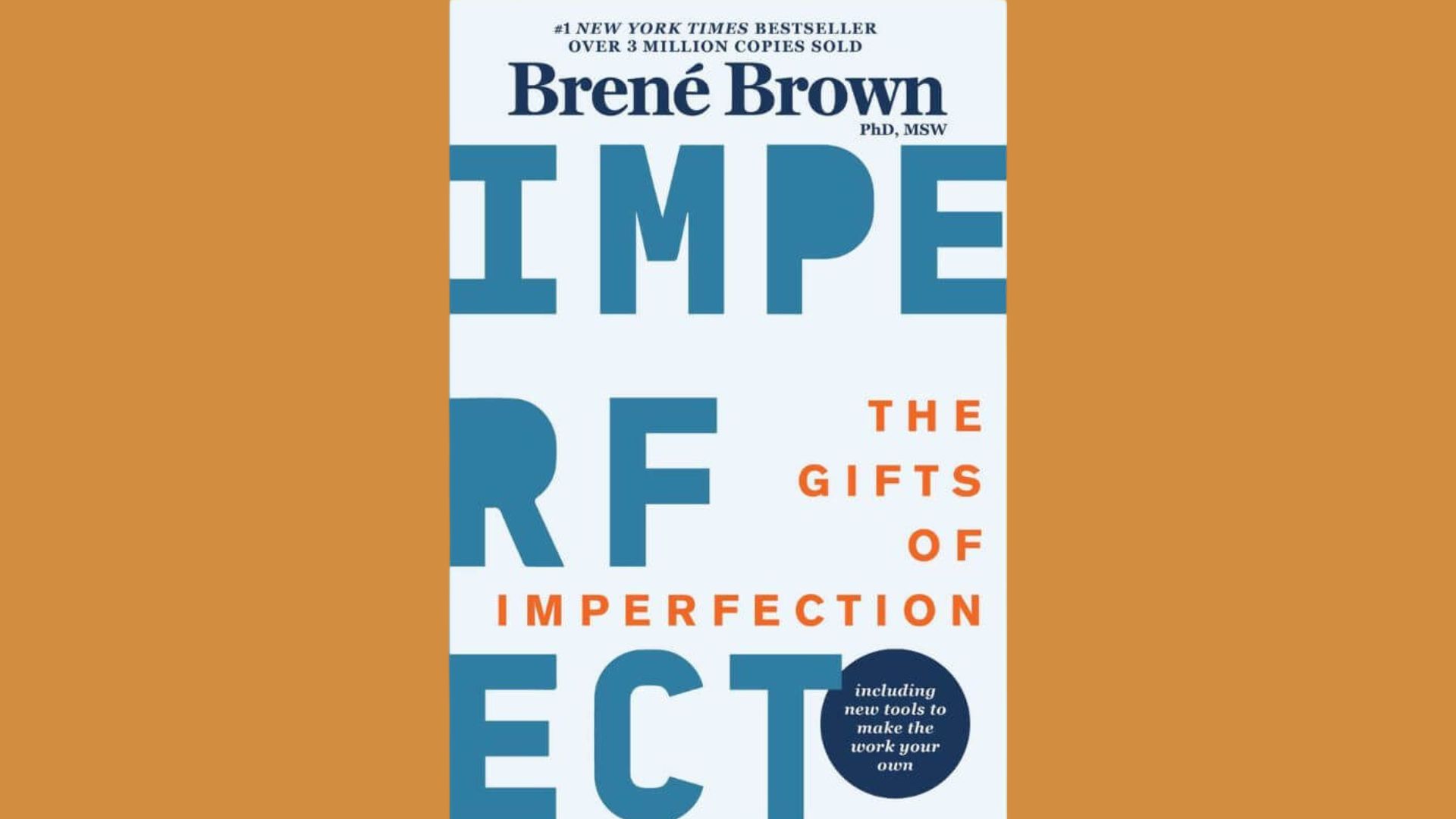
The Gifts of Imperfection is a self-help book by Brené Brown, published in 2010. It centers on shame, vulnerability, and what Brown calls wholehearted living.
The core idea is simple: stop chasing perfection and start accepting who you already are.
Brown mixes her own research with personal stories and honest reflections to make her point. It does not rely on complex systems or step-by-step frameworks.
It is warm, conversational, and built around mindset shifts that feel practical even when they are hard to act on.
The Gifts of Imperfection Summary (Spoiler-Free)
The whole book comes down to one idea: you are already enough. Brown looks at how shame quietly shapes the way we live, keeping us stuck in fear, comparison, and the need to appear perfect.
She builds the case for wholehearted living, which means showing up as your real self even when that feels uncomfortable or risky.
The book walks through the mindsets and habits that pull us away from fear and toward genuine self-acceptance.
It reads less like a how-to guide and more like a set of honest reminders you did not know you needed.
Major Themes
Brown builds this book around ideas that sound simple on the surface but hit harder the more you sit with them.
Shame and Worthiness
Shame is the fear of being unlovable. Brown makes a clear and important distinction most of us overlook. Guilt says I did something bad. Shame says I am bad. That difference matters.
Most of us carry shame quietly, and it shapes far more of our decisions than we realize. Brown argues that naming it is the first step to loosening its grip.
Authenticity and Belonging
There is a real difference between fitting in and belonging. Fitting in means changing who you are to match what others expect. Belonging means being accepted as you actually are.
Brown shows how often we give up one for the other without even noticing. That trade costs more than we think.
Vulnerability as Strength
Most of us treat vulnerability as something to avoid. Brown flips that. She argues that vulnerability sits at the core of connection, courage, and creativity.
Avoiding it does not protect us. It just keeps us from the things that matter most.
Letting Go of Perfectionism
Perfectionism is not the same as wanting to do good work. Brown frames it as a defense against shame, a way of trying to earn worth through performance. The problem is it never works. The bar keeps moving and the fear stays the same.
Self-Compassion and Acceptance
The shift Brown pushes hardest is this: treat yourself with the same kindness you would offer a friend.
Harsh self-criticism does not drive growth. It drives more shame. Self-compassion is what actually creates space for change.
Main Characters
The Gifts of Imperfection is not a novel, so there are no fictional characters. Here is who actually shapes the book.
Brené Brown
The author and central voice. She shares her own struggles with shame and perfectionism alongside her research.
You are not reading advice from someone perfect. You are reading from someone who has lived it.
The Reader
That is you. Brown writes directly to the person holding the book. She assumes you have felt not enough at some point.
The book only works if you are willing to see yourself in it. That honesty is what makes it hit differently.
The Research Participants
Real people Brown interviewed over years about shame and worthiness. She never names them, but their honest experiences quietly shape every insight
she shares throughout the book. Without them, the research would just be theory.
Writing Style and Structure
Brown writes the way she talks, warm, personal, and easy to follow. She mixes research findings with stories from her own life, which keeps the book grounded rather than abstract.
The tone never feels clinical. It is more like a conversation than a lecture. Some sections do feel repetitive, and the ideas are not always pushed as deep as they could go.
But the clarity of the writing makes up for a lot. It is reflective and gentle rather than instructional, which works well for the subject matter.
Why Readers Love It
The message is simple, but it lands in a way that stays with you long after you finish.
Strengths
The book is easy to read and easy to relate to. Brown writes with a warmth that makes the ideas feel personal rather than generic.
The message about self-worth is clear and genuinely impactful for readers who struggle with people-pleasing or perfectionism.
It works well as a starting point for anyone new to self-help reading.
Criticism and Limitations
Some sections repeat the same ideas in slightly different ways without adding much new ground.
The book leans more inspirational than practical, so readers looking for specific steps or tools may feel a little lost.
The concepts are meaningful but occasionally stay at the surface level rather than going deeper.
Goodreads and Amazon Ratings
Readers respond to this one with genuine warmth across both platforms.
Goodreads: 4 out of 5 stars. Readers consistently praise the message and Brown’s personal, honest tone. A smaller group finds it too repetitive or too light on practical guidance.
Amazon: 4.7 out of 5 stars. Readers call it relatable, easy to read, and emotionally resonant. Many mention returning to it more than once.
One thing is clear across both platforms. The ideas are simple, but they stick.
My Personal Opinion After Reading
This is not a book you read for strategies. You read it for reminders. Some parts did feel repetitive, and I wanted Brown to go deeper in places.
But the core message, that you are already enough, sounds obvious until you realize how rarely you actually believe it. It does what it sets out to do.
Who Should Read This Book:
This book works best for a specific kind of reader.
- You struggle with perfectionism, self-doubt, or the need for approval
- You want a clear and simple introduction to self-help thinking
- You prefer mindset shifts over detailed step-by-step frameworks
- You enjoy books that feel personal and reflective rather than clinical
- You are looking for something easy to read but genuinely meaningful
If that sounds like you, this book is worth your time.
About the Author

Brené Brown is an American researcher, speaker, and author whose work sits at the intersection of shame, vulnerability, courage, and human connection.
She spent years studying what makes people feel worthy and what holds them back, and her findings have reached millions of readers around the world.
Her TED Talk on vulnerability became one of the most watched talks in TED history, which brought her work to a global audience.
The Gifts of Imperfection was one of her early books and remains one of her most widely read.
Brown teaches at the University of Houston and continues to write, speak, and research on themes of authenticity and belonging.
Conclusion
I picked up The Gifts of Imperfection looking for a good self-help read. What I got was something quieter and more personal than I expected.
The idea that you are already enough sounds simple. But sitting with it is harder than it looks.
If this post helped you decide, share it with someone who needs that reminder right now.
Already read it? Drop your thoughts in the comments below. Which part hit hardest for you? I genuinely want to know.
Frequently Asked Questions
Is The Gifts of Imperfection a self-help book?
Yes, it is a self-help book focused on shame, vulnerability, and self-acceptance.
Is this book based on research?
Yes, Brown draws on years of qualitative research alongside her personal experiences.
How long does it take to read?
Most readers finish it in 4 to 6 hours. It is an easy, flowing read.
Is this book good for beginners in self-help?
Yes, it is one of the best starting points for anyone new to the genre.
Does the book offer practical steps or just ideas?
It leans more reflective than instructional. You will find mindset shifts rather than detailed action plans.