

I picked up The Four Agreements during one of the hardest stretches of my life. I didn’t trust myself.
I overthought everything. Sound familiar? This guide gives you a full summary of The Four Agreements, what it says, what it means, and how to use it.
I’ll break down each agreement in plain language with no fluff and no confusion. I’ve read this book more than once and I still come back to it.
Inside, you’ll find a spoiler-free overview, all four agreements explained, reviews, and who should actually read this.
Let’s get into it.
Quick Book Overview
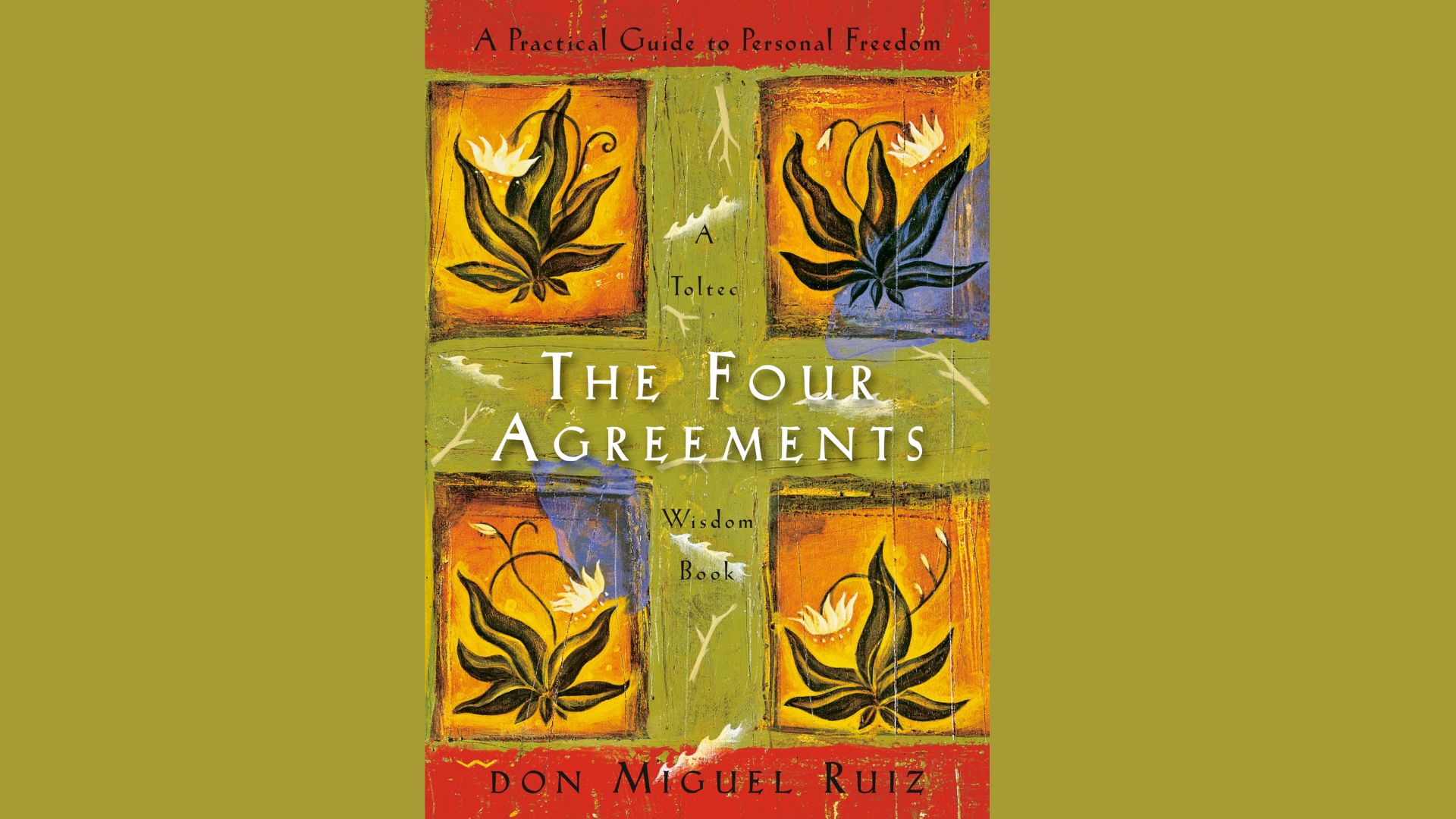
The Four Agreements was written by Don Miguel Ruiz and published in 1997. It’s a short book, under 200 pages, but it carries a lot of weight.
Ruiz draws from ancient Toltec wisdom, a tradition passed down through generations in Mexico. He takes those teachings and puts them into four simple rules for life.
The book asks one core question: Why do we suffer? His answer is that we live by agreements we never chose, rules about who we are and how the world works.
Most of them were set before we could think for ourselves.This book shows you how to replace them.
The Four Agreements Summary (Spoiler-Free)
From childhood, people around you shaped your beliefs, your parents, teachers, society. You agreed to those beliefs without realizing it. Over time, those agreements became your identity.
But most of them don’t serve you. They create guilt, fear, and self-doubt.
Don Miguel Ruiz offers four new agreements. These are not complicated rules. They’re simple shifts in how you think and act.
I won’t give everything away here, but I’ll say this: the second agreement alone changed how I handled criticism for years.
The Four Agreements: Explained
Four simple rules that can quietly change how you see yourself and everyone around you.
1. Be Impeccable With Your Word
This agreement is about speaking with honesty and care, toward others and toward yourself. Ruiz says your word is like a seed.
Plant good ones, and good things grow. Use words to gossip, lie, or put yourself down, and you’ll see the damage it causes over time.
I used to talk badly about myself constantly. “I’m so stupid.” “I always mess up.” This agreement made me stop and notice how often I did that.
It’s not just about lying to others. It starts with what you say to yourself every single day.
2. Don’t Take Anything Personally
When someone criticizes you, insults you, or praises you, that reaction comes from their own world.
Their fears, their past, their mood. You are just the person standing in front of them at that moment.
This one hit me hard. I used to let one rude comment ruin my whole day. Ruiz explains that when you take things personally, you give others too much control over how you feel.
Once I understood this, I stopped carrying other people’s opinions like they were facts.
3. Don’t Make Assumptions
We assume we know what someone meant. We assume we know what they’re feeling. And then we react to that assumption, not to reality.
Ruiz says the fix is simple: ask. Communicate. Speak clearly and ask for clarity in return.
I’ve saved myself from so many unnecessary arguments just by asking one honest question instead of assuming the worst. It feels awkward at first.
But the peace that follows is worth it every time.
4. Always Do Your Best
This agreement ties the other three together. When you do your best, you can’t punish yourself for the outcome.
Ruiz is clear that “your best” is not a fixed standard. On a good day, your best is high. On a sick or tired day, it’s lower. Both count.
I used to hold myself to one impossible standard no matter what. This agreement gave me permission to show up honestly rather than perfectly.
It replaced guilt with effort, and that changed a lot for me.
Reviews & Practical Analysis
Readers and critics agree: this book earns its reputation. Over 12 million copies have been sold in the United States alone, and it has been printed in 52 languages.
Deepak Chopra, Wayne Dyer, and Oprah Winfrey have all praised it publicly. Readers highlight its clarity, simplicity, and how quickly the ideas can be applied in real life.
Many report a noticeable shift in their mindset after applying even one agreement. The writing is calm, direct, and never preachy.
That combination is rare in self-help, and it is a big reason this book has lasted as long as it has.
Why Readers Love It
Readers love it because it is simple, honest, and actually works in real life.
Strengths
The biggest strength is clarity. Each agreement is short and grounded. No complicated theories. No jargon. Just four ideas you can carry with you.
Readers who have struggled with overthinking or low self-worth say this book gave them a starting point that actually felt manageable and real.
Criticism and Limitations
The book is intentionally brief, and some readers want more. A few wish Ruiz had included more stories or real-life examples.
Others feel the spiritual background isn’t fully explained. If you’re looking for deep narrative or research-backed psychology, this book may feel too short for your taste.
Goodreads & Amazon Ratings
Here’s what readers across platforms are saying:
Goodreads Rating: 4.17 out of 5 stars based on over 500,000 ratings. Readers consistently praise its readability and lasting impact.
Many say they re-read it annually because each read brings something new.
Amazon Reviews:4.7 out of 5 stars with tens of thousands of verified reviews. Readers love its clarity, and many have gifted copies to family members.
That alone says everything about how much it resonates.
My Personal Opinion After Reading This Book
I was skeptical at first. Self-help books can feel repetitive and vague. But this one stayed with me. The second agreement hit me hardest.
I spent years letting other people’s words define my worth. The core ideas are solid, simple, and they genuinely work if you apply them daily.
Who Should Read This Book:
This book is for a lot of people, but not everyone.
- Anyone who struggles with self-doubt or negative self-talk on a daily basis
- People who feel hurt or drained by what others say or think about them
- Those who want to improve how they communicate in relationships or at work
- Readers looking for a short, clear book they can finish in one or two sittings
- Anyone feeling stuck in old patterns and ready to think about things differently
If you fall into even one of these groups, this book is worth your time.
About the Author
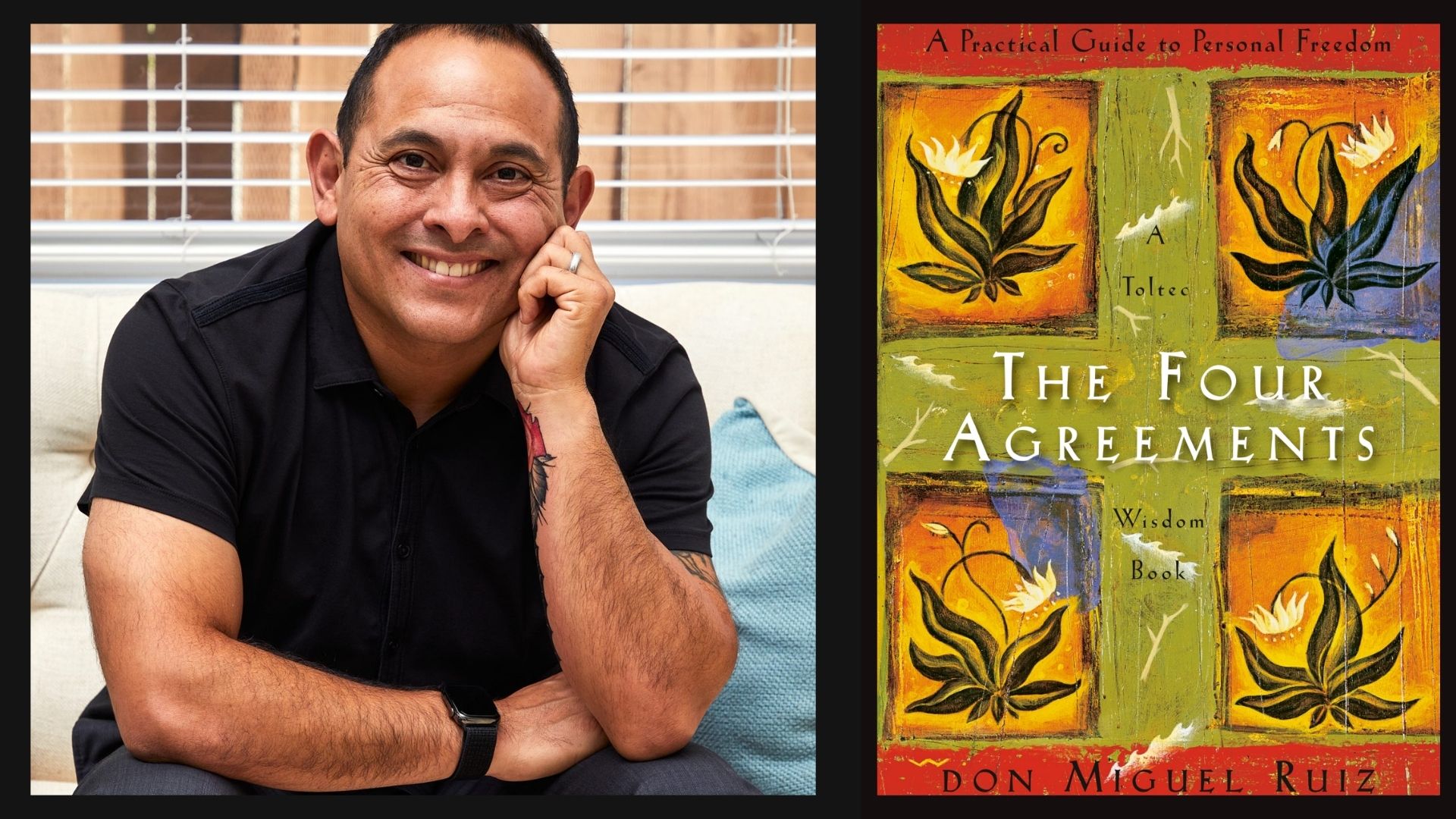
Don Miguel Ruiz was born in rural Mexico into a family of healers and spiritual teachers.
His mother was a healer, and his grandfather was a shaman. He trained as a surgeon and practiced medicine for years before a near-death experience changed the direction of his life.
He turned back to the Toltec traditions of his ancestors and began studying their teachings in depth.
He has since written several books, including The Mastery of Love and The Fifth Agreement.
He is best known for The Four Agreements, which has sold over 12 million copies in the United States alone and has been printed in 52 languages across the world.
Conclusion
You don’t have to keep living by rules you never chose.
I started with the second agreement. I stopped taking comments personally, and my stress dropped.
My relationships got better. Small shifts, done consistently, add up to something real.
Pick one agreement. Try it this week. See what happens.
If this helped you, leave a comment below and tell me which agreement hit home. Share it with someone who needs it too.
Frequently Asked Questions
What are The Four Agreements about?
It’s a guide with four simple rules for living with more honesty, peace, and self-awareness.
How long does it take to read The Four Agreements?
Most readers finish it in two to four hours.
Is The Four Agreements a religious book?
No, it draws from Toltec traditions but is not tied to any religion.
Which of the four agreements is the most important?
Ruiz points to the first: be impeccable with your word.
Can The Four Agreements actually change your life?
Yes, but only if you apply the ideas consistently in daily life.