


A young girl in a classroom,focused on writing with a yellow pencil. Open books lie on the desk, creating a studious atmosphere.
I remember sitting with my daughter as she tried to write her first words. She would say a word out loud, pause, and then look completely lost.
That moment made me realize how much work goes into writing a single word.If your child struggles to spell or write, encoding might be the missing piece.
So, what is encoding in reading? In this article, I will explain exactly that.
I will cover how it works, why it matters, common challenges children face, and practical ways to help.
You will leave with clear, simple answers you can use right away.
What Does Encoding Mean in Reading?
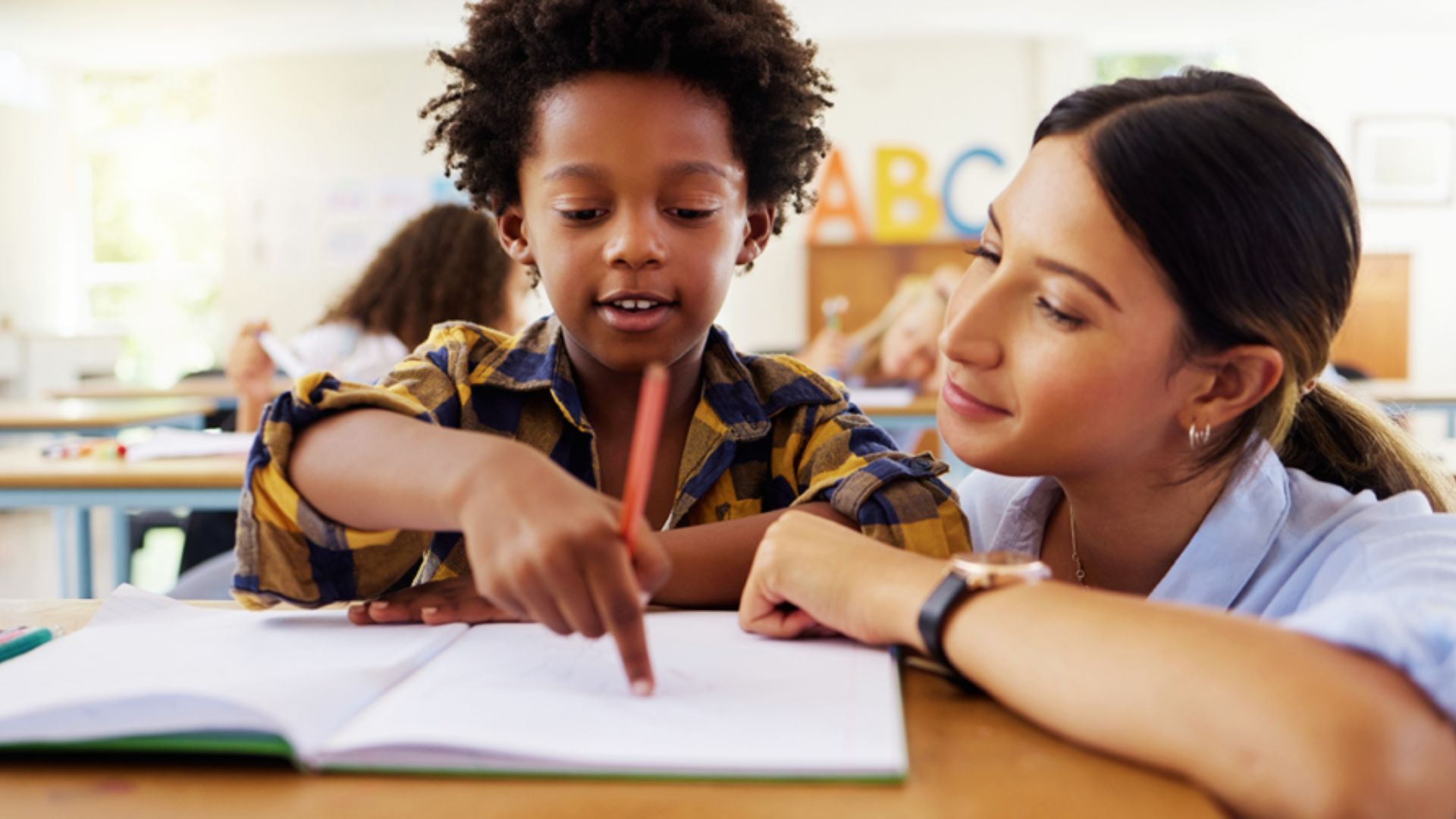
Encoding in reading is the process of turning spoken sounds into written letters.
When a child hears a word, they break it into individual sounds and then match each sound to a letter or group of letters.
This skill is the foundation of spelling and writing. It works alongside decoding, which is reading printed words.
Together, they build strong literacy. Without encoding, children cannot write what they think or say. It is a skill that grows with practice and the right support at every stage.
How Encoding Works
Understanding how encoding works helps you support your child or student at the right level.
Phonemes and Graphemes
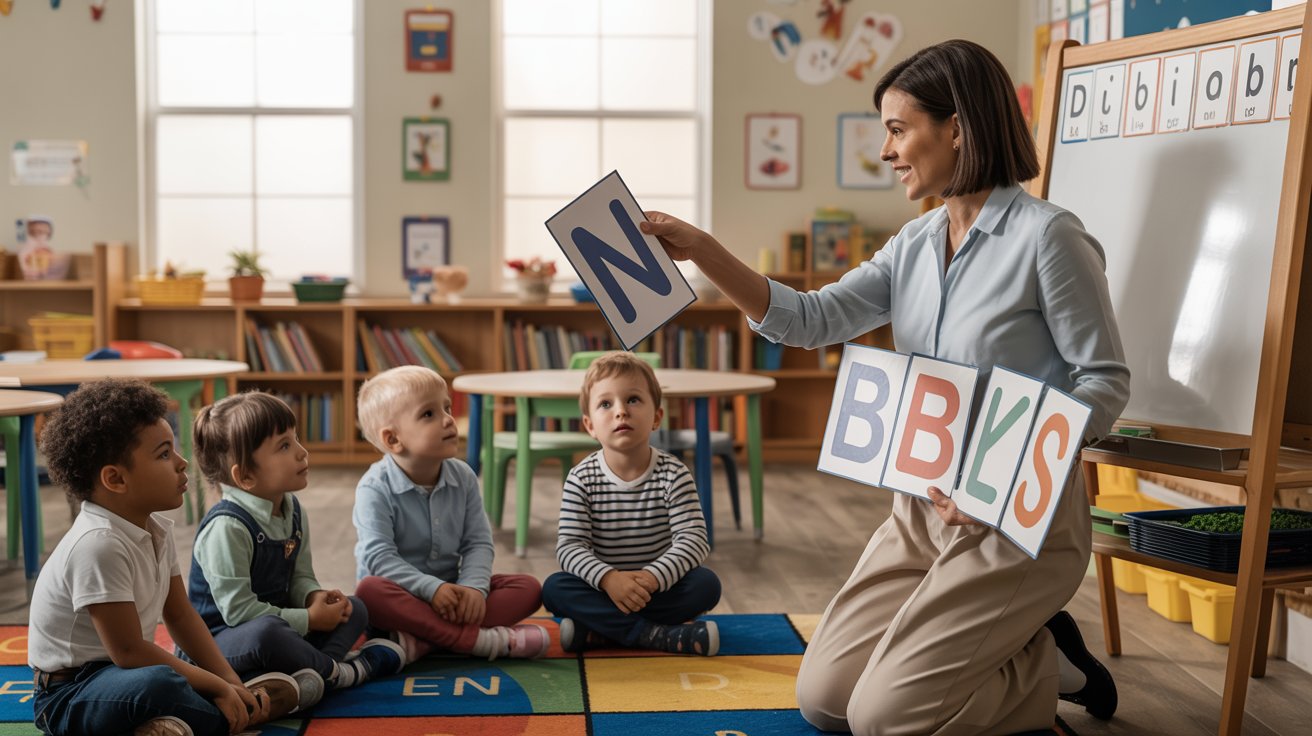
A phoneme is the smallest unit of sound in a word. For example, the word “cat” has three phonemes: /k/, /a/, /t/.
A grapheme is the written letter or group of letters that represents that sound. The letter “c” is a grapheme for /k/.
Some graphemes use two letters, like “sh” or “ch.” When a child encodes a word, they connect phonemes to graphemes. This is the core of how written language works, and it takes time to learn well.
Role of Phonemic Awareness
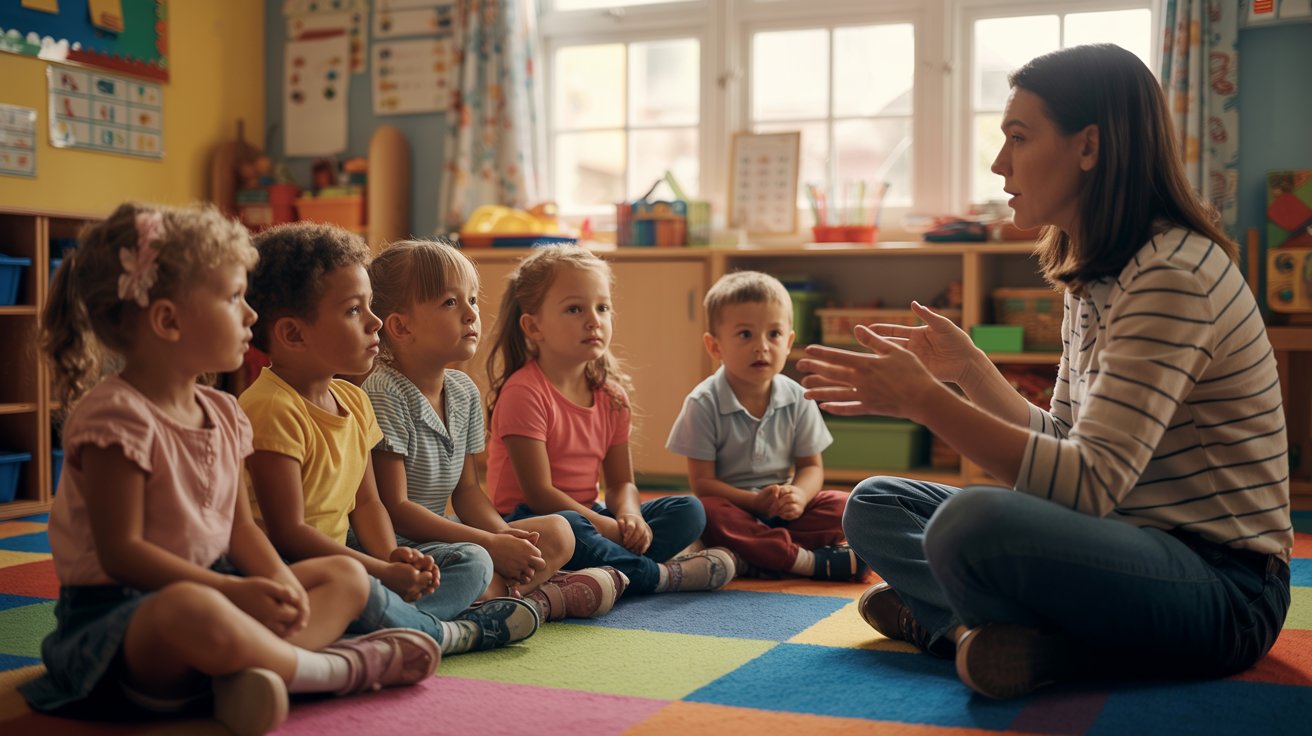
Phonemic awareness is the ability to hear and work with individual sounds in spoken words. Before a child can write, they must hear the sounds inside a word.
For example, to spell “ship,” a child first hears /sh/, /i/, /p/. They then segment those sounds apart. This skill is separate from reading print.
It is purely about sound. Strong phonemic awareness makes encoding much easier. Children with weak phonemic awareness often struggle to spell, even if they know letter names.
Sound-to-Letter Mapping
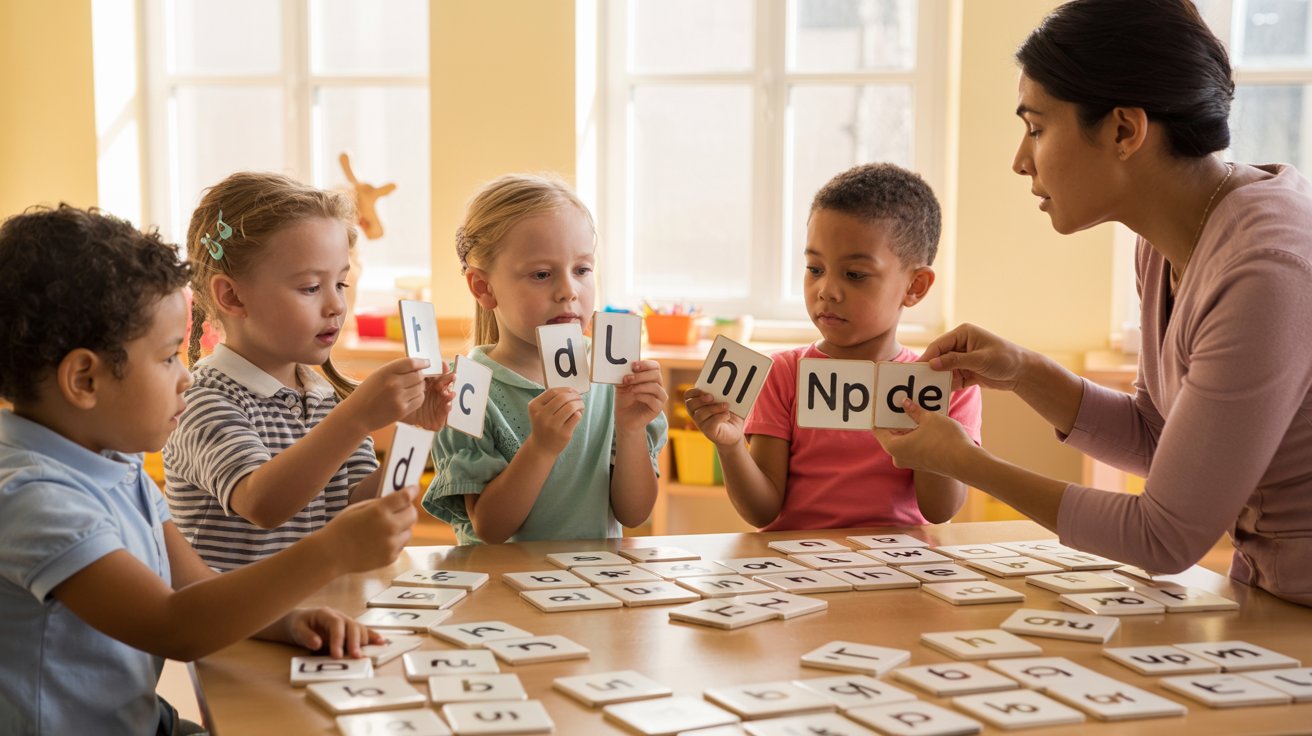
Once a child can hear individual sounds, they learn to match each sound to a letter. This is called sound-to-letter mapping.
It relies on phonics knowledge, which is learning which letters or letter groups make which sounds. For example, the /f/ sound can be spelled as “f,” “ff,” or “ph.”
Children practice these patterns through reading and writing. Over time, mapping becomes faster and more automatic. This is how spelling becomes second nature rather than a guessing game.
Importance of Encoding in Reading
Encoding is not just about spelling. It supports every part of a child’s literacy growth.
Builds Stronger Reading Skills
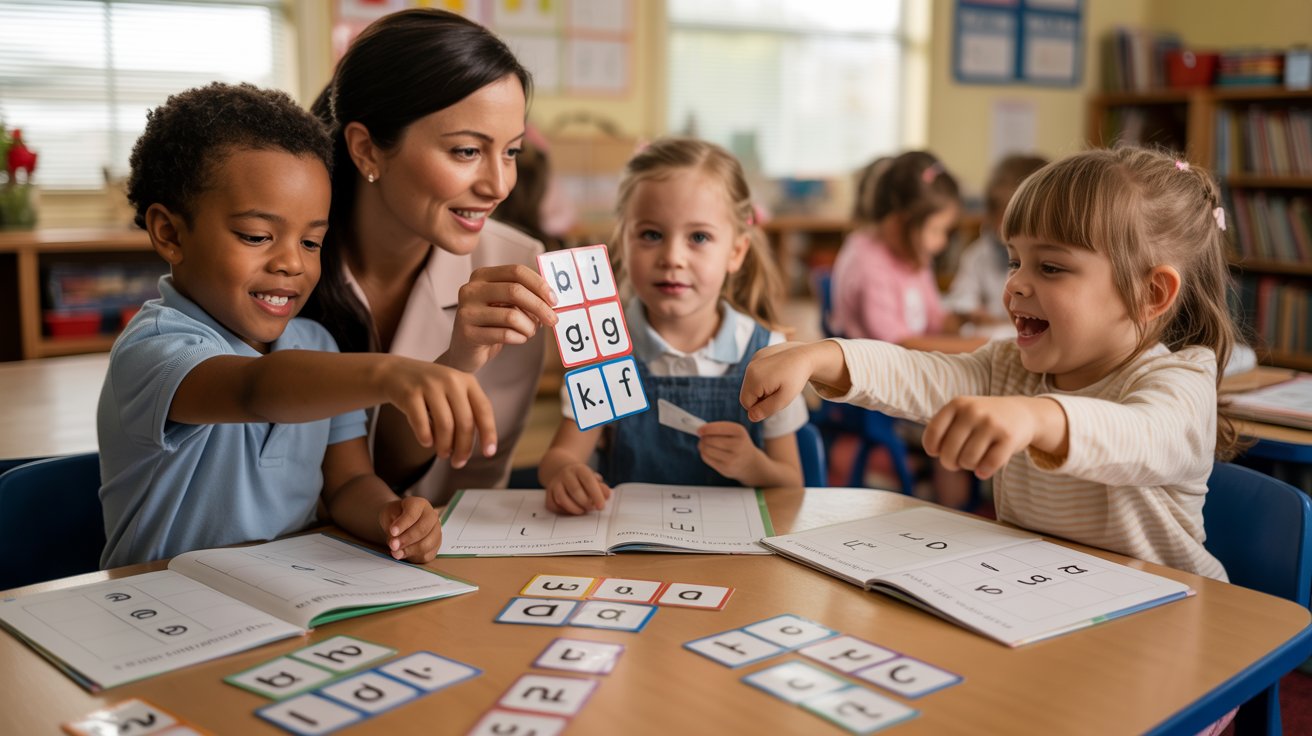
Encoding and reading go hand in hand. When children practice matching sounds to letters, they also get better at reading those same patterns.
They start to recognize letter combinations faster. This means fewer pauses while reading. The more a child encodes words, the more fluent their reading becomes.
Phonics knowledge grows from both directions. Writing helps reading, and reading helps writing. Encoding gives children a deeper understanding of how words are built from sounds and letters.
Improves Spelling Ability
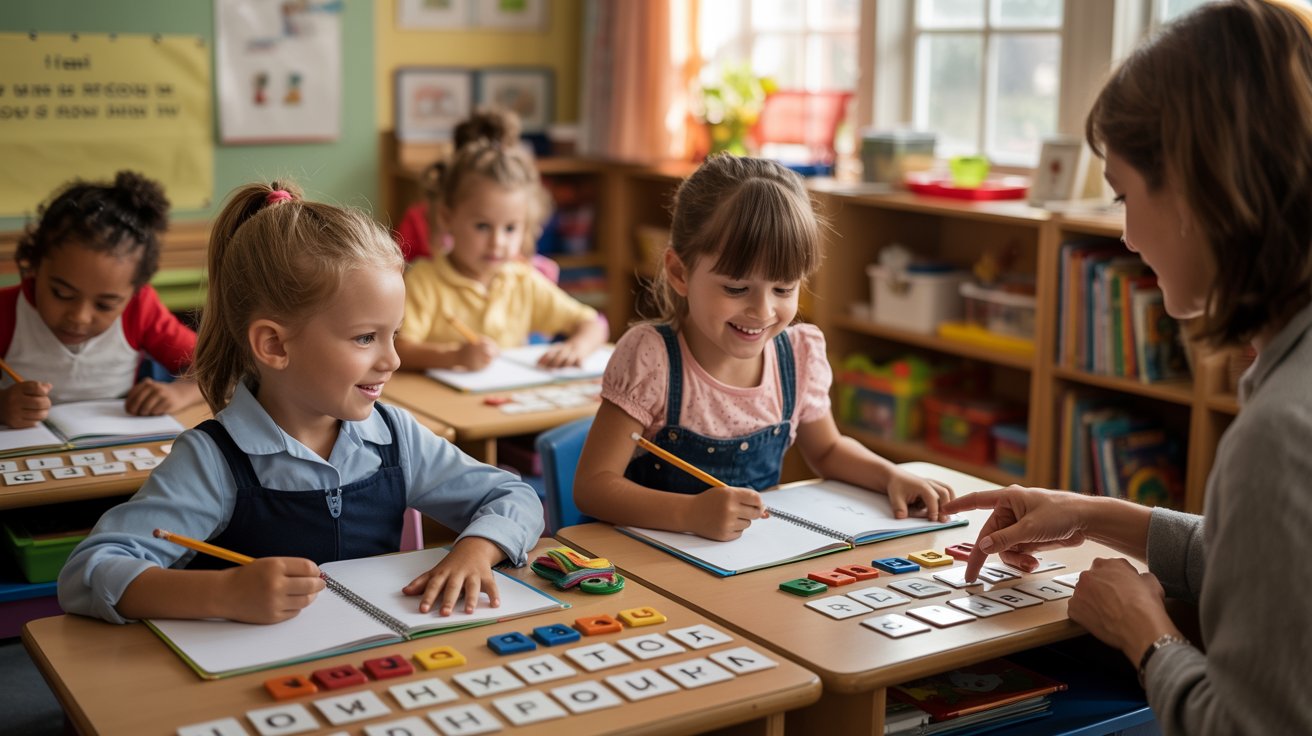
Spelling is not memorization alone. It is built on understanding sound patterns. When children encode regularly, they learn how spoken words connect to written ones.
They stop guessing and start applying rules. For example, a child who knows the /ay/ sound can be spelled “ai” or “ay” will make better spelling choices.
Over time, this pattern of knowledge stacks up. Spelling becomes more consistent. Children feel less frustrated because they have real tools to figure out how to write new words on their own.
Supports Writing Development

Writing is hard when you cannot spell words on your own. Encoding builds the independence children need to put their thoughts on paper.
When they can figure out spellings themselves, they write more freely. They stop waiting for help with every word. Their sentences get longer. Their ideas flow better.
Encoding also reduces the mental load of writing. When spelling takes less effort, children can focus more on what they want to say. That leads to stronger writing overall, even at a young age.
Strengthens Phonemic Awareness
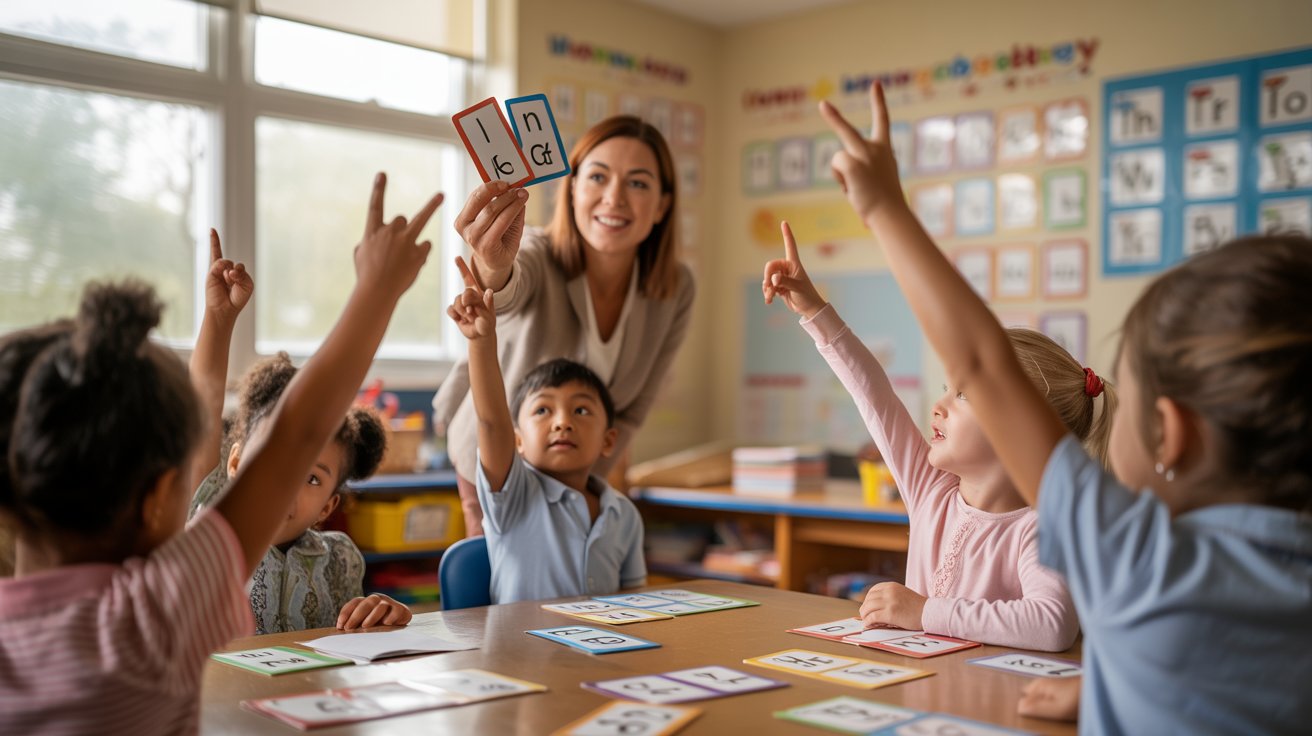
Encoding is one of the best ways to build phonemic awareness over time. Every time a child breaks a word into sounds and maps those sounds to letters, they are practicing hearing language at a deeper level.
This makes them sharper listeners and stronger readers. They learn to notice sounds they might have missed before, like the difference between “bit” and “bid.”
Strong phonemic awareness also helps with rhyming, word families, and reading fluency. It is a skill that keeps growing the more a child writes.
Helps Store Words in Long-Term Memory
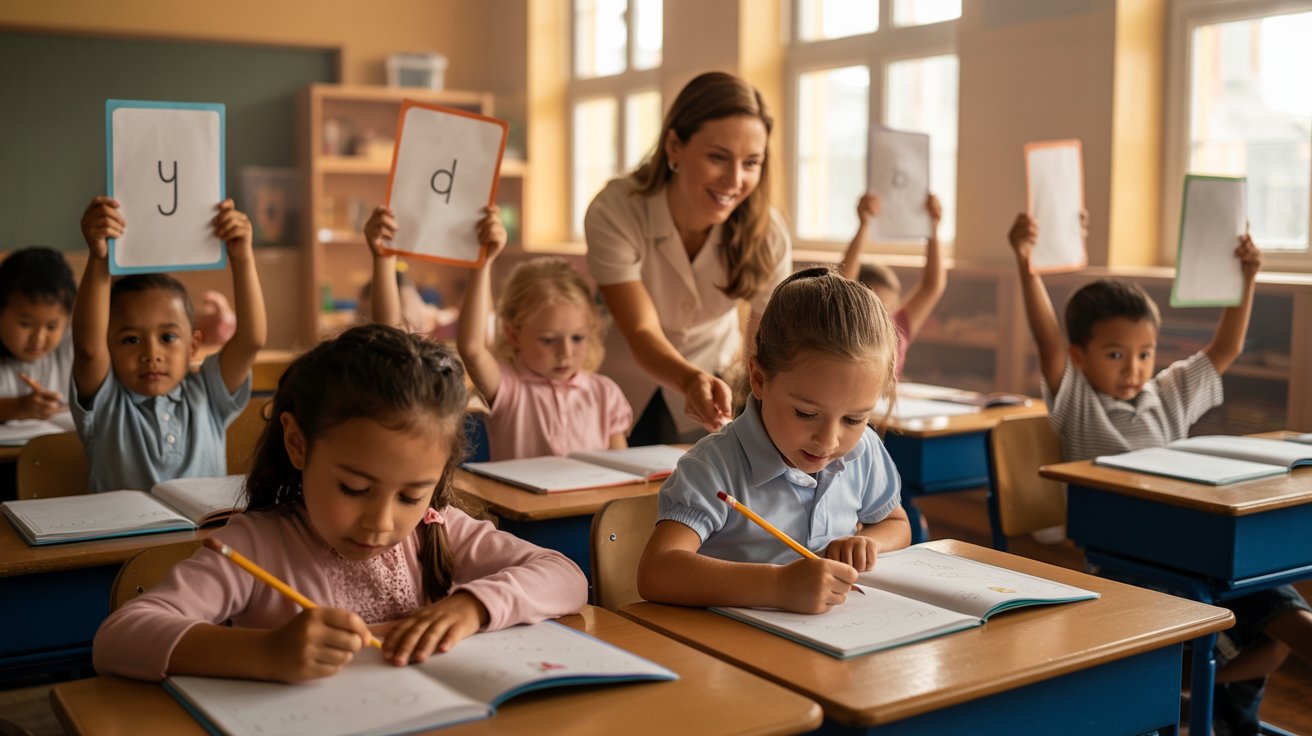
When children repeatedly connect sounds to letters, those words get stored in memory. They stop sounding out the same words every time. Instead, they recognize them quickly.
This is called orthographic mapping. It is how children build a reading vocabulary. Encoding supports this process because it forces active engagement with every part of a word.
Passive reading alone does not do the same thing. Writing a word out, sound by sound, makes the memory stick. Over time, children read faster and with much greater confidence.
Why Encoding Is Important in Reading

Encoding plays a big role in how children learn to read, spell, and write. When children practice turning sounds into letters, they get better at recognizing words while reading.
It reinforces phonics learning and makes decoding faster and easier. Spelling also improves because children learn to apply sound patterns to words they have never seen before. \
This builds real confidence in writing. Encoding also connects reading, speaking, and writing in a way that supports early literacy from the ground up.
Over time, repeated practice helps children store words in long-term memory, making them stronger, more fluent readers.
Common Challenges With Encoding
Encoding can be tricky, even for bright, hard-working kids.
- Difficulty hearing individual sounds: Some children cannot break words into sounds, so they do not know what to write.
- Confusion with silent letters: Words like “knight” do not follow regular rules, which makes spelling harder.
- Wrong letter choices: A child may hear the right sound but pick the wrong letter to represent it.
- Weak phonemic awareness: Without strong sound skills, accurate encoding is very hard.
- Spelling unfamiliar words: New words require pattern knowledge that may not be solid yet.
With the right support, most children can work through these challenges over time.
Conclusion
I have seen kids stare at a blank page with no idea where to begin. Encoding changed that. It gave them a starting point, and it can do the same for your child.
Start with sounds. Everything else follows.
If this article helped you, I would love to hear from you. Drop a comment below and share your experience.
Know a parent or teacher who needs this? Share this post with them today.
Frequently Asked Questions
What is encoding in simple terms?
Encoding is the process of converting spoken sounds into written letters to spell and write words.
How is encoding different from decoding?
Decoding is reading printed words aloud, while encoding is writing spoken words down using letters.
At what age do children start encoding?
Most children begin learning basic encoding skills between ages 4 and 6, as they start phonics instruction.
Can poor encoding affect reading ability?
Yes, weak encoding skills often lead to slower reading because children have less understanding of sound-letter patterns.
How can I help a child improve encoding at home?
Practice simple sound-spelling activities, use letter tiles, and read aloud together to build phonemic awareness daily.


