

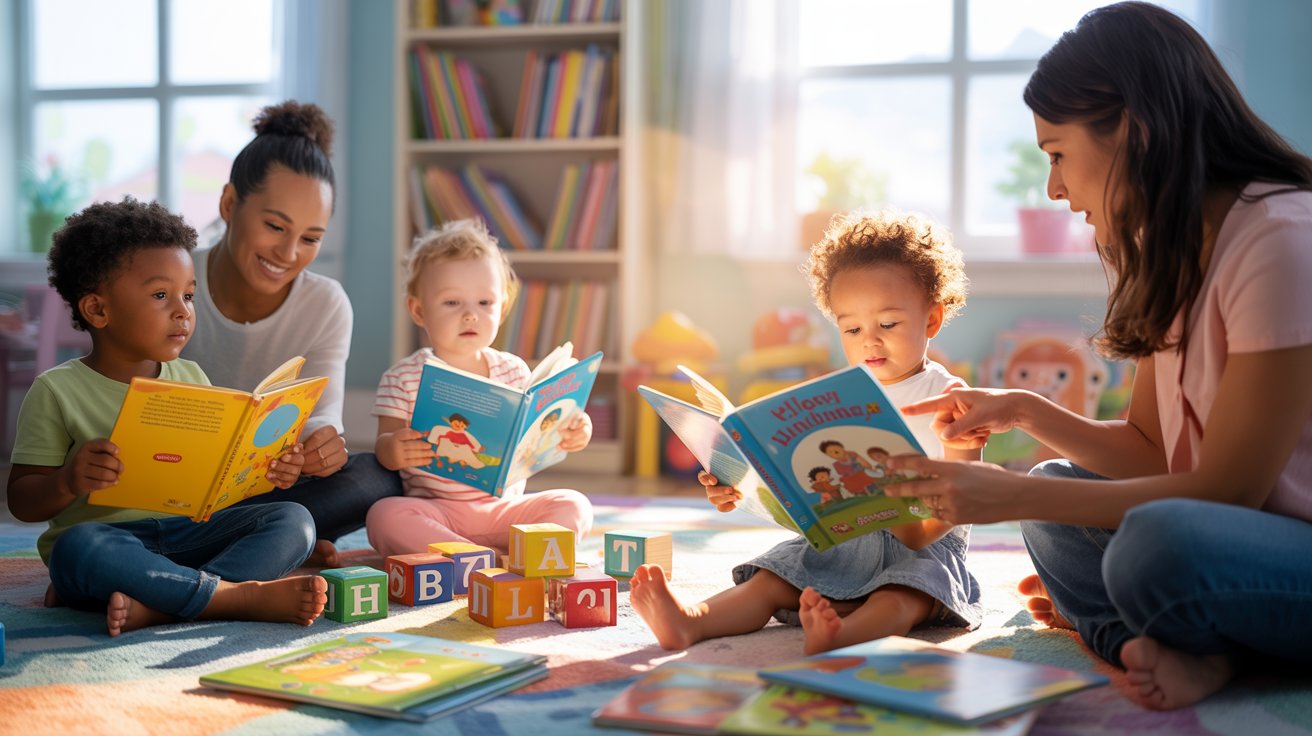
If you have ever sat with your child and watched them struggle through a single sentence, you know how heavy that feeling is. I have been there too.
The good news is that the right reading program can change things faster than you think. These programs are not just worksheets.
They are structured systems built around how kids actually learn to read.
In this guide, I am breaking down the best learn-to-read programs for kids so you can skip the guesswork and find what truly works for your child.
What Are Learn to Read Programs?
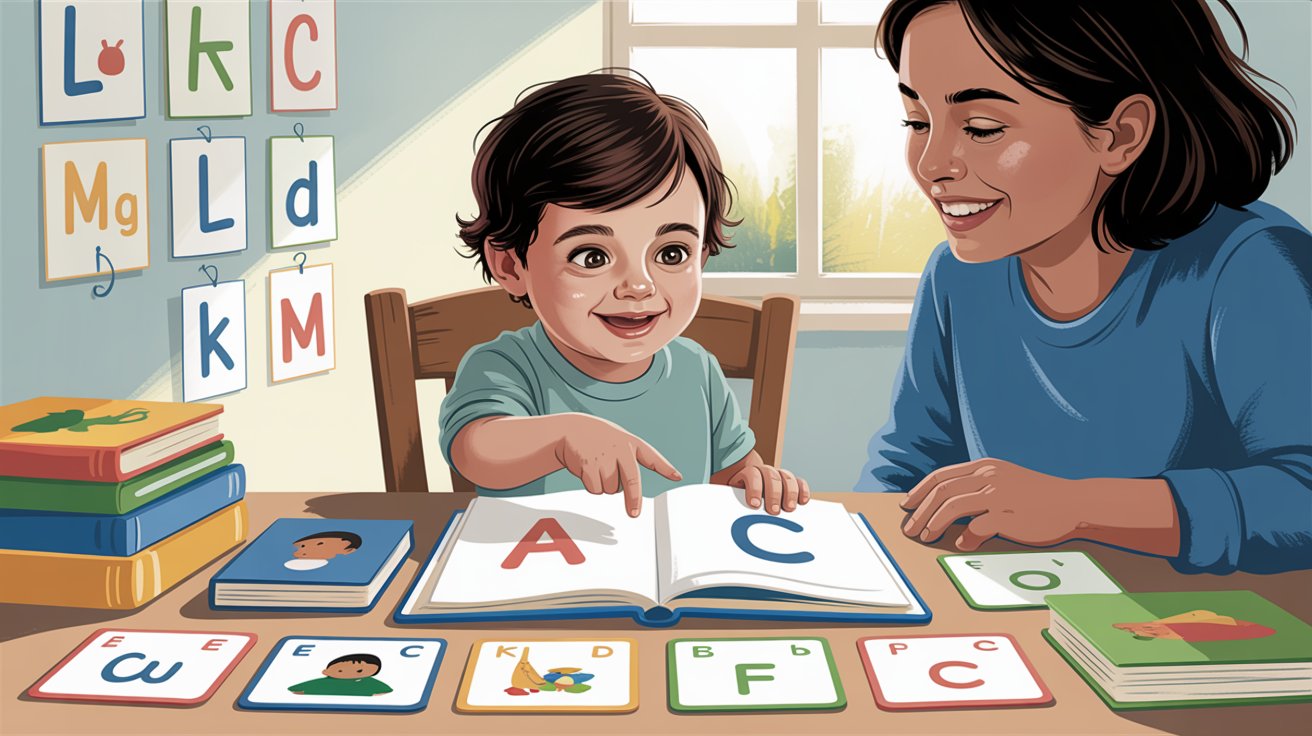
Learn to read programs are structured systems that teach kids phonics, word recognition, and comprehension in a step-by-step way.
They follow a clear sequence, so kids build skills without skipping important steps. Casual reading at home is great, but it often misses the gaps.
A proper program fills those gaps. It gives kids consistent practice, tracks their progress, and builds real confidence over time.
That structure is what turns a struggling reader into a strong one.
What Makes the Best Learn to Read Programs?
The best learn to read programs share a few key traits. They use phonics-based instruction backed by reading science. They follow a clear, step-by-step path so kids never feel lost.
Lessons are fun and interactive to keep attention. Skills like fluency, phonics, and comprehension are all covered.
Good programs also adapt to each child’s pace and give extra support to struggling readers.
Parents get simple tools to track growth. And the learning space is always safe, clean, and completely free of ads.
9 Best Learn to Read Programs for Kids’

Finding the right reading program can change everything for your child. Here are the 9 best options worth trying.
1. Reading Eggs
Reading Eggs is a complete online reading system for kids aged 2 to 13. It covers everything from early phonics to reading comprehension, all in one place. The lessons are colorful, interactive, and easy for kids to follow on their own.
2. All About Reading
All About Reading uses the Orton-Gillingham approach, which means kids learn through touch, sight, and sound together. It comes with letter tiles and hands-on activities that make lessons feel less like work. It is a top pick for homeschool families.
3. Teach Your Child to Read in 100 Easy Lessons
This is a parent-led program with fully scripted lessons, so you always know exactly what to say. It is very affordable and works well for beginners starting from scratch. The phonics foundation it builds is solid and straightforward.
4. Logic of English
Logic of English goes beyond just reading. It teaches kids the actual rules behind how English words work. It brings together phonics, spelling, and comprehension in one program. Kids who like to understand the “why” behind things do really well with this one.
5. BJU Press Reading
BJU Press is a video-based homeschool curriculum that covers reading, grammar, and comprehension together. It follows a Christian-based approach and is well-suited for families who want faith-integrated learning with strong academic content.
6. Abeka Reading Program
Abeka takes a traditional, phonics-heavy approach to teaching reading. The lessons move at a fast pace and follow a structured classroom-style format. It works well for kids who do better with clear rules and consistent repetition.
7. Explode the Code
Explode the Code is a workbook series focused on phonics practice. It is one of the most budget-friendly options out there. Many parents use it alongside another program to give their child extra phonics reinforcement.
8. Duolingo ABC
Duolingo ABC is a free app built for early learners just starting out with reading. The activities are simple, short, and fun. It is a great low-pressure option for toddlers and preschoolers getting their first feel for letters and sounds.
9. Teach Your Monster to Read
Teach Your Monster to Read turns phonics into a game. Kids follow a monster character through reading stages, which keeps them hooked and motivated. It covers early reading skills and works really well for younger children who learn best through play.
How to Choose the Best Learn to Read Program

Start by checking where your child currently stands with reading. Some programs are built for complete beginners, while others pick up at a higher level.
Think about how your child learns best. Some kids do well with apps and games, while others prefer workbooks.
Decide how involved you want to be as a parent, since some programs need daily guidance. Also, weigh the cost against what you actually get. A pricier program is worth it only if it fits your child.
Tips for Teaching Your Child to Read at Home
- Set aside a fixed time each day for reading practice. Even 15 minutes of consistent daily work builds stronger skills than long, irregular sessions.
- Mix phonics lessons with real storybooks your child actually enjoys. This helps them connect what they are learning to actual reading.
- Repeat words, sounds, and lessons often. Kids retain more when they see and practice the same thing multiple times over days.
- Keep the mood light and pressure-free. A child who feels relaxed during reading time will stay more focused and willing to try.
- Celebrate small wins along the way. A little praise after each milestone keeps your child motivated and confident to keep going.
Conclusion
No single program works for every child. I have seen kids thrive with game-based apps and others do better with simple workbooks.
What matters most is finding something your child actually sticks with. Pick a program that keeps them engaged and then stay consistent with it.
Even 10 to 15 minutes a day adds up fast. Start with one program from this list, give it a real try, and watch your child grow into a confident reader.
Frequently Asked Questions
What is the best learn to read program for beginners?
Reading Eggs and Teach Your Child to Read in 100 Easy Lessons are both great starting points. They are simple, structured, and work well for kids with zero reading background.
At what age should a child start a reading program?
Most kids are ready to start between ages 3 and 5. Starting early with letter sounds and phonics gives them a strong base before formal school begins.
Are free reading programs good enough for kids?
Free options like Duolingo ABC work well for early learners and light practice. For deeper skill-building, a paid program usually offers more structure and better progress tracking.
How long should a child practice reading each day?
Around 15 to 20 minutes of daily practice is enough for most kids. Short, consistent sessions work far better than long occasional ones.
Can I use more than one reading program at a time?
Yes, many parents combine a main program with a supplement like Explode the Code. Just make sure the two programs do not conflict in teaching methods or overwhelm your child.


