


A dedicated reading space can feel simple at first. You choose a chair, add shelves, and make room for a lamp. Then the real decision appears: should the home get a quiet nook by the window or a large library with tall shelving, a desk, and room for guests? The emotional stake is clear because this space is tied to rest, privacy, and daily habits. The financial stake is just as real. Custom millwork, lighting, flooring, and structural changes can turn a small idea into a costly project. A 3d architectural visualization service helps homeowners see that choice before materials are ordered. It gives scale, depth, and mood to a design that would otherwise sit flat on paper. Well-made 3D rendering services can make the difference between a pleasant retreat and a room that feels off after the build.
Recent numbers explain why this planning matters. Pew Research Center reported in 2026 that 75% of U.S. adults had read all or part of at least one book during the previous 12 months. Houzz also found that 54% of homeowners renovated in 2024. Those facts meet inside the home. People still read, and they keep changing their spaces. But a book room is less forgiving than a paint color. A built-in shelf that is too deep, a chair that blocks a walkway, or a ladder rail that feels too close to the fireplace can require expensive correction later.
Defining The Scope: Assessing Scale, Space, And Intent
The Intimate Charm Of The Cozy Reading Nook
A cozy reading nook works because it respects limits. It can sit under a stair, beside a bedroom window, inside a hallway alcove, or at the end of a landing that would otherwise collect dust. The appeal is emotional, but the success is technical. A chair needs elbow room. Shelves need depth. A side table needs a surface large enough for a cup, glasses, and the current book. This is where 3d rendering services give the small space a reality check. A rendered nook shows whether the built-in bench is deep enough to relax in, whether the wall lamp sits at the right height, and whether the space feels intimate rather than trapped.
The Architectural Majesty Of The Grand Home Library
A grand home library asks for a different kind of discipline. It may include two-story shelves, a rolling ladder, a fireplace, a writing desk, and a central seating group. That sounds beautiful, but volume can backfire if the room is too tall, too dark, or too heavy for the surrounding architecture. Professional architectural rendering services help test that scale before carpenters start cutting panels. The model can show ceiling clearance, ladder reach, shelf rhythm, and the library’s connection to nearby rooms. It can also reveal whether the design feels like a natural part of the house or a stage set placed inside it.
Aesthetic Transformation: Testing Design Styles Via 3D Rendering
Classic Elegance: Deep Wood Tones And Traditional Details
Traditional libraries depend on detail. Dark walnut, brass lighting, carved molding, leather chairs, and wool rugs can create a calm, serious room. They can also make a small space feel heavy. A skilled 3D rendering company can test the difference by adjusting stain depth, shelf thickness, wall color, and lamp temperature within the same digital room. This matters because wood samples alone do not show how a whole wall of cabinetry will behave. The render shows whether the shelves absorb too much light, whether the fireplace serves as the right focal point, and whether decorative details support the reading mood rather than crowding it.
Scandinavian Minimalism: Bright Spaces And Clean Lines
A Scandinavian approach works in another direction. It uses light oak, painted shelving, linen fabric, soft curves, and fewer visible objects. The goal is not emptiness. It is calm. In a render, this style can be tested without stripping the room of warmth. White shelves may look clean on a mood board, but a digital view shows whether they feel flat beside pale flooring or whether light wood adds enough texture. Minimalist storage can also be tested behind cabinet doors, under benches, or around a window seat. For many homes, this style helps a reading corner feel larger than its actual footprint.
Spatial Harmonization: Adjusting Layouts To Your Home Dimensions
Evaluating Window Alignment And Natural Lighting Patterns
Reading comfort depends on natural light, but more light is not always better. Direct sun can strike the page, heat the chair, or fade book spines over time. Research on daylight and well-being continues to point to the value of good exposure, and a 2014 study published in the National Library of Medicine found that workers with greater daylight exposure tended to report better sleep and quality of life. Home reading rooms need the same care. Experienced architectural rendering services can simulate the sun path for any given season and hour. The homeowner can see whether a window seat works in the morning, whether a desk needs a shade, and whether a north-facing nook needs stronger task lighting.
Integrating Shelving Dynamics And Traffic Flow
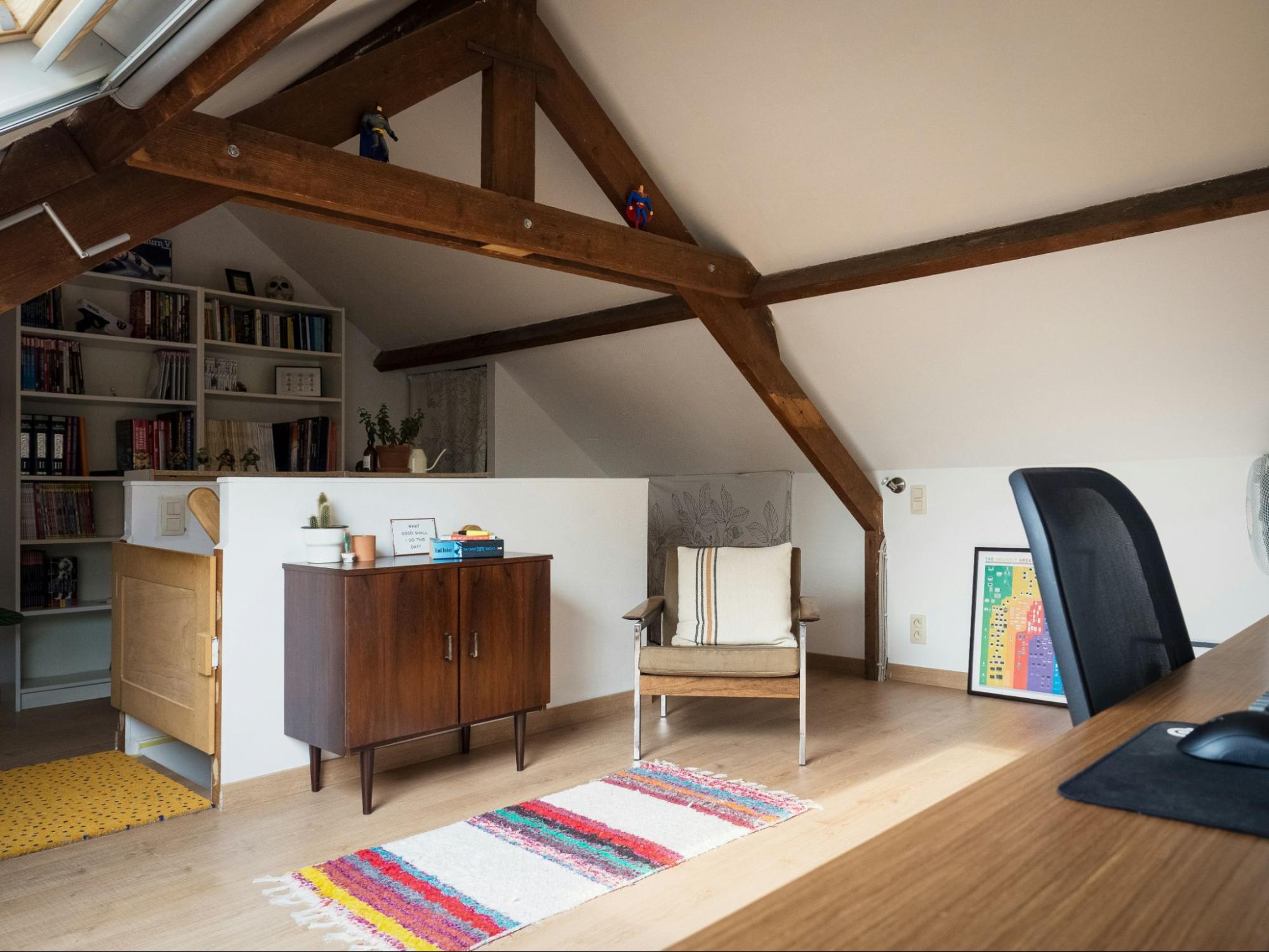
Bookshelves shape movement as much as storage. A shelf that looks slim on a plan can narrow a walkway once a chair, rug, and open cabinet door are added. A rolling ladder needs a safe path. A daybed needs enough clearance so people can sit down without twisting around a table. A digital model makes this visible. It can show traffic flow around the reading chair, the reach zone for high shelves, and the swing path of doors or drawers. PlanRadar reports that construction rework often ranges from 4% to 10% of project costs across many studies. For custom interiors, avoiding one wrong built-in can already matter.
The Digital Blueprint: Crucial Deliverables Of A Reading Space Render
Technical Components Required From 3d renderings services
A useful render is more than a pretty image. It should act like a digital rehearsal for the final room. The best package provides homeowners and contractors with enough visual data to agree on size, style, lighting, and movement before construction begins. NARI and the National Association of Realtors reported in 2025 that improved functionality and livability were among the top remodeling outcomes homeowners cared about. That point fits reading spaces perfectly. A library is not successful only because it looks refined. It must make reading, storing, reaching, sitting, and moving feel natural every day.
- Precise material texture rendering for wood finishes, fabric upholstery, and metal accents.
- Dynamic light simulation showing both natural sun paths and artificial task lighting illumination.
- Spatial clearance maps detailing the swing paths of doors, cabinet openings, and library ladders.
- Multi-angle perspective views comparing different layout scales within the exact room coordinates.
- Style variation models allowing instant comparison between classical dark wood and bright minimalist designs.
Conclusion
The choice between a cozy reading nook and a grand home library is not only about taste. It is about lifestyle, room size, budget, light, storage, and the way a person actually reads. A small nook may be perfect for someone who wants daily quiet and a soft place to sit near a window. A large library may be right for a serious collection, shared family space, or a home that can carry architectural weight. Digital visualization removes much of the guesswork from that decision. It lets homeowners compare scale, mood, furniture, shelves, daylight, and clearance while changes are still easy to make. Good planning gives the final room spatial confidence. It protects both the books and the reader. That is the quiet value of 3d renderings services.


