

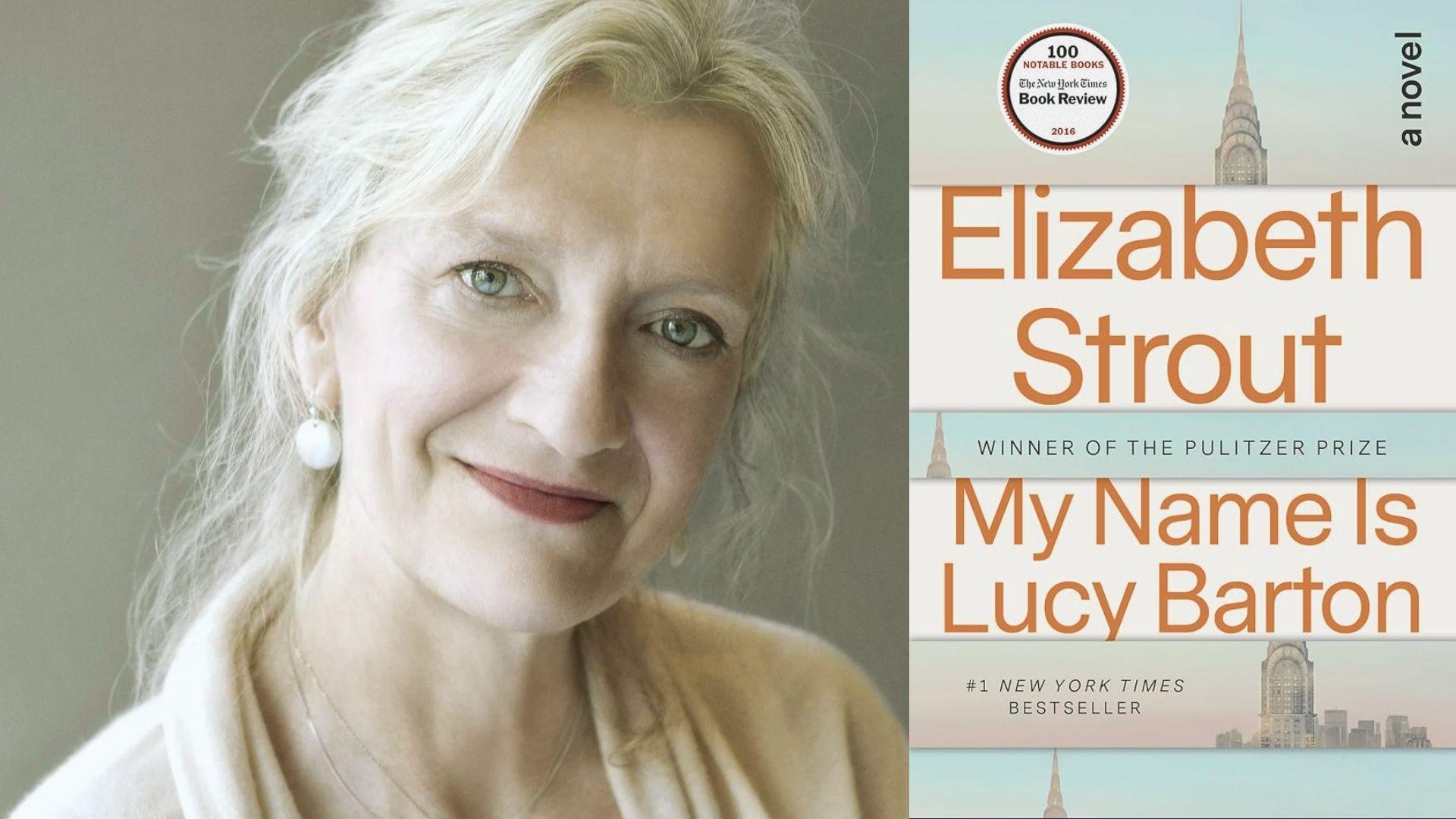
Looking for a My Name is Lucy Barton summary you can actually trust? You are in the right place. I read this book fully before writing a single word here.
In this article, I will walk you through the full plot summary, major themes, character breakdown, and what critics and readers say, along with my honest personal review.
By the end, you will know exactly if this book deserves a spot on your reading list. No guesswork. No filler. Just a straight, clear breakdown to help you decide.
Synopsis of My Name is Lucy Barton
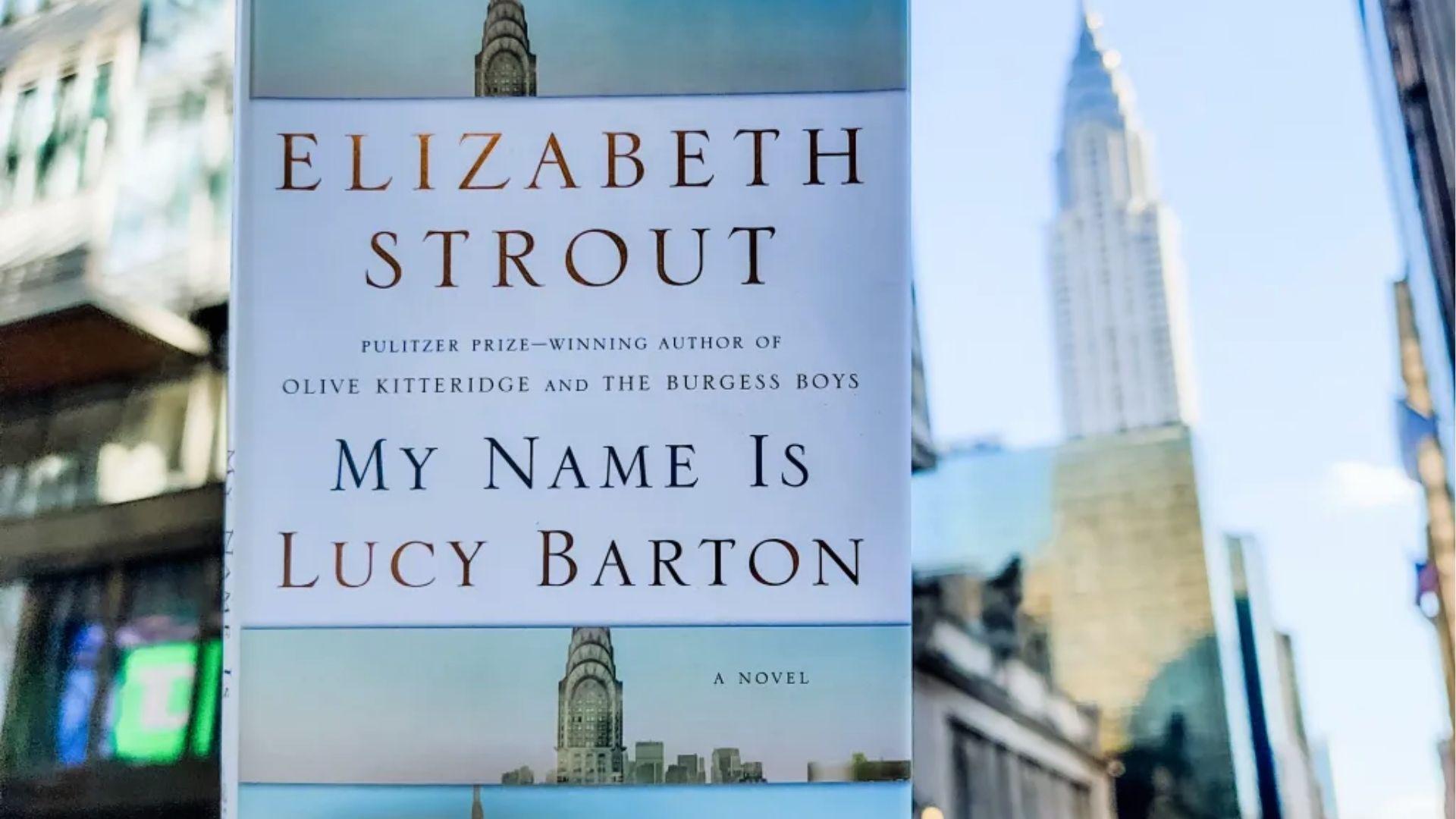
The story follows Lucy Barton, a writer living in New York City who finds herself hospitalized for several weeks following complications from a routine surgery. Her husband is largely absent, her two young daughters cannot visit, and then, unexpectedly, her mother arrives.
The two women have not spoken in years, and their reunion takes place almost entirely within that hospital room, talking through the long nights in ways they never managed during Lucy's childhood.
Through those conversations, a portrait emerges of a childhood marked by poverty, isolation, and love that was real but never quite warm enough. Lucy grew up in Amgash, Illinois, escaped through education and ambition, and rebuilt herself entirely in New York.
Elizabeth Strout tells the story in Lucy's own voice, looking back from some point in the future, searching for understanding of experiences she is still not sure she has fully right.
Major Themes in My Name is Lucy Barton
Strout builds her story around ideas that are quiet, emotionally precise, and harder to shake than they first appear.
Memory and the Limits of Understanding
This novel is deeply interested in what memory can and cannot give us. Lucy does not tell her story in a straight line. She circles back, contradicts herself, and admits openly that she may be misremembering.
Strout treats that uncertainty not as a flaw in the narration but as its most honest quality. The book asks whether any of us truly understand the experiences that shaped us, or whether we are always working from fragments.
The Complexity of Maternal Love
The relationship between Lucy and her mother sits at the heart of everything. It is not a simple story of damage or recovery. The mother is a figure who caused real harm through distance and silence, and who is also someone Lucy still loves and wants to be loved by.
Strout refuses to flatten either side of that. The mother is not made into a villain. Lucy is not made into a pure victim. The result is one of the more honest portrayals of a mother-daughter relationship in recent literary fiction.
Class, Shame, and the Cost of Escape
Lucy's poverty-stricken childhood left marks that wealth and education did not fully erase. She carries a deep, low-level shame about where she came from, even as she has built a life far removed from it.
Strout is careful and precise about the way class works on a person's interior life. The embarrassment Lucy feels, the way she reads other people's reactions, the gap between her outward success and her inner sense of herself, all of it is handled with real intelligence.
Loneliness and the Need to Be Witnessed
Throughout the novel, what Lucy wants most is simply to be seen clearly and accepted. That need runs through her relationship with her mother, her marriage, her friendships, and her writing.
Strout suggests that storytelling itself is partly a response to loneliness, an attempt to reach another person and have them confirm that your experience was real.
Character Analysis
Every major figure in My Name is Lucy Barton carries genuine psychological weight, even those who appear only briefly.
Lucy Barton
Lucy is a narrator of unusual emotional honesty. She does not present herself as fully formed or reliable. She tells you when she is unsure. She acknowledges the gaps in her own understanding of her life.
That quality makes her one of the more convincing voices in contemporary literary fiction. She is not performing insight. She is genuinely searching, and the search feels real because Strout never lets her arrive at easy conclusions.
Her desire to write, to make sense of experience through language, runs quietly through the whole novel. By the time you understand what kind of writer she became and why, the pieces fit in a way that is quietly devastating.
Lucy's Mother
The mother never gets a name in the novel. That choice feels deliberate. She exists primarily in her relationship to Lucy, as a mother who was cold and absent in ways that left lasting damage, but who appears at the hospital bedside out of something that looks very much like love.
Strout gives her just enough detail to make her three-dimensional without turning her into a fully explained character. She remains somewhat opaque, which is probably the most truthful thing the novel could do with her. Children rarely get full access to who their parents are as people.
The Supporting Figures
Lucy's husband, her daughters, her mentor and former teacher, and the various people she recalls from her childhood all serve to fill out the world she is trying to make sense of. None of them are sketched lightly. Even minor figures carry a sense of interior life.
The mentor figure in particular, a writer who took Lucy seriously before she took herself seriously, is drawn with enormous warmth and becomes one of the novel's most affecting presences despite limited page time.
Writing Style and Narrative Voice
Strout's prose in this novel is stripped back, almost deceptively simple, and built around a kind of attention that rewards slow reading.
Compression and Restraint
This is a short novel. Strout does not explain more than she has to. She trusts the reader to feel the weight of what is left unsaid, and there is a great deal left unsaid.
That restraint is the novel's defining stylistic quality. Scenes that in other hands might be played for maximum emotion are handled quietly, and the effect is more powerful for it.
Time and Retrospection
Lucy narrates from a position of distance. She is looking back at a period of her life, but the exact vantage point is deliberately unclear. That slight blurring of time creates a dreamlike quality that suits the material.
The novel is not trying to recreate events in real time. It is trying to understand them from a distance, which is how most of us actually process the things that have mattered most to us.
The Repetition of Small Details
Strout returns to certain images and phrases across the novel in ways that accumulate meaning quietly. A piece of clothing. A particular way of speaking. A name repeated at intervals.
These repetitions work the way memory actually works, certain things surfacing again and again because they carry unresolved weight. By the end of the novel, you understand exactly why those particular details kept coming back.
Critical Reception
My Name is Lucy Barton was published in 2016 and was met with immediate critical enthusiasm. Elizabeth Strout had already won the Pulitzer Prize for Olive Kitteridge, and this novel confirmed her standing as one of the most serious and accomplished voices in American literary fiction.
Critics praised the novel's emotional precision, its structural confidence, and its handling of the mother-daughter relationship. Several noted that the brevity of the book was itself an achievement, that Strout had built something of real depth in very little space.
Readers responded to the intimacy of Lucy's voice and to the way the novel articulated feelings that are difficult to name, about family, class, love, and the distance between who we are and who we came from.
Notable Reviews and Ratings
My Name is Lucy Barton earned strong and lasting responses across major reading platforms and literary outlets.
Goodreads: 3.60 out of 5 stars based on a substantial volume of ratings.
Amazon: 4.4 out of 5 stars based on a large number of reviews.
Awards and Recognition: The novel was longlisted for the Man Booker Prize in 2016 and was a finalist for several other major literary awards. It became a New York Times bestseller and was widely included on best-of-year lists for 2016. A stage adaptation ran on Broadway in 2020.
What Reviewers Are Saying:Readers describe it as quietly devastating in a way that sneaks up on you. Many say the short length made them underestimate it before it got hold of them completely.
Critics praised Strout for writing about class and family without sentimentality or easy resolution.
My Personal Reading Experience
My Name is Lucy Barton got under my skin in a way I was not expecting from a book this short. I picked it up thinking it would be a quiet afternoon read and found myself still thinking about it days later.
Strout does not dramatize poverty or isolation. She describes it plainly and lets the plainness do the work. That approach is harder to defend yourself against than a more theatrical one.
The ending left me with the particular feeling of having been told something true that I already knew but had never quite found words for. That is the best thing a novel can do, and this one does it.
About the Author: Elizabeth Strout

Elizabeth Strout is an American author born in Portland, Maine. She is best known for Olive Kitteridge, which won the Pulitzer Prize for Fiction in 2009, and for the series of novels set in Amgash, Illinois, which includes My Name is Lucy Barton, Oh William!, and Lucy by the Sea.
Her work focuses on ordinary people in ordinary circumstances and the interior lives that those circumstances rarely reveal fully. She writes about family, loss, regret, and resilience with a precision that has earned her a devoted international readership.
Strout teaches at the Manhattan Theatre Club's writing program and continues to publish work that extends and deepens the world she has been building across her career.
Conclusion
I hope this My Name is Lucy Barton summary helped you figure out if this book belongs on your shelf. Personally, the hospital room scene between Lucy and her mother left me thinking about my own family silences in ways I did not expect.
Strout has a way of naming things you felt but never said out loud. If that sounds like something you need right now, pick it up.
Have you read it already? Drop your thoughts in the comments below!
Frequently Asked Questions
Is My Name is Lucy Barton Based on a True Story?
The novel is fiction, though Elizabeth Strout has acknowledged that Lucy shares some biographical points of connection with her own life. The story and characters are invented.
How Long Does It Take to Read My Name is Lucy Barton?
The novel runs around 193 pages and most readers finish it in three to five hours. Many read it in a single sitting and describe finding it difficult to put down despite its quiet pace.
What Age Is Appropriate for Reading My Name is Lucy Barton?
The book is best suited for readers aged 16 and above. It contains themes of childhood poverty, emotional neglect, and family estrangement that younger readers may find difficult to fully process.
Did My Name is Lucy Barton Win Any Literary Awards?
The novel was longlisted for the Man Booker Prize in 2016 and became a New York Times bestseller. It received wide critical recognition and was adapted for the stage, running on Broadway in 2020.
Is There a Sequel to My Name is Lucy Barton?
Elizabeth Strout has continued Lucy's story in subsequent novels, including Oh William! and Lucy by the Sea. Both return to the character at later points in her life and can be read as companions to this novel.