
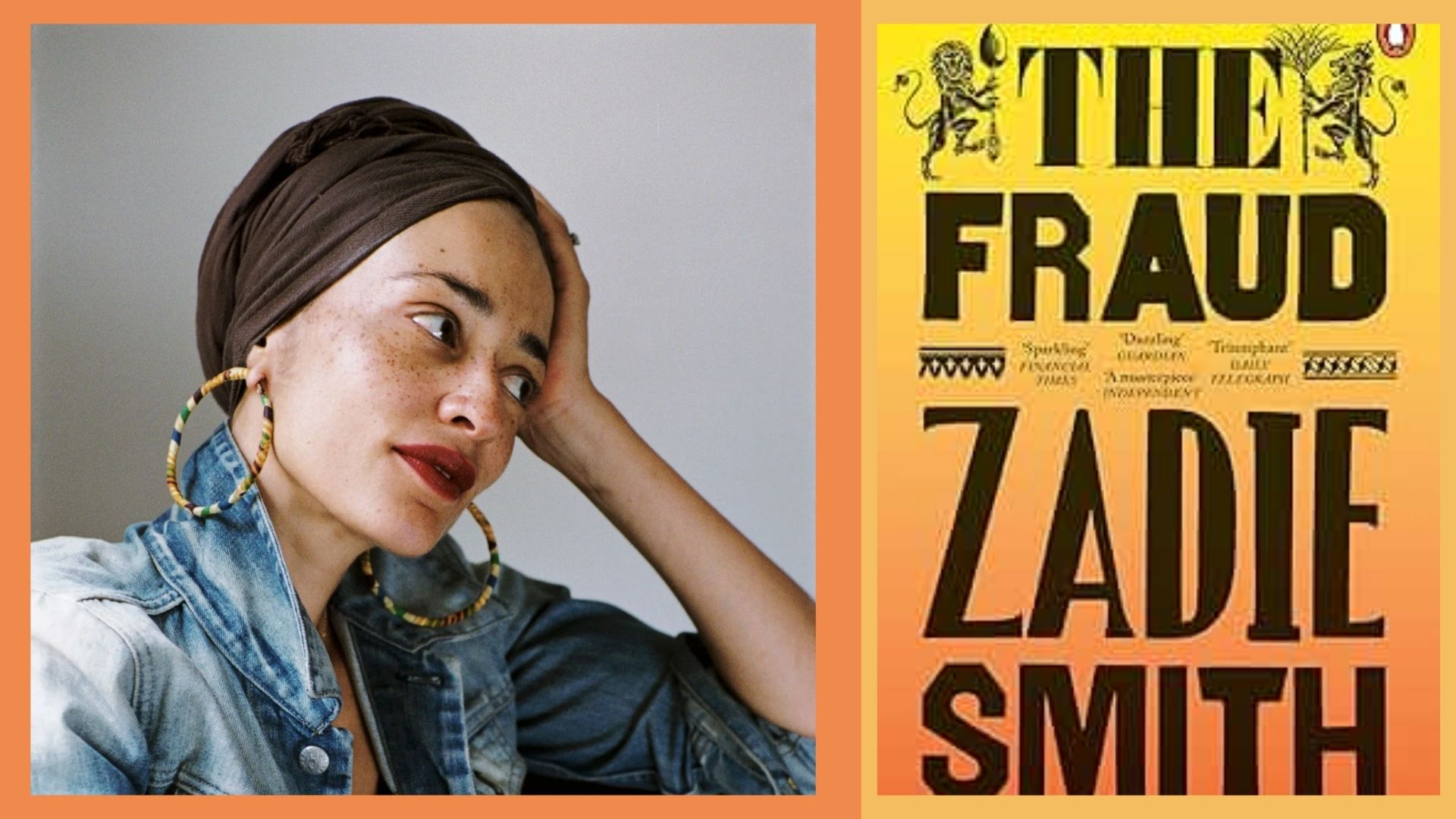
Looking for a clear breakdown of The Fraud by Zadie Smith? You’re in the right place.
I’ve read Smith’s 2023 historical novel, and I want to help you decide if it’s worth your time.
Having worked through her previous books, I know her writing can be challenging but often pays off.
This guide covers everything from a spoiler-free summary, character analysis, major themes, writing style, to honest reader reactions. I’ll tell you what works and what might frustrate you.
You’ll also learn who should read this book and who might want to pass. My goal is to simply give you enough detail to choose confidently.
The Fraud isn’t for everyone, but it could be exactly what you need right now.
The Fraud by Zadie Smith : Quick Book Overview
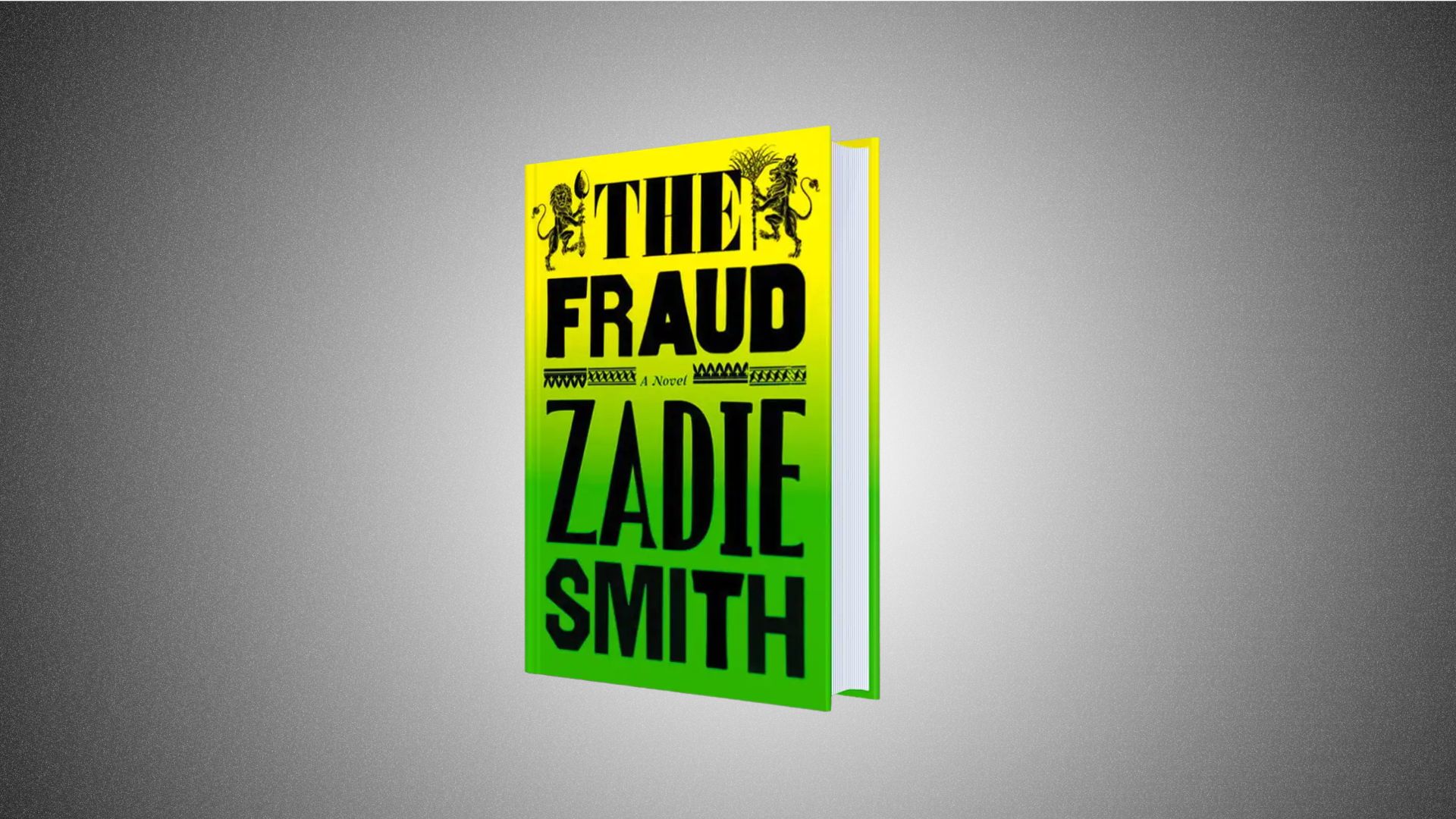
Zadie Smith’s first historical novel explores truth, power, and belief through a Victorian court scandal
The Fraud is Zadie Smith’s first historical novel, published in 2023.
The book is historical and literary fiction set in Victorian England and Jamaica during the 1860s and 1870s.
What makes it stand out? Smith steps into historical territory for the first time.
She’s known for contemporary stories about identity and culture. Here, she tackles the past with the same sharp social commentary.
The story centers on the real Tichborne Trial, using this scandal to question truth, power, and who gets believed.
The Fraud Zadie Smith Summary (Spoiler-Free)
A widow becomes obsessed with a Victorian trial that questions truth, identity, and whose voice matters in history.
The story follows Eliza Touchet, a widow in Victorian London. She works as housekeeper for William Ainsworth, a fading novelist.
Eliza is sharp and questions everything.
The novel centers on the Tichborne Trial, a real 1870s case. A man claimed to be an heir who supposedly drowned. England became obsessed.
Eliza fixates on Andrew Bogle, a formerly enslaved Jamaican who testifies for the claimant.
Through Bogle, we see Victorian England and colonial Jamaica. Smith asks: What is truth? Who gets believed?
The ending doesn’t tie up neatly. You’ll finish thinking about race, class, and who controls history.
Main Characters That Drive the Narrative
Three voices shape this story: a sharp widow, a fading novelist, and a survivor of slavery.
1. Eliza Touchet : The Moral and Intellectual Center
Eliza is the heart of this story. She’s a widow who manages her cousin William Ainsworth’s household.
But Eliza is far more than a housekeeper. She reads philosophy, follows politics, and thinks deeply about justice.
Victorian society expects women to stay quiet. Eliza refuses. Her perspective drives the novel’s ethical core.
2. William Ainsworth : Fame, Fiction, and Fragility
William Ainsworth was a real Victorian novelist. He once rivaled Charles Dickens in popularity.
By this novel’s timeline, his fame has faded. He still writes, but fewer people care. He struggles with aging and irrelevance.
Smith uses Ainsworth to question reputation versus truth. Did his fiction matter, or did it just entertain?
3. Andrew Bogle : Voice of the Marginalized
Andrew Bogle survived slavery in Jamaica. He later served the Tichborne family.
He testifies that he recognizes the claimant as the real Roger Tichborne. But the court struggles to believe a Black man’s word.
Through Bogle, we see slavery’s brutal reality.
His story asks: whose voices get erased from history? Why do we remember some people and forget others?
Major Themes Explored in The Fraud
Smith examines truth versus belief, colonial violence, and who controls the historical narrative.
Truth vs. Belief in a Post-Truth Society
The Tichborne Trial shows what people want to believe versus what’s actually true.
The claimant might be fake, but thousands support him anyway. They want to believe a common man can claim aristocratic status.
Smith shows how belief often beats evidence. This feels shockingly modern given our age of misinformation.
Colonialism, Race, and Historical Silence
Jamaica haunts this novel. Smith won’t let readers forget British wealth came from enslaved labor.
Bogle survived slavery, but his testimony gets doubted because of his race.
Whose history gets told? Who controls the narrative?
Class, Power, and Public Spectacle
The trial becomes entertainment. Newspapers cover every detail like it’s a sport.
Smith shows how the media shapes perception. Truth becomes secondary to spectacle.
The loudest voices win, not the most honest.
Writing Style and Narrative Structure
Zadie Smith writes with intelligence but stays accessible. Her sentences are clear without jargon.
The novel shifts between 1860s London and 1830s Jamaica. These jumps can feel jarring initially.
We see mostly through Eliza’s eyes, but other voices emerge too.
The book blends historical research with fiction, but it’s not a textbook.
Some find the pacing slow with lots of reflection. Fast-plot lovers might struggle, but thoughtful storytelling rewards attention.
Goodreads and Amazon Review Snapshot: What Readers Think
Reader responses offer a balanced view of how The Fraud by Zadie Smith has been received.
Goodreads Rating: Around 3.6 to 3.8 out of 5 stars. Many readers appreciate the exploration of truth, race, and power, along with Eliza’s thoughtful perspective. Some mention the pacing feels slow and the narrative can be dense.
Amazon Reviews: Approximately 3.5 to 4 out of 5 stars. Readers often comment on Smith’s careful research, precise prose, and historical insight. Others note the reflective tone and limited action require patience.
Across platforms, readers respond to the novel’s ideas rather than its momentum. Theme-driven fiction fans rate it higher than those seeking faster, more emotional reads.
My Honest Take on The Fraud
This book impressed my mind more than it touched my heart, but I’m still thinking about it.
I’ll be straight with you. This book impressed me intellectually but didn’t always grab me emotionally.
Smith’s depth is real. She trusts you to sit with complex ideas about truth and power. The Victorian trial mirrors our current misinformation struggles perfectly.
Eliza made it work for me. She’s smart and skeptical without being preachy.
But the pacing tested me. This moves slowly with heavy themes throughout. There’s little lightness to balance things.
The book lives in your head more than your heart. I wanted more emotional connection at times. If you need constant action or emotional pull, you’ll struggle here.
Who Should Read The Fraud by Zadie Smith?
This book is for readers who value intellectual depth over fast plots and easy answers.
If you love literary fiction that makes you think, try this. Smith writes for readers who enjoy complexity and moral ambiguity.
Historical fiction fans will appreciate the Victorian setting and careful research. The period detail feels authentic.
If colonial history and social critique interest you, this book delivers. Smith examines how power shapes truth head-on.
Readers who prefer fast plots or light escapism should skip this. It requires patience.
If you loved Smith’s earlier work but want something different, this shows her range.
About the Author

One of contemporary literature’s most respected voices tackles history for the first time.
Zadie Smith is one of the most respected contemporary literary voices. Born in London in 1975, her debut White Teeth came out in 2000 when she was just 24. It became an instant classic.
Other notable works include On Beauty, which won the Orange Prize, and Swing Time, exploring race, friendship, and identity.
Smith writes about multiculturalism, identity, and social class, usually focusing on contemporary Britain and America.
The Fraud is her first historical novel.
But her themes remain consistent: truth, power, race, and who gets heard.
She’s also an essayist and teaches creative writing at New York University. Her voice matters in modern literature.
Conclusion
The Fraud isn’t an easy read, but it’s a smart one. I kept thinking about Eliza’s questions long after I finished.
The Victorian setting might seem distant, but the themes feel urgent right now. Truth, belief, and who gets silenced matter as much today as 150 years ago.
I won’t lie, the pacing tested me. But I appreciated Smith’s refusal to simplify complex ideas.
If you’re tired of simple stories and want something that challenges you, this book delivers.
Have you read it? Drop a comment and share your thoughts. I’d love to hear what resonated with you.
Frequently Asked Questions
Is The Fraud based on a true story?
Yes, the Tichborne Trial was a real Victorian court case in the 1870s. Smith uses this historical event as her novel’s backbone, though characters like Eliza are fictionalized.
Is The Fraud a difficult book to read?
It depends on your preferences. The prose is clear, but the pacing is slow and themes are heavy, which might challenge readers who prefer fast-moving plots.
What are the main themes of The Fraud?
The book examines truth versus belief, colonialism and racial injustice, class divisions, and how power shapes whose stories get believed in society.
How does The Fraud compare to Zadie Smith’s other novels?
This is her first historical novel, so it feels more restrained than contemporary works like White Teeth. But her sharp social commentary on identity remains consistent.
Who is the main character in The Fraud?
Eliza Touchet is the primary narrator and moral center. She’s a widow and intellectual who observes the Tichborne Trial while questioning Victorian society’s hypocrisy.