

I picked up I Who Have Never Known Men expecting a fast-paced dystopian story.
What I got was something far quieter and heavier.
If you felt confused or unsure about this book, I completely understand. It doesn't read like anything else.
I've gone through it fully and put together a clear breakdown just for you.
In this post, you'll find a full summary, key themes, character notes, and my honest opinion.
No filler. No fluff. Just everything you need to actually understand this book.
Quick Book Overview
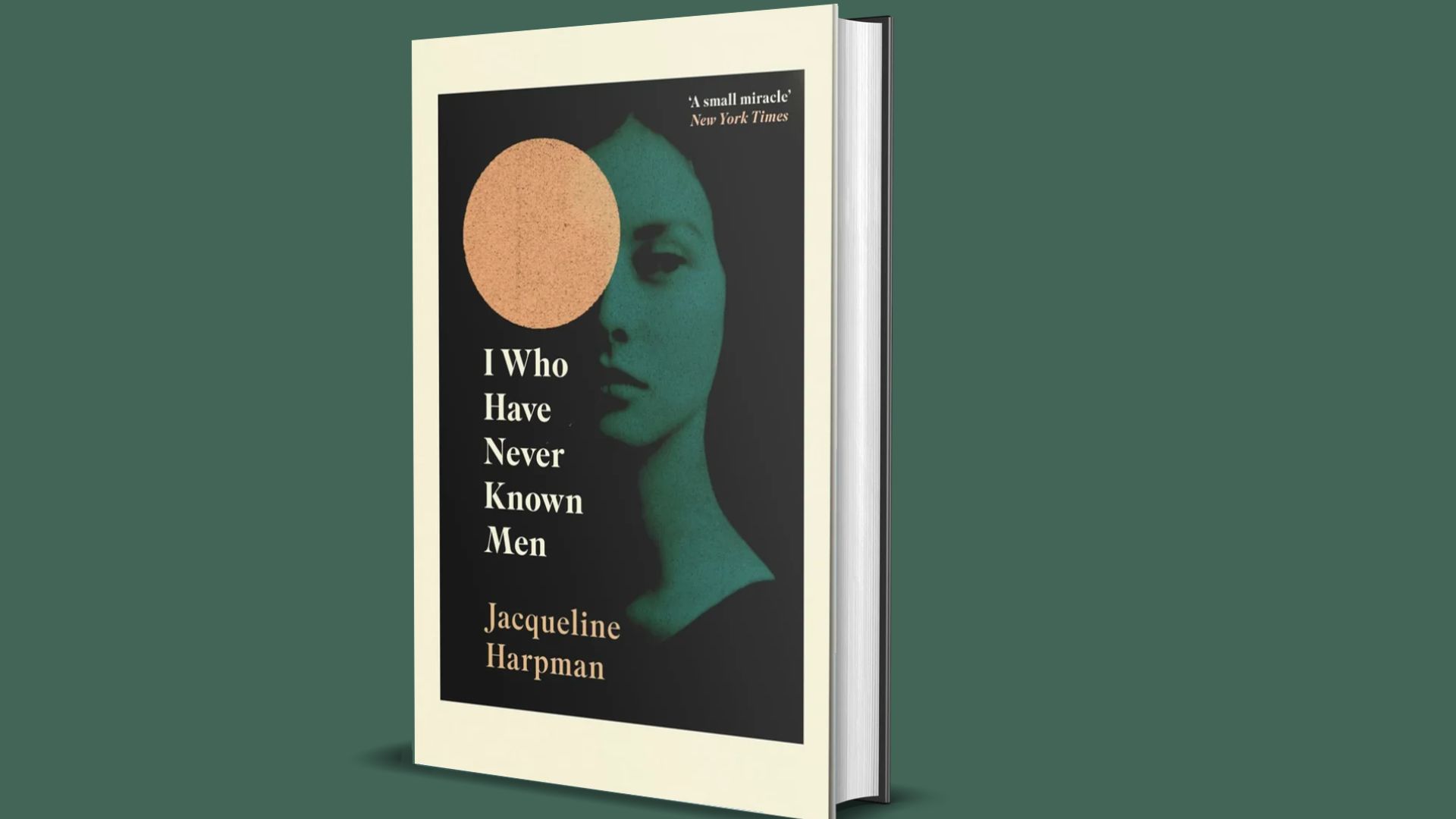
I Who Have Never Known Men by Jacqueline Harpman is a short dystopian novel about forty women held underground in a cage with no explanation given to them.
One of them, a young girl, has never seen the world outside those walls.
When the guards vanish and the women escape, they step into a world that is completely silent and empty.
There are no people, no cities, no answers. The book is less about action and more about what it means to exist when nothing makes sense. It reads slowly but leaves a deep mark.
Bunny Summary (Spoiler-Free)
The story follows a young girl called "the child," who shares a guarded underground cage with 39 women.
No one knows why they are there or who put them there. One day, the guards disappear. The women escape. At first, hope grows.
But the outside world is deserted. No people. No answers. As time passes, survival becomes a routine, and meaning starts to fade.
The narrator keeps searching for something while others slowly stop trying. This is not a story about action. It is a story about what it feels like to exist without purpose.
Major Themes
This book carries more weight than its short length suggests.
Art vs Reality
The narrator has no past to hold onto, so reality becomes only what she sees in front of her. This blurs the line between what is real and what feels imagined.
Everything carries a strange, hollow quality that makes the world feel both solid and distant.
Identity & Belonging
Without memories or a history, the narrator cannot fully form an identity. The other women remember who they were before. She cannot.
This gap between her and the group makes belonging feel out of reach, even when everyone is standing in the same room.
Loneliness & Isolation
The women are together, but they are deeply alone. Emotional distance grows quietly over time. As hope disappears, so does real connection.
The narrator's experience shows that isolation is not always about being physically apart. Sometimes it lives right next to you.
Satire of Academia
The book gently questions what knowledge is really worth. The narrator wants to learn everything, even when that knowledge changes nothing.
This reflects how humans reach for meaning through learning, even in situations where answers will never come.
Main Characters
The characters here are intentionally thin. That is the point.
Samantha Mackey
There is no Samantha in this novel. That absence is telling. This book moves away from named, layered characters.
People here are outlines, not full portraits. Identity is kept minimal because the story is about existence, not individual personalities.
Ava
No character named Ava exists here either. The women remain largely unnamed, which feels intentional.
The author strips away individual identity to show how extreme conditions can make a person feel like they are slowly disappearing into the group around them.
The Bunnies
There are no named groups like this in the story. Small bonds form between the women, but they are fragile. They shift and fade over time.
The book does not lean on group dynamics for drama. Connection here is quiet and often incomplete.
Max
No Max in this story. The absence of strong male characters or typical story roles is deliberate.
The focus stays on what it means to survive without any framework, support, or purpose. Relationships are secondary to that central question.
Jonah
Again, no Jonah. Removing familiar character types strips the story down to something raw. There is no hero. No villain. No clear arc.
Just people trying to make sense of a world that refuses to explain itself.
Writing Style & Narrative Technique
The writing is plain, calm, and stripped back. There are no dramatic scenes or big emotional outbursts.
The narrator watches and records more than she feels, which creates a quiet distance that somehow makes everything heavier.
The tone never tries too hard. It just states things as they are. That honesty gives the book its weight. It is not fast, and it is not easy.
But the style pulls you in because it feels completely real, like reading someone's thoughts written down without any editing or performance.
Why Readers Love It
A quiet story that makes you think long after it ends.
Strengths
The book stands apart because it breaks the usual rules of dystopian fiction. No action sequences.
No hero saves the day. Instead, the focus stays on thought, meaning, and what it feels like to keep going when nothing makes sense. The narrator's curiosity feels honest and grounded.
The simplicity of the writing makes the deeper ideas land harder. Readers who enjoy slow, thoughtful fiction tend to find this one deeply rewarding.
Criticism & Limitations
Not everyone connects with this book. The pace is slow, and the tone stays bleak from start to finish.
There are no clean answers, which can feel frustrating if you want resolution. The narrator's emotional distance may feel cold to some readers.
If you prefer strong plot movement or well-developed characters, this book may feel too sparse to hold your attention.
Goodreads & Amazon Ratings
Here's what real readers are saying about it.
Goodreads: Rated 4.1 out of 5. Readers praise it strongly for its themes and unusual approach. Many reviews describe it as haunting and hard to shake after finishing.
Amazon: Rated 4.3 out of 5. Reviews highlight its originality and quiet power. Some readers flag the slow pace and heavy tone, but the overall reception leans positive.
Both platforms agree: this book is not for everyone, but the readers who connect with it rarely forget it.
My Personal Opinion After Reading This Book
This book sat with me in a way I didn't expect. I didn't "enjoy" it the usual way. I didn't finish it feeling good or satisfied. But days later, I was still thinking about it.
The questions it leaves behind feel more real than most answers I've gotten from other books. If you want something that stays with you, read it.
Who Should Read This Book:
- You like slow, thoughtful stories that focus on ideas over plot
- You enjoy philosophical or existential themes in fiction
- You don't need a fast-moving plot to stay interested
- You are comfortable with open endings and no clear answers
- You want something very different from the typical dystopian format
If most of these sound like you, this book is worth your time.
About the Author
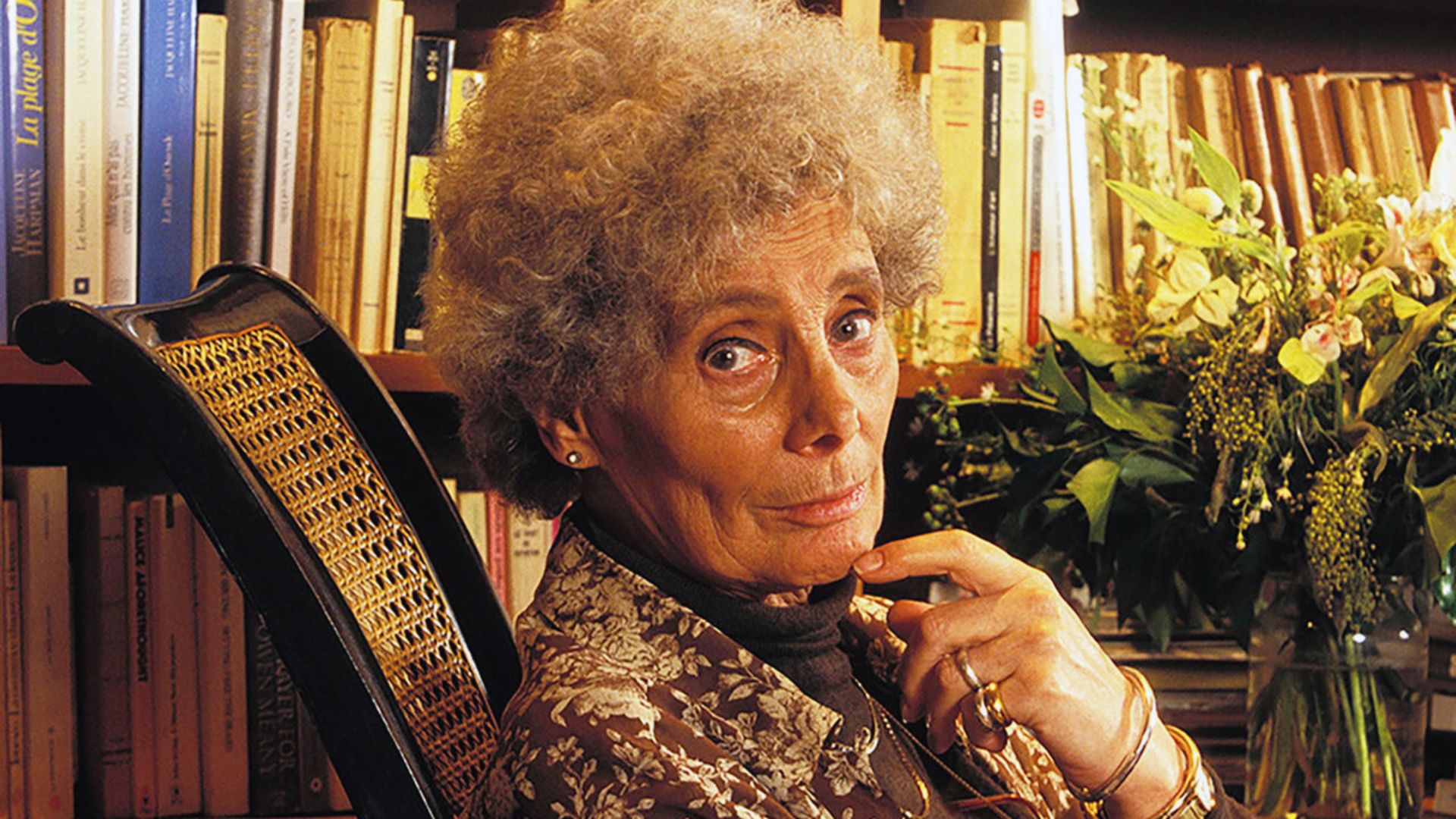
Jacqueline Harpman was a Belgian writer and psychoanalyst known for fiction that goes deep into the human mind.
Her work looks closely at identity, isolation, and inner experience.
I Who Have Never Known Men is one of her most recognized novels and was originally written in French.
Her background in psychology shapes the way she writes. She is more interested in what people think and feel than in what they do.
That focus gives her stories a quiet power. Her voice blends philosophy and storytelling in a way that feels honest and unhurried, which is rare.
Conclusion
I Who Have Never Known Men is not an easy read, but it's one that stays with you.
I went in expecting action and came out with questions I'm still thinking about. It's slow, heavy, and unlike anything I've read before.
If that sounds like your kind of book, give it a try.
Have you read it? Drop your thoughts in the comments below. I'd love to know what you took away from it.
Frequently Asked Questions
What is I Who Have Never Known Men about?
Forty women are trapped underground with no explanation. They escape into a silent, empty world and still find no answers.
Is I Who Have Never Known Men a hard read?
The language is simple, but the themes are heavy. It's a slow, reflective read.
Does the book have a clear ending?
No. The ending is open and leaves many questions unanswered, which is a deliberate choice by the author to reflect the nature of the story.
Who is the narrator of the book?
The narrator is a young girl referred to as "the child." She was born into captivity and has no memory of a life outside the cage.
Is this book part of a series?
No. I Who Have Never Known Men is a standalone novel with no sequels or companion books.