
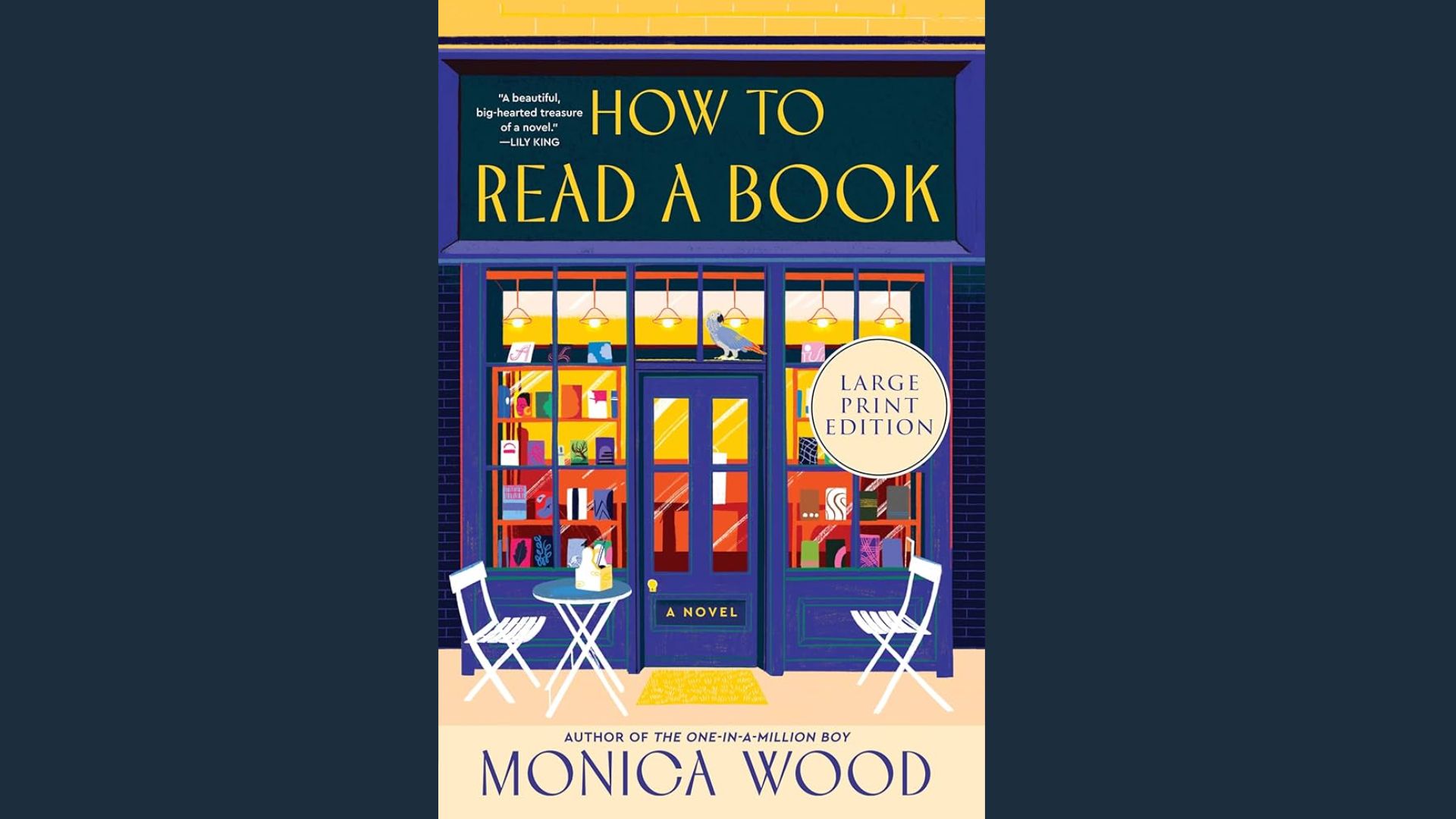
Should you read this book or skip it? That's exactly what I asked myself before picking it up.
The title alone made me curious. But curiosity doesn't always mean a book is right for you.
I've read enough books to know that going in with the wrong expectations can ruin even a decent one.
So before you commit, I want to give you an honest picture of what how to read a book Monica Wood actually is.
Not a summary. A real reader's take to help you decide.
Should You Read How to Read a Book by Monica Wood?
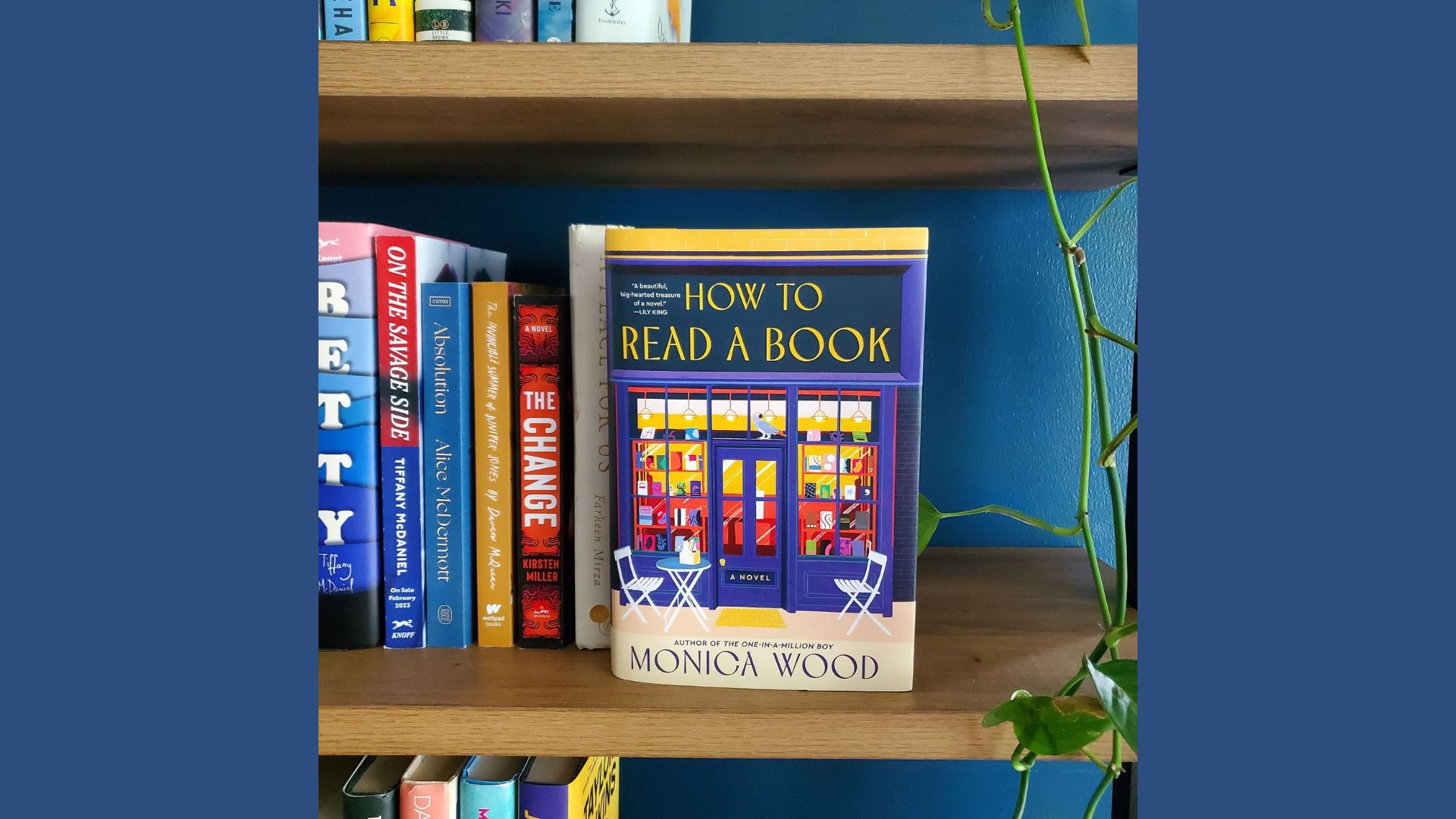
The short answer is: it depends on what you're expecting.
If you want emotional, reflective writing that makes you think slowly and feel deeply, this one is worth your time. It's not a quick, plot-driven read. It asks something of you as a reader.
But if you're looking for something fast-paced or plot-heavy, you might find yourself frustrated. This book rewards patience, not speed.
Most people searching for a how to read a book Monica Wood review are trying to make this exact call. They want someone to be straight with them.
So here it is: this is a book for a specific kind of reader, and knowing whether you're that reader matters before you start.
What Readers Expect vs What the Book Actually Delivers
The title sets up a very specific expectation. A lot of readers come in assuming this is some kind of reading guide or literary instruction manual.
It is not that.
Here's a clear breakdown of the gap:
| What Readers Expect | What the Book Actually Offers |
| A practical guide to reading better | Reflective, narrative-driven writing |
| Step-by-step techniques | Emotional insight and personal interpretation |
| A structured how-to format | An introspective reading experience |
| Quick, actionable content | Slow, thoughtful prose that builds over time |
That gap is the main reason some readers feel let down. Not because the book is bad. But because they walked in expecting something completely different.
First Impression: Does It Hook You or Feel Slow?
The opening doesn't grab you by the collar. It eases you in. Some readers love that. Others put the book down after the first few chapters.
If you go in knowing it's a slow build, you'll be fine. The early pages are more about setting a tone than pulling you into a plot.
There's a quiet quality to the writing right from the start. It doesn't try to impress you immediately. It just settles in and stays there.
For patient readers, that works. For readers who need a strong hook early, it can feel like a slow start that never quite picks up.
Reading Experience Breakdown (What It Feels Like to Read It)
The experience of reading this book is genuinely different from most contemporary fiction. It's not a page-turner. It's more like sitting with someone who has a lot on their mind.
Emotional Engagement While Reading
The emotional connection builds gradually. It doesn't hit you hard in chapter one.
But by the time you're deep into it, there's a quiet pull. It works on you slowly, the way a conversation with someone honest tends to do.
Some readers find it deeply moving. Others feel it stays at arm's length the whole way through. That difference usually comes down to personal reading style.
Writing Simplicity and Flow
Monica Wood writes with clean, clear sentences. There's no showing off. No overly complex language to wade through.
The prose is accessible. You won't need to re-read paragraphs just to understand what's happening.
That simplicity is actually one of the book's strengths. It keeps the focus on what's being said, not how it's being said.
Pacing and Interest Level
The pacing is slow and steady throughout. Don't expect sudden shifts or big dramatic moments.
It moves at the speed of thought. Reflective, unhurried, and intentional.
If you enjoy books that give you space to think between chapters, this pacing will feel right. If you prefer books that keep pushing forward, it may test your patience.
Why People Search "How to Read a Book Monica Wood Review"
Most people searching this aren't looking for a plot summary. They want someone to tell them honestly what reading this book actually feels like.
There's also genuine confusion about the genre. The title sounds instructional, but the book isn't. That mismatch sends people online looking for clarity.
A lot of readers also want to know if it's emotionally worth the investment. Reading takes time. Nobody wants to finish a book and feel like they wasted it.
What most reviews of how to read a book Monica Wood seem to agree on is this: the emotional tone is its biggest selling point, and the literary depth is real. But it only lands if you're in the right headspace for it.
Honest Pros and Cons From a Reader Perspective
Before you decide, here's a straight look at both sides.
What Readers Love
The emotional depth is real and consistent throughout the book. It doesn't fake feeling. It earns it.
The reflective storytelling style is something readers who enjoy introspective writing respond to strongly. It feels personal in a quiet way.
The writing itself is clean and thoughtful. Monica Wood doesn't waste words. Every sentence is doing something.
What May Disappoint Some Readers
If you came here looking for reading techniques or practical advice, you won't find them. The title is genuinely misleading for that type of reader.
Some readers describe parts of the book as abstract or hard to connect with. That's a fair point. It's not always concrete.
The slow pace may also be a dealbreaker for readers who need momentum to stay engaged. It asks for a certain kind of attention that not everyone is in the mood to give.
Who Will Actually Enjoy This Book
Reflective readers will get the most out of this. If you enjoy sitting with ideas and letting them settle, this is your kind of book.
People who love literary fiction with emotional weight will likely find it rewarding. It fits comfortably alongside books that prioritise feeling over plot.
If you're someone who reads to learn practical skills or techniques, this probably isn't the right pick. The title suggests instruction. The book delivers introspection instead.
Readers who are going through something personally, a big change, a period of quiet, a need to slow down, often connect with this one more deeply than others.
Real Reader Verdict (What Most People Feel After Finishing It)
Most readers finish this book feeling one of two things. Either it stayed with them in a meaningful way, or it felt underwhelming because it didn't deliver what they expected.
The readers who connected with it tend to describe it as quietly powerful. Something they kept thinking about after they put it down.
The readers who felt let down usually point to the same thing: they wanted more. More plot, more direction, more of a payoff.
Both reactions are valid. The book simply works better for some readers than others, and that's not a flaw. It's just the reality of how this kind of writing lands.
Final Decision: Should You Read It or Skip It?
Read it if you enjoy slow, reflective literary writing. Read it if you're in a patient headspace and want something that makes you feel more than it makes you think.
Read it if you're comfortable with books that don't give you a clear destination and trust the writing to be worth the time.
Skip it if you're expecting a reading guide or anything instructional. The title will mislead you, and the content won't deliver what you came for.
Skip it if you need momentum to stay engaged. This book doesn't build that way, and pushing through without the right mindset rarely ends well.
Conclusion
Reading is personal. What works for one person leaves another cold.
How to read a book Monica Wood is one of those titles that divides readers cleanly down the middle. And now you know which side you're on.
So make the call. Pick it up or move on. Either way, you're going in with clear eyes.
If this helped you decide, share it with someone who's been sitting on the fence about it. And if you've already read it, tell me in the comments. What was your honest take?
Frequently Asked Questions
Is How to Read a Book by Monica Wood actually a guide on reading?
No, despite the title it is not a practical reading guide. It's a reflective, narrative-driven book focused on emotional insight rather than technique.
Is the book worth reading for casual readers?
It depends on your reading preference. Casual readers who enjoy slow, introspective writing will likely enjoy it, but those who prefer fast-paced stories may not.
What type of book is How to Read a Book Monica Wood really?
It reads as reflective literary fiction with an introspective and emotional tone. It's more of a personal, thought-driven narrative than a structured how-to book.
Why are people searching for how to read a book Monica Wood review?
Most readers are searching because the title creates confusion about the genre. They want honest impressions before committing their reading time to it.
Should I read this book or skip it?
Read it if you enjoy quiet, reflective literary writing with emotional depth. Skip it if you're looking for practical reading techniques or a fast-paced story.