


Ever finish a mystery novel and still find yourself thinking about the clues and characters days later?
That's exactly what Louise Penny's How the Light Gets In does to readers.
This summary is here to give you a clear look at the story without making things complicated.
I'll cover the plot, main characters, themes, writing style, and ratings. I'll also share my personal take after reading it.
This guide works for readers who want a quick refresher, a better grasp of the novel's meaning, or help deciding if it belongs on their reading list.
Quick Book Overview
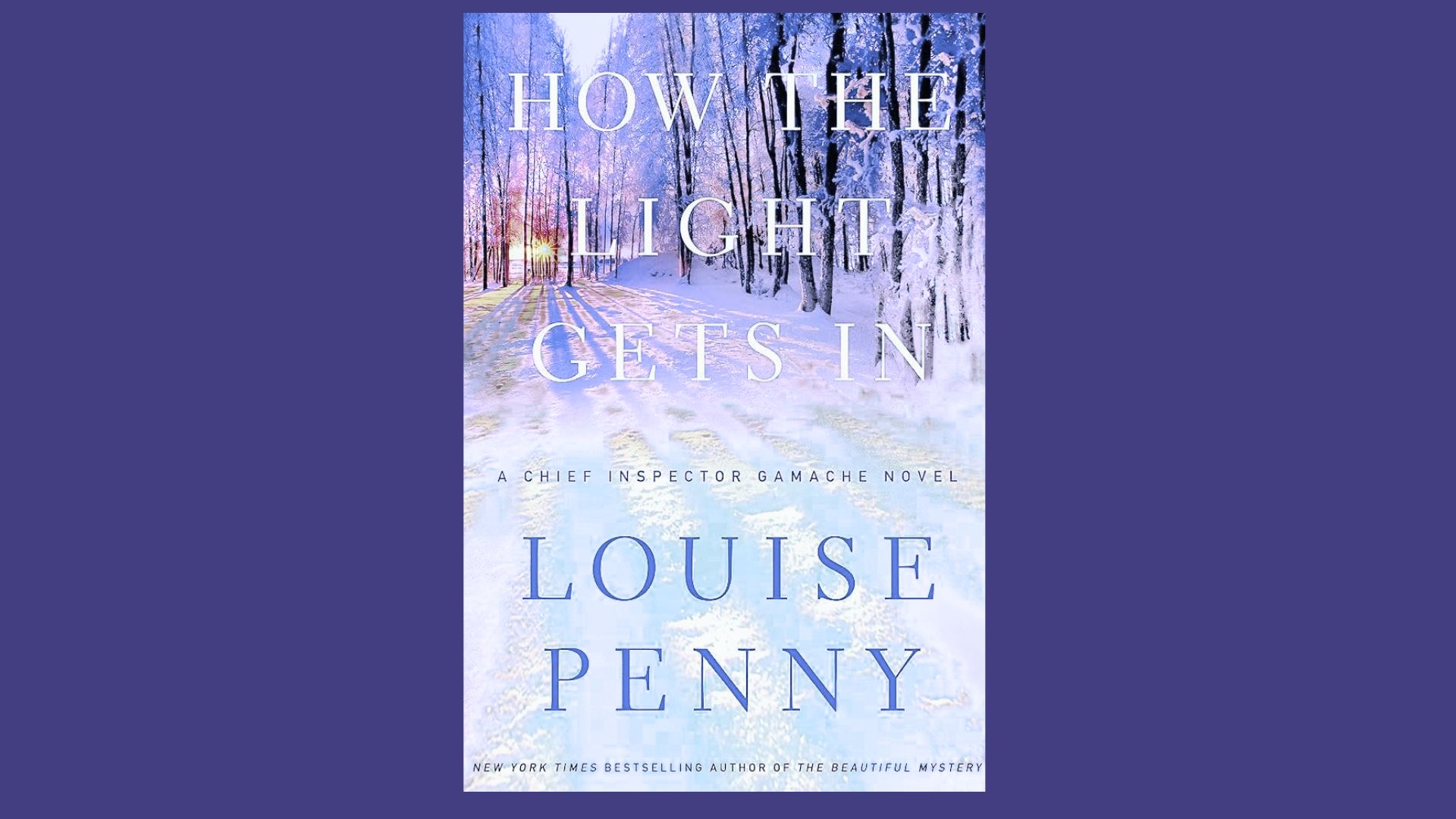
How the Light Gets In is the ninth book in Louise Penny's Chief Inspector Armand Gamache series.
Published in 2013, it follows Gamache as he works to solve a cold case while facing serious corruption within the Surete du Quebec.
The story is largely set in the quiet village of Three Pines. This novel is widely seen as one of the strongest in the entire series.
How the Light Gets In Summary (Spoiler-Free)
The story opens with Gamache carrying two heavy burdens. He is working a cold case involving a woman who has been missing for years.
At the same time, he is fighting a quiet battle against powerful forces within his own police organization.
As Christmas approaches in Three Pines, the community gathers and the story picks up pace. Old wounds surface. Loyalties are tested.
Gamache must decide how far he is willing to go to do what's right.
The mystery is tight and well-plotted. But what makes this book stand out is how Penny ties the personal and professional stakes together. By the final chapter, nothing feels accidental.
Main Characters Explained
A strong cast gives this novel its emotional weight.
- Chief Inspector Armand Gamache
Gamache is the heart of the series. He is thoughtful, principled, and deeply human. In this book, he is under pressure from multiple sides. Readers see him at both his most vulnerable and most determined.
- The Missing Woman and Her Family
The cold case centers on a woman who vanished years ago. Her family never stopped looking for answers. Their grief and persistence run quietly through the whole story.
- Gamache's Trusted Allies
Inspector Beauvoir and other members of Gamache's team play key roles. Their relationships with Gamache are tested, and their choices directly affect how the story ends.
Major Themes
The novel works on more than one level. Below the mystery, it carries ideas worth sitting with.
- Hope in Difficult Times
The title comes from a Leonard Cohen lyric.
The idea is simple but powerful: even in dark or broken places, light finds a way in. Gamache's situation throughout the book reflects this idea in a very personal way.
- Corruption and Integrity
Much of the tension comes from watching Gamache hold his ground against a corrupt system.
The question the novel keeps asking is whether one person can actually make a difference when the odds are stacked against them.
- Family and Legacy
The missing woman's story is really about what families carry across generations.
Secrets, loss, and love all show up here in ways that feel honest and real.
- Truth and Persistence
Gamache does not give up on the cold case even when it seems pointless.
The novel treats truth as something worth pursuing, even when it costs you something significant.
Writing Style and Narrative Technique
Penny writes with quiet confidence. Her sentences are clean and her pacing is measured. She does not rush.
The atmosphere in Three Pines feels lived-in and real, like a place you could actually visit.
She layers information carefully. Small details early in the book only make sense later. It rewards patient reading.
The emotional depth never feels forced. It grows naturally from the characters and situation. That balance between mystery and meaning is hard to pull off, and Penny does it well here.
Why Readers Love It
Many readers appreciate the novel's warmth, wisdom, and emotional depth.
Strengths
This book earns every emotion it asks you to feel.
- The mystery is genuinely satisfying and well-constructed
- Gamache feels like a fully realized person, not just a detective
- The themes add meaning without slowing the story down
- The writing is calm, clear, and easy to absorb
- It works as both a mystery and a character study
Weaknesses
No book is perfect, and this one has a few things worth knowing before you start.
- Readers new to the series may feel slightly lost with some character histories
- The pacing is slower than typical thrillers, which may not suit everyone
- Some subplots take time to connect back to the main story
Goodreads and Amazon Ratings
What readers across the web are saying.
Goodreads: 4.4 out of 5 stars
Amazon: 4.7 out of 5 stars
Both ratings show how well-loved this book is among mystery readers. Most reviewers point to the emotional depth and strong plotting as the main reasons to read it.
My Personal Opinion
I found How the Light Gets In to be one of the most satisfying mysteries I've read in a long time.
The plot kept me engaged, but the themes are what stayed with me after I turned the last page.
Watching Gamache hold to his principles under serious pressure felt meaningful. It wasn't just a story.
The book had something real to say about what integrity actually costs. If you want a mystery that respects your intelligence and gives you something to think about, this one delivers.
Who Should Read This Book?
This book is a good fit if any of these describe you.
- Fans of detective fiction who want more than just a plot
- Readers who enjoy character-driven stories with real emotional weight
- Anyone drawn to psychological mysteries with layered meaning
- Fans already in the Gamache series looking for one of its best entries
- Readers who want suspense paired with genuine human insight
About the Author

Louise Penny is a Canadian author and former journalist. She created the Chief Inspector Gamache series, now one of the most respected in modern crime fiction.
Her books are known for combining strong mysteries with honest character writing.
Penny's stories often look at morality, community, and the way people deal with difficult truths. She has won multiple awards and has a loyal international following.
Through Gamache and Three Pines, she has built a world readers keep returning to.
Conclusion
I hope this How the Light Gets In summary gives you a clear sense of what the novel is about and what makes it worth reading.
What stayed with me most was how the book balances a well-crafted mystery with genuine emotional honesty. Few detective novels handle hope and integrity this well.
If you're thinking about picking it up, go in knowing it rewards patience. It's not a fast thriller. It's the kind of story that stays with you long after you finish it.
Have you already read it? Drop your thoughts in the comments. Share it with someone who loves a good mystery, or check out more book summaries on the site.
Frequently Asked Questions
What is How the Light Gets In About?
It follows Chief Inspector Gamache as he works a long-standing cold case while fighting corruption within his own police organization.
Is it part of a series?
Yes. It is the ninth book in Louise Penny's Chief Inspector Gamache series.
Can I read it as a standalone?
Yes, but knowing the earlier books gives you a richer understanding of the character relationships.
What are the main themes?
Hope, integrity, family, corruption, loyalty, and the pursuit of truth are the central ideas.
Is it worth reading?
Yes, especially for readers who want a mystery with real emotional depth and strong character writing.