


Looking for an honest Mexican Gothic summary? You're in the right place. I'll help you decide whether Silvia Moreno-Garcia's bestselling horror novel deserves a spot on your reading list.
I picked up this book expecting a classic haunted-house story.
What I found was something far stranger: a chilling blend of gothic horror, social commentary, mystery, and psychological suspense.
In this post, I'll cover the plot without major spoilers, the central themes, analyze the key characters, and share my personal thoughts on the novel.
You'll also find what critics and readers think, who will enjoy this book most, and whether its unsettling reputation is deserved.
Let's jump in.
Synopsis of Mexican Gothic
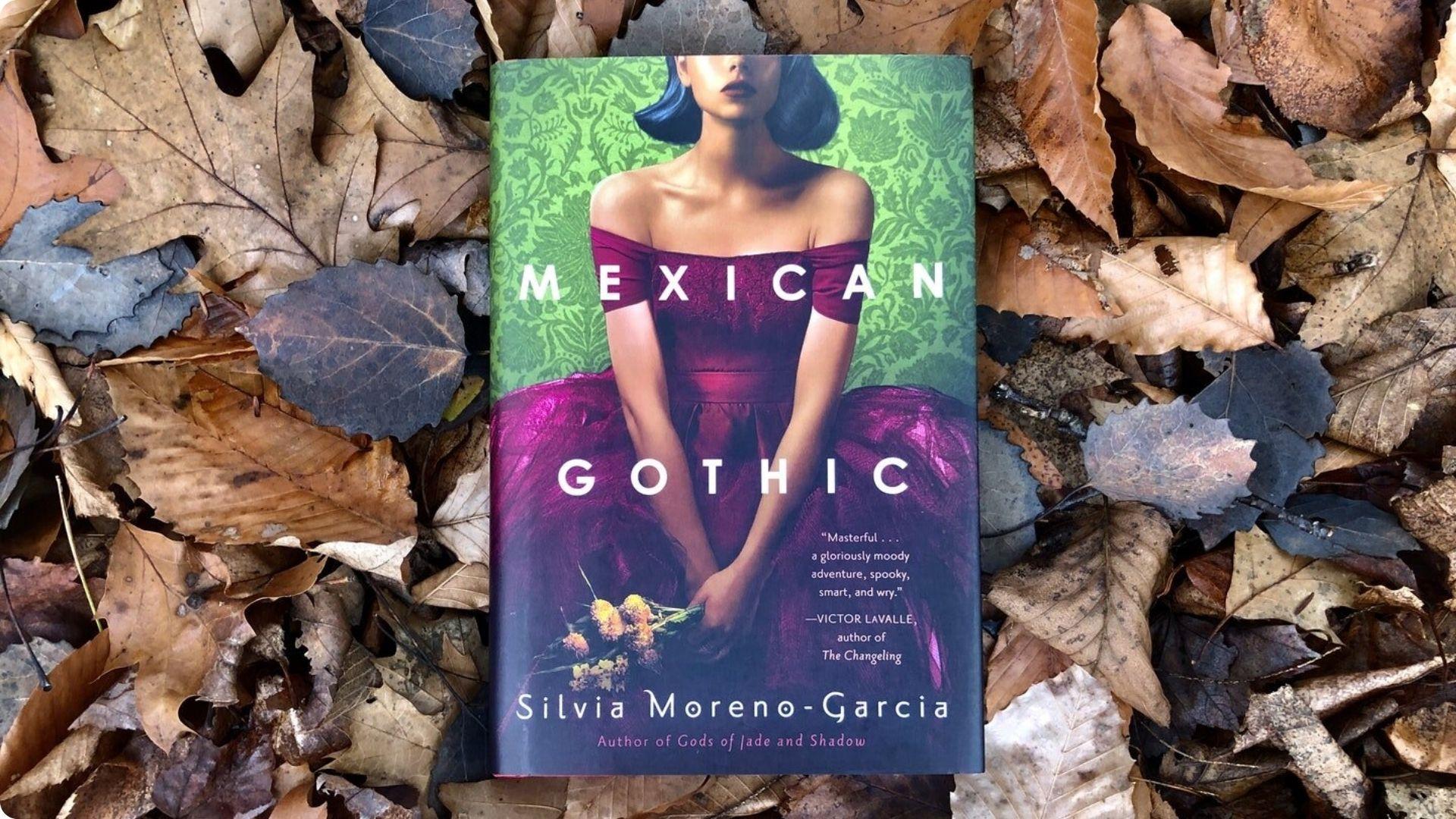
Mexican Gothic is set in 1950s Mexico and follows Noemí Taboada, a glamorous and intelligent young woman living a privileged life in Mexico City.
Her world changes when she receives a disturbing letter from her recently married cousin, Catalina Doyle, who claims her husband is poisoning her and that strange forces are haunting her.
Concerned for Catalina's safety, Noemí travels to High Place, a remote and decaying mansion in the Mexican countryside. There, she encounters the mysterious Doyle family, whose unsettling behavior raises more questions than answers.
As Noemí investigates, she uncovers dark family secrets, disturbing traditions, and a horrifying truth hidden within the walls of High Place.
What begins as a rescue mission slowly transforms into a terrifying fight for survival.
The result is a gothic horror novel that combines atmosphere, social critique, and psychological dread in unforgettable ways.
Major Themes in Mexican Gothic
Moreno-Garcia talks about powerful themes beneath the novel's eerie surface.
Colonialism and Exploitation
One of the novel's strongest themes is the lingering impact of colonialism.
The Doyle family represents the destructive legacy of European privilege and exploitation. Their wealth and influence are built upon control, extraction, and the suffering of others.
The novel critiques systems that allow power to survive across generations.
Power, Control, and Patriarchy
Many characters attempt to control Noemí and Catalina through intimidation, manipulation, and social expectations.
The novel examines how women are often denied autonomy and forced into roles designed by others.
Noemí's resistance becomes one of the story's most satisfying elements.
Family Secrets and Generational Trauma
The Doyle family is built upon generations of hidden crimes and disturbing traditions.
The novel shows how unresolved trauma can poison entire families and continue affecting future generations.
Race, Class, and Social Status
Noemí frequently faces prejudice because of her background and identity.
Moreno-Garcia talks about how race and class influence power structures, particularly in postcolonial societies.
Decay and Corruption
Throughout the novel, physical decay mirrors moral corruption.
High Place itself becomes a symbol of rot hiding beneath wealth, respectability, and tradition.
Character Analysis
The characters drive much of the novel's tension and emotional impact.
Noemí Taboada
Noemí is one of modern horror's most engaging protagonists.
At first glance, she appears carefree and fashionable. Beneath that surface, however, she is intelligent, determined, and remarkably brave.
Her growth throughout the story makes her easy to root for.
Catalina Doyle
Catalina's disturbing letters set the story in motion.
Although much of her struggle occurs before Noemí arrives, her experiences reveal the true horror hidden within High Place.
Virgil Doyle
Virgil is charismatic, unsettling, and increasingly threatening.
His behavior creates much of the novel's psychological tension.
Francis Doyle
Francis stands apart from the rest of his family.
Sensitive and conflicted, he becomes one of the story's most sympathetic characters.
Howard Doyle
The elderly patriarch embodies the darkness at the heart of the novel.
His influence extends far beyond what initially appears possible.
Writing Style and Narrative Voice
Moreno-Garcia's writing is one of the novel's greatest strengths.
Rich Gothic Atmosphere
The descriptions of High Place are vivid and unsettling.
Every hallway, shadow, and crumbling wall contributes to a constant feeling of unease.
Building Suspense Through Mystery
Rather than relying on nonstop scares, the novel slowly reveals its secrets.
The tension grows chapter by chapter until the horror becomes impossible to ignore.
Horror Blended With Social Commentary
The novel succeeds because its scares support deeper themes.
The horror feels meaningful rather than purely shocking.
Accessible Yet Elegant Prose
Moreno-Garcia's writing remains approachable while still creating a rich literary atmosphere.
The result is a novel that appeals to both horror fans and general fiction readers.
Critical Reception
Mexican Gothic received widespread acclaim after its publication.
Critics praised its originality, atmospheric storytelling, and fresh approach to gothic fiction.
Many reviewers highlighted Moreno-Garcia's ability to combine classic gothic elements with modern social commentary.
Some readers found the opening chapters slow and felt the story takes time to reveal its true nature.
Even so, the overall response was overwhelmingly positive, and the novel quickly became one of the most talked-about horror releases of its year.
Notable Reviews and Ratings
Here are the notable recognitions of the book on Goodreads and Amazon.
- Goodreads: 3.73/5 stars based on over 490,000 ratings and 50,000+ reviews. Readers frequently praise the novel's atmosphere, gothic setting, and different horror concepts, though some note the slow buildup and unusual ending.
- Amazon: 4.2–4.4/5 stars (varies by edition and marketplace) based on tens of thousands of customer reviews. Reviewers often highlight the suspenseful mystery, strong protagonist, and fresh take on gothic horror.
- Literary Recognition: The novel was nominated for and won multiple genre awards, becoming one of the most celebrated horror novels of the decade.
- What Reviewers Are Saying: Many readers describe Mexican Gothic as a perfect blend of classic gothic fiction and modern horror. Others praise its social commentary and memorable setting, while some note that the atmosphere is stronger than the plot itself.
My Personal Reading Experience
Reading Mexican Gothic felt like stepping into a nightmare that becomes increasingly difficult to escape.
The atmosphere hooked me immediately. High Place feels alive in a way few fictional settings do. Every scene inside the mansion carries a sense of dread.
What impressed me most was Noemí. She's intelligent without being flawless, courageous without feeling invincible, and consistently interesting to follow.
The horror also surprised me. I expected ghosts and haunted-house scares. Instead, the story takes a much stranger and more disturbing direction.
The final act is intense, bizarre, and unforgettable. While the slow start may not work for every reader, I found the payoff worthwhile.
About the Author: Silvia Moreno-Garcia

Silvia Moreno-Garcia is a Mexican Canadian author known for blending genre fiction with cultural and historical influences.
Before Mexican Gothic, she published several acclaimed novels spanning fantasy, science fiction, and horror.
Her work often talks about identity, history, power, and social inequality through imaginative storytelling.
With Mexican Gothic, she established herself as one of the most distinctive voices in contemporary horror fiction.
Conclusion
I hope this Mexican Gothic summary helped you decide whether the novel is right for you.
This isn't a fast-paced horror thriller filled with constant scares.
Instead, it's a slow-burning gothic mystery that rewards patience with unforgettable atmosphere, fascinating themes, and genuinely disturbing revelations.
If you enjoy haunted mansions, family secrets, psychological horror, and strong female protagonists, there's a good chance you'll love this book.
After finishing it, I couldn't stop thinking about High Place and the unsettling truths hidden within its walls. Few horror novels linger in the mind quite like this one.
If you've read Mexican Gothic, I'd love to know what you thought of its ending and whether the mansion was as terrifying to you as it was to me.
Frequently Asked Questions
What is Mexican Gothic about?
It follows Noemí Taboada as she investigates disturbing events surrounding her cousin at a remote mansion owned by a mysterious family.
Is Mexican Gothic scary?
Yes, though it relies more on atmosphere, psychological tension, and body horror than traditional jump scares.
Is Mexican Gothic based on a true story?
No. The novel is entirely fictional, though it draws inspiration from gothic literature and historical themes.
Why is Mexican Gothic so popular?
Readers praise its different blend of gothic horror, social commentary, strong characters, and immersive atmosphere.
Is Mexican Gothic difficult to read?
No. The writing is accessible, though the slow-burn pacing may require patience.
Is Mexican Gothic worth reading?
For readers who enjoy gothic fiction, psychological horror, haunted-house stories, and literary horror, the answer is very likely yes.