


If you've watched your child struggle with messy, slow, or hard-to-read writing, you're not alone.
Many parents search for how to improve kids' handwriting and feel stuck when basic practice doesn't seem to help.
I've been there too, trying everything before finding what actually works.
In this blog, I'll walk you through the real causes of poor handwriting, simple tools that help, and daily habits that show results.
No complicated drills. Just honest, tested strategies used by parents and teachers every day.
What Actually Causes Poor Handwriting in Kids
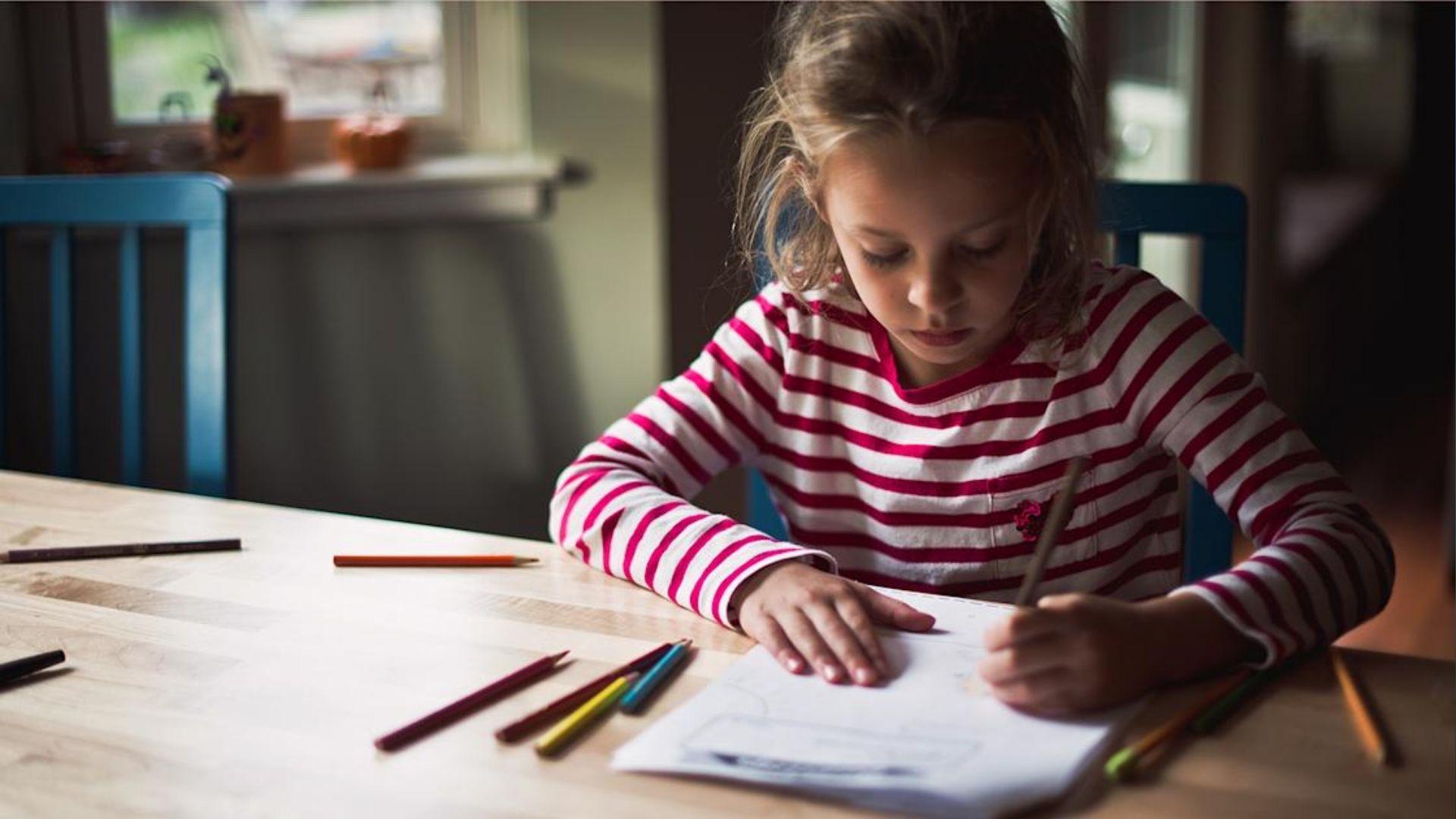
Poor handwriting rarely has one cause. Many kids hold their pencil too tight, which leads to hand pain and messy writing.
Some have weaker fine motor skills and struggle to keep letters consistent. Others rush through tasks and skip important strokes.
A few form the same letter differently every time, making writing look uneven. And with more screen time today, kids simply hold a pencil less often.
All of these things affect how writing looks and feels. Knowing the cause helps you fix the right thing first.
7 Proven Ways to Improve Kids Handwriting at Home
Small, steady changes at home work better than any single big fix. Here are seven methods that actually show results.
1. Use Pencil Grips for Better Control and Reduced Hand Fatigue
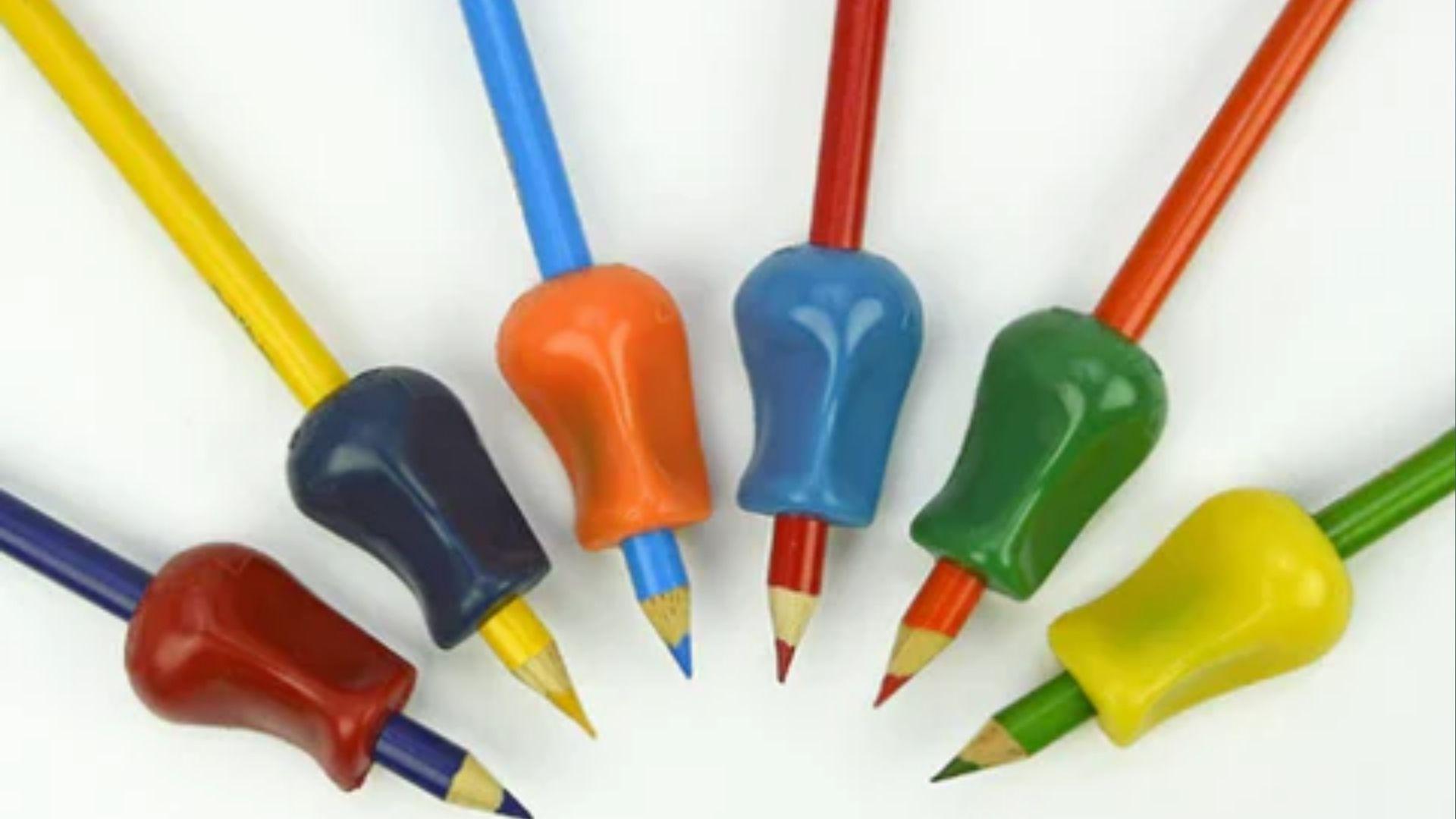
Pencil grips are small rubber or silicone attachments that fit onto a pencil. They guide fingers into the right position and reduce strain.
Even a basic grip can make writing more comfortable within days.
2. Practice Writing Slowly to Improve Accuracy and Neatness
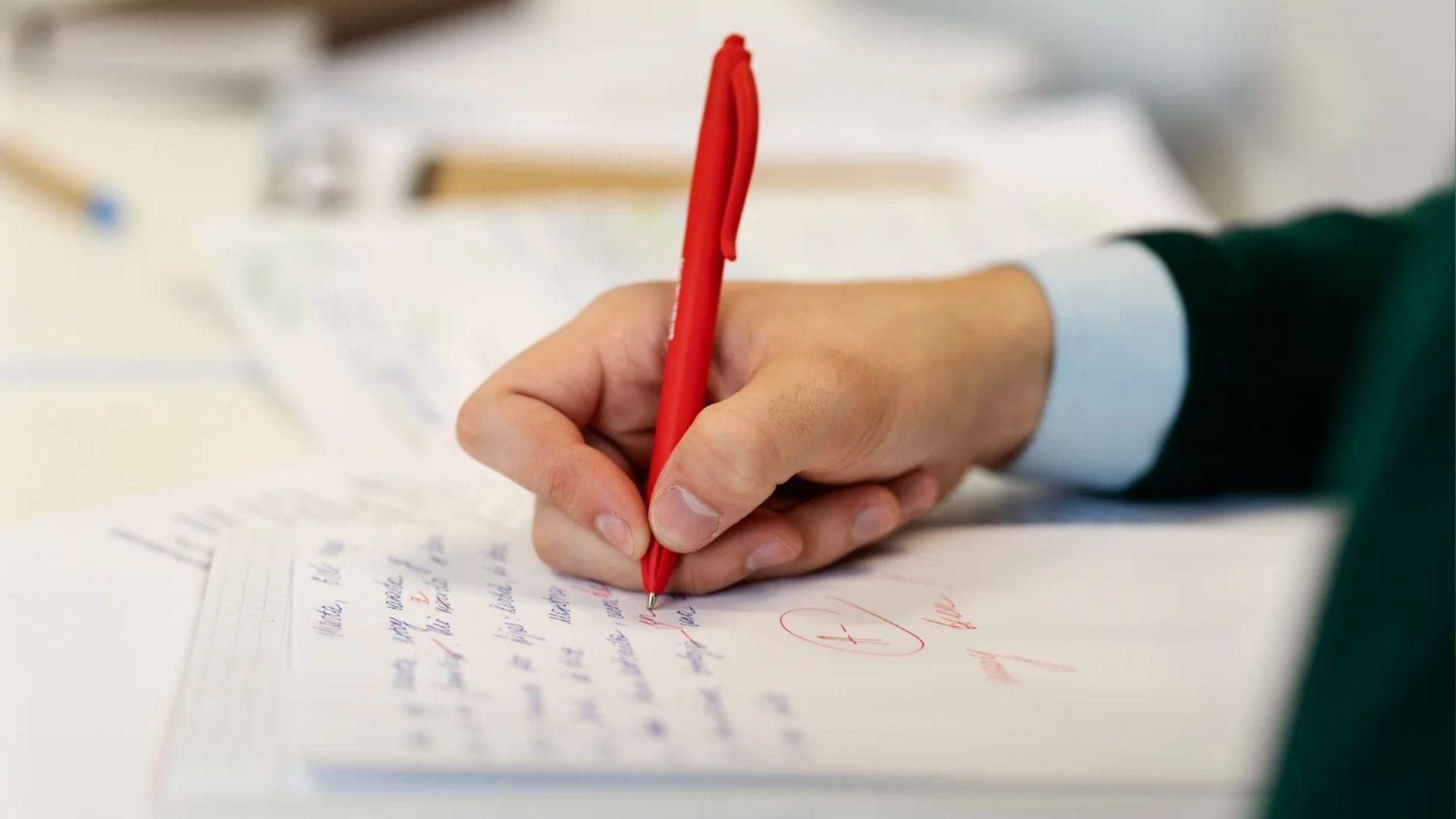
Ask your child to write slowly and focus on one letter at a time. Speed comes later. Accuracy first. Slow writing builds muscle memory for correct letter shapes.
3. Use Narrow-Ruled or Guided Paper for Better Letter Alignment
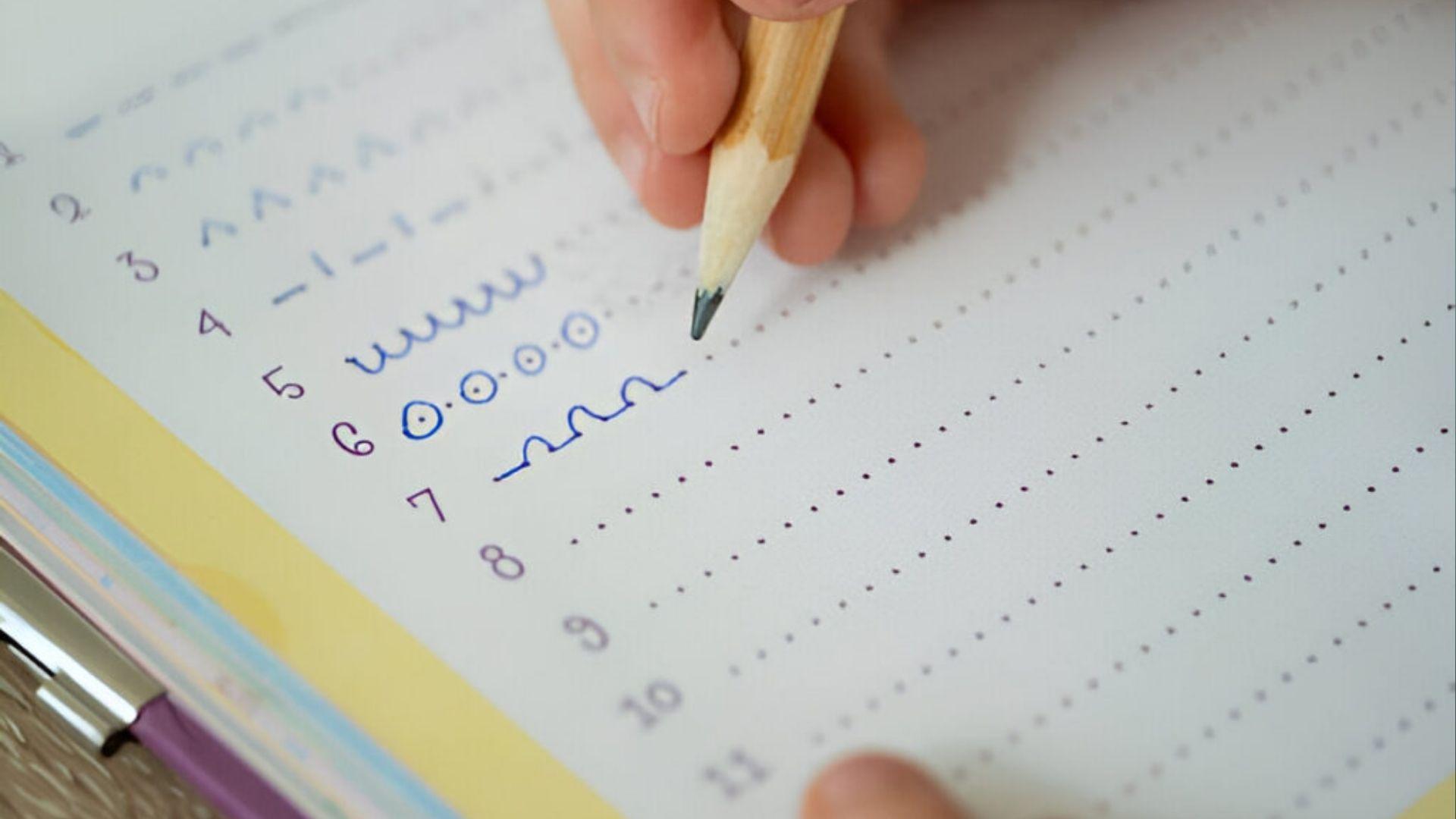
Wide-ruled paper gives too much space and letters go all over the place. Narrow-ruled paper keeps letters in line.
Guided paper with clear baselines and midlines helps kids understand letter sizing.
4. Teach Proper Spacing Between Words Using Simple Tools
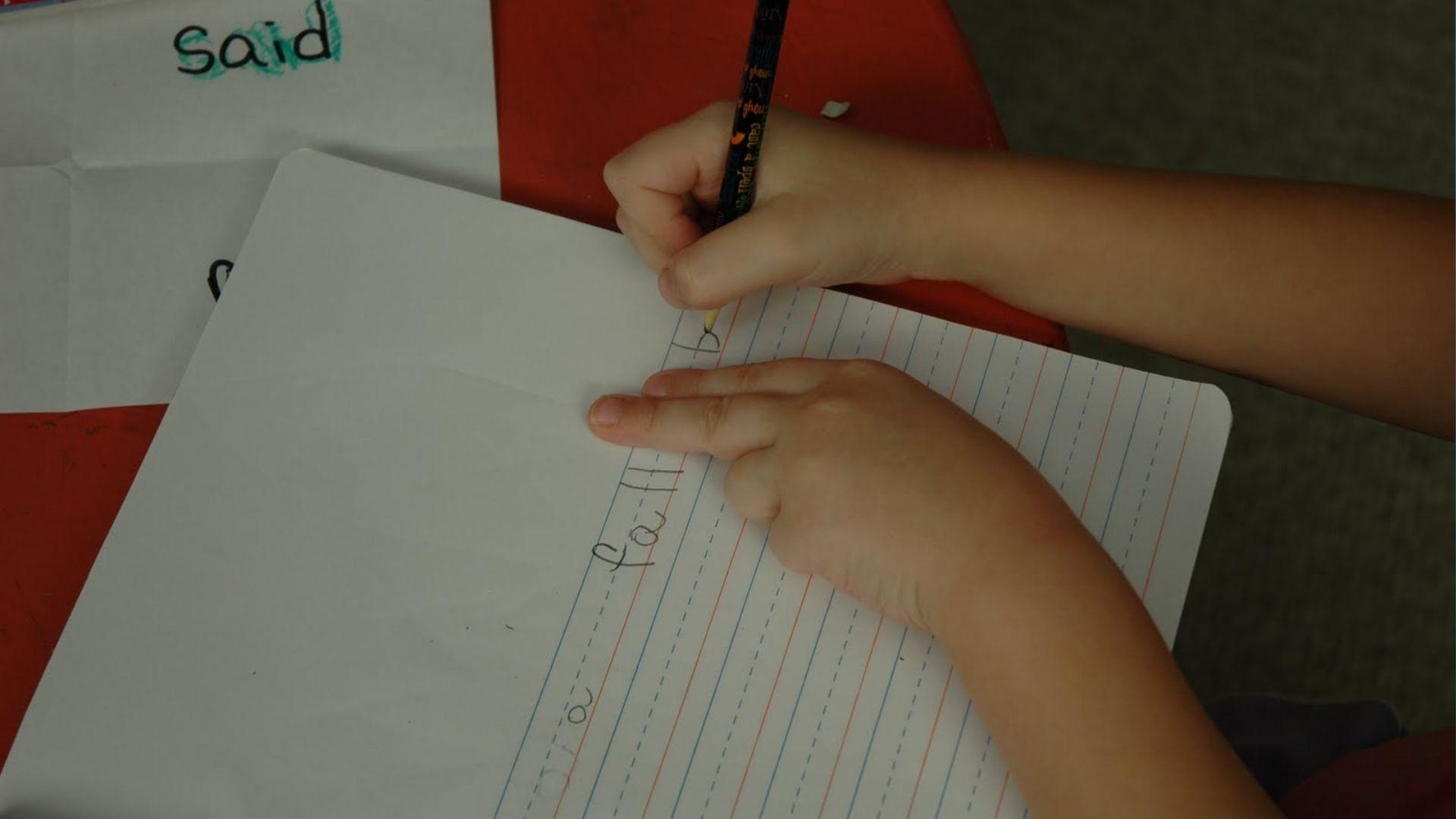
Many kids run words together or space them too far apart. A simple fix is using a craft stick or one finger as a spacer between words. This builds spacing awareness quickly.
5. Encourage Correct Pencil Grip (Tripod Grip Technique)
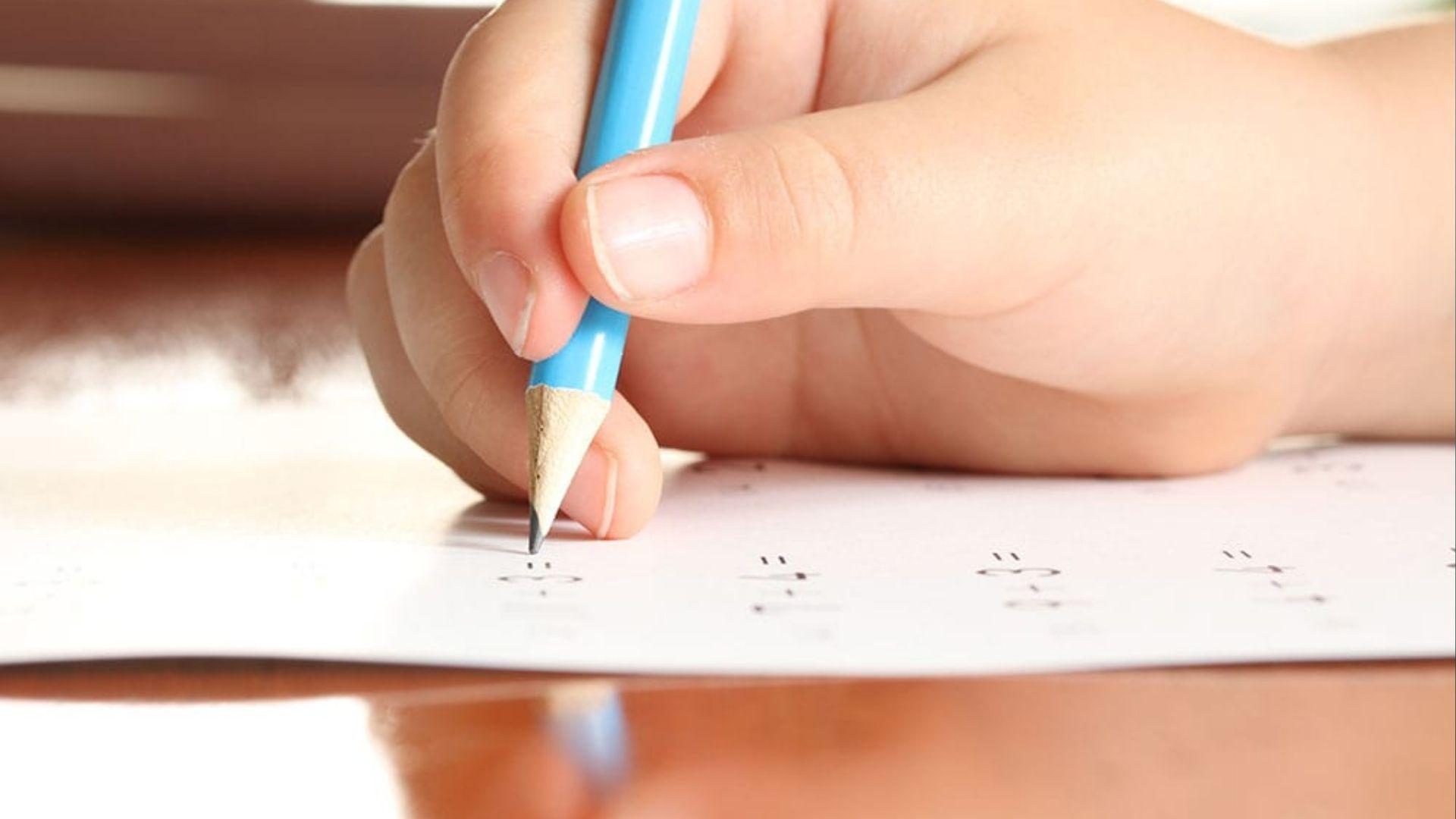
The tripod grip means holding the pencil between the thumb and index finger, resting on the middle finger.
This is the most natural and comfortable grip for most kids. It gives better control and reduces fatigue.
6. Make Handwriting Practice Fun with Games and Creative Activities

Let kids write grocery lists, birthday cards, or short stories they care about. Use chalk on a driveway or a whiteboard to make practice feel less like school. When writing feels fun, kids do more of it.
7. Build Consistency with Short Daily Handwriting Practice Sessions
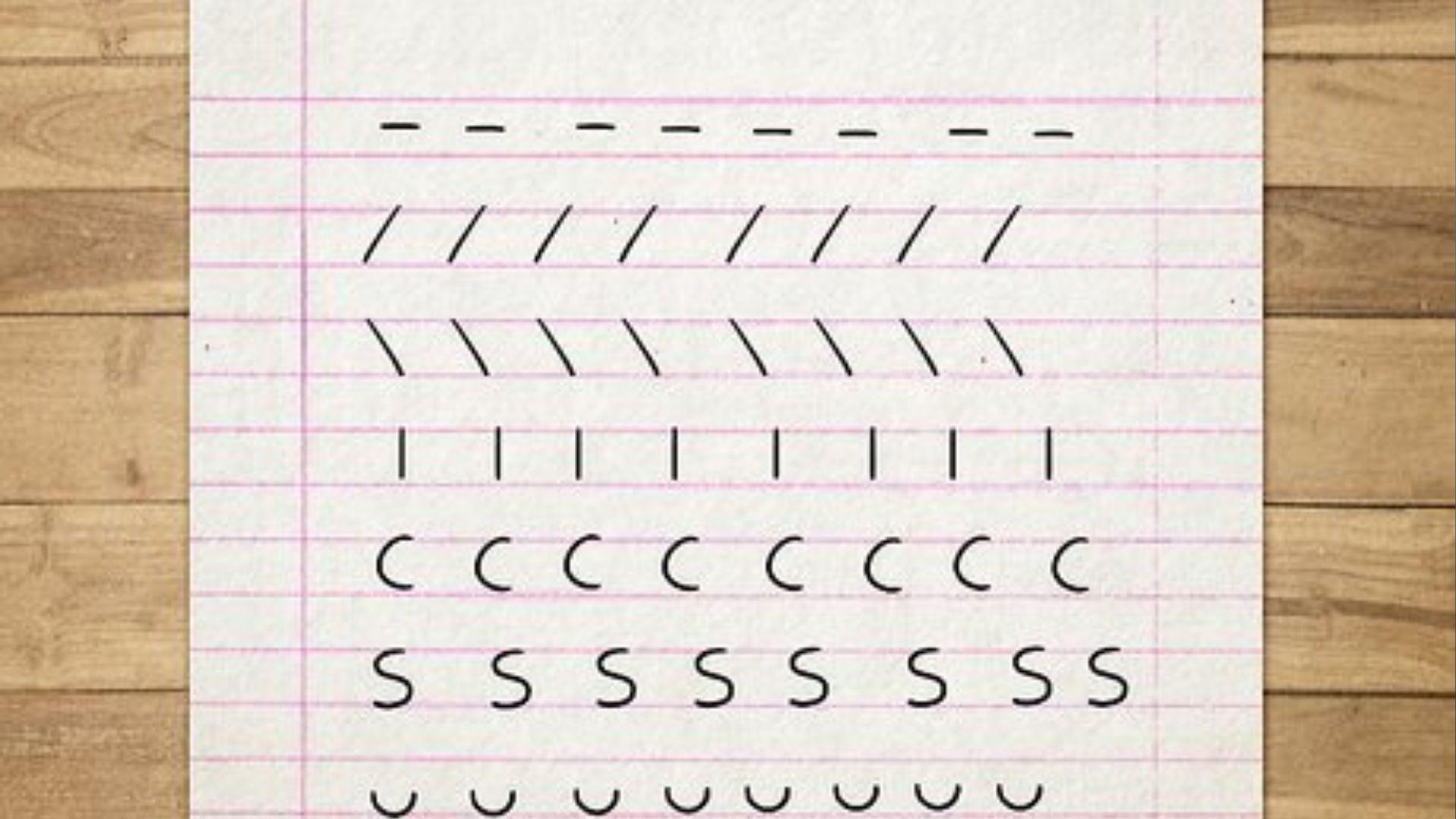
Ten minutes a day beats one long session a week. Short, regular practice keeps skills building without causing frustration. Pick the same time each day so it becomes part of the routine.
Best Tools That Actually Improve Handwriting
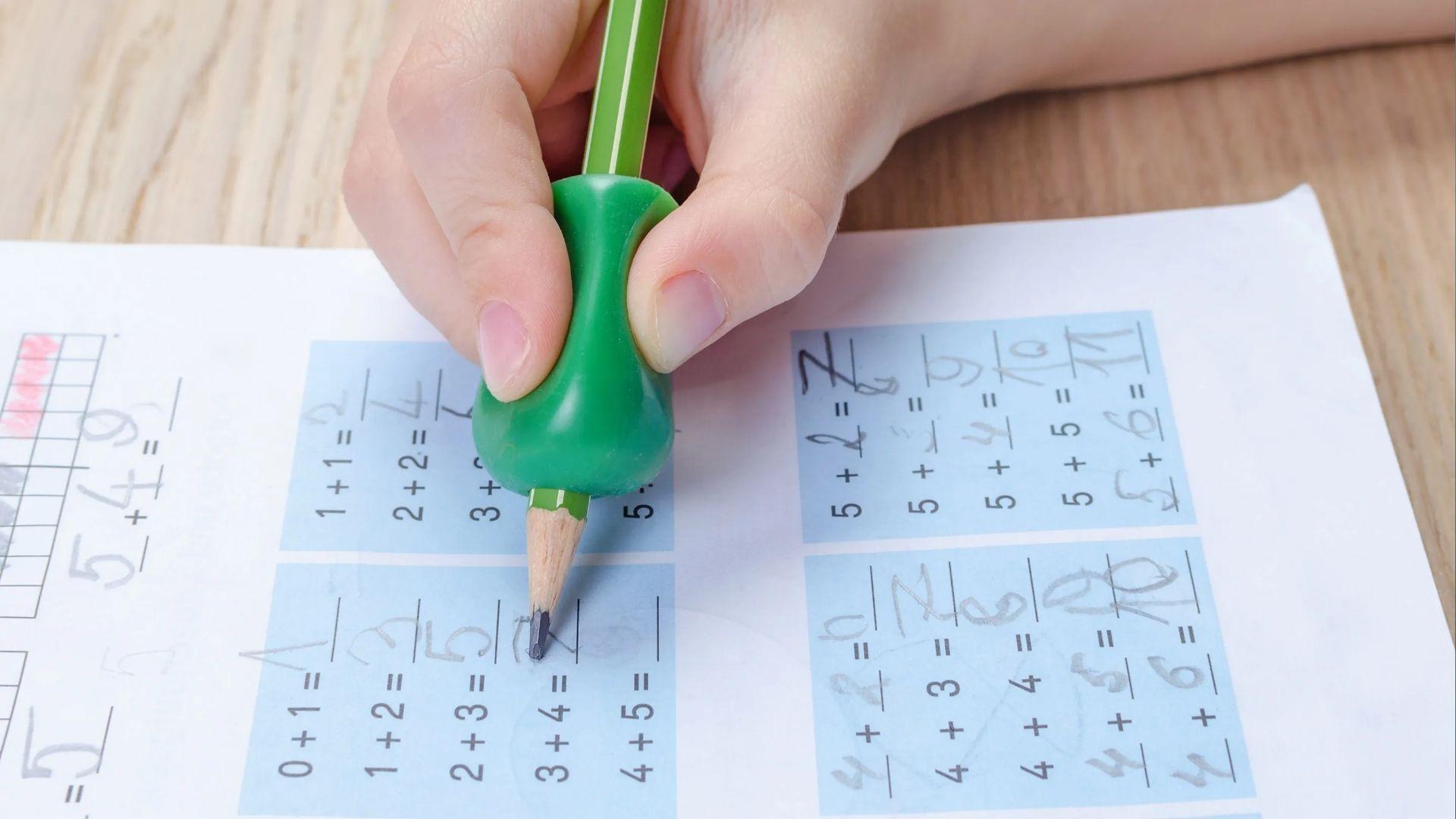
The right tools make practice easier and more effective from day one.
Pencil Grips for Comfort and Control
Grips come in many shapes. Triangular ones are great for beginners. Soft foam grips work well for kids who press too hard. Try a few to find what feels natural for your child.
Slant Boards for Posture and Wrist Positioning
A slant board tilts the writing surface at an angle. This improves wrist position and reduces arm fatigue. It also helps kids see their work more clearly as they write.
Spacing Tools (Sticks, Markers, Finger Guides)
Craft sticks, rubber spacer tools, or even a simple finger placed between words all help kids learn consistent spacing. These tools make an abstract concept easy to feel and understand.
Handwriting-Friendly Paper (Narrow Ruled, Graph Paper)
Graph paper is great for teaching letter size and spacing. Narrow-ruled notebooks keep writing more consistent than wide-ruled ones. Look for paper with clear midlines if possible.
Comfortable Pens and Pencils That Improve Writing Experience
Some kids write better with a triangular pencil. Others prefer a ballpoint pen with a soft grip. Let your child try different options. The right writing tool can make a surprising difference.
Simple Handwriting Techniques That Show Real Improvement
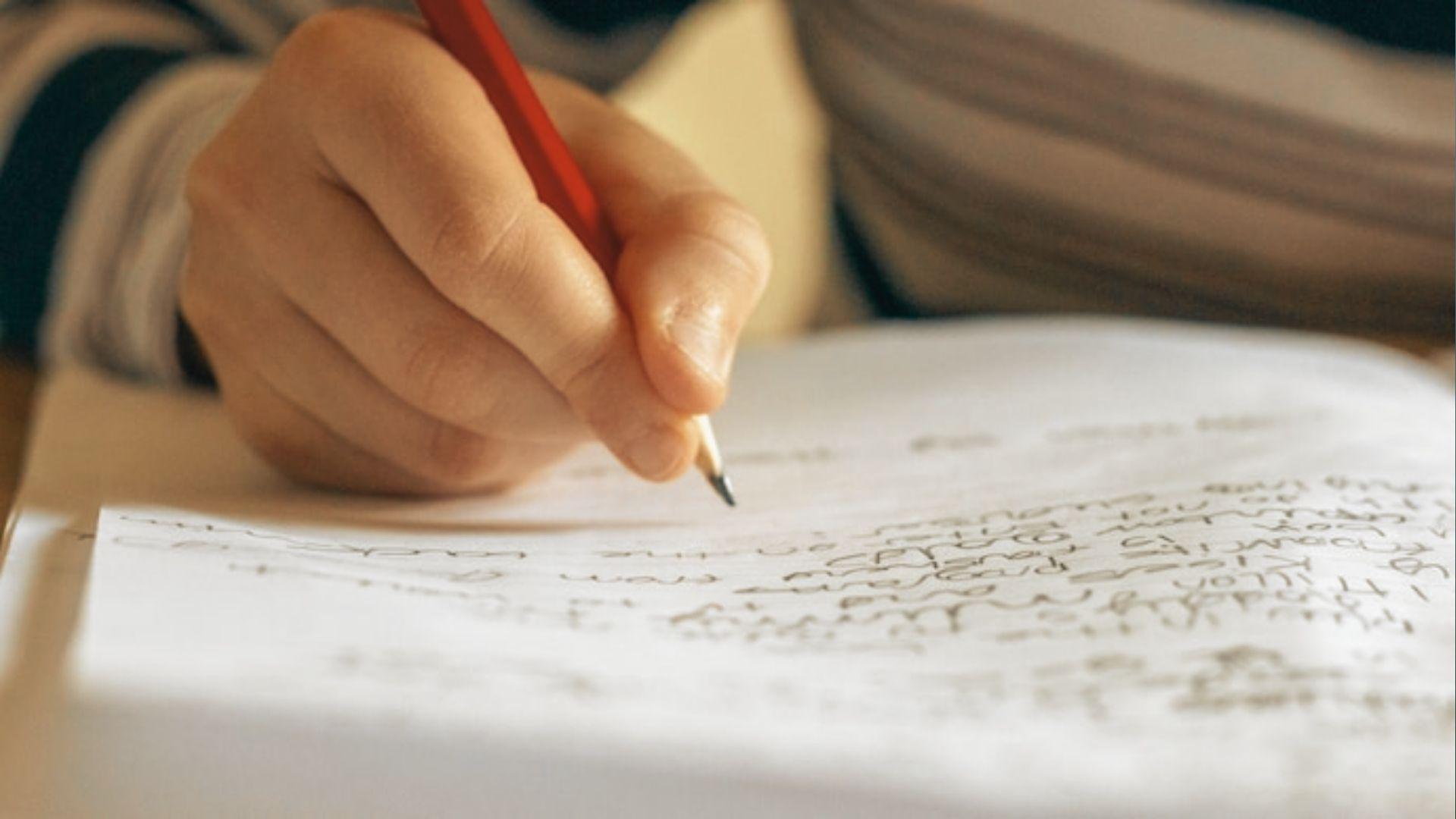
Good technique builds better habits, and better habits build better handwriting over time.
Teaching Proper Tripod Grip (When Age-Appropriate)
Most kids are ready for the tripod grip by age five or six. If a child has been using a different grip for years, change it slowly. Forcing a grip change too fast can cause frustration.
Improving Letter Size Using "Sky, Grass, Dirt" Method
This method uses three zones:sky (above the midline), grass (between midline and baseline), and dirt (below the baseline). It helps kids understand where tall letters, short letters, and descenders belong. Visual kids love this method.
Training Consistent Spacing Between Words
Practice by writing a sentence and checking spacing after each word. Over time, kids develop a natural sense of how much space looks right. This takes a few weeks but sticks well.
Slowing Down Writing Speed for Better Control
Set a low-pressure goal. Ask your child to write one sentence slowly and neatly before picking up speed. Once the brain and hand connect at a slower pace, neatness carries over to faster writing too.
Building Muscle Memory Through Repetition, Not Pressure
Muscle memory grows through calm, regular practice. Pressure and frustration block learning. Keep sessions positive and short. Celebrate small wins like one neater letter or one cleaner line.
Tips to Improve Kids Handwriting Faster at Home
Here are a few quick tips that make a real difference when used regularly:
- Use a pencil grip every writing session until the correct hold feels natural.
- Write on slightly rough or textured paper for better pencil feedback.
- Sit at the right height with feet flat on the floor during practice.
- Trace letters before writing them freely to build stroke memory.
- Avoid timed writing tasks at home. Speed comes naturally with time.
- Use a slant board or a thick book under paper to improve wrist angle.
- Praise one specific thing that improved after every session.
Conclusion
Helping your child write better is not about pushing harder. It is about the right tools, small daily habits, and a lot of patience.
I remember feeling frustrated watching my child struggle, until I stopped focusing on results and started focusing on the process.
Things changed slowly, then steadily. If you focus on how to improve kids' handwriting one step at a time, you will see real progress.
Start with one tip from this blog today. If this helped, share it with another parent or leave a comment below. I'd love to hear what worked for you.
Frequently Asked Questions
At what age should I start worrying about my child's handwriting?
Most kids develop consistent handwriting between ages six and eight. If writing is still very hard to read by age nine, it may be worth getting a professional opinion.
How long should handwriting practice be for young kids?
Ten minutes a day is enough for most children aged five to eight. Short, regular sessions work far better than long, infrequent ones.
Can a wrong pencil grip really affect handwriting quality?
Yes. A poor grip causes hand fatigue and limits letter control. Correcting it early, with a grip tool if needed, leads to neater and more comfortable writing.
My child's teacher says their handwriting is fine but I still see issues. What should I do?
Trust your observations too. You can still practice at home using the tips in this blog. If concerns continue, a brief talk with an occupational therapist can bring clarity.
Does screen time really reduce handwriting ability in kids?
Yes, research supports this. Less time holding a pencil means weaker hand muscles and less practice forming letters. Balancing screen time with regular writing activities helps maintain good handwriting skills.