


I spent years calling my bookshelf "just a collection." Then someone walked into my place and said, "Oh, you have a home library." That stopped me cold. Did I?
That question sent me down a rabbit hole I wasn't expecting. Turns out, how many books make a home library is something a lot of people wonder about and nobody agrees on.
Is it 50 books? 300? Does the space matter more than the count?
I dug into expert opinions, reader perspectives, and real-world setups to find out. What I found might surprise you.
What Is a Home Library?
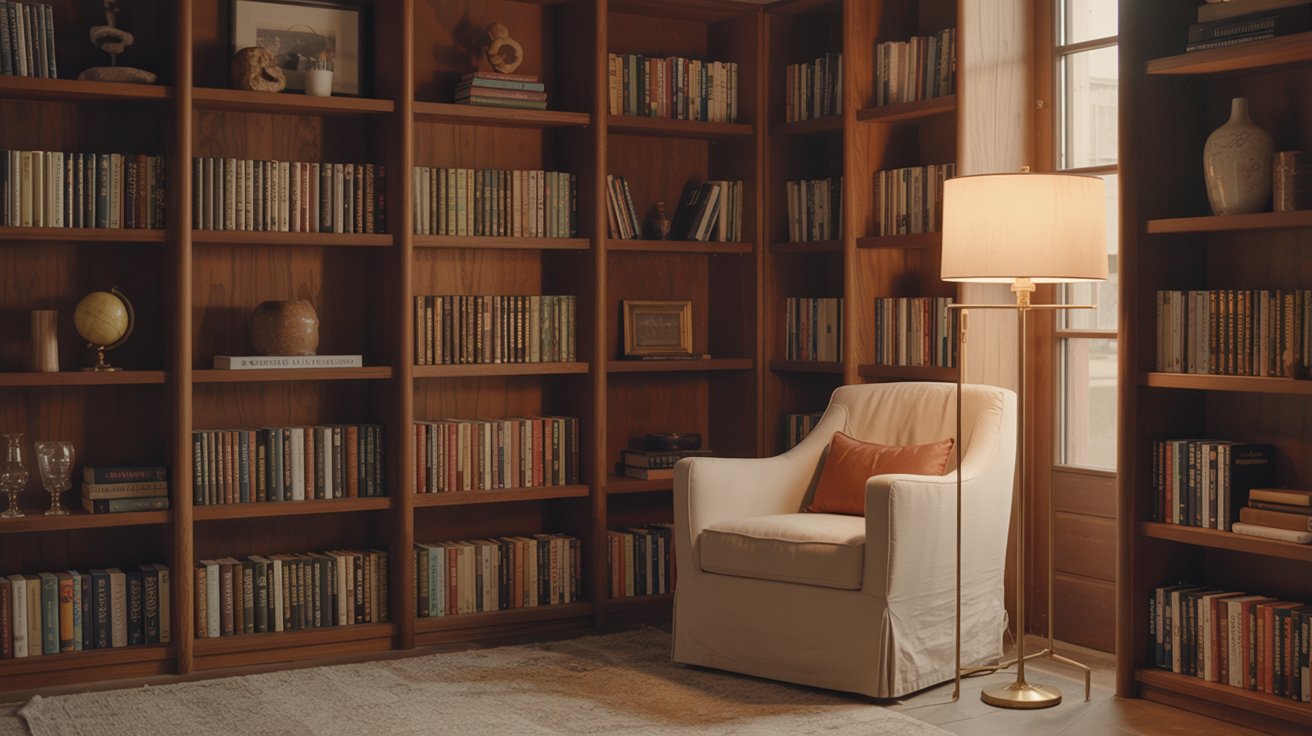
A home library is more than a stack of books on a shelf. It's a reading space built with purpose. It shows what you care about and how you spend your time.
Think of it as your personal knowledge space. Whether you have 60 books or 600, the idea is that they're organized, accessible, and actually being used.
A home library can be functional, decorative, or both. But the best ones serve you as a reader first.
The number of books matters far less than the intention behind them. A tidy shelf of 75 well-chosen books says more about you than a disorganized wall of 400.
How Many Books Make a Home Library?
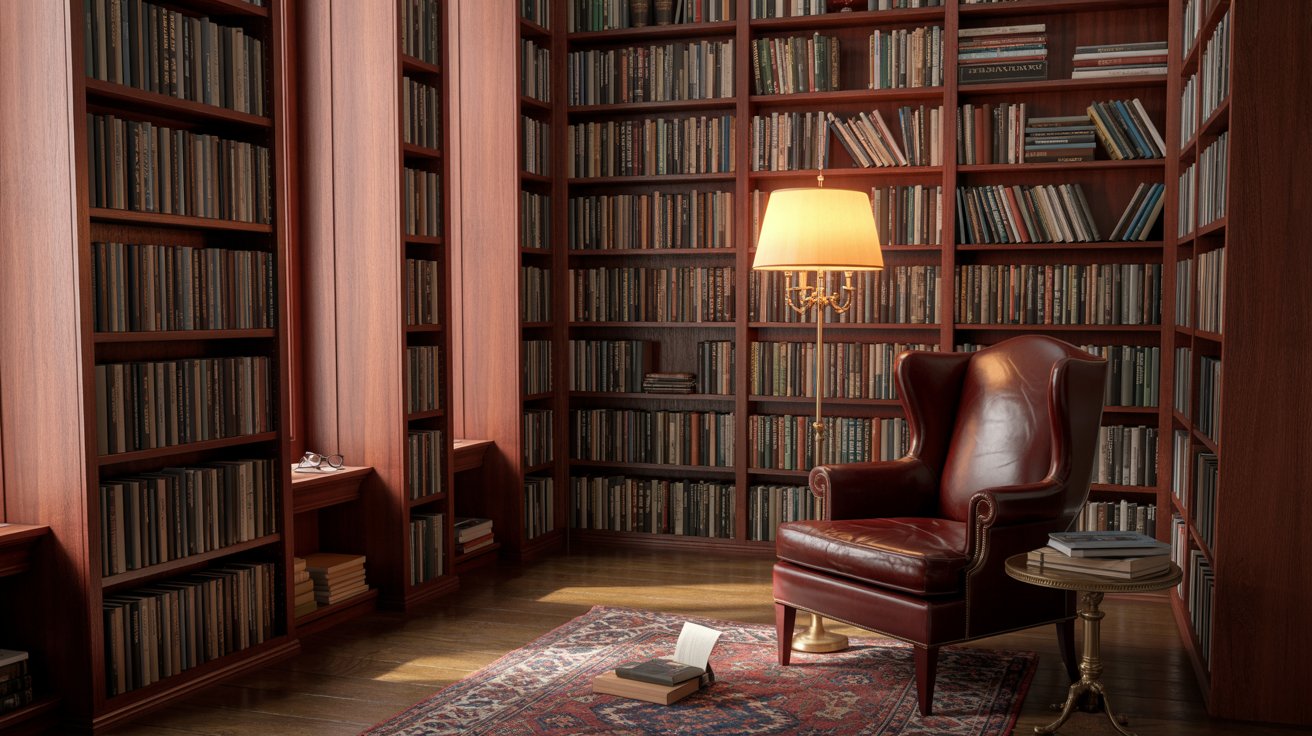
There's no universal rule here. The number shifts based on your lifestyle, your space, and your reading habits. But there are some widely accepted ranges worth knowing.
Minimalist Perspective (50–100 Books)
A small, curated collection can absolutely count as a home library. This setup is common in apartments or compact living spaces. Quality matters more than volume.
People with 50 to 100 books tend to read what they own. There's no filler. Every title has a reason to be on that shelf.
This approach works well for focused readers. A lean shelf is easier to manage and usually more intentional.
If you're just getting started, this range is a great place to begin. Don't let a smaller number make you feel like it doesn't count.
Standard Home Library (100–300 Books)
This is the range most people picture when they think of a real home library. It shows consistent reading habits built over time.
A collection in this range usually needs dedicated shelving. A bookcase or two, maybe a reading corner. The space starts to feel like something meaningful.
Books here often span multiple genres. Fiction next to history next to self-help. That variety tells a story about who you are.
If you're in this range, most people would agree your home qualifies as a proper library.
Traditional Library Setup (300+ Books)
Three hundred books and beyond starts to look and feel like a real library. Floor-to-ceiling shelves, multiple cases, maybe a dedicated room.
Collections this size usually have an organizational system. Alphabetical, by genre, by topic. Something to keep things manageable.
This is the traditional collector's setup. It takes years of intentional buying to build something this large.
If you're here, books aren't just a hobby. They're a core part of how you live.
Factors That Define a Home Library (Beyond Book Count)
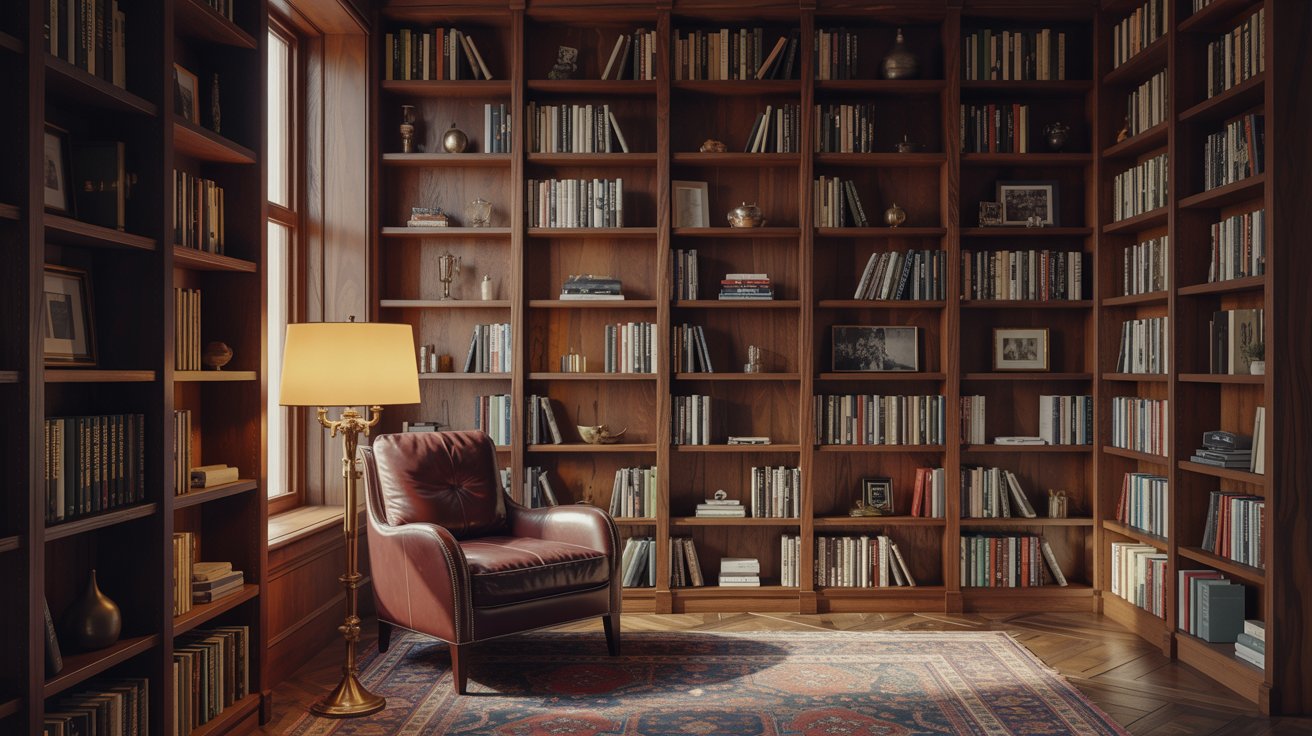
The number of books is just one part of the picture. Many other things shape whether a space truly functions as a home library. Ignoring these can make even a large collection feel like plain storage.
Here are the factors that actually define a home library:
- Organization: Books arranged with some logic, by genre, author, or topic, make the space usable
- A dedicated reading area: A chair, proper lighting, and a quiet spot go a long way
- Curation: Every book should have a reason for being there, not just filling space
- Accessibility: If you can't find what you need quickly, the library isn't working for you
- Personal meaning: Books connected to your interests or goals make the collection feel alive
- Upkeep: A library you maintain regularly stays both useful and inviting
These elements carry more weight than hitting a specific number. A 60-book shelf with all these qualities beats a 400-book wall that nobody ever touches.
Differing Opinions on What Counts as a Home Library
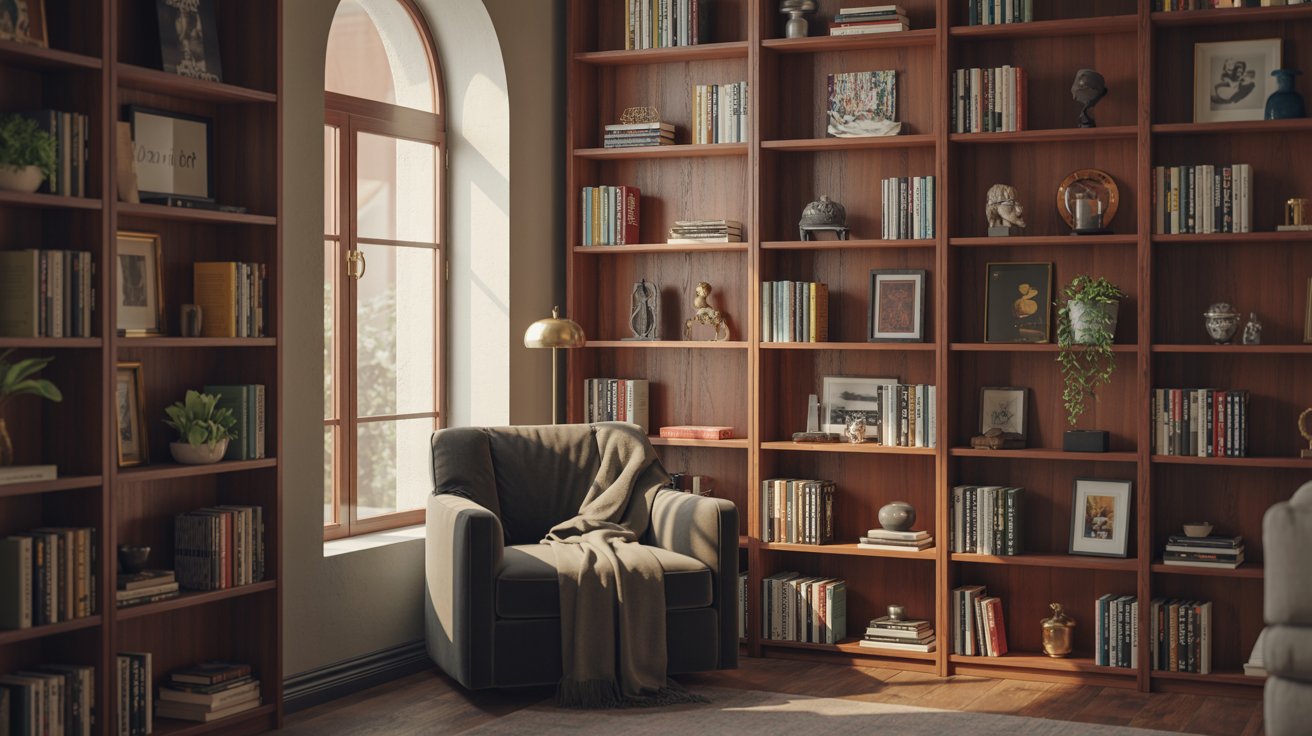
Not everyone agrees on what makes a home library. And honestly, that's perfectly fine. The answer depends a lot on who you are and how you use your books.
The "Quantity First" View
Some people believe more books equal a real library. It's a traditional way of thinking, and the bigger the collection, the more legitimate it feels.
This mindset is common among long-time collectors. They've spent years building their shelves. To them, volume is the measure.
There's nothing wrong with this view. A large collection is genuinely impressive. But it can make newer readers feel like they haven't earned the label yet.
If this is your approach, just make sure the books are actually being used.
The "Curated Collection" View
Others argue that even 30 to 50 books can form a personal home library. What matters is the thought behind the selection. Meaningful books beat meaningless volume every time.
This view is growing among modern readers, especially those in smaller spaces. They'd rather own fewer, better books.
Curation takes real effort. Choosing what stays and what goes is a skill on its own. A tight, intentional shelf tells a more interesting story.
This perspective puts the reader first, not the count.
The "Space Defines Library" View
For some people, the physical setup matters most. A dedicated reading area, a comfortable chair, proper lighting. The space makes the library.
This is a design-led way of thinking. If the environment supports deep reading, it qualifies. The number of books becomes secondary.
You could have 80 books in a beautifully arranged corner and call it a library. Most people walking in would agree without hesitation.
Space creates the feeling. And feeling matters a lot when it comes to building a real reading habit.
Psychological Value of Having a Home Library
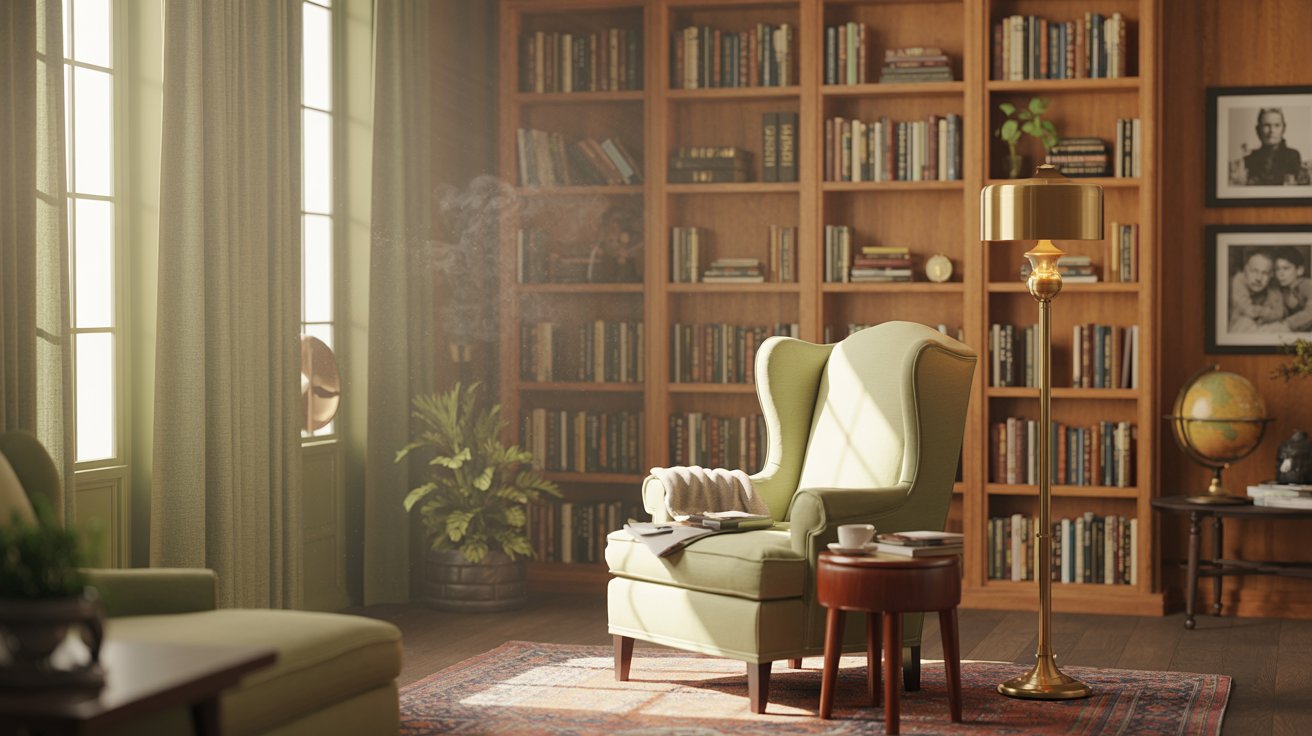
Having a home library changes how you relate to reading. The books are right there, within reach. You naturally pick them up more often.
Your shelves also reflect who you are. They signal your interests, your history, and your curiosity. People notice that when they walk into your space.
A library creates calm. It tells your brain that this is a place for focus and thought. Even a small reading corner can have that effect on your day.
Books stop being just objects when they're arranged with care. They become part of your lifestyle and part of how you see yourself.
How to Start Your Own Home Library
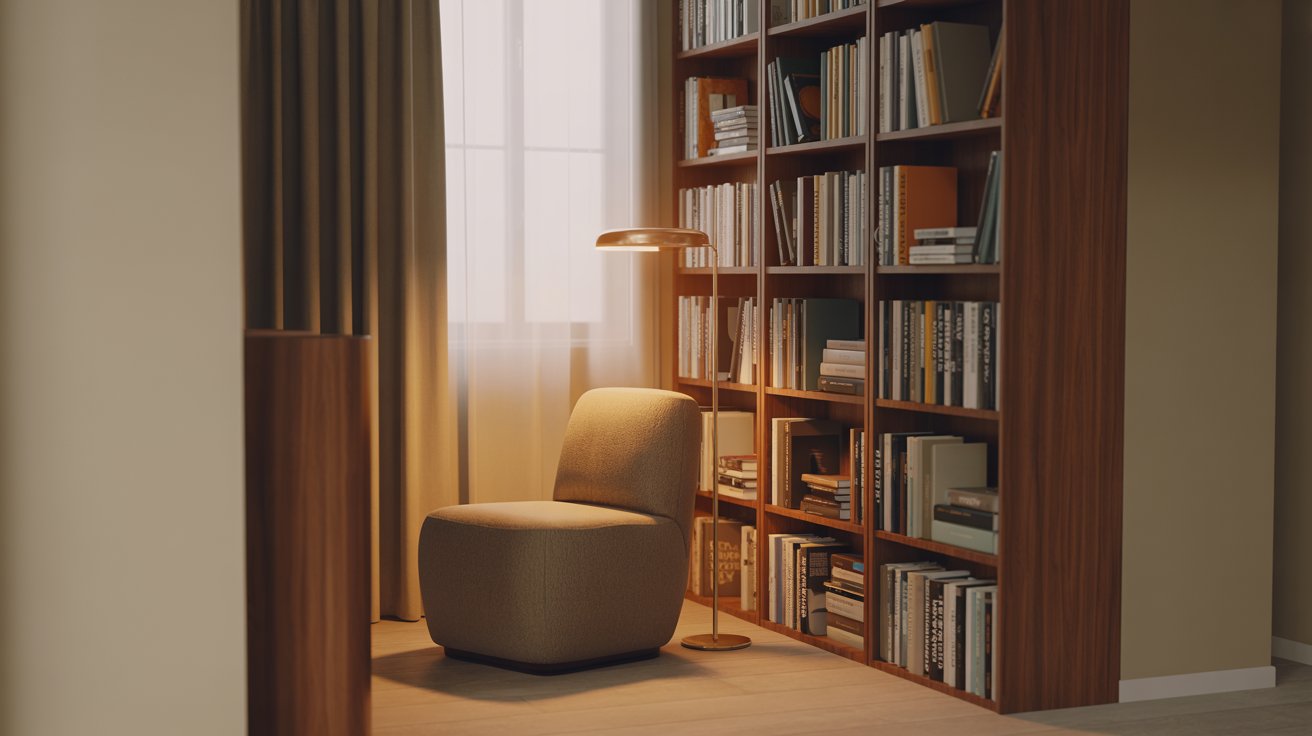
Starting a home library doesn't require a big budget or a big space. It just requires a clear plan. The earlier you start, the more intentional your collection will become over time.
Here's how to get going:
- Pick a spot: Even a single shelf in a quiet corner is a solid start
- Buy books you'll actually read: Don't stock up just to fill space
- Organize from day one: Set up a simple system before your collection grows too large
- Mix your genres: A good library covers more than one type of book
- Add a reading-friendly setup: A comfortable chair and proper lighting make a real difference
- Revisit and edit: Remove books you've outgrown or know you won't read again
- Set a small goal: Aim for 50 books first, then grow from there
Keep it personal throughout the process. Your home library should work for you, not perform for someone else. Build it at your own pace, one good book at a time.
Common Mistakes When Building a Home Library
Most people make a few avoidable mistakes when building their home library. These habits seem harmless at first but quietly undermine the whole setup. Knowing them early saves a lot of rework later.
Watch out for these common missteps:
- Buying books only for looks: A shelf full of unread titles is decoration, not a library
- Skipping organization: Without a system, your collection becomes hard to use and easy to ignore
- Overcrowding small spaces: Cramming too many books into a tight area creates chaos, not calm
- Poor lighting: Bad lighting discourages reading and ruins the mood of the entire space
- No reading area: Books without a place to sit and read form a pile, not a library
- Never editing the collection: Holding onto every book you've ever owned leads to clutter, not curation
A home library works best when it's built with care and maintained regularly. Avoid these mistakes and your space will stay both functional and enjoyable for years to come.
Home Library vs Book Collection: Key Difference
A book collection and a home library might look similar from the outside. But they're quite different in how they function and what they mean to you.
| Feature | Book Collection | Home Library |
| Main goal | Ownership and storage | Reading and active use |
| Organization | Often minimal | Structured and intentional |
| Reading area | Not required | Usually included |
| Curation | May include anything | Chosen with clear purpose |
| Feel | Storage-focused | Experience-focused |
| Growth | Often quantity-driven | Quality-driven |
A collection is about having books. A home library is about using them. One fills a shelf. The other builds a habit.
Conclusion
Here's what I know for sure. Figuring out how many books make a home library is less about counting and more about connecting with what you read.
Your shelf doesn't need to impress anyone. It just needs to work for you. Start small. Stay intentional. Let your collection grow with your reading life, not against it.
If you've been holding back because your numbers feel "too low," stop waiting. Your library is already taking shape.
Now I want to hear from you. How many books are on your shelves right now? Tell me in the comments!
Frequently Asked Questions
How Many Books Do You Need to Call It a Home Library?
There's no official number, but 100 or more books is widely considered a home library. A smaller, well-curated collection can qualify too depending on how it's set up and used.
Can a Small Collection Be Called a Home Library?
Yes, a curated set of 30 to 50 books can absolutely count as a personal home library. Intention and organization matter more than the total number of books on your shelves.
What Is the Minimum Size of a Home Library?
A home library can start with as little as a single shelf or one bookcase. Size matters far less than how the books are arranged and how often they're used.
Is a Home Library Only About Physical Books?
No, digital books and audiobooks can also be part of a modern home library. Many readers today build mixed collections that include both print and digital formats.
How Do I Make My Books Feel Like a Library?
Organize your books by genre, author, or topic and set up a dedicated reading area. Adding proper lighting and a comfortable chair can completely change how the space feels.