


I’ve read dozens of dystopian novels, and Fahrenheit 451 still haunts me years later.
This review covers everything you need to know about Ray Bradbury’s masterpiece,from plot details to major themes, character analysis, and why it matters today.
I’ll help you decide if this book is right for you. You’ll get a spoiler-free summary, honest ratings, and my personal take after finishing it.
As someone who’s analyzed classic literature for years, I can tell you this novel hits differently in our screen-obsessed world.
Let’s get into what makes this book so powerful.
Quick Book Overview
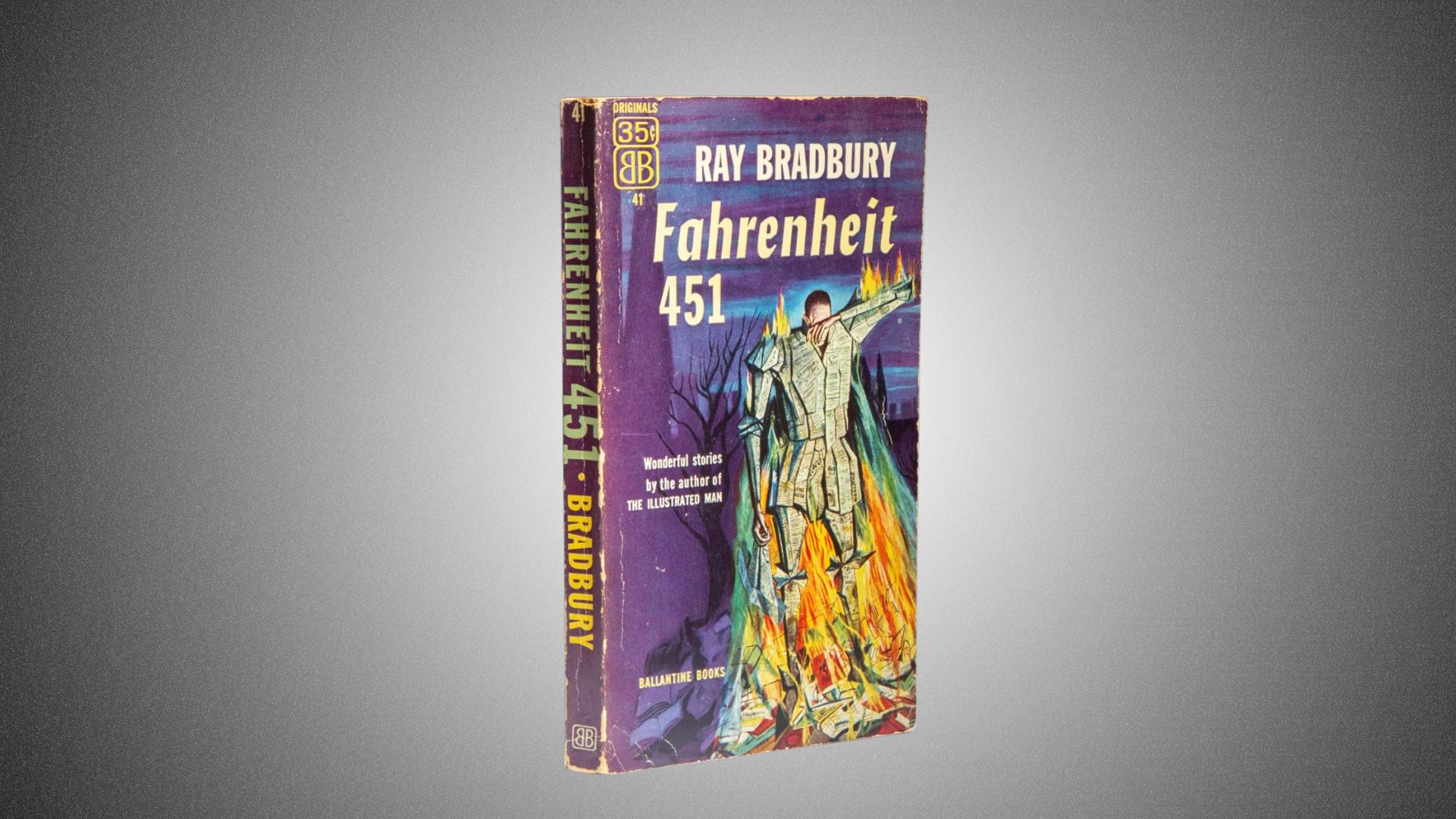
Fahrenheit 451 is a dystopian novel set in a future where books are illegal and burned by firemen.
The story follows Guy Montag, a fireman who starts questioning why society fears books so much.
Written by Ray Bradbury in 1953, it focuses on censorship, technology’s hold on humanity, and what happens when people stop thinking.
The title refers to the temperature at which paper burns. It’s short, intense, and feels more relevant now than ever.
This isn’t just science fiction,it’s a warning about losing what makes us human.
Plot Summary (Spoiler-Free)
Guy Montag burns books for a living. That’s his job. That’s normal in his world.But then he meets Clarisse McClellan, a curious teenager who asks him strange questions.
She makes him think about things he’s never considered before.Soon, Montag starts doubting everything. His marriage feels empty. His work feels wrong.
His whole society seems fake.When he begins reading the books he’s supposed to burn, there’s no going back.
He faces difficult choices that put his life at risk. The story shows how one person’s awakening can challenge an entire system built on lies.
Major Themes in Fahrenheit 451
Bradbury’s novel packs several powerful themes into its pages. Each one connects to real issues we still face today.
1. Censorship and Control
The government doesn’t just ban books,people go along with it willingly. Bradbury shows how dangerous it becomes when society stops caring about truth.
Control works best when people choose ignorance over knowledge. The scariest part? No one is forced. They accept it.
2. Knowledge vs. Ignorance
Books hold ideas, history, and complexity. Montag’s world chooses the easy path,ignorance. It feels safer to avoid hard truths. But safety without awareness becomes a prison.
The novel asks: what do we lose when we stop learning?
3. Technology and Distraction
Bradbury predicted our screen addiction decades ago. In the story, constant entertainment keeps people numb and passive.
No one thinks deeply. No one questions anything. The noise drowns out reality, and people prefer it that way.
4. Conformity and Fear
Most citizens follow rules because it’s comfortable. Standing out feels risky. The book shows how conformity kills curiosity and individuality.
When everyone thinks the same, critical thinking dies. Fear of being different keeps the system running.
5. Identity and Self-Awakening
Montag’s change is deeply personal. He goes from blindly following orders to desperately seeking meaning.
His inner conflict drives the whole story. It’s about finding yourself in a world designed to erase individuality.
Main Characters & Their Importance
The characters represent different responses to living in a controlled society. Each one matters to the story’s message.
1. Guy Montag: A Man Who Learns to Think
Montag starts as a loyal fireman who never questions his work.
His transformation from destroying knowledge to risking everything for it drives the novel’s emotional heart. His doubts feel real and relatable.
2. Clarisse McClellan: The Spark of Curiosity
Clarisse sees the world differently.She notices nature, asks deep questions, and values real conversation.
Her presence shakes Montag’s worldview completely. She doesn’t last long, but her impact shapes everything. She represents what society lost.
3. Captain Beatty: The Intelligent Enemy
Beatty is smart and well-read but supports burning books. He uses knowledge to justify censorship and control, making him more dangerous than an ignorant villain.
He represents intelligence used for oppression.
4. Mildred Montag: The Face of a Numb Society
Mildred is addicted to her TV “family” and avoids real emotions. Her hollow marriage to Montag shows the cost of choosing comfort over connection.
Watching Montag try to reach her is heartbreaking.
5. Faber: The Voice of Wisdom
Faber is a former professor who understands books but fears fighting back. He becomes Montag’s cautious mentor, showing how fear paralyzes even those who know better.
He helps Montag grow despite his own cowardice.
Writing Style & Narrative Technique
Ray Bradbury’s prose feels almost poetic. He uses vivid metaphors and powerful imagery throughout the book.
The story moves fast, but the language makes you pause.
Bradbury doesn’t just tell you what happens,he creates an atmosphere. It feels tense. It feels dreamlike. Sometimes it feels suffocating.
The novel uses third-person perspective but stays close to Montag’s thoughts. You experience his confusion, fear, and growth intimately.
Bradbury’s style makes every scene feel urgent and important. His word choices hit hard without being complicated.
Movie Adaptations

The book has been adapted into film twice. François Truffaut directed the first version in 1966. It captured the novel’s eerie atmosphere but changed some plot elements.
HBO released a new adaptation in 2018 starring Michael B. Jordan as Montag.
This version updated the setting and added modern technology references. Some fans enjoyed the fresh take, while others preferred the book’s original vision.
Both films try to capture Bradbury’s warning about censorship and media control. But most readers agree the book’s impact remains stronger than any screen version.
Fahrenheit 451 Review: Goodreads & Amazon Ratings
Readers continue praising this novel for its timeless message and powerful themes.
Goodreads Rating: 3.98/5 (based on millions of ratings)
Readers love its warning about censorship, thought-provoking ideas, and poetic writing style. Some mention the pacing feels intense and the ending feels rushed.
Amazon Rating: 4.6/5
Many Amazon readers call it a must-read classic. They praise how relevant it feels today and its strong emotional impact.
Both platforms show that Fahrenheit 451 remains one of the most respected dystopian novels ever written. It sparks discussions decades after publication.
My Personal Opinion After Reading This Book
Fahrenheit 451 unsettles you. That’s its power.
Bradbury’s world feels realistic because he predicted distraction, not just censorship. The scariest part? Characters choose ignorance because it’s easier.
Montag’s transformation hit me emotionally. The short length makes every chapter feel urgent. This book stays with you.
Who Should Read This Book:
- Readers who love dystopian classics and meaningful fiction
- Fans of books like 1984 and Brave New World
- People interested in censorship, freedom of speech, and media influence
- Students or book club readers looking for discussion-worthy themes
- Anyone who enjoys short but powerful novels with lasting impact
If you want a quick read that makes you think, this is it.
About the Author
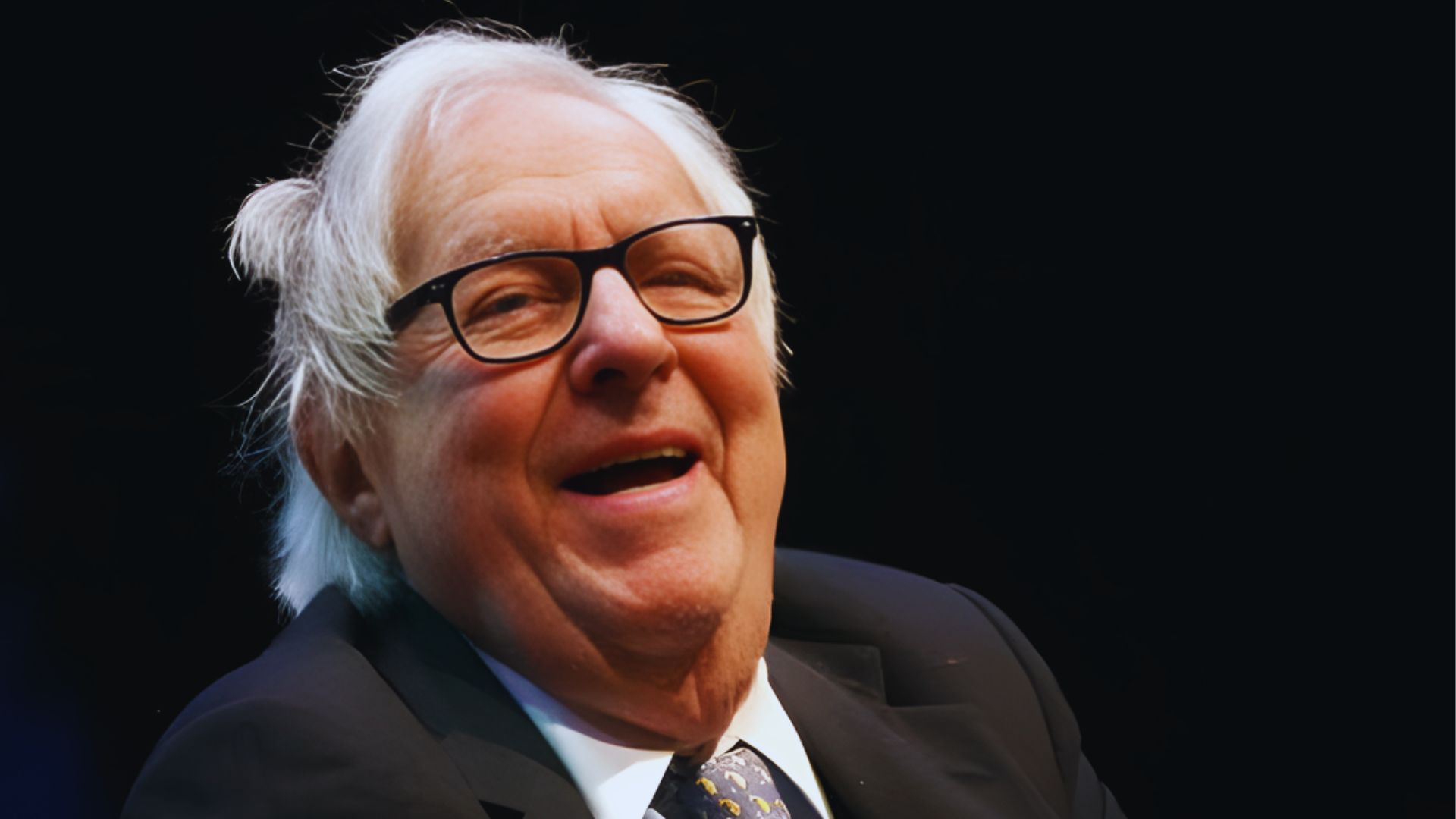
Ray Bradbury (1920–2012) was an American author best known for his science fiction and dystopian work.
He wrote more than 600 short stories and numerous novels throughout his career.
Fahrenheit 451 became his most famous book, but he also wrote The Martian Chronicles and Something Wicked This Way Comes.
Bradbury’s writing often captured themes like censorship, technology, imagination, and the loss of human connection.
His ability to blend poetic language with social criticism made him one of the most influential writers of the 20th century.
He won countless awards and inspired generations of readers and writers. Fahrenheit 451 remains his most powerful contribution to literature, still taught in schools worldwide.
Conclusion
I finished this book feeling shaken and reflective. Is it worth your time? Yes, absolutely.
This novel challenges you to think about how easily we give up freedom for comfort.
I caught myself comparing Bradbury’s fictional world to our own several times. The parallels are uncomfortable.But that’s exactly why you should read it.
Have you read Fahrenheit 451? What did you think? Drop a comment below.
Frequently Asked Questions
What is the main message of Fahrenheit 451?
It warns against censorship and choosing entertainment over knowledge and critical thinking.
Is Fahrenheit 451 difficult to read?
It’s 150-180 pages with accessible language. Most finish in a few sittings.
Why is the book called Fahrenheit 451?
The title refers to 451 degrees Fahrenheit, the temperature at which book paper burns.
Is Fahrenheit 451 appropriate for teenagers?
Yes. It’s commonly taught in high schools without graphic content.
How does Fahrenheit 451 relate to today’s world?
Screen addiction, shortened attention spans, and choosing entertainment over truth feel incredibly relevant today.