


I picked up The God of the Woods expecting a straightforward mystery. What I found was something much heavier, slower, and more emotional than I expected.
If you are trying to decide whether this book is worth your time, you are in the right place.
This post breaks down the story, themes, characters, writing style, and my honest opinion after reading it cover to cover.
No fluff. No filler. Just a straight breakdown so you can decide fast.
Let's get into it.
Quick Book Overview
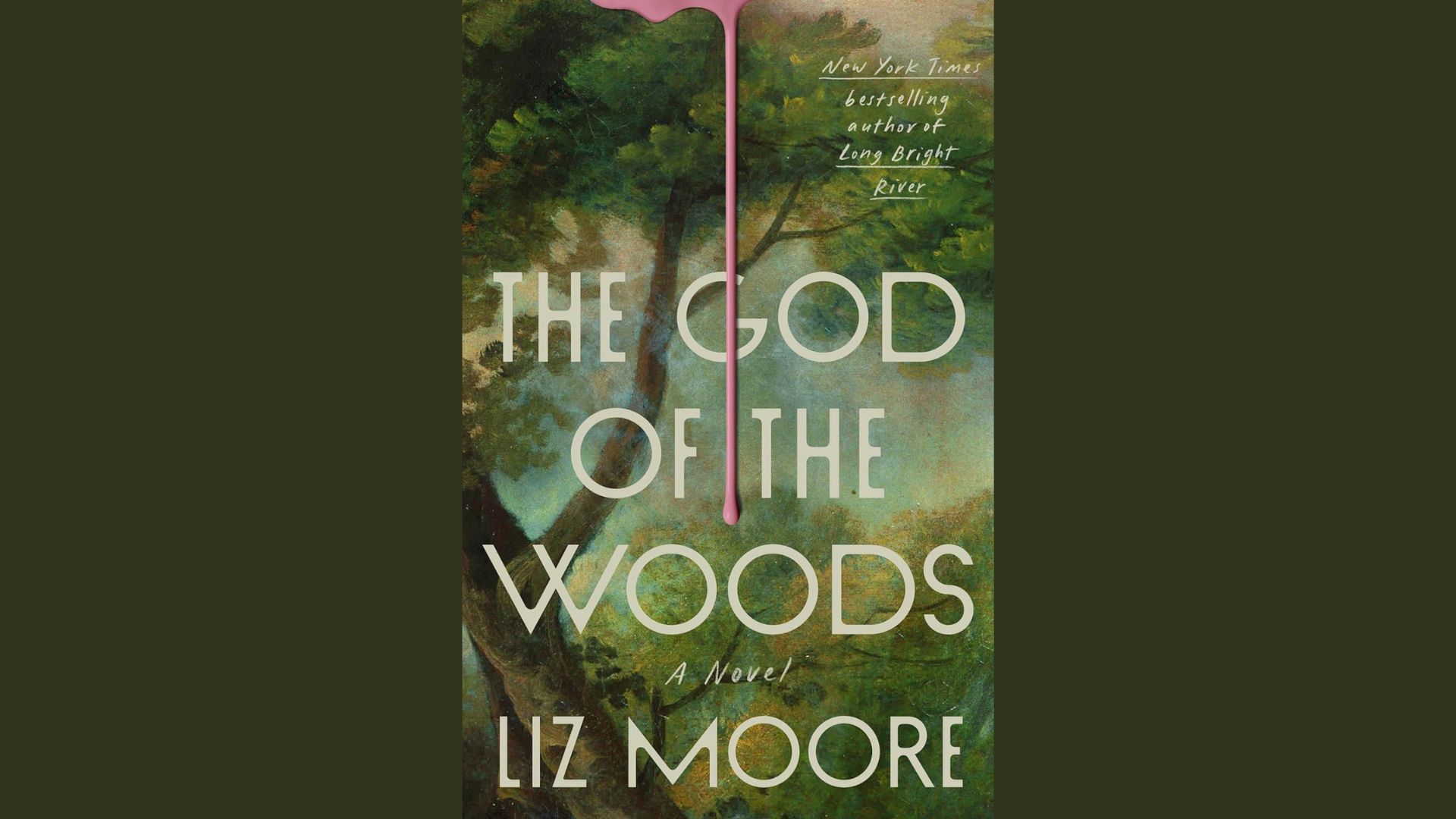
The God of the Woods is a literary mystery set in a 1970s summer camp deep in the Adirondacks.
The story starts with the disappearance of Barbara Van Laar, a teenage girl from a wealthy and powerful family that owns the camp.
But this is not the first time the family has lost someone. Her brother Bear vanished years before.
The novel moves across timelines, pulling apart secrets, class tensions, and emotional wounds. It is not just a thriller. It is a deeply human story about power, silence, and what families choose to hide.
The God of the Woods Summary (Spoiler-Free)
At its core, this is a story about a missing girl and a family full of secrets.
When Barbara disappears from camp, a search begins that pulls in locals, investigators, and the powerful Van Laar family.
As the story unfolds, we learn about past events, especially the earlier disappearance of her brother Bear. The book slowly draws connections between the two cases.
It is less about solving a puzzle and more about understanding why things happened the way they did. Emotions, relationships, and buried truths drive every page forward.
Major Themes in The God of the Woods
This book carries real weight, and these themes are a big reason why.
Wealth vs Power
The Van Laar family controls the land, the jobs, and the people around them. Their money gives them influence but also creates distance.
The story shows how power can shield people from consequences while quietly hurting those with far less control over their own lives.
Class Divide
There is a clear gap between the wealthy family and the working locals. The locals are grounded and self-sufficient, while the rich depend on them more than they admit.
This contrast builds tension throughout the story and shapes the way events play out from start to finish.
Family Secrets
Families in this book hide uncomfortable truths to protect their image. But those secrets do not disappear. They grow.
What one generation buries tends to surface in the next, creating cycles that are very hard to break and even harder to survive.
Identity & Escape
Several characters feel trapped by the roles they were born into, especially Barbara.
The story asks whether you can truly break free from your past or whether it always finds a way to follow you. It is a question that lingers long after the last page.
Main Characters
Each character in this book carries the story in a different direction.
Barbara Van Laar
Barbara is the missing girl at the center of everything. She is not just a victim. She represents the desire for independence and change. Her choices challenge her family's control and show a quiet but determined push to build her own life on her own terms.
Alice Van Laar
Alice is Barbara's mother, trapped inside a difficult and emotionally draining marriage. She feels lost and limited.
Her character reflects the quiet damage caused by unhappy relationships and the narrow options available to women in that era.
Bear Van Laar
Bear is the older brother who vanished years before the story begins. His absence shapes everything that follows.
He stands for innocence lost and the long, unresolved pain that one tragedy can leave behind in a family.
Judyta
Judyta brings moral clarity and real strength to the story. She makes hard choices and works to protect others.
Her presence contrasts sharply with the behavior of the wealthy family and adds a grounded, honest perspective to the whole narrative.
Peter Van Laar
Peter is the powerful head of the family. Reputation and control matter more to him than almost anything else.
His decisions drive key events in the story and reflect the darker side of privilege, the kind that protects itself at any cost.
Writing Style & Narrative Technique
Liz Moore writes in a slow, layered style that builds tension gradually rather than rushing to a climax.
The story moves between different timelines and perspectives, which adds real depth but does ask you to pay close attention.
The descriptions are rich and immersive, especially the camp and the surrounding woods. It feels emotional and grounded rather than fast-paced.
This is not a quick thriller. It is a thoughtful, character-driven story that unfolds at its own pace and stays with you long after you finish.
Critical Reviews & Reader Perspectives
Readers across the board have had strong and very different reactions to this book.
Positive Reviews
Readers who love it praise the atmosphere and emotional depth. The storytelling feels immersive and real.
Many say the way themes are layered into the mystery makes it far more meaningful than a standard thriller, and the writing itself stands out.
Mixed Opinions
Some readers appreciate the ambition but find the structure demanding. The multiple timelines and large cast can feel like a lot to track.
Those who stuck with it tend to say it paid off, but it does require focus and patience to get there.
Negative Reviews
The most common complaint is slow pacing. Some readers expected a faster mystery and felt let down by the ending.
If you go in wanting quick answers and high tension throughout, this book may not match what you are looking for.
Why Readers Love It
The book has a loyal following, and there are clear reasons for that.
Strengths
Readers love the atmosphere, the emotional depth, and the slow way the story reveals itself. The camp setting feels vivid and real.
Many also value how the book layers mystery with deeper themes, making it more meaningful than a typical thriller and more memorable long after you close it.
Criticism & Limitations
Some readers find the pacing slow and the large cast hard to track. The structure can feel demanding at times.
Others went in expecting a faster mystery and felt the ending did not fully deliver. How much you enjoy it really depends on the kind of reading experience you are after.
Goodreads & Amazon Ratings
The ratings here tell a clear story: most readers found real value in this book.
Goodreads: 4.0-star rating on Goodreads, showing strong overall approval. Readers often praise the depth and writing style, though some do mention pacing issues along the way.
Amazon: 4.3 stars, with many calling it engaging and memorable. Reviews highlight the storytelling and atmosphere, while a few note it may not suit readers who prefer fast-paced thrillers.
The numbers lean positive across both platforms, but the divided opinions tell you this is a book that asks something of its readers.
My Personal Opinion After Reading This Book
For me, this was not just a mystery. It felt slow and heavy in all the right ways. I did not rush through it. I sat with it.
Some parts were difficult, but that weight made it feel real. It is the kind of book that stays in your head for days after you finish the last page.
Who Should Read This Book:
This book is a strong fit for a specific kind of reader.
- You enjoy slow, layered mysteries that build over time
- You like character-driven stories with emotional depth
- You are comfortable with multiple timelines and shifting perspectives
- You read for meaning and not just plot
- You want a book that stays with you after you finish it
If that sounds like you, this one is worth your time.
About the Author

Liz Moore is known for writing emotionally rich stories that sit at the intersection of literary fiction and suspense.
Her previous novel, Long Bright River, also brought complex characters and social themes to the surface in a way that felt deeply real.
Moore focuses on human behavior, relationships, and the quiet struggles people carry without ever showing them.
Her writing style is thoughtful and detailed, building slowly rather than rushing to a resolution. That patience is what makes her books feel lasting.
She writes the kind of stories that stay with readers long after the final chapter.
Conclusion
I went into The God of the Woods looking for a mystery. What I got felt far more personal.
The secrets, the silence, the weight of what families hide. It stayed with me long after the last page.
If this helped you decide, drop a comment below and tell me your thoughts on the ending. Share it with someone who loves slow, thoughtful reads.
And if you want more honest book breakdowns like this, stick around because more are coming.
Frequently Asked Questions
Is The God of the Woods a fast-paced thriller?
No, it is a slow, character-driven mystery that builds gradually rather than rushing through plot points.
Is The God of the Woods based on a true story?
No, it is a work of fiction, though the setting and themes feel very grounded and real.
How long does it take to read The God of the Woods?
Most readers finish it in around 8 to 12 hours depending on their reading pace and how closely they follow the timelines.
Does The God of the Woods have a satisfying ending?
Opinions are split. Some readers find it emotionally satisfying while others expected a more clear-cut resolution to the mystery.
Is The God of the Woods part of a series?
No, it is a standalone novel with no sequel currently announced.