


The Poppy War by R. F. Kuang is one of the most talked-about fantasy novels of the last decade. It starts like a school story. It ends like a war crime.
This post covers the full plot summary, character breakdowns, major themes, and what the book really says beneath all the bloodshed.
I’ve read a lot of dark fantasy, and this one stayed with me. If you want to know what happens, why it matters, and whether it’s worth your time, you’re in the right place.
The Poppy War Summary: Full Story Overview
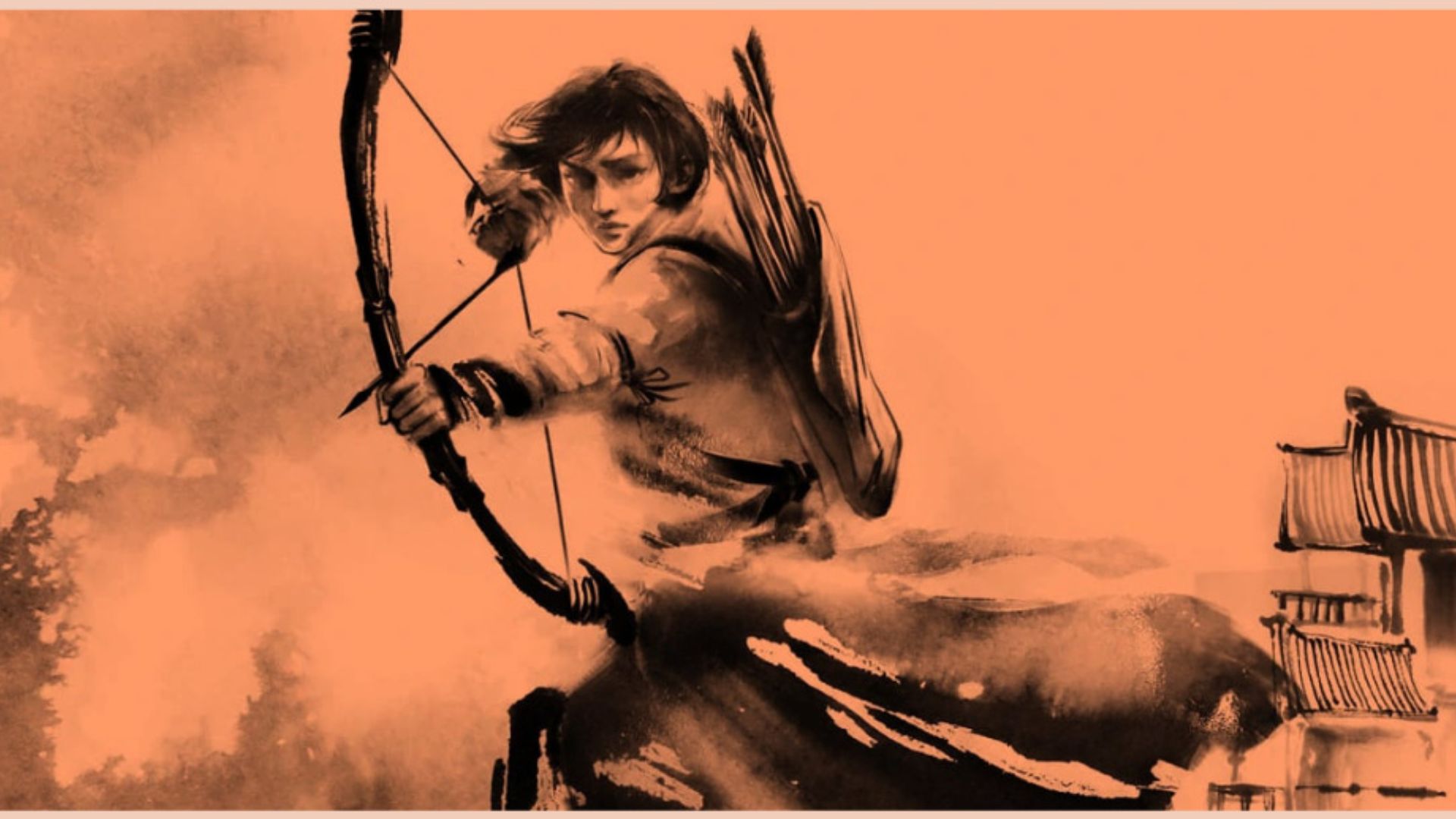
Rin is an orphan about to be married off. She takes the Keju exam, tops her province, and earns a spot at Sinegard, the country’s top military academy.
She meets Jiang Ziya, who introduces her to the Phoenix, a god of fire and destruction. The Mugenese Federation invades. Rin calls on the Phoenix to survive, but it takes a mental toll on her.
She joins the Cike, led by the broken Altan Trengsin, who pulls her deeper into its grip. The war reaches Golyn Niis and the city is massacred in atrocities based on the real Nanjing Massacre.
In the end, Rin opens fully to the Phoenix and destroys the Mugenese island of Speer. Altan dies. What she did cannot be undone.
Deep Analysis: What The Story Really Means
The Poppy War is not just a fantasy novel with dark content. It is a book that deliberately argues against the idea of heroic war.
War Without Glory
Kuang strips war of any romance or meaning. There are no glorious last stands. There are no noble victories. There is just damage, death, and the people left behind to carry it.
The psychological effects on Rin, Kitay, and other characters are written without softening. Trauma is not a plot device here. It is the actual story.
Power and Its Price
Rin spends the whole book chasing power. She wants it so she can stop feeling powerless. That is understandable. What the book shows is what happens when you get exactly what you wanted and it costs you the things that made you human.
Her hunger for power is written with empathy. Kuang does not judge Rin from a distance. She shows how a person becomes capable of terrible things through a long series of reasonable-feeling decisions.
The Line Between Hero and Monster
This is the book’s central question. At what point does a person fighting for survival and justice cross into becoming the thing they were fighting against?
Rin does not feel like a villain at any point in this book. She also commits an act of mass destruction. Kuang makes the reader sit with both of those facts at the same time and refuses to resolve the tension.
Character Analysis: The Minds Behind the War
Every major character in this book is shaped by war, power, and the cost of both.
Fang Runin (Rin): A Protagonist You Question
Rin is determined, brilliant, and deeply angry. Her whole life, the world told her she was nothing. She refused to accept it.
Her arc moves from a girl trying to survive the system to someone who tears it apart. She is not a hero. She is not a villain. She is a person shaped by everything done to her, and she makes that everyone’s problem in the end.
Altan Trengsin: The Weight of Trauma
Altan is what Rin could become. He is her mirror and her warning.
Extraordinary on the outside, completely hollow inside. His identity is built around being the last survivor of a destroyed people. His leadership is effective and corrosive. He pushes Rin toward the Phoenix not to help her, but because he needs someone else to burn with him.
Jiang Ziya: The Voice of Restraint
Jiang is the one person who consistently tells Rin to stop and think. He believes some doors should stay closed. Rin listens, right up until she doesn’t.
His warnings turn out to be right. But being right does not save anyone.
Kitay and Nezha: Humanity in Chaos
Kitay is Rin’s emotional anchor. Smart, kind, and morally clear in a way Rin is not. Nezha starts as an antagonist but is also a product of privilege the war forces him to confront. When Rin’s choices horrify Kitay, the reader feels exactly how far she has gone.
Themes That Define The Poppy War
This book is built on ideas that stay with you long after the last page.
The Cost of Revenge
The book follows a cycle of violence where every act of destruction is a response to a previous one. No one starts it. No one can stop it. The cost keeps growing.
Rin’s final act is framed as revenge. It also guarantees that more revenge will follow. Kuang is clear-eyed about this. There is no catharsis. There is only consequence.
Identity and Belonging
Rin never truly belongs anywhere. She is too southern for Sinegard, too poor for the elite students, too angry for polite company, and too powerful for anyone to control.
Her struggle with identity runs underneath the whole plot. Race, class, heritage, and power all intersect in her character in ways that feel specific and personal.
Power, Corruption, and Control
Every authority figure in this book is either corrupt or compromised. The government uses the Cike as disposable weapons. Military commanders make decisions that kill their own people. Leaders sacrifice innocents for strategic outcomes.
Personal power is no cleaner. Shamanism costs the user their mind. The gods in this world do not give freely.
Gods, Spirituality, and Madness
The shamanic system in this book connects directly to the idea of losing yourself to something greater. Every shaman in the Cike is damaged. The power comes with a cost that looks a lot like madness.
The Phoenix is not a benevolent force. It is hunger and destruction wearing a divine face. Rin’s relationship with it is less worship and more addiction.
Goodreads Rating and Reader Reception
The Poppy War holds a 4.2 out of 5 on Goodreads, with over 200,000 ratings.
Readers praise Rin’s character depth and the shift from school story to war narrative. The main criticism is the intensity of the violence. Some feel it goes too far. Others argue softening it would have been a disservice to the history it draws from.
It is not a comfortable read. That is the point.
About the Author: R. F. Kuang
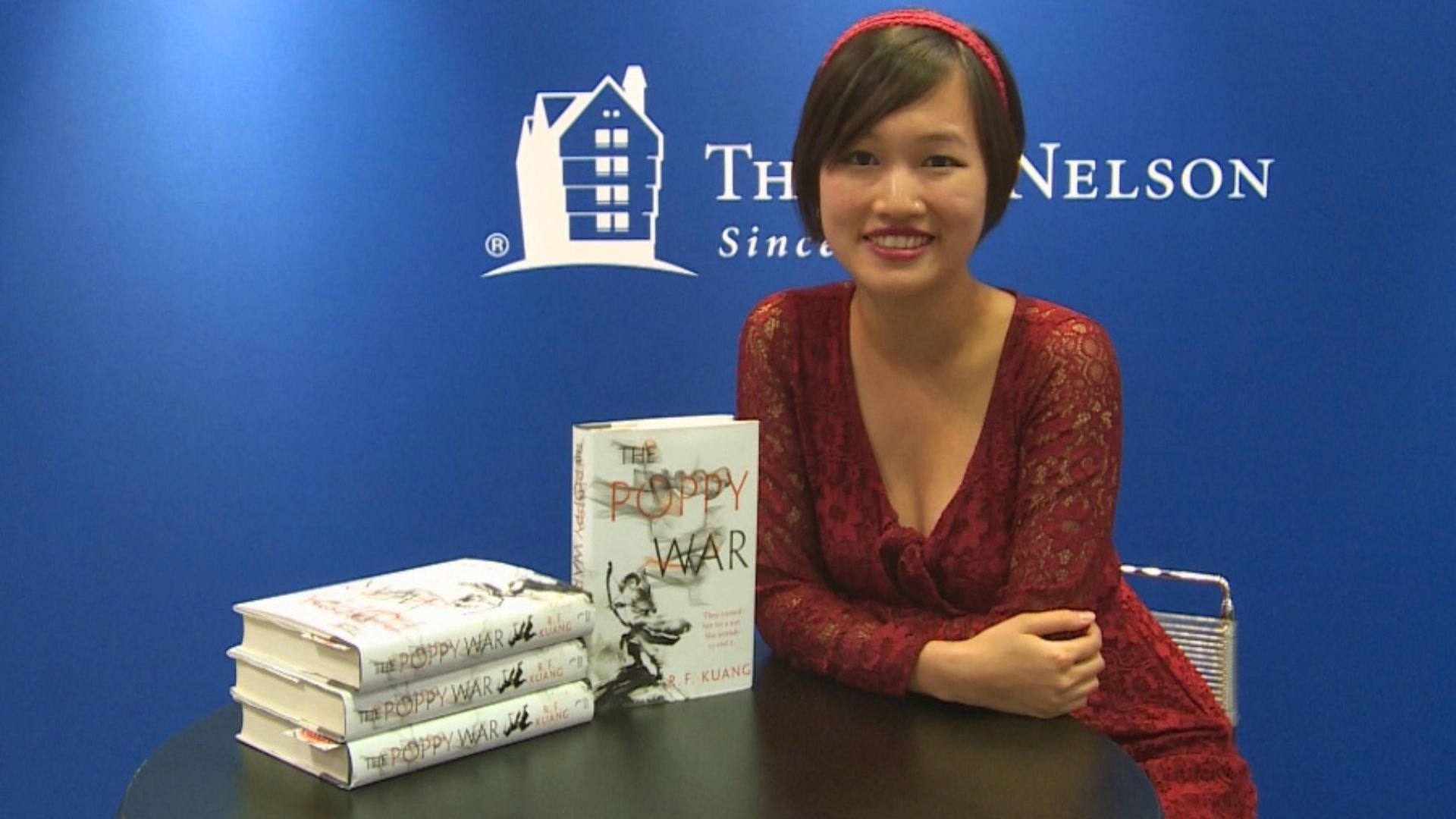
- F. Kuang studied history at Georgetown, Oxford, and Cambridge, focusing on Chinese history and literature. That background fed directly into The Poppy War. She used fantasy not to soften real history, but to examine it honestly.
She followed the trilogy with Babel in 2022, tackling colonialism and power in Victorian Oxford, and Yellowface in 2023, a sharp literary satire on race and publishing.
Kuang writes characters who do bad things for understandable reasons. Her prose is direct, well-paced, and never romanticizes the dark material it covers.
Conclusion
The Poppy War is not the book it looks like on page one. I went in expecting dark fantasy and came out thinking about real history, real violence, and how far a person can go before they stop recognizing themselves. Rin’s final choice still sits with me. It should.
If you’ve read it, drop a comment below. I’d love to know how you felt about the ending. And if this helped you decide whether to pick it up, share it with a friend who reads dark fantasy. They’ll thank you.
Frequently asked questions
Is The Poppy War based on real history?
Yes. The atrocities in the book draw directly from Japan’s actions in China during World War II, including the Nanjing Massacre. Kuang was studying this history while writing the novel.
Is there romance in the story?
Not really. There are hints of emotional connection, but no romance arc. The focus stays on war, power, and survival.
Is The Poppy War suitable for beginners in fantasy?
The first third is accessible and reads like a school drama. The second half is intensely dark, so it suits readers who can handle heavy content.
What makes Rin a standout protagonist?
She is not written to be liked. She is written to be understood. Her choices make sense given her past, even when they lead to mass destruction.
Does the book have a clear moral message?
Not a simple one. It shows you what happens and lets you sit with it. Power without restraint destroys the person holding it, and often everyone nearby too.