

Looking for an honest The Keeper of Lost Things book review? You’re in the right place. I’ll help you decide if Ruth Hogan’s debut novel is worth your time. Trust me, I read it twice because it affected me that deeply. This book packs serious emotional warmth.
In this review, I’ll cover the plot without spoilers, the main themes, character analysis, and my personal thoughts.
You’ll also find out what critics say and who should read this book. I’ll be straight with you about what works and what to expect.
Let’s get into it.
Synopsis of The Keeper of Lost Things

The story follows Anthony Peardew, a successful writer with an unusual habit. He collects lost objects. Gloves, buttons, keys, trinkets. He finds them on streets and parks and holds onto them. He believes every lost thing deserves to find its way back to someone.
Anthony has carried guilt for decades. He lost a precious keepsake belonging to his great love, Therese, years ago. That loss never left him. His collection became his way of making amends with the world.
When Anthony dies, he leaves his grand house and his entire collection to his loyal assistant, Laura. Her task is clear. Return every lost item to its rightful owner. Laura, grieving and a little lost herself, takes on this responsibility. Along the way, she finds friendship, purpose, and the possibility of love again.
A parallel story runs alongside the main plot. Set in the 1970s and 1980s, it follows Eunice and her devoted friend Bomber. Their story adds tenderness and depth to the novel’s overall emotional tone.
Themes Discussed in The Keeper of Lost Things
Hogan examines meaningful themes through warm, everyday moments in this novel.
Loss and What We Leave Behind
The book treats loss as something that touches everything. Objects, people, love, time. Anthony’s collection is a physical reminder that loss is universal. Everyone loses something they wish they hadn’t.
This thread runs quietly through every chapter. Readers feel the weight of things gone missing. But the tone never turns heavy or cold.
Love, Connection, and Second Chances
The novel is deeply interested in love at every stage of life. Romantic love. Friendship. The bond between a caregiver and the person they serve.
Laura gets a second chance at happiness. Anthony’s past love shapes everything he does. The story argues that connection is possible even after great loss.
Grief and Healing
Multiple characters carry grief throughout the book. Anthony grieves Therese for his entire adult life. Laura is recovering from a painful relationship. Eunice mourns quietly in her parallel storyline.
Healing doesn’t come dramatically here. It arrives in small moments. A shared meal. A kind word. A lost thing finally returned.
Character Analysis
Each character in The Keeper of Lost Things reveals themselves through small actions and quiet choices.
Anthony Peardew
Anthony is the heart of the novel even though he dies early in the story. His presence fills every page through his journals and his collection.
He is thoughtful and a little sad. His guilt over losing Therese’s locket shapes his entire adult life. His generosity toward lost things reflects his need to fix what he once broke.
Laura
Laura is our main guide through the story. She is warm, self-doubting, and quietly funny. When Anthony leaves her everything, she feels the responsibility deeply.
Her growth through the novel is steady and real. She goes from someone defined by a bad relationship to a woman who stands firmly in her own life. That shift is earned page by page.
Sunshine
Sunshine is Laura’s neighbor, a young woman with Down syndrome who becomes central to the story’s resolution. She is perceptive, joyful, and frequently the wisest person in any scene.
Her character could have been handled poorly. Hogan writes to her with full humanity and genuine affection. Sunshine is not a side character. She drives the plot forward in meaningful ways.
Eunice and Bomber
Their parallel storyline runs through the 1970s and 1980s. Their friendship is tender and loyal. Eunice is reserved. Bomber is warm and steady. Their story adds a richness to the novel that rewards patient readers.
Writing Style and Narrative Voice
Hogan’s writing style makes The Keeper of Lost Things warm and deeply readable.
Hogan’s Warmth
The prose is accessible and inviting. Hogan doesn’t reach for difficulty. She trusts the emotional weight of her subject matter to do the work.
There are touches of gentle humour throughout. This stops the novel from becoming too sentimental. The balance between funny and moving is well handled.
Atmosphere and Imagery
The setting of Anthony’s house, Padua, feels lived in and real. You can imagine the garden. The rooms are full of carefully catalogued lost things. The quiet routines of a house with its own history.
Certain scenes stay with you. The moment Laura reads Anthony’s journals for the first time. The resolution of Eunice’s storyline. These images sit with you after you’ve closed the book.
Critical Reception
The Keeper of Lost Things earned widespread affection from readers across the world.
The novel became a bestseller in the UK and found large audiences in the United States. Critics praised its warmth and its original premise. Reviewers noted Hogan’s ability to handle grief with lightness without ever trivialising it.
Readers responded to the story emotionally. Many described it as comforting. Others called it exactly what they needed. The novel feels specific in its English setting but universal in its emotional concerns. Everyone understands what it means to lose something irreplaceable.
Notable Reviews and Ratings
The Keeper of Lost Things has received strong praise from readers and critics widely.
Goodreads: 3.80 out of 5 stars. Based on over 130,000 ratings. Readers consistently describe the book as warm, moving, and quietly funny. Many call it a perfect read for difficult times.
Amazon: 4.2 out of 5 stars. Based on thousands of reviews across different editions. Readers praise the characters and the emotional satisfaction of the ending.
Awards and Recognition: The novel was a Sunday Times bestseller. It was widely reviewed in major UK publications including The Guardian and The Daily Mail. It sold strongly across Europe and North America.
What Reviewers Are Saying
Readers on Goodreads describe the book as life-affirming. Many say it made them think about the things they’ve lost and the people who might miss them.
Critics praised the debut as confident and full of heart. Several noted that Hogan writes grief with unusual gentleness. Comparisons were made to authors like Jojo Moyes and Rosamunde Pilcher for her warmth and readability.
My Personal Reading Experience
Reading The Keeper of Lost Things affected me in ways I didn’t expect from a debut novel.
The emotional premise hooked me immediately. A man who collects lost things and tries to return them. That idea is so simple and so full of feeling. The execution matches the promise of that concept.
Sunshine was the character who got me most. Her scenes are written with such care and affection. When the resolution of Eunice’s storyline finally arrived, I had to set the book down for a moment.
About the Author Ruth Hogan
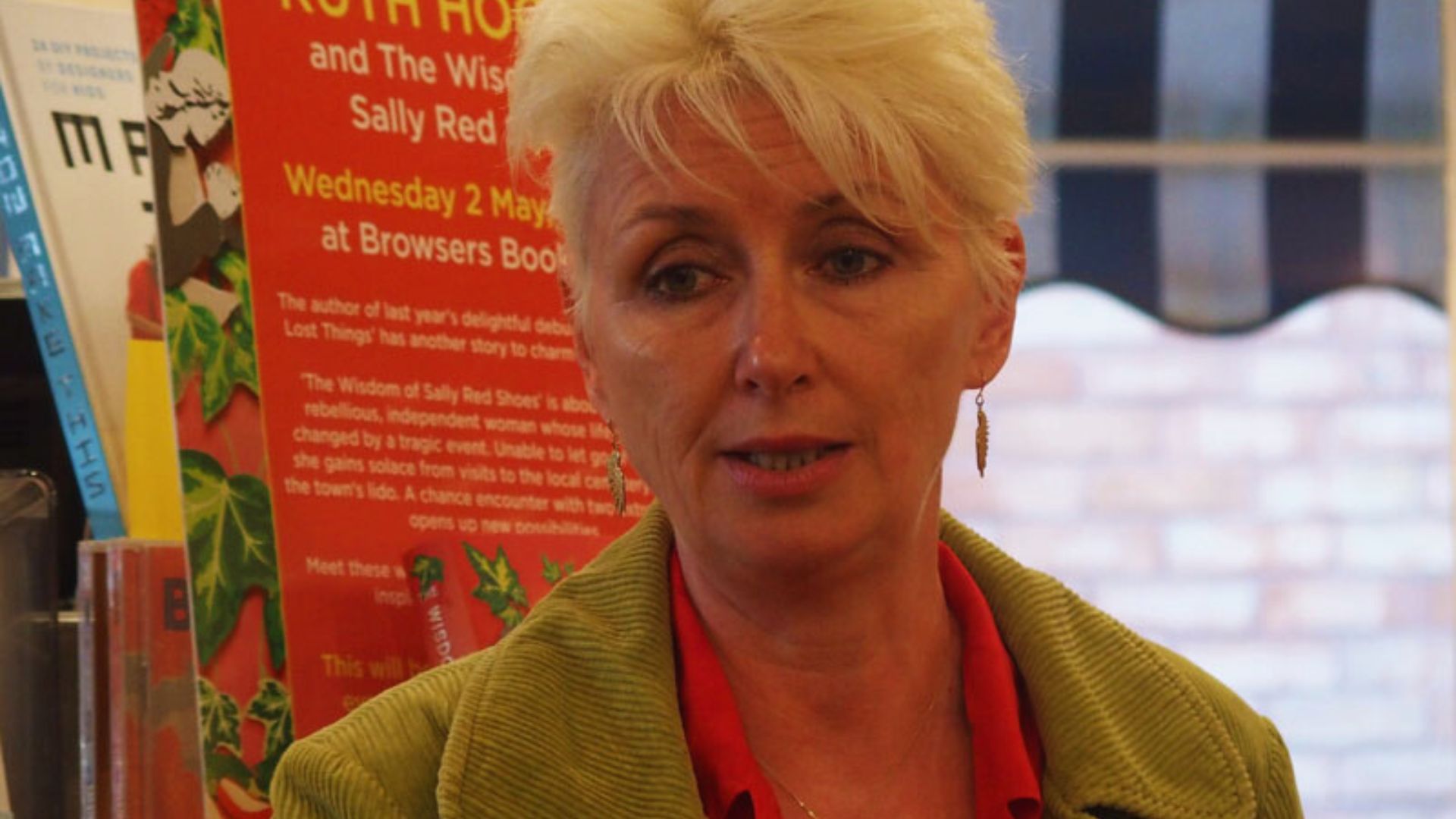
Ruth Hogan is a British author who writes fiction full of heart and originality.
Ruth Hogan was born in Oxford, England. She worked in various roles before turning to writing full time. The Keeper of Lost Things was her debut novel and became an immediate commercial success.
Hogan writes with warmth and a clear affection for her characters. Her fiction often focuses on second chances, grief, and the small objects and gestures that carry meaning in our lives. Humour sits alongside sadness in her work.
She has since published several more novels including The Wisdom of Sally Red Shoes and Queenie Malone’s Paradise Hotel. Readers who loved her debut consistently return for her later work.
Conclusion
I hope this The Keeper of Lost Things book review gave you what you needed. Honestly, this novel got to me in a way I wasn’t prepared for. I kept thinking about Anthony and his collection long after I finished.
Sometimes the most affecting stories are built from the gentlest materials.
If you’re looking for something warm and quietly moving that still has real emotional substance, this one is worth your time. You can read it quickly, but it lingers in the best way.
Have you read it? Tell me in the comments which moment affected you most.
Frequently Asked Questions
Is The Keeper of Lost Things based on a true story?
No, it is fiction. Hogan drew from real emotions around loss and connection to create an authentic story.
How long does it take to read The Keeper of Lost Things?
The novel is around 310 pages. Most readers finish it in four to six hours across a few sittings.
What age is appropriate for reading The Keeper of Lost Things?
The book suits adults and older teens. Readers aged 15 and up can engage fully with its themes.
Did The Keeper of Lost Things win any literary awards?
It became a Sunday Times bestseller and received widespread critical attention across the UK and internationally.
Is there a film adaptation of The Keeper of Lost Things?
No official film adaptation has been released. The novel’s warm tone and strong character work would suit a screen adaptation well.