


I’ve read The Grace Year twice now, and it still haunts me.
If you’re looking for a spoiler-free summary and honest review of Kim Liggett’s dark dystopian novel, you’re in the right place.
I’ll break down the plot, themes, characters, and what makes this book so disturbing yet meaningful.
You’ll learn what happens during the grace year, why this story matters, and if it’s worth your time.
I’ve spent hours analyzing this book, so you can decide if it belongs on your reading list.
This review covers everything from the brutal survival elements to the feminist commentary that makes readers uncomfortable in the best way.
Let’s get started.
Quick Book Overview
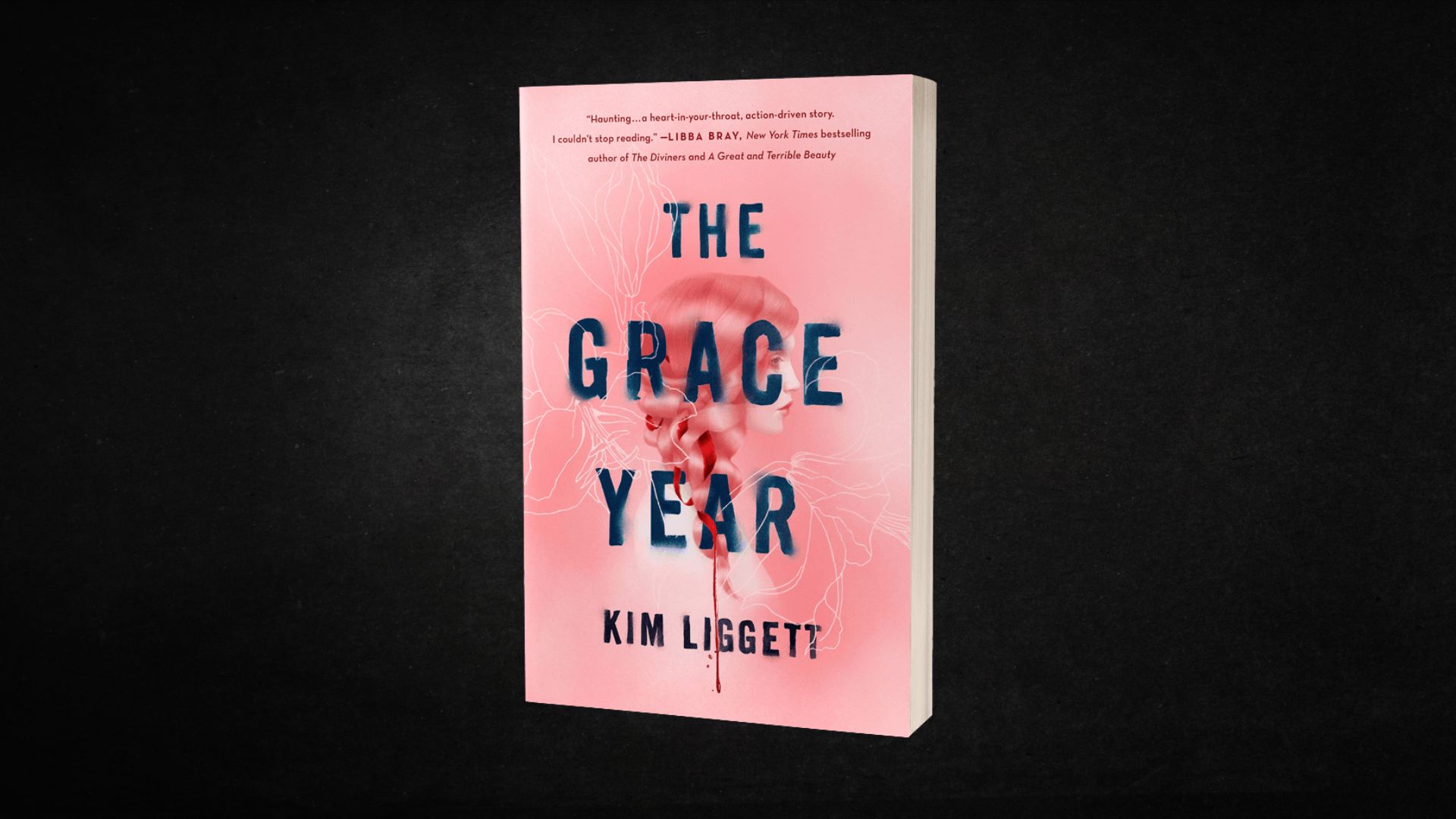
The Grace Year follows sixteen-year-old Tierney James living in Garner County, where society believes girls release dangerous magic during their sixteenth year.
Girls are banished for one year into the wilderness, called the grace year, to burn off their supposed power.
The story finds survival, fear, manipulation, and oppression through a dark dystopian lens. Themes of control, power, and female resilience run throughout.
The narrative delivers emotional and psychological depth that sticks with you long after the last page.
The Grace Year Summary (Spoiler-Free)
Tierney James is sent to the grace year with her peers, expected to return docile and ready for marriage.
But the wilderness holds dangers beyond nature. Girls turn on each other, driven by jealousy and fear. Poachers hunt them for body parts sold as aphrodisiacs.
Tierney must survive not just the elements but the psychological warfare among the girls themselves.
She questions everything she’s been taught about magic, control, and her place in society. The story follows her fight to stay alive and hold onto her humanity in brutal conditions.
Major Themes in The Grace Year
This book tackles heavy themes that make you think long after you finish.
Patriarchy and Control
Society’s fear of female independence drives the entire system. Men maintain power by convincing everyone that women are dangerous.
The grace year exists to break girls’ spirits and make them compliant. Control disguised as protection keeps the cycle going.
Survival and Human Nature
Fear changes how people behave in extreme situations. Girls who were friends become enemies when survival is at stake.
The book shows how easily humans turn on each other under pressure. Desperation reveals true character in brutal ways.
Sisterhood vs Rivalry
Women are conditioned to compete rather than support each other. The system pits girls against one another on purpose.
Jealousy and paranoia destroy potential bonds. Real sisterhood requires breaking free from learned behaviors that encourage betrayal.
Freedom and Identity
Tierney’s awakening happens slowly as she questions her reality. She realizes the magic isn’t real but the oppression is.
Finding your true self means rejecting what others tell you to be. Identity becomes an act of rebellion.
Hope in Darkness
Humanity can survive even in brutal conditions. Small acts of kindness matter when everything else is cruel.
The book refuses to be completely bleak. Characters find moments of connection. Hope exists as stubborn resistance against despair.
Character Analysis and Emotional Depth
The characters feel painfully real in their flaws and strengths.
-
Tierney James: Strength and Resistance
-
Michael Welk: Love and Humanity
-
Kiersten & The Other Girls: Fear and Survival Psychology
Tierney stands out because she’s observant, brave, and morally grounded even when it’s dangerous. She represents rebellion by refusing to accept lies as truth.
Her strength is mental, not physical. She questions authority without being reckless. Tierney sees through manipulation while others stay blind.
Michael symbolizes hope and compassion in a cruel world. He sees Tierney as a person, not property or a threat. Their relationship proves kindness still exists.
He risks everything by treating her with basic human decency. Michael represents what society could be without fear.
The other girls show how fear destroys people from the inside. Kiersten embodies jealousy, paranoia, and emotional collapse under pressure.
Girls attack each other because they’re terrified. Their behavior isn’t evil but tragic. Oppression makes victims harm each other instead of fighting oppressors.
Writing Style and Narrative Structure
Kim Liggett creates a dark, haunting, and atmospheric tone that pulls you into Tierney’s world. The writing balances fast-paced survival scenes with psychological depth.
Emotional storytelling combines with vivid imagery that makes everything feel visceral and real. You feel Tierney’s fear, anger, and confusion.
Some middle sections have uneven pacing where the story slows down noticeably. But the overall narrative structure keeps you invested.
The prose is accessible without being simplistic. Liggett knows how to build tension and maintain it.
The Grace Year Goodreads & Amazon Reviews
Here’s what other readers are saying about this book.
Goodreads Rating: 4.1 / 5. Readers praise the emotional intensity and feminist themes. Positive feedback highlights the strong protagonist, dark atmosphere, and powerful message about female oppression.
Critics mention pacing issues and note the heavy tone isn’t for everyone.
Amazon Rating: 4.4 / 5. Readers call it gripping, haunting, and thought-provoking. People appreciate Tierney’s character development and the book’s social commentary.
Some readers find certain sections drag. Others warn that the darkness can be overwhelming if you’re not prepared for it.
Personal Opinion
The Grace Year feels raw, disturbing, and deeply thought-provoking in ways most YA books don’t attempt.
The emotional tension and psychological realism stand out as the book’s greatest strengths. Tierney is one of the most compelling dystopian heroines I’ve read.
This story focuses less on action and more on fear, control, and survival. Some parts drag, I won’t lie.
But the message remains powerful and memorable. It’s a haunting read that stays with you.
Who Should Read The Grace Year
Fans of dystopian fiction and dark YA will appreciate this book’s depth. If you enjoyed The Handmaid’s Tale, The Hunger Games, or survival stories with psychological elements, add this to your list.
Readers interested in feminist literature and social commentary will find plenty to analyze. Book clubs looking for discussion-worthy themes should consider this.
Just know it’s heavy and requires emotional preparation.
About the Author

Kim Liggett is an American author known for writing dark YA fiction that doesn’t shy away from difficult themes.
She creates atmospheric, emotional, and thought-provoking stories that challenge readers. Her other works include Blood and Salt, The Last Harvest, and Heart of Ash.
Liggett has built a reputation for crafting strong female protagonists who face impossible situations with courage.
Her writing style combines horror elements with social commentary. She excels at creating worlds that feel oppressive and real.
Liggett’s books often find power, control, and resistance through a feminist lens.
Conclusion
I’m glad I read The Grace Year, even though it made me uncomfortable. Sometimes books should disturb us.
They should make us think about the systems we accept without question. If you’re ready for a dark, thought-provoking read that challenges your perspective, pick this up.
It’s not an easy book, but it’s an important one. Have you read The Grace Year? I’d love to hear your thoughts in the comments below.
What did you think about Tierney’s choices? Did the ending satisfy you? Share this review with fellow book lovers who appreciate dystopian fiction with depth.
Frequently Asked Questions
Is The Grace Year appropriate for younger teens?
The book is marketed as YA but contains violence, mature themes, and disturbing content. I’d recommend it for ages 16 and up. Parents should preview it first if concerned about content.
Does The Grace Year have a happy ending?
The ending isn’t traditionally happy but offers hope and closure. Tierney’s story concludes in a way that feels true to her character. Some readers wanted more resolution though.
Is there romance in The Grace Year?
Yes, there’s a romantic subplot between Tierney and Michael. But it’s not the focus. The relationship develops slowly and feels realistic. Romance serves the larger story rather than dominating it.
How does The Grace Year compare to The Handmaid’s Tale?
Both books find female oppression through speculative fiction. The Grace Year is faster-paced and more focused on survival. The Handmaid’s Tale offers deeper world-building and social commentary.
Will there be a sequel to The Grace Year?
No, The Grace Year is a standalone novel. Kim Liggett hasn’t announced plans for a sequel. The story wraps up without requiring additional books.