


Ann Patchett’s The Dutch House is one of those books that stays with you long after you finish it. It’s a story about family, loss, and the weight of a house that holds too many memories.
I’ve read a lot of literary fiction, and this one hit differently.
In this article, you’ll find a full plot summary, character breakdowns, major themes, writing style analysis, and an honest look at the strengths and weaknesses of the book.
This isn’t your typical family drama. Patchett builds the story around memory, sibling loyalty, and how a single house can define two people’s entire lives. The emotional depth is real. So is the pain.
The Dutch House Summary (Full Story Explained)

Their father Cyril built a real estate empire and bought a grand mansion in Elkins Park, Pennsylvania. He was successful but emotionally cold. Their mother Elna felt guilty living in wealth, left the family, and moved to India for charity work.
Cyril remarried Andrea, a calculating woman who took over the household and inherited everything after Cyril died, leaving Danny and Maeve with nothing.
Maeve sacrificed her stability to put Danny through medical school. For years, they would park outside the Dutch House just to grieve and remember.
When Andrea dies, her daughters sell the house. Danny buys it back, walks through it with Maeve, and they finally start to let go.
Major Themes in The Dutch House
The Dutch House works on multiple levels. The plot is just the surface. Underneath it are five powerful themes.
Sibling Love and Loyalty
The relationship between Danny and Maeve is the heart of this book. They protect each other, depend on each other, and sometimes hold each other back.
Their bond is not idealized. It’s real. It has friction, and it has cracks. But it holds.
Abandonment and Emotional Impact
Both parents abandon Danny and Maeve in different ways. Elna leaves physically. Cyril checks out emotionally long before he dies.
The book shows how abandonment doesn’t just hurt in the moment. It shapes the way people move through life for decades.
Memory vs Reality
Danny and Maeve spend years sitting outside the Dutch House, talking about it. But their memories are not always accurate.
Patchett asks a quiet question throughout the story: Are we grieving what we lost, or what we imagined we had?
Wealth and Identity
The Dutch House is tied to the Conroys’ identity. When they lose it, they lose a piece of themselves.
But Patchett also shows that the house was never really theirs in the way they thought. Their father bought it. Andrea took it. Danny eventually reclaims it.
Money shapes the story from start to finish. Not always in obvious ways, but constantly.
Forgiveness and Acceptance
By the end, Danny and Maeve start to forgive. Not fully. Not cleanly. But enough to move forward.
The book doesn’t sell you a neat resolution. It suggests that forgiveness is a slow process, not a single moment.
Key Characters in the Story
These are the five people who drive the entire plot of The Dutch House. Each one plays a specific role in shaping Danny and Maeve’s lives.
Danny Conroy
Danny is the narrator. He tells the story from adulthood, looking back on everything that happened.
He’s thoughtful but somewhat passive. Things happen to Danny more than he makes them happen. His perspective is reliable, but Patchett also hints that he doesn’t always see the full picture.
He’s likable. Relatable. But also a little frustrating in how long it takes him to act.
Maeve Conroy
Maeve is the emotional core of the story. She’s fierce, loyal, and deeply scarred.
She sacrificed her own opportunities to make sure Danny succeeded. She took on the role of caretaker after their mother left and never really put that weight down.
Maeve is the character most readers connect with. Her anger feels earned. Her love for Danny is unconditional.
Elna Conroy
Elna is the mother who left. She’s a complicated figure.
She believed she was doing the right thing by living a simpler, more meaningful life. But she left her children in a cold house with a cold father and eventually a cold stepmother.
Patchett doesn’t let Elna off the hook, but she also doesn’t make her a villain. The book asks whether good intentions are enough. The answer is unclear, and that’s the point.
Andrea (Stepmother)
Andrea is the antagonist. She is calculated and controlling, and she made life miserable for Danny and Maeve.
She was not evil in an over-the-top way. She was just self-interested. She wanted the wealth, the house, and the life. She got all three.
Her presence is felt long after she leaves the story.
Cyril Conroy
Cyril is the father whose choices set everything in motion. He chose a house over connection. He chose Andrea over his children’s security.
He wasn’t cruel. He was absent, in every sense of the word. He provided money but not warmth. He built a house but not a home.
His death leaves Danny and Maeve with nothing, and that gap stays with them forever.
Narrative Structure and Storytelling Style
The Dutch House is not told in a straight line. Patchett uses a specific structure to build tension and emotional weight.
First-Person Retrospective Narration
Danny tells the story from the future, looking back. This means you always know he survives. You know there’s resolution ahead.
But it also creates distance. Danny is reflecting, not reacting. That gives the story a calm, almost melancholy tone.
Non-Linear Timeline
The story jumps between past and present. One moment you’re with young Danny at the Dutch House. The next, you’re with adult Danny parked outside it.
This structure mirrors how memory actually works. You don’t remember things in order. You remember what matters most, and those moments keep circling back.
Three-Act Structure
- Beginning: The setup. The Dutch House, the family, the wealth, and the early cracks. The mother’s departure. The stepmother’s arrival.
- Middle: The loss. Exile from the house. The years of stagnation, visiting, and holding on.
- End: Resolution. Danny buys back the house. He and Maeve face the past. They start to let go.
Writing Style and Literary Techniques
Patchett is a precise writer. Her style is deliberate, restrained, and emotionally intelligent.
Use of Specific and Detailed Language
Patchett doesn’t describe things in vague terms. She names specific paintings, specific rooms, specific moments. That specificity makes the Dutch House feel real.
It also makes the loss feel real. You can picture exactly what Danny and Maeve lost.
Showing vs. Telling
Patchett rarely tells you how to feel. She shows you a scene and lets you sit in it.
When Danny describes parking outside the house with Maeve, she doesn’t tell you it’s sad. She just describes it. And it wrecks you anyway.
Emotional Distance in Narration
Because Danny narrates from the future, there’s always a layer of calm over even the most painful moments. He’s not in the middle of the storm. He’s looking back at it.
This can make the story feel slow at times. But it also makes it feel wise.
Goodreads Rating and Reader Feedback
The Dutch House holds a Goodreads rating of 3.94 out of 5, based on over 300,000 ratings.
Most readers responded positively to the emotional depth and the sibling relationship at the center of the story.
Readers praised the bond between Danny and Maeve, Patchett’s clean writing style, and the emotional honesty throughout.
On the flip side, some felt the pacing dragged in the middle, Danny was too passive as a narrator, and the ending didn’t fully deliver.
My Personal Experience With This Book
I picked up The Dutch House expecting a straightforward family story. What I got was something that sat with me for days.
The part that hit me hardest was Danny and Maeve parking outside the house, year after year. There’s something so human about that.
Holding on to a place because letting go feels like losing everything all over again. If you’ve ever done something similar, even in a small way, this book will feel personal.
About the Author: Ann Patchett
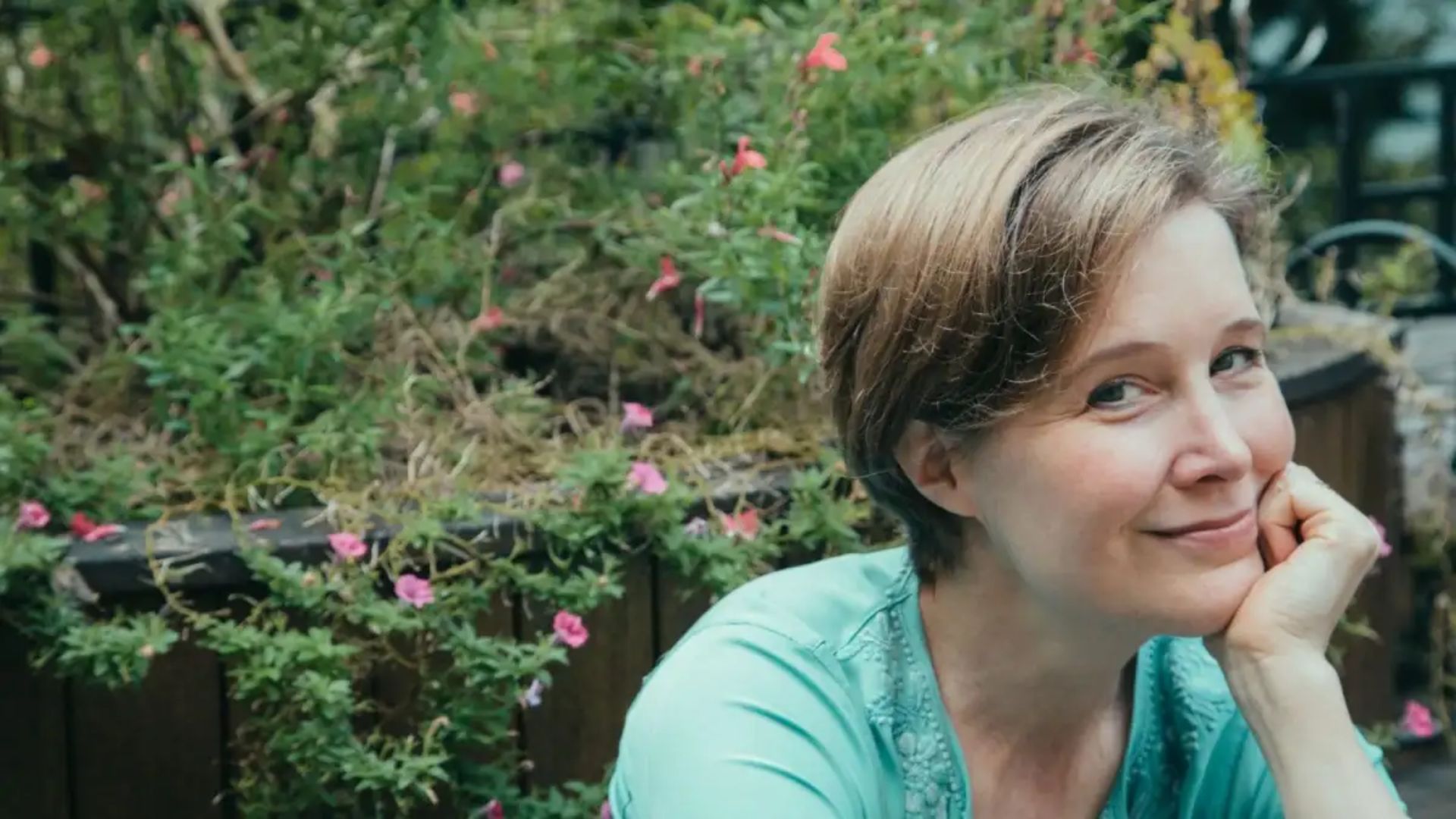
Ann Patchett is one of the most respected literary voices in American fiction.
She was born in Los Angeles in 1963, grew up in Nashville, and studied creative writing at Sarah Lawrence College and the Iowa Writers’ Workshop. She also co-owns Parnassus Books, an independent bookstore in Nashville.
She writes about family, love, and the complicated ways people hurt and support each other. Her prose is clean and controlled, and she trusts the reader to feel things without being told to.
Her notable works include Bel Canto (2001), Run (2007), Commonwealth (2016), The Dutch House (2019), and Tom Lake (2023).
Conclusion
The Dutch House is about two siblings, one house, and decades of loss. It’s quiet, emotional, and honest.
I’ll be real with you. This one moved me more than I expected. There’s something about Danny and Maeve sitting outside that house that I couldn’t shake.
If you’ve ever held on to something you knew you had to let go of, you’ll feel this story. Give it a read and drop a comment below. I’d love to know which part stayed with you.
Frequently Asked Questions
What is The Dutch House about in simple terms?
It follows two siblings, Danny and Maeve, who lose their childhood home to a cold stepmother after their father dies. The book spans decades of loss, memory, and family wounds.
Is The Dutch House based on a true story?
No, it’s fiction. But Ann Patchett has said it draws from real themes in her own life, including family dynamics and the emotional power of place.
Why do Danny and Maeve keep going back to the Dutch House?
The house represents everything they lost. Sitting outside it is their way of holding on. It’s grief in physical form.
Who is the villain in The Dutch House?
Andrea, the stepmother, comes closest. But the absent mother and emotionally distant father all play a role in how things fall apart.
Is The Dutch House worth reading?
Yes, if you enjoy slow, character-driven fiction. The emotional depth and the sibling relationship make it worth your time.