

Have you ever picked up a book that felt like a warm hug? That’s Still Life by Sarah Winman.
This novel takes you to post-war Florence. You’ll meet unforgettable characters who find healing through art, friendship, and love.
The story is gentle but deeply moving.
I’ve read this book myself, and I’m here to share an honest Still Life book summary with you.
I’ll cover the plot (no spoilers!), themes, characters, writing style, and ratings. You’ll also get my personal thoughts on who should read it.
By the end, you’ll know if this book belongs on your reading list.
Let’s get started.
Quick Book Overview
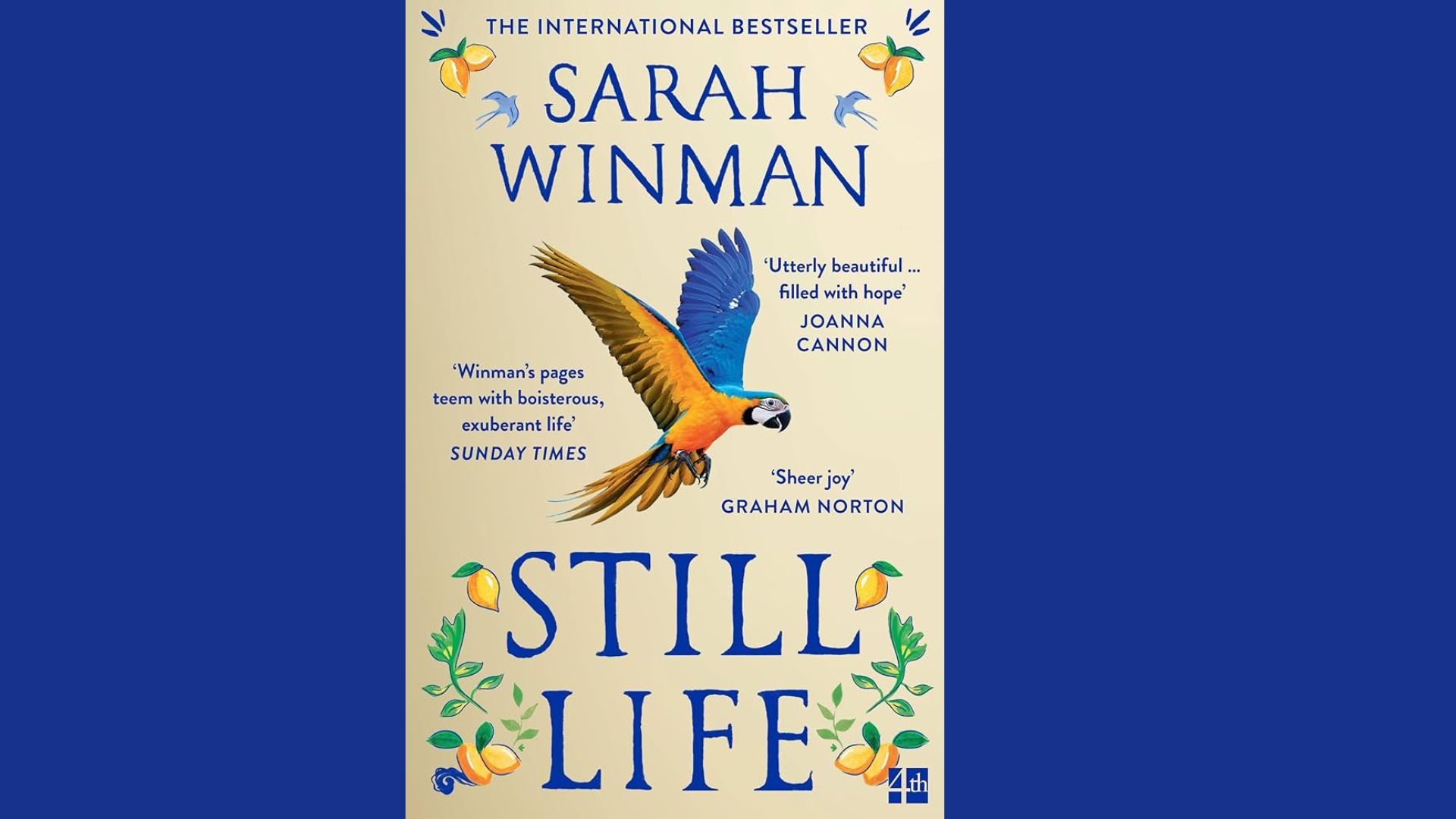
Still Life is historical fiction written by Sarah Winman. It came out in 2021.
The story begins during World War II in Italy. It then moved to post-war Florence and London.
This isn’t a thriller or a fast-paced read. Instead, it’s a character-driven story about healing and connection.
The mood is gentle and comforting. You’ll find themes of found family, art, and love in different forms. It’s the kind of book that stays with you long after you finish.
Plot Summary (Spoiler-Free)
The story follows Ulysses Temper from wartime Italy to Florence, where he rebuilds his life through art, friendship, and love.
The story begins in 1944 Italy, where young British soldier Ulysses Temper meets art historian Evelyn Skinner. She introduces him to Italian art and beauty, changing his life forever.
After the war, Ulysses returns to London but feels something is missing. Years later, he moves to Florence, reconnects with Evelyn, and opens a pensione.
He builds a found family with his war friend Col, young Cress, and even Pea the parrot. Together, they create a life filled with art, music, and warmth.
The story spans decades, showing how beauty and friendship heal even the deepest wounds.
Major Themes Showed in Still Life
Still Life revolved around powerful themes that give the story depth and meaning, touching on healing, connection, and life’s beautiful moments.
1. Healing After War
War leaves scars that don’t always show. Ulysses struggles with trauma and loss. But he finds healing through art and community.
The book shows that recovery isn’t linear. It takes time, patience, and the right people around you.
2. Found Family and Friendship
Blood doesn’t always make a family. Ulysses builds his family by choice. Col, Evelyn, Cress, and others become his home.
Their bonds run deeper than biology. The story celebrates chosen family and lifelong friendship.
3. Art, Beauty, and Meaning
Art isn’t just decoration in this book. It’s a lifeline. Paintings, music, and architecture give Ulysses purpose.
Beauty reminds him why life matters. The novel argues that art can heal and sustain us through dark times.
4. Love in Different Forms
Love isn’t just romantic in this story. There’s platonic love between friends. There’s familial love within the found family.
And yes, there’s quiet romantic love too. Winman shows that all forms of love are valid and life-changing.
Main Characters & Emotional Depth
The heart of Still Life lies in its beautifully crafted characters who feel remarkably real, flawed, and deeply human throughout.
1. Ulysses Temper: A Quietly Powerful Lead
Ulysses is kind, thoughtful, and deeply loyal. He’s not flashy or dramatic. Instead, he’s the type of person who makes everyone around him feel safe.
His quiet strength anchors the entire story. You’ll root for him from page one.
2. Evelyn Skinner: The Woman Who Changes Everything
Evelyn is witty, wise, and fiercely independent. She introduces Ulysses to art and beauty. She becomes his mentor and lifelong friend.
Evelyn breaks stereotypes about older women. She’s vibrant, funny, and completely unforgettable.
3. The Supporting Cast: The Soul of the Book
Col is Ulysses’ loyal friend who brings humor and heart. Cress is the young woman they nurture and protect.
Even Pea the parrot has personality. Every character feels real and layered. They make the story rich and emotional.
Writing Style & Narrative Technique
Sarah Winman writes with warmth and simplicity. Her sentences are short and clear. She doesn’t use flowery language or complicated prose.
The narrative spans decades but never feels rushed. Winman takes her time developing relationships. She focuses on small, meaningful moments rather than dramatic plot twists.
The tone is nostalgic and tender. You feel like you’re sitting with old friends, hearing their stories. Some readers might find it slow.
But if you love character-driven fiction, you’ll appreciate the pacing.
Still Life Book Review: From Goodreads & Amazon
Readers praise the emotional depth and beautiful writing, though some find the slow pacing challenging.
Goodreads Rating: 4.3 out of 5 stars. Readers praise the emotional depth, beautiful writing, and how Winman captures post-war Florence.
They love the found family themes and Ulysses’ character development. Common critique: the pacing feels slow.
Amazon Reviews: 4.4 out of 5 stars on amazon. Readers call it heartwarming, moving, and perfect comfort reading.
Many say it’s the kind of book you want to savor slowly. Most agree it stays with you long after the final page.
Why Readers Love It
The book offers warm, emotionally rich storytelling about found family and healing, but the slow pacing requires patience.
Strengths
Winman’s warm, accessible writing creates emotional depth through authentic post-war Florence and layered characters.
Found family themes resonate powerfully. The gentle healing through art and friendship focuses on meaningful moments over dramatic twists, creating lasting impact.
Criticism & Limitations
The pacing is slow and won’t work if you need action. The character-focused approach lacks excitement for some.
The gentle tone feels too quiet, and certain sections drag. This requires patience and appreciation for subtle storytelling over explosive moments.
My Personal Opinion After Reading This Book
I loved Still Life, but it’s not for everyone. Want fast action? Skip it. Want a deep feeling? Read it. I connected with Ulysses’ gentle approach.
The founding family hit hard – friendships matter as blood. The ending made me cry happy tears. It reminded me why I love reading.
Who Should Read This Book:
- You love character-driven stories like A Gentleman in Moscow or The Storied Life of A.J. Fikry.
- You want a book about healing, friendship, or post-war recovery.
- You’re interested in Italy, Florence, or art history.
- You enjoy slow, gentle fiction that takes its time.
- Skip this if you need fast plots or action-packed reads.
About The Author

Sarah Winman brings warmth and wisdom to every page she writes.She’s a British author who started her career as an actress.
She appeared in TV shows and theater before turning to writing.
Her first novel, When God Was a Rabbit, became a bestseller in 2011. It established her as a talented storyteller with a gift for emotional depth.
Winman’s second novel, Tin Man, was shortlisted for major awards. It showed her ability to write about love and loss with honesty and heart.
Still Life is her third novel. It became a Sunday Times bestseller and won the Women’s Prize for Fiction.
Winman lives in London but spends time in Italy, which clearly influenced this book. Her writing focuses on human connection, kindness, and the power of art.
Conclusion
This book is about rebuilding your life after loss. It reminds us that beauty, friendship, and love can heal even the deepest wounds.
If gentle, character-driven fiction sounds appealing, give it a try. Ulysses and his found family will stay with you long after you turn the last page.
Have you read Still Life? What did you think? Drop a comment below.I’d love to chat about it.
Frequently Asked Questions
Is Still Life based on a true story?
No, it’s fiction, but Sarah Winman drew from real post-war Florence with careful research into Italian art and culture.
Is Still Life a slow read?
Yes, it’s slow-paced and focuses on characters and relationships over plot twists.
Does Still Life have romance?
There’s subtle romance, but the book focuses more on friendship and found family.
What age group is Still Life appropriate for?
Best for adults 18 and up due to war references and mature themes.
Should I read Still Life if I loved A Gentleman in Moscow?
Absolutely,both have gentle pacing, rich characters, and themes of finding beauty in difficult times.