

I sobbed in public reading this book. No shame. The couple next to me at the coffee shop asked if I was okay.
You’re here searching for a my grandmother asked me to tell you she’s sorry summary because someone told you it’s emotional. Or maybe you want to know if it’s worth the tears.
I’m breaking down exactly what happens and why this book wrecks you in the best way. You’ll get the plot, characters, and themes without major spoilers.
But here’s what I really want you to know: this book will change how you think about the people who raised you.
Overview of the Book
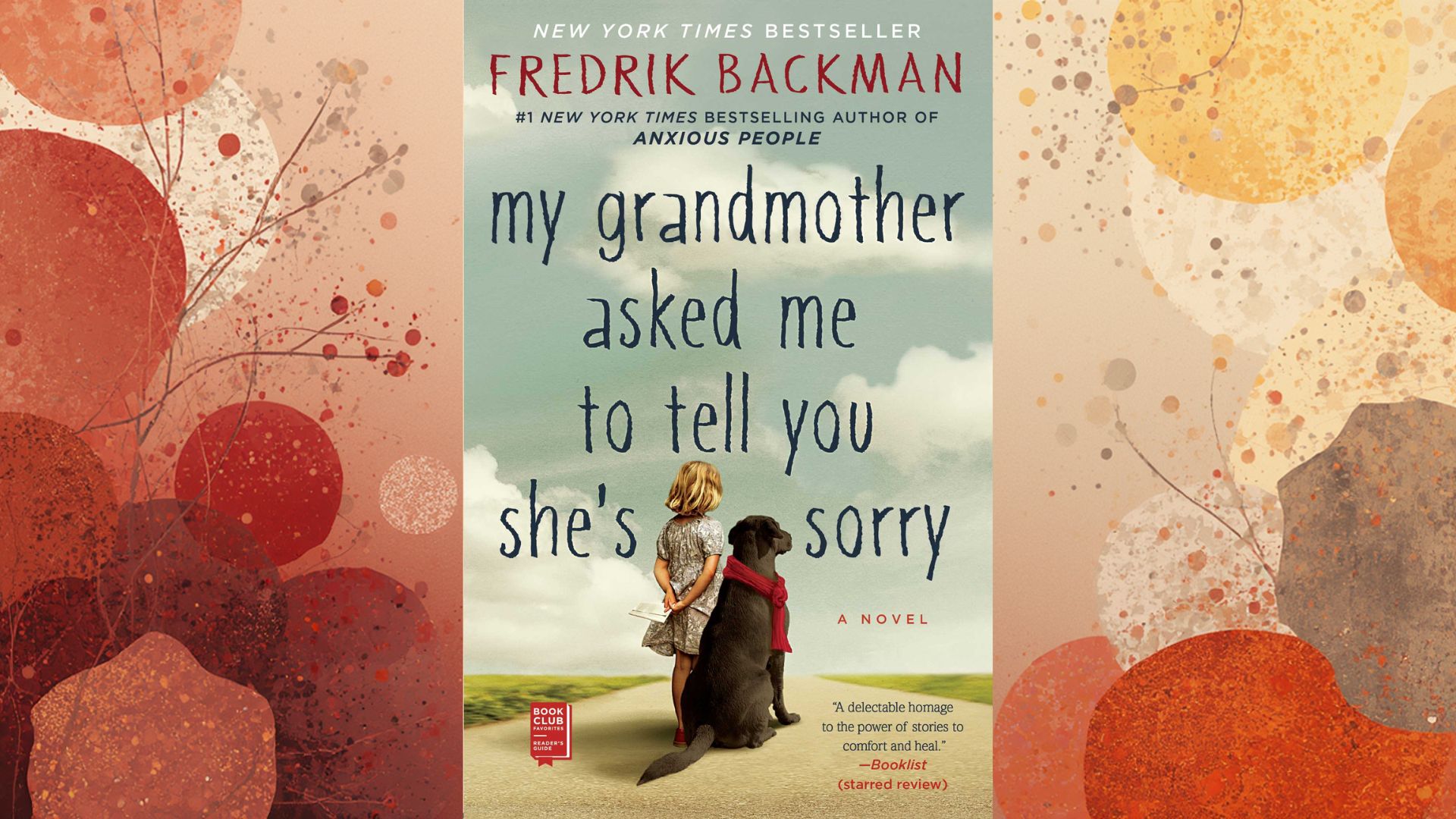
Frederik Backman wrote this after A Man Called Ove became a worldwide hit. He brings the same emotional depth but adds layers of fantasy and imagination.
The story centers on Elsa, a seven-year-old who doesn’t quite fit in anywhere. Her grandmother is her best friend and protector. They share a fantasy world called the Land of Almost-Awake.
When her grandmother dies, Elsa receives letters with one mission: deliver apologies to people her grandmother wronged. These aren’t simple sorry notes.
Through these deliveries, Elsa learns about her grandmother’s real life. The fantasy world becomes a way to understand painful truths. The book moves between whimsy and raw emotion, never picking one over the other.
Character Analysis
Backman populates this story with neighbors who initially seem like types, the cranky woman, the helpful couple, the mysterious man, but gradually reveal themselves as damaged people trying their best.
Each character represents a different way of coping with pain, and Elsa’s mission forces them to stop hiding from each other.
Elsa: The Seven-Year-Old Who Sees Everything
Elsa doesn’t fit the mold of a typical seven-year-old protagonist. She’s brilliant, sarcastic, and socially awkward in ways that isolate her at school. Her relationship with her grandmother gave her permission to be strange and wonderful.
After the death, she channels grief into completing the apology mission, which becomes her way of holding onto connection. Backman captures how smart kids process adult pain without making her unrealistically mature.
Granny: Flawed Love Personified
Elsa’s grandmother drives the entire story despite being dead from page one. Through memories and the apology letters, we see a woman who was selfish, brave, funny, and deeply imperfect.
She protected Elsa fiercely while simultaneously damaging other relationships. Her character proves that you can love someone completely while acknowledging they hurt people, including you.
Britt-Marie: The Rule-Follower Hiding Pain
Britt-Marie appears as the uptight neighbor who complains about everything. She represents rigid control as a response to chaos and loss.
Her change happens slowly as Elsa’s mission cracks her protective shell. She shows how people use rules and judgment to avoid feeling their own grief.
The Monster/Wolfheart: Trauma Given Form
This character embodies the fantasy-reality blend at the story’s heart. In the Land of Almost-Awake, he’s a monster. In real life, he’s a traumatized man hiding from his past.
The dual nature helps Elsa, and readers understand how trauma reshapes people. His journey toward healing happens alongside Elsa’s grief processing, showing that recovery isn’t linear or simple.
Key Insights from the Book
This my grandmother asked me to tell you she’s sorry summary reveals how stories help us process what we can’t face directly. Backman shows that fairy tales aren’t just for kids. They’re survival tools.
- Intergenerational bonds shape who we become, especially when parents fall short
- Children see truth more clearly than adults who’ve learned to lie to themselves
- Grief doesn’t follow rules and humor can coexist with deep sadness
- Fantasy provides distance to examine real trauma safely
- Quirkiness is protection for people who feel too much
- Apologies matter even after death, for both giver and receiver
- Community forms in unexpected places when people stop hiding
These insights hit differently depending on your own family experiences. The book trusts you to find what you need.
Strengths of the Book
Backman writes emotion without manipulation. You cry because the moments earn it, not because he’s forcing sentiment down your throat.
The characters feel lived-in and real. Elsa acts like an actual smart kid, not a mini adult. Her grandmother is flawed and loving in ways that feel true.
The fantasy elements serve the story instead of overwhelming it. The Land of Almost-Awake isn’t just decoration. It’s how Elsa makes sense of complex adult pain.
The pacing knows when to sit with feelings and when to move. Backman balances humor with heartbreak without giving you whiplash between the two.
Criticisms & Limitations
While I loved most of this book, it’s not perfect. Some choices won’t work for every reader.
- The whimsy can feel excessive if you prefer grounded realism
- Secondary characters blur together and could use more distinct voices
- The fantasy/reality blend confuses readers who want clear boundaries
- Some revelations feel rushed after slow build-up
- The ending ties up too neatly for a story about messy life
- Certain coincidences strain believability even within the book’s logic
These flaws don’t ruin the experience. But they’re worth knowing before you start. This book demands you accept its specific tone.
Notable Reviews & Ratings
The book holds a 4.1 rating on Goodreads. That’s solid for a story that splits readers based on tolerance for whimsy.
Amazon reviews average around 4.4 stars globally. Readers praise the emotional depth and unique storytelling. Many report ugly crying in public places.
The New York Times called it a examination of grief through a child’s eyes. Publishers Weekly highlighted Backman’s ability to blend lightness with heavy themes.
Common complaints focus on pacing and the fantasy elements feeling forced. Some readers wanted more straightforward storytelling without the fairy tale layer.
Personal Thoughts
Reading this my grandmother asked me to tell you she’s sorry summary probably tells you I connected with it. The book stayed with me for weeks.
What stood out most was how Backman handles complicated family love. Elsa’s grandmother isn’t perfect, and that’s the point. Real people hurt others even while loving them fiercely.
I’m giving this 4 out of 5 stars. It loses a star for uneven pacing and overly convenient plot resolutions. But the emotional truth and character work earn those four stars.
Pick this up if you want to think about family, forgiveness, and how we tell ourselves stories to survive. Skip it if you need realistic fiction without fantasy elements.
About the Author: Frederik Backman
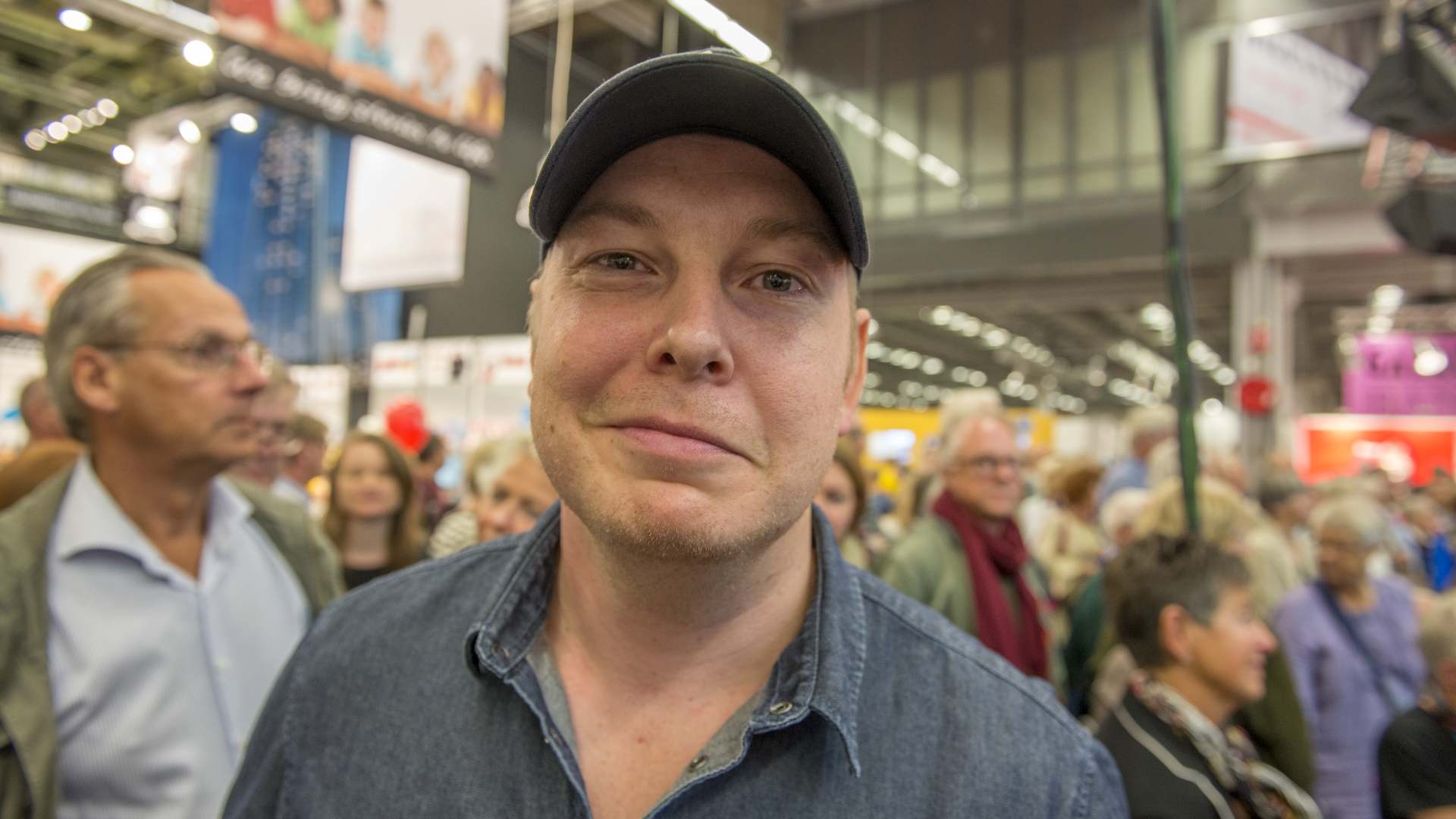
Fredrik Backman started as a blogger in Sweden before writing A Man Called Ove. That book became an international phenomenon and a film.
His writing style mixes humor with deep emotion. He makes you laugh and cry, often in the same paragraph. That balance is his signature strength.
Backman writes about ordinary people facing extraordinary emotional challenges. His characters feel real because he doesn’t idealize them.
Other notable works include Beartown and Anxious People. Each analyses human connection through different lenses, but all carry his distinct voice.
Conclusion
I finished this book at 2 AM and immediately texted my mom. Some stories force you to reach out to the people you love.
The my grandmother asked me to tell you she’s sorry summary I’ve given you is your starting point. But trust me, experiencing it yourself hits completely different.
Grab this book if you’re ready to feel something real. Have you read it already? Drop a comment sharing which character affected you most. And if this review helped, share it with someone who needs a good cry-read recommendation.
What’s holding you back from reading it?
Frequently Asked Questions
What is My Grandmother Asked Me to Tell You She’s Sorry about?
It follows seven-year-old Elsa delivering her dead grandmother’s apology letters to neighbors, revealing secrets and helping her process grief. The my grandmother asked me to tell you she’s sorry summary includes both realistic and fairy tale elements woven together.
Is My Grandmother Asked Me to Tell You She’s Sorry a sad book?
Yes, it deals with death and grief, but it’s also funny and hopeful. You’ll cry, but you’ll also feel uplifted by the connections formed.
Is this book suitable for younger readers?
Mature middle schoolers (12+) can handle it, though some themes about war and adult mistakes might need discussion. The grade 7-8 reading level makes it accessible for teens and adults.
Is My Grandmother Asked Me to Tell You She’s Sorry connected to Britt-Marie Was Here?
Yes, Britt-Marie appears as a supporting character here, and Backman later gave her a full novel. You don’t need to read them in order though.
Is the book worth reading if I liked A Man Called Ove?
Absolutely, but expect more fantasy elements and a younger narrator. Both books analyses grief through quirky characters, making them similar in emotional impact.