


I’ve read dozens of survival stories, but Life of Pi changed how I think about belief and truth. This book grabbed me from page one and didn’t let go until long after I closed it.
In this review, I’ll walk you through what makes this novel so powerful. You’ll learn about the plot, themes, characters, and the ending that sparked endless debates.
I’ll share my honest thoughts on why this story matters. Trust me, this isn’t just another survival tale.
It’s a book that asks hard questions about faith, reality, and what we choose to believe. I’m here to help you decide if this book deserves a spot on your reading list.
Let’s get started.
Quick Book Overview
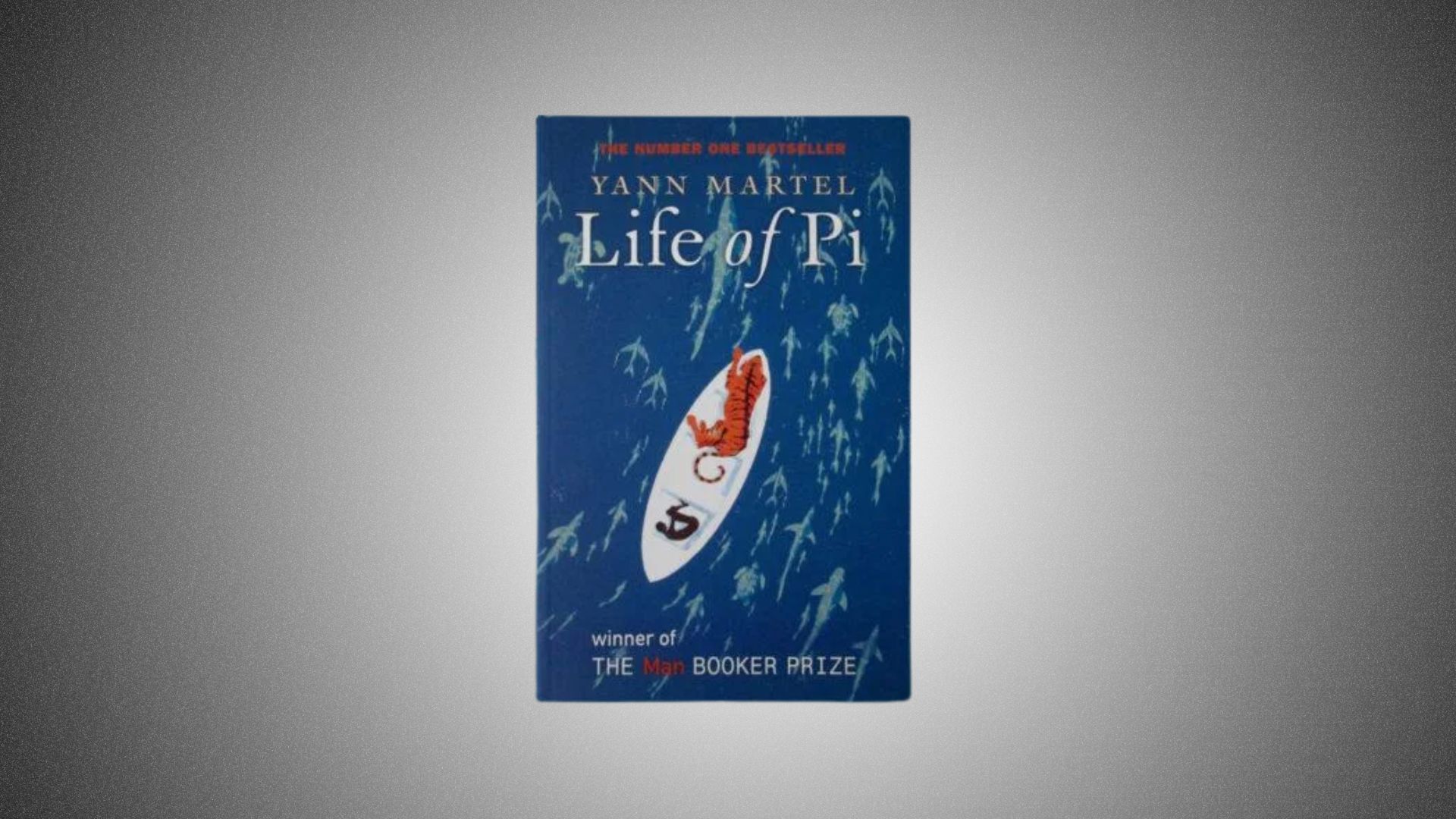
Life of Pi tells the story of Piscine Molitor “Pi” Patel, a young boy from India who survives a shipwreck in the Pacific Ocean.
He’s stuck on a lifeboat with Richard Parker, a Bengal tiger. The story blends survival with deep questions about faith, imagination, and truth.
Pi practices three religions and uses his beliefs to stay alive. The book mixes real-life struggle with symbolic meaning.
It makes you think about what’s true and what we tell ourselves to cope.
Life of Pi Summary (Spoiler-Free)
Pi grows up in Pondicherry, India, where his family runs a zoo. He studies Hinduism, Christianity, and Islam all at once.
When his family decides to move to Canada, they board a ship with their zoo animals. The ship sinks. Pi ends up alone on a lifeboat with Richard Parker, a massive tiger.
He fights hunger, fear, and the endless ocean. The bond between boy and tiger becomes his lifeline. Pi tells his story years later, but he gives two versions.
One has animals. One doesn’t. The ending forces you to pick which story you believe.
Major Themes in Life of Pi
What this book really wants you to think about.
Faith and Spirituality
Pi practices three religions at once. Faith becomes his anchor when the shipwreck destroys everything.
Prayer keeps him sane during the worst moments. He questions God but never stops believing. Faith isn’t about answers. It’s about holding onto hope when giving up seems easier.
Survival and Human Instinct
The ocean tests Pi completely. He learns to fish and outsmart a tiger. His body and mind adapt to impossible conditions.
Richard Parker represents his will to live. Survival gets brutal and desperate. Pi does unthinkable things because staying alive matters most.
Truth and Storytelling
Pi gives two versions of his story. One has animals. The other is painfully human. Which one is true? The novel asks if truth matters less than the story we can live with.
Your answer to Pi’s question reveals more about you than the book.
Isolation and Hope
The ocean never ends. Pi has only a tiger for company. Loneliness becomes physical pain. But small moments keep him going. A sunset. Fish swimming by. Wave patterns.
Hope isn’t one big thing. It’s tiny victories that add up each day.
Human–Animal Relationship
Pi and Richard Parker need each other. The tiger keeps Pi focused and alert. Without Richard Parker, Pi would’ve quit. But the tiger also threatens him constantly.
Their bond mixes fear with something like friendship. The tiger’s silent goodbye at the end crushes Pi.
Character Analysis and Emotional Depth
The people and animals who shape this story.
Pi Patel: Faith, Curiosity, and Resilience
Pi starts as an innocent boy curious about God and life. The shipwreck forces him to grow up fast. He becomes calculating, brave, and surprisingly tough. His intelligence keeps him alive, but faith keeps him human. Pi never loses his core kindness even when survival demands cruelty.
Richard Parker: Fear and Survival Instinct
The tiger isn’t just an animal. He’s a symbol of everything wild in Pi. Richard Parker represents the part that will do anything to survive. Constant danger keeps Pi sharp. Without the tiger, Pi has no reason to stay disciplined. Their relationship is both terrifying and necessary.
Santosh Patel (Father): Voice of Logic and Reality
Pi’s father runs the zoo and teaches hard lessons. He believes in reason over faith. Santosh shows Pi that animals are dangerous, not friends. He prepares his son for a harsh world. His realistic worldview contrasts with Pi’s spiritual nature. These lessons become crucial when Pi faces Richard Parker alone.
Gita Patel (Mother): Compassion and Emotional Anchor
Pi’s mother brings warmth to harsh truths. She supports Pi’s religious curiosity when others mock him. Her compassion shapes who Pi becomes. She represents the emotional core Pi holds onto during his ordeal. Gita shows that kindness matters just as much as toughness. She’s why Pi never loses his humanity.
Writing Style and Narrative Structure
Martel writes in clear, simple language that hides complex ideas. The book starts slow, building Pi’s world before destroying it. Then the pace shifts hard.
The survival section reads fast and intense. Martel blends realistic details with dreamlike moments that feel symbolic. He leaves gaps for you to fill in.
The ending refuses to give easy answers, which frustrates some readers but makes the book memorable.
The narrative structure mirrors Pi’s own storytelling, where fact and fiction blur until you can’t separate them.
Life of Pi Goodreads & Amazon Reviews
What other readers think about this book.
GOODREADS: Around 3.9 out of 5 stars. Readers praise the originality and emotional impact. The symbolism hooks people hard. Many love the creative storytelling and philosophical depth.
AMAZON: About 4.3 out of 5 stars. Readers highlight the survival story and thought-provoking ending. The ratings show strong appreciation for the narrative.
Reviews split between those who love the open interpretation and those who wanted clearer answers. Most agree the book stays with you long after reading.
Who Should Read Life of Pi
You’ll love this if stories make you think. Fans of philosophical fiction will appreciate it. Works for survival tales with deeper meaning.
Interested in faith, symbolism, or character studies? This delivers.
Book clubs love the discussion-worthy ending. Fast-paced action fans might struggle with the slow start.
Clear resolution seekers may feel frustrated. But if you’re open to ambiguity and big questions, Life of Pi rewards that mindset.
Personal Reading Experience and Honest Opinion
I finished Life of Pi in two days. The survival sections had me holding my breath. But the ending stuck with me most.
I kept thinking about which story I believed and why that mattered.
Pi and Richard Parker’s bond moved me. When the tiger disappeared, I felt Pi’s grief.
This book makes you think about how we tell ourselves stories to process trauma. It’s important.
Life of Pi Movie Adaptation vs Book: Key Differences and Similarities

Ang Lee’s 2012 film brings Life of Pi to life visually. The movie stays faithful to the main plot. You get the shipwreck, Richard Parker, and the two stories at the end.
But the book goes deeper into Pi’s mind. His thoughts about faith and God feel richer on the page. The film uses stunning visuals to show what the book describes.
Richard Parker looks real and terrifying on screen. The ending works in both versions, but the book makes you think longer. I recommend experiencing both.
About the Author

Yann Martel is a Canadian author born in Spain to diplomat parents. Growing up across countries shaped how he sees the world.
Life of Pi came from a book review about a man stranded at sea. He researched religions, zoos, and survival for years.
The novel won the Man Booker Prize in 2002. His other books include Beatrice and Virgil and The High Mountains of Portugal.
Martel writes clear prose mixed with deep philosophical questions about faith and truth.
Conclusion
I hope this review helps you understand why Life of Pi matters. This book changed how I think about truth and survival.
It’s not an easy read in some ways, but it rewards your attention. The questions it raises stay with you for years.
If you’re looking for a story that combines action with meaning, give this one a try. I’d love to hear your thoughts if you’ve read it.
Which story did you believe? Drop a comment below and let’s talk about it.
Frequently Asked Questions
Is Life of Pi based on a true story?
No, it’s fiction. But Martel was inspired by a real book review about a man surviving at sea. He researched extensively to make the survival details realistic.
What does the tiger symbolize in Life of Pi?
Richard Parker represents Pi’s survival instinct and inner strength. He’s the fierce part of Pi that refuses to die, even when giving up seems easier.
Why are there two different stories at the end?
The two versions force readers to choose between a comforting story and a harsh truth. It asks what we need from stories and how we process trauma.
Is Life of Pi suitable for young readers?
It works for mature teens and adults. Some survival scenes are intense. The themes about faith and truth might be complex for younger readers.
How long does it take to read Life of Pi?
Most readers finish it in 5 to 10 hours. The book has about 300 pages, and the middle section reads quickly because of the suspense and action.