


Looking for an honest House of Leaves summary? You're in the right place. I'll help you decide whether Mark Z. Danielewski's cult horror novel is worth your time.
I picked up this book expecting a haunted-house story.
What I found was something far stranger: a mind-bending mix of psychological horror, literary experimentation, and mystery that challenges the very act of reading.
In this post, I'll cover the plot without major spoilers, talk about the central themes, analyze the key characters, and share my personal thoughts on the novel.
You'll also see what critics and readers think, who will enjoy this book most, and whether its reputation as one of the most unique horror novels ever written is justified.
Let's jump in.
Synopsis of House of Leaves
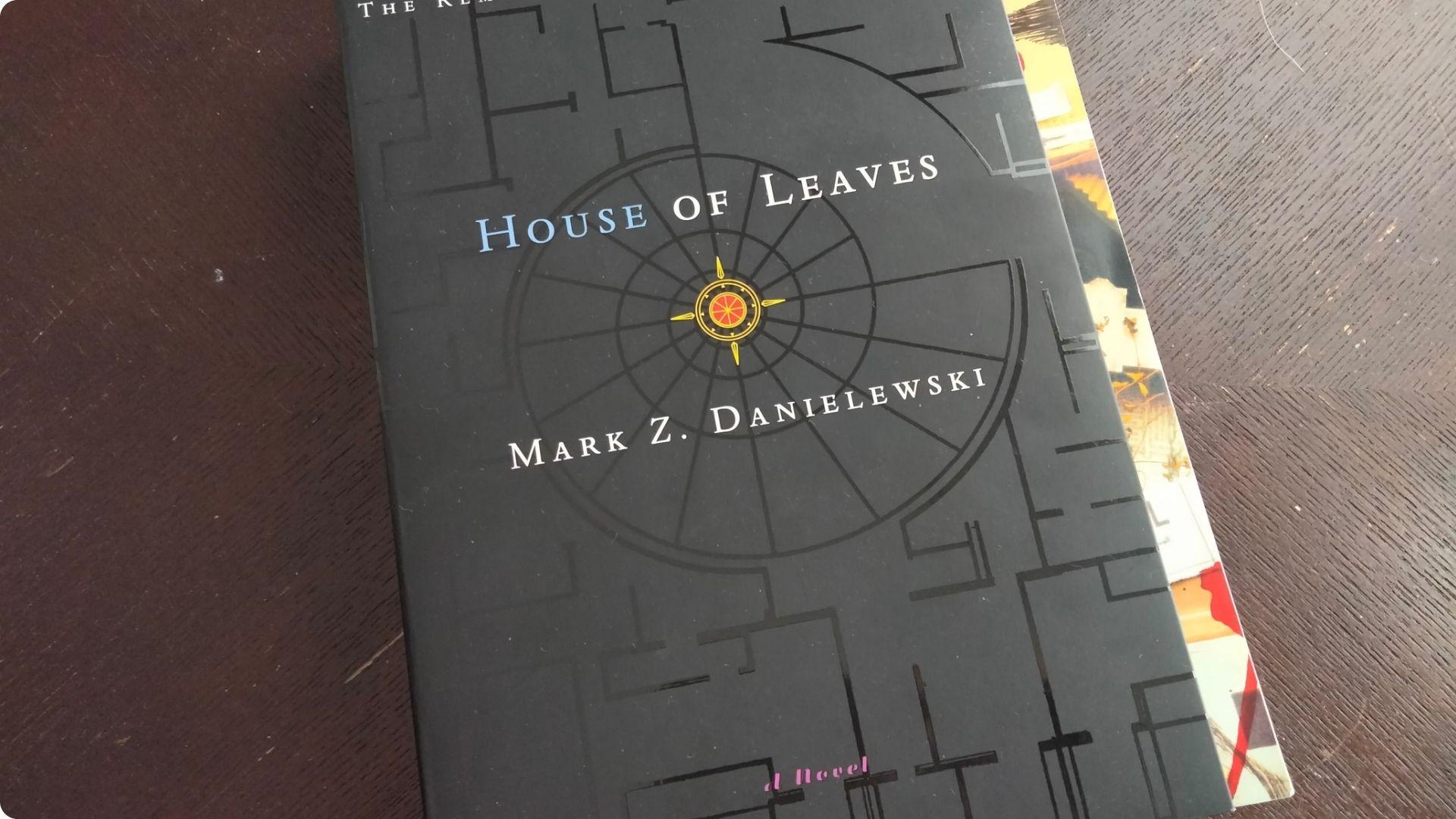
House of Leaves follows multiple interconnected narratives centered around a mysterious documentary called The Navidson Record.
The documentary supposedly chronicles the experiences of photographer Will Navidson and his family after moving into a house in Virginia that appears larger on the inside than it is on the outside.
What begins as a small architectural anomaly quickly becomes terrifying.
The house develops impossible hallways, shifting rooms, endless staircases, and vast dark spaces that defy logic and physical reality.
The story is presented through the writings of Zampanò, a blind scholar obsessed with analyzing The Navidson Record.
After Zampanò's death, a troubled tattoo artist named Johnny Truant finds the manuscript and becomes increasingly consumed by it.
As Johnny edits and comments on Zampanò's work, his own grip on reality begins to unravel.
The result is a layered narrative that blurs the line between fiction, obsession, and psychological collapse.
Major Themes in House of Leaves
Danielewski talks about profound themes through horror, metafiction, and experimental storytelling.
Fear of the Unknown
At its core, House of Leaves is about humanity's relationship with the unknown.
The house cannot be measured, understood, or explained. Every attempt to define it only reveals more mysteries.
This reflects a universal human fear: confronting something that exists beyond our ability to comprehend.
The darkness within the house becomes a symbol for everything people fear but cannot fully understand, including death, isolation, and the limits of knowledge itself.
Obsession and Psychological Collapse
Nearly every major character becomes obsessed with something.
Navidson becomes obsessed with exploring the house. Zampanò becomes obsessed with documenting it. Johnny becomes obsessed with understanding the manuscript.
The novel examines how obsession can consume a person's identity. What begins as curiosity gradually transforms into compulsion, forcing characters to sacrifice relationships, stability, and even their sanity.
Reality vs. Perception
One of the book's most unsettling themes is the instability of reality.
The reader is constantly forced to question what is real and what may be imagined. The existence of The Navidson Record itself becomes uncertain. Some evidence suggests it never existed at all.
This uncertainty creates an atmosphere where objective truth feels impossible to find. The novel asks whether reality is something fixed or something shaped by perception.
Family, Love, and Human Connection
Beneath the horror lies an emotional story about relationships.
The Navidson family struggles with communication, trust, and emotional distance. As the house becomes more threatening, their relationships become increasingly important.
The novel suggests that human connection may be the only meaningful defense against fear and isolation.
The Nature of Storytelling
House of Leaves constantly examines how stories are created and interpreted.
Every layer of narration filters events through a different perspective. Readers never encounter events directly. Instead, they receive stories within stories within stories.
This structure forces readers to think critically about how narratives shape understanding and how truth becomes distorted over time.
Character Analysis
Each major character contributes to the novel's psychological complexity.
Will Navidson
Navidson is an award-winning photojournalist drawn to exploration and discovery.
His determination to understand the house drives much of the novel's central conflict.
Karen Green
Karen initially wants nothing more than a normal family life.
Her fear of the house creates emotional tension and some of the novel's most powerful moments.
Johnny Truant
Johnny serves as one of the book's primary narrators.
As he investigates Zampanò's manuscript, his mental state gradually deteriorates, creating a disturbing parallel to the events inside the house.
Zampanò
The mysterious scholar dedicates his life to analyzing The Navidson Record.
His obsession forms the foundation of the novel's layered structure.
Writing Style and Narrative Voice
Danielewski's writing style makes House of Leaves unlike almost any other novel.
Experimental Page Design
The novel famously uses unusual typography, footnotes, colored text, and unconventional page layouts.
Reading becomes an interactive experience rather than a passive one.
Multiple Narrative Layers
The story unfolds through several narrators and documents. This structure creates mystery while constantly forcing readers to question what they can trust.
Psychological Immersion
The formatting often reflects the emotional state of the characters. As the story becomes more chaotic, the reading experience mirrors that instability.
Challenging but Rewarding
This is not a casual read. The novel demands patience and attention, but many readers find the experience unforgettable.
Critical Reception
House of Leaves received widespread critical attention after its publication and gradually developed a devoted cult following.
Critics praised its originality, ambition, and innovative storytelling techniques.
Many reviewers described it as a landmark work of experimental fiction and modern horror.
Some readers found the complex structure frustrating and felt the extensive footnotes disrupted the narrative flow.
Even so, the novel remains one of the most discussed and analyzed horror books of the 21st century.
Notable Reviews and Ratings
Here are the notable recognitions of the book on Goodreads and Amazon.
Goodreads
4.08/5 stars based on over 180,000 ratings and 15,000+ reviews.
Readers frequently praise the novel's originality, psychological depth, and immersive horror, though some find its experimental format challenging.
Amazon
4.4/5 stars based on 8,000+ customer reviews.
Reviewers often highlight the book's creativity, unsettling atmosphere, and unique reading experience.
Literary Recognition
The novel has become a modern cult classic and is frequently cited among the most influential horror novels of the 21st century.
What Reviewers Are Saying
Many readers describe House of Leaves as unlike anything they have ever read.
Some consider it a masterpiece of psychological horror, while others admire its ambition even if they struggle with its unconventional structure.
My Personal Reading Experience
Reading House of Leaves felt less like reading a novel and more like exploring a labyrinth.
The first thing that struck me was how disorienting the experience felt. The unusual formatting isn't a gimmick. It actively contributes to the tension and atmosphere.
The house itself became one of the most memorable "characters" I've encountered in fiction. Every new discovery inside its walls created a growing sense of dread.
Johnny Truant's sections were equally unsettling. His gradual unraveling added a layer of psychological horror that stayed with me long after I finished reading.
Was it always easy to follow? No. There were moments when I had to reread passages or navigate complicated footnotes.
Still, the novel's ambition and originality made the effort worthwhile. Few books feel this immersive or this haunting.
About the Author: Mark Z. Danielewski
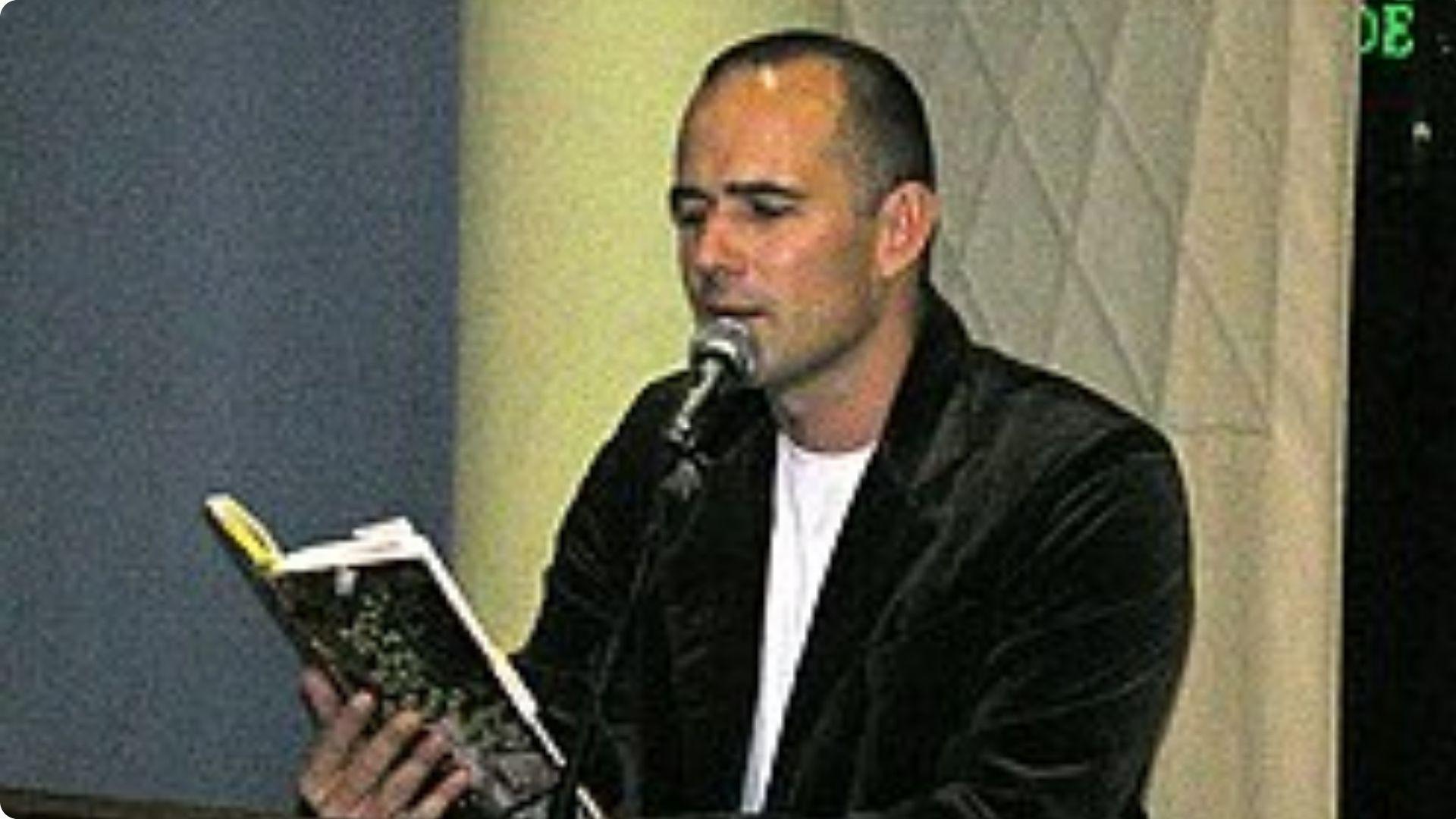
Mark Z. Danielewski is an American author best known for pushing the boundaries of traditional storytelling.
Born in New York City in 1966, he grew up in a creative family; his father was acclaimed filmmaker Tad Danielewski, and his sister is musician Poe.
Before becoming a novelist, Danielewski studied literature and film, developing a deep interest in how stories are told and experienced.
This fascination would later shape his unique writing style, which combines narrative, typography, page design, and visual elements in unconventional ways.
His breakthrough novel, House of Leaves, was published in 2000 and quickly gained a devoted cult following. It is widely regarded as one of the most innovative horror novels of the modern era.
Conclusion
I hope this House of Leaves summary helped you decide whether the novel is right for you.
This isn't a traditional horror novel. It's an experience designed to challenge, unsettle, and immerse readers in ways few books attempt.
If you enjoy psychological horror, literary experimentation, unreliable narrators, and stories that reward close attention, there's a good chance you'll love this book.
After finishing it, I found myself thinking about its mysteries and meanings for weeks. Very few novels leave that kind of impression.
If you've read House of Leaves, I'd love to know which part of the story disturbed or fascinated you the most.
Frequently Asked Questions
What is House of Leaves about?
It follows multiple narrators connected to a mysterious documentary about a house that is impossibly larger inside than outside.
Is House of Leaves scary?
Yes. The novel relies heavily on psychological horror, dread, and existential fear rather than traditional jump scares.
Is House of Leaves difficult to read?
Yes. Its unconventional formatting, footnotes, and layered narratives require patience and concentration.
Is House of Leaves based on a true story?
No. The novel is entirely fictional, though it is presented in a way that deliberately blurs reality and fiction.
Why is House of Leaves so popular?
Readers praise its originality, immersive horror, and innovative storytelling techniques.
Is House of Leaves worth reading?
For readers who enjoy experimental fiction, psychological horror, and complex literary puzzles, the answer is very likely yes.