


What would you do if you were the only one left after a tragedy no one can imagine? In this Dear Edward summary, we look at a story that asks that very question.
The novel follows a young boy who survives a plane crash and must learn how to live with deep loss.
I have read many emotional novels, and this one stayed with me for its honesty and quiet strength.
In this blog, you will read about the plot, insights and much more you ned to know.
Let us walk through what makes this story connect with so many readers.
Brief Overview of the Book

Dear Edward by Ann Napolitano tells the story of twelve-year-old Edward Adler, the only survivor of a tragic plane crash that kills 191 people, including his parents and brother.
The novel follows Edward as he tries to rebuild his life while carrying deep grief and questions about why he lived when others did not.
The tone is emotional and thoughtful, yet grounded in real human feelings. As someone who read it closely, I found it quiet but powerful.
The book holds a strong rating of around 4.0 stars on Goodreads and about 4.3 stars on Amazon, showing its wide reader appreciation.
Dear Edward Summary & Main Plot
After surviving the plane crash, Edward Adler wakes up in a hospital with injuries and a loss too heavy for a twelve-year-old.
He moves in with his aunt and uncle in New Jersey, who become his guardians and try their best to care for him. School feels strange and overwhelming.
Classmates stare at him, and teachers treat him differently. Edward feels alone, even in a crowded room.
Slowly, he forms a close bond with his neighbor Shay, who becomes an important friend and source of support.
As time passes, Edward begins to face the question everyone silently asks- why did he survive? The story follows his slow path toward acceptance without revealing its final turning points.
Themes and Motifs
When I finished the book, what stayed with me most were its themes. They are simple, real, and deeply human.
1. Grief and Healing
The novel shows grief as slow and confusing. Edward does not “get better” quickly. Some days feel normal, and others feel heavy.
Healing happens in small steps. I felt the story respects how loss changes a person without rushing the process.
2. Family and Chosen Connections
After losing his parents and brother, Edward must adjust to life with his aunt and uncle. Their care is imperfect but sincere.
His bond with Shay also becomes important. The story shows that family is not only about blood, but about care and steady presence.
3. Resilience and Hope
Edward’s strength is quiet. He keeps going even when he feels lost. Hope in this novel is gentle, not loud.
It grows through small acts of kindness, routine, and friendship. That made his progress feel honest and believable to me.
4. Trauma and Recovery in a Realistic Way
Ann Napolitano writes trauma with care and restraint. She does not dramatize Edward’s pain. Instead, she focuses on daily life, school, conversations, silence.
Recovery feels uneven, just like real life. That realism made the story feel truthful and grounded.
Character Analysis
The strength of this novel lies in its characters. Each person around Edward plays a quiet but meaningful role.
Edward Adler: A Young Survivor Facing Loss
Edward is only twelve, yet he carries a loss that feels too big for his age. He is quiet, observant, and often confused about his own feelings.
At times, he feels guilty for surviving. Watching him slowly understand his emotions felt honest and deeply moving to me.
Supporting Characters: Family, Mentors, and Friends
His Aunt Lacey and Uncle John step in as guardians. They struggle too, but they try to provide stability.
Shay, his neighbor, becomes his closest friend. Teachers and others treat him differently. Each character reacts to the tragedy in their own way.
Emotional Impact and Writing Style
Ann Napolitano writes calmly and clearly, which lets emotions rise naturally. Her sentences are simple but full of feeling.
She focuses on small moments, silences, memories, and short talks that carry deep meaning. While reading, I often felt a quiet ache, especially in scenes where Edward tries to act normal.
Many readers on Goodreads praise the book for its emotional depth and thoughtful structure.
Some reviews mention that the pace feels slow in parts, but others say that this slower rhythm matches the story’s tone.
Overall, the response has been largely positive, with readers appreciating its honesty and heart.
Goodreads and Amazon Ratings
I checked both major reader platforms to see how Dear Edward has been received. Here is what the ratings show.
Goodreads rating: 4.0/5. Readers praise the emotional depth and strong character work. Some mention the pacing feels slow at times.
Amazon rating: 4.3/5. Many highlight the powerful emotional impact and realistic portrayal of loss. A few feel the subject matter is heavy, but overall reviews are very positive.
Overall, Dear Edward is widely respected for its emotional honesty and strong character focus.
Pros and Cons
No book is perfect, and this one is no exception. Here is a balanced look at what works well and what may not work for everyone.
Pros:
- Strong emotional depth that feels real and honest
- Well-developed characters with believable reactions
- Clear and thoughtful storytelling structure
- Meaningful themes about loss and recovery
- Memorable relationships that add warmth to the story
Cons:
- Slow pacing in several sections
- Heavy subject matter that may feel intense
- Frequent timeline shifts that can feel confusing at first
- Some side characters feel less showed
- Certain scenes may feel emotionally draining for sensitive readers
Overall, the novel leaves a lasting impact despite a few minor weaknesses.
Who Should Read This Book
This novel connects most with readers who appreciate emotional and character-focused stories. Here is a clear breakdown in simple terms.
YA Readers (13+): Edward is a young teen, so younger readers may relate to his school life, friendships, and confusion about growing up.
Adult Contemporary Fiction Fans: The emotional depth and layered storytelling appeal strongly to adult readers who enjoy reflective fiction.
Readers Interested in Human Resilience: The story focuses on survival, coping with loss, and slowly rebuilding life.
Those Dealing with Grief: The honest portrayal of loss may feel comforting and validating.
Book Clubs: The themes of family, fate, and healing create strong discussion points.
Overall, this story will mean the most to readers who value emotion, reflection, and strong character growth.
TV Series Adaptation
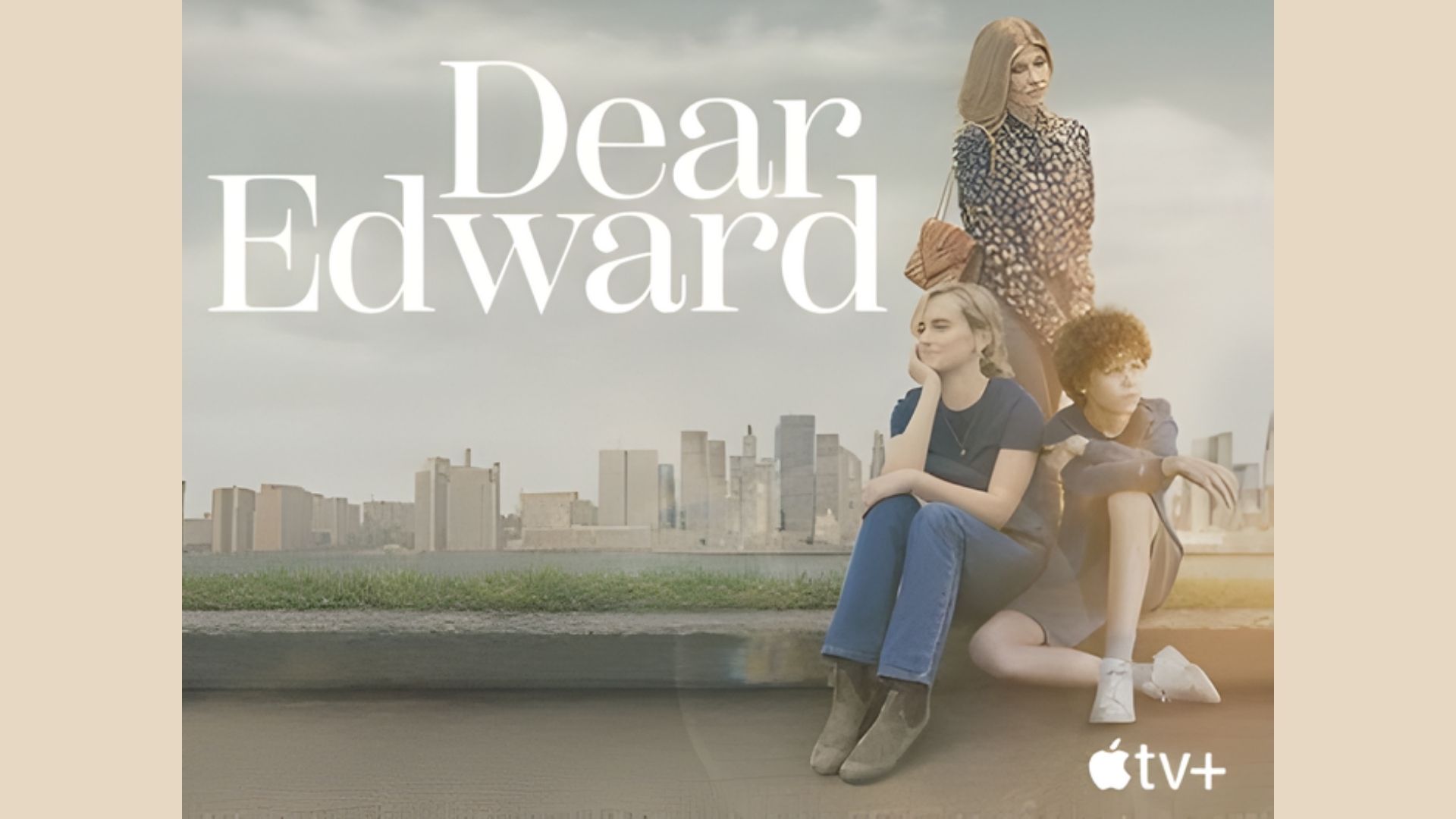
Dear Edward was adapted into a television series by Apple TV+ in 2023. The show was developed by Jason Katims and is based on the novel by Ann Napolitano.
It stars Colin O’Brien as Edward, with Connie Britton and Taylor Schilling in key roles.
The series follows the same core story of Edward surviving a plane crash and trying to rebuild his life.
It expands on the lives of other passengers and their families, adding more background stories. The show ran for one season with ten episodes and was later canceled.
Viewers had mixed reactions, though many appreciated its emotional focus.
About the Author

Ann Napolitano is an American author known for writing emotional, character-focused fiction. She earned her MFA from New York University and has taught writing at Brooklyn College.
Besides Dear Edward, she has written Within Arm’s Reach, A Good Hard Look, and the bestselling novel Hello Beautiful, which became an Oprah’s Book Club pick.
Dear Edward was also selected for the Today Show Book Club and gained wide attention after its release.
Her storytelling centers on family bonds, loss, and personal growth. She writes in a clear, thoughtful style that focuses on everyday moments and honest human emotions.
Conclusion
This Dear Edward summary highlights a story rooted in loss, survival, and steady healing. After reading it myself, I found its strength in how real it feels.
Edward’s emotions, his silence, and his slow progress stayed with me. The novel does not offer easy answers, but it offers honesty.
That is what makes it powerful. If you value character-focused fiction with emotional depth, this book is worth your time.
If this review helped you, share it with another reader. Find out more honest book insights here!
Frequently Asked Questions
Is Dear Edward Based On A True Story?
No, the novel is not based on a specific real-life event. However, the idea was inspired by news stories about plane crashes and the rare cases where one person survives.
Is Dear Edward Sad To Read?
Yes, it deals with heavy themes like loss and grief. That said, it also includes hope and moments of connection that balance the sadness.
What Age Group Is Dear Edward Suitable For?
The book features a young teen as the main character, but the themes are mature. It is best suited for older teens and adult readers.
Does The Book Have A Happy Ending?
The ending is thoughtful and hopeful rather than dramatic. It focuses on emotional growth instead of a perfect resolution.
Is The TV Series Similar To The Book?
The Apple TV+ adaptation follows the main storyline but expands on side characters. Some details differ, but the emotional core remains the same.