

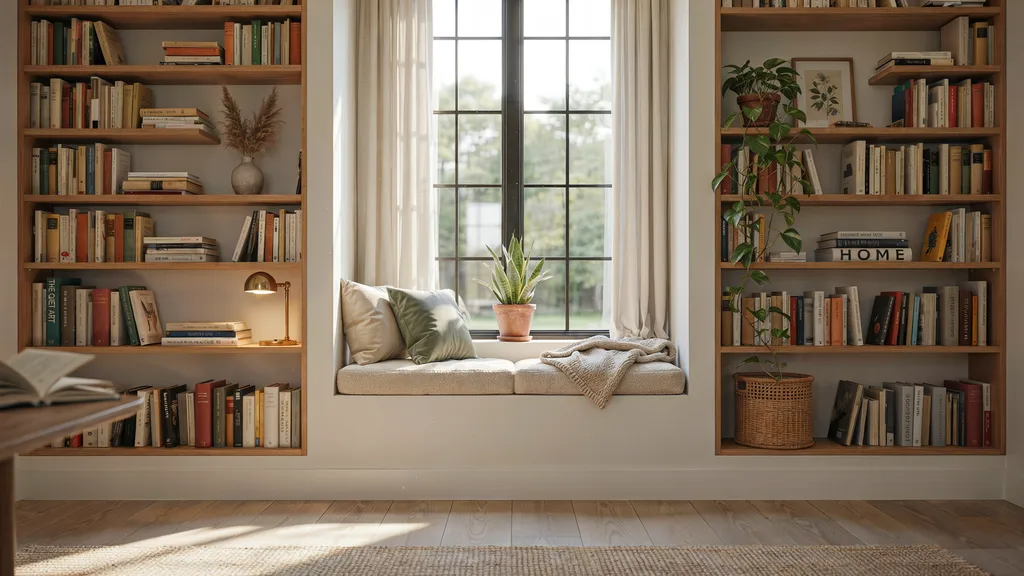
That empty wall space on both sides of your window? It's more useful than you think.
I used to ignore it too. Then I built my first bookshelf around window and it changed the whole feel of the room.
More storage, better style, and a cozy reading spot, all in one build. And the best part? I did it myself without hiring anyone.
In this blog, I'll show you how to build one step by step, the best design ideas, tools you'll need, common mistakes to avoid, and what it really costs.
I've put together everything you need in one place. No guesswork. No confusion. No wasted time.
Let's get started.
Why Build a Bookshelf Around a Window?

Most people walk past the wall space around their windows without a second thought. But that space is some of the most valuable real estate in your room.
A bookshelf around a window makes full use of those overlooked vertical walls while pulling the whole room together.
It creates a cozy reading nook right where natural light is best. You get extra storage without adding bulk to the room.
And the finished look feels like a custom built-in, at a fraction of what a professional would charge. It's a practical, good-looking upgrade that works in almost any room.
Tools and Materials You'll Need
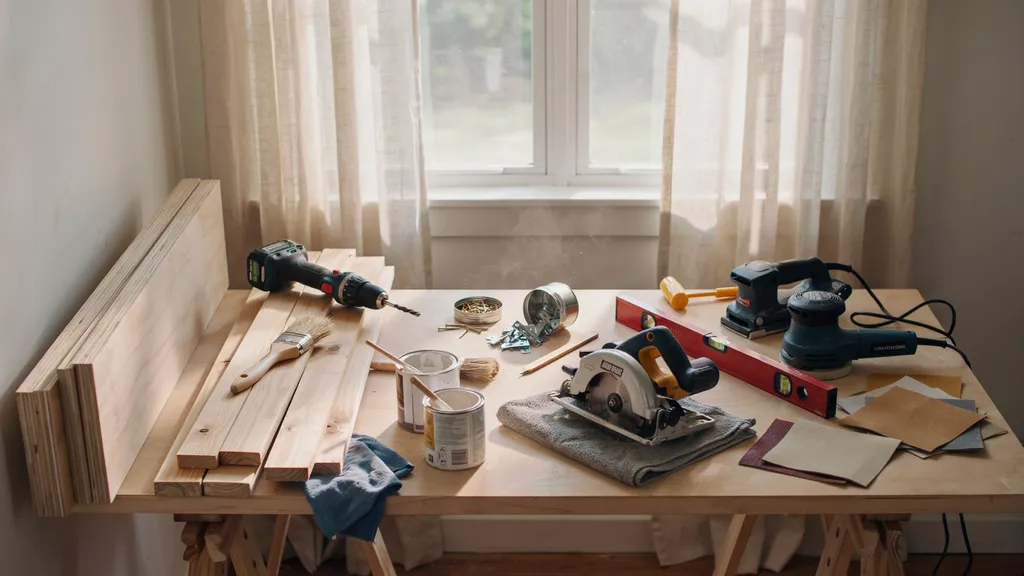
Here is everything you need before you start building.
- Lumber and plywood options: Use 3/4-inch plywood or solid pine boards for sturdy shelves that hold weight well.
- Fasteners and hardware: Stock up on wood screws, shelf pins, corner brackets, and wall anchors.
- power tools:A circular saw, drill, level, tape measure, and sander will cover most of the work.
- Paint, primer, and finishing supplies: Use a good wood primer, interior paint, and sandpaper for a clean, finished look.
How to Build a Bookshelf Around Window: Step by Step
Follow these steps carefully and you'll have a solid, good-looking built-in shelf around your window.
Step 1: Build the Base Foundation
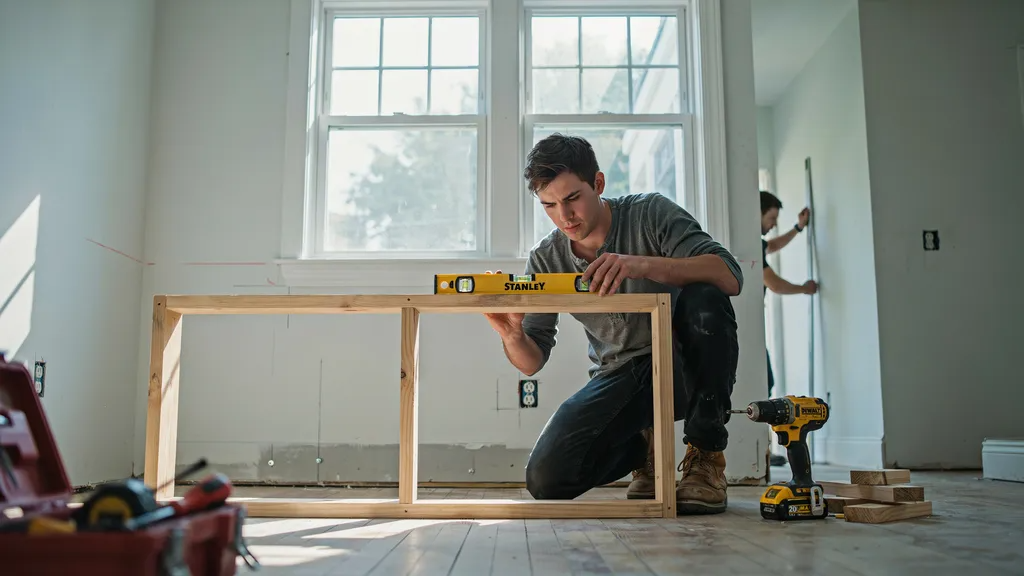
Start by removing the baseboards along the wall where your shelves will sit. This gives you a flat, clean surface to work with.
Use a level to check the floor before building your platform frame. A level base matters more than most people realize.
If your floor is uneven and you skip this step, the whole unit will lean or gap at the wall.
Once your platform frame is cut and assembled, secure it directly into the wall studs using long screws for a firm, stable hold.
Step 2: Construct the Bookshelf Frames
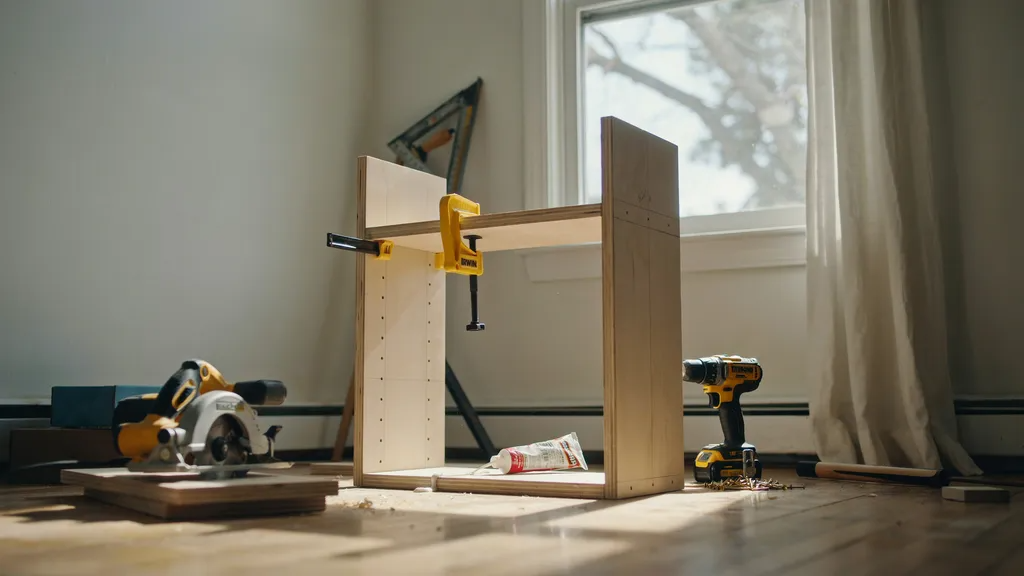
Cut all your shelf components to size before assembling anything. Double-check each measurement twice. Build the two side units first, one for each side of the window.
Use wood glue along with screws at every joint for added strength. If you plan to store heavy books, add a center support or a thicker shelf board to prevent bowing over time.
Sand all edges smooth before moving to the next step. Clean, smooth cuts and tight joints are what separate a shelf that looks DIY from one that looks professionally built.
Step 3: Install the Bookshelves Around the Window
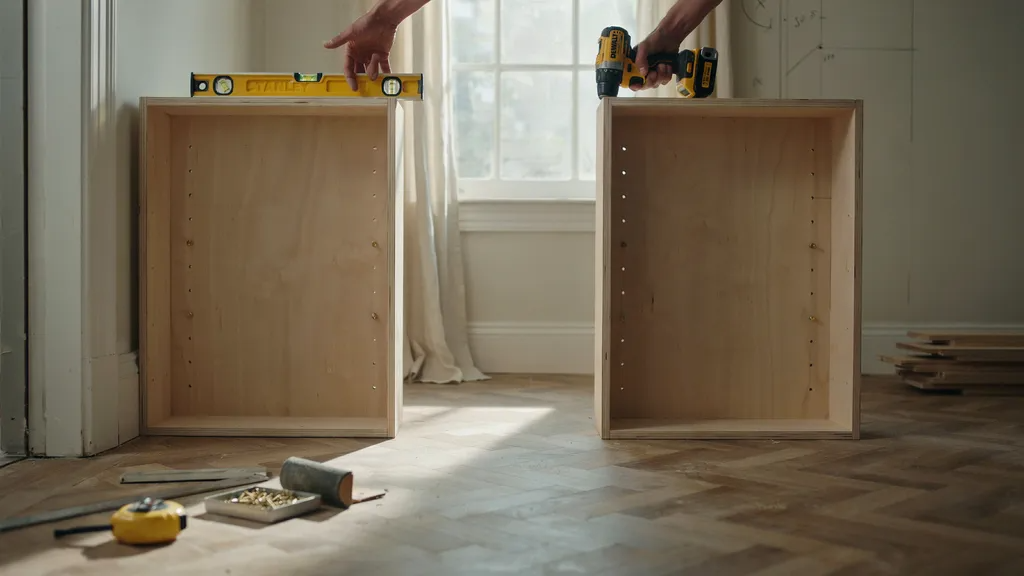
Carefully position each side unit against the wall. Use a level to confirm both units are perfectly upright before driving any screws. Anchor each unit into the wall studs, not just the drywall.
Drywall anchors alone will not hold a loaded bookshelf safely over time. Once both units are secured, check the spacing between the shelf edges and the window trim.
You want a consistent gap on both sides. If anything looks off, adjust before moving forward. Getting this step right makes everything that follows much easier.
Step 4: Add a Window Seat for Extra Functionality
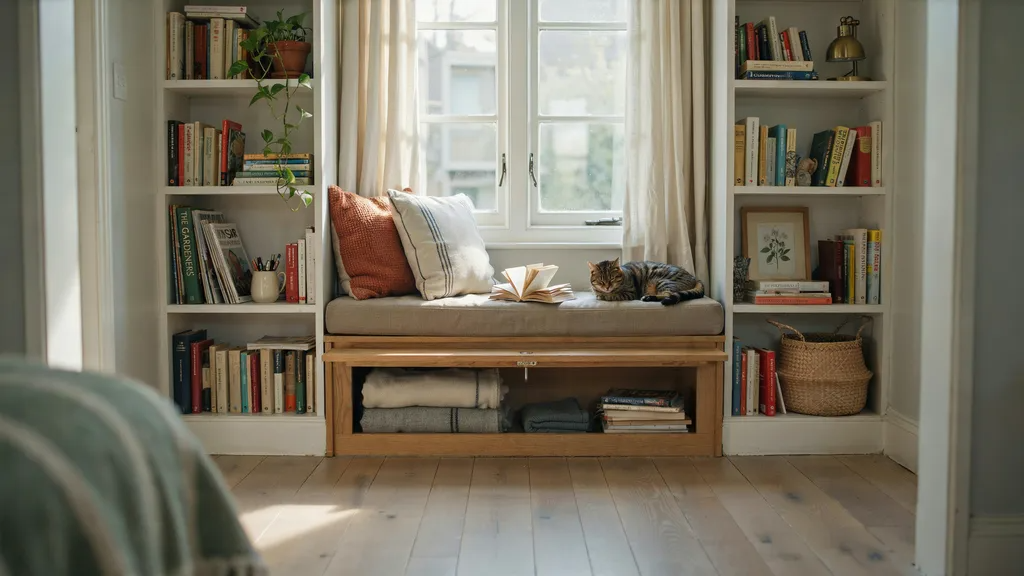
A window seat turns your bookshelf project into something truly functional. Build a simple box frame using 3/4-inch plywood to serve as the seat base.
If you want hidden storage underneath, add a hinged lid instead of a fixed top. This is a great place to store blankets, cushions, or items you don't need every day.
Once the box is assembled and secured to the floor, install the seat top firmly. Add a cushion on top and you now have a reading spot with built-in storage sitting right between your shelves.
Step 5: Create the Top Shelf Above the Window
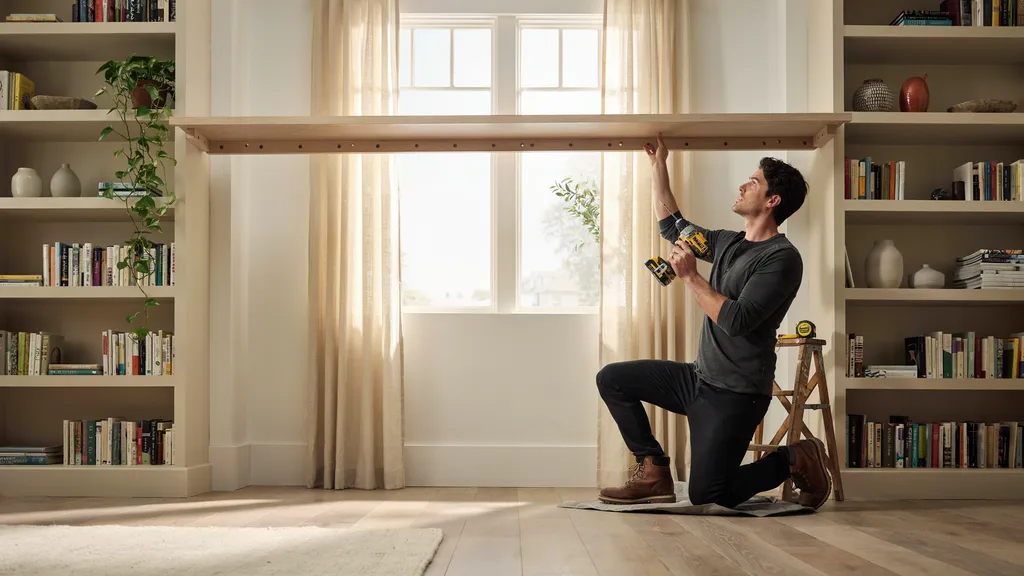
The top shelf connects both side units and ties the whole built-in together. Measure the exact distance between the two units at the top and cut your board to fit snugly.
Use a support bracket at the center of the span to prevent sagging, especially if the board is long. Attach the top shelf to both side units using screws from the inside so the fasteners stay hidden.
Step back and check that both sides are at the same height and the overall unit looks balanced. A level top shelf pulls the entire built-in look together cleanly.
Best 5 Bookshelf Around Window Design Ideas
Here are five design styles that work especially well for a bookshelf around window setup.
1. Floor-to-Ceiling Built-Ins
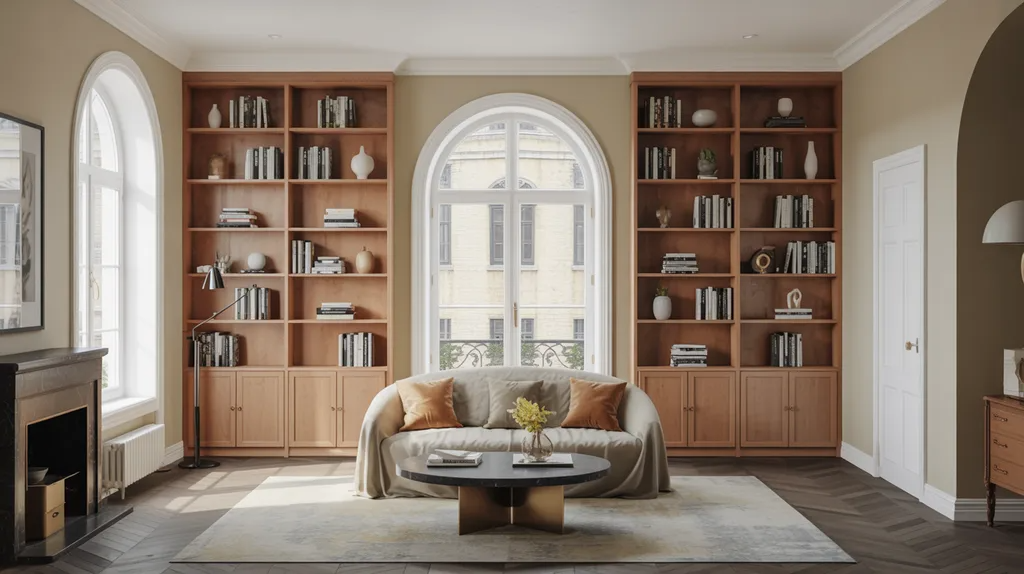
This style uses every inch of vertical wall space on both sides of the window. It creates a strong, library-style look that feels intentional and well-planned.
Paint everything the same color as your walls and the shelves will look like they were always part of the room. Best for living rooms and home libraries with high ceilings.
2. Modern Minimalist Shelving

Clean lines, open shelves, and no doors. That's what makes this style work. Keep the shelves evenly spaced and avoid overcrowding them.
A few well-placed books, a small plant, and some empty space goes a long way. This style works best in rooms that already have a simple, clutter-free look and good natural light coming through the window.
3. Farmhouse-Style Reading Nook
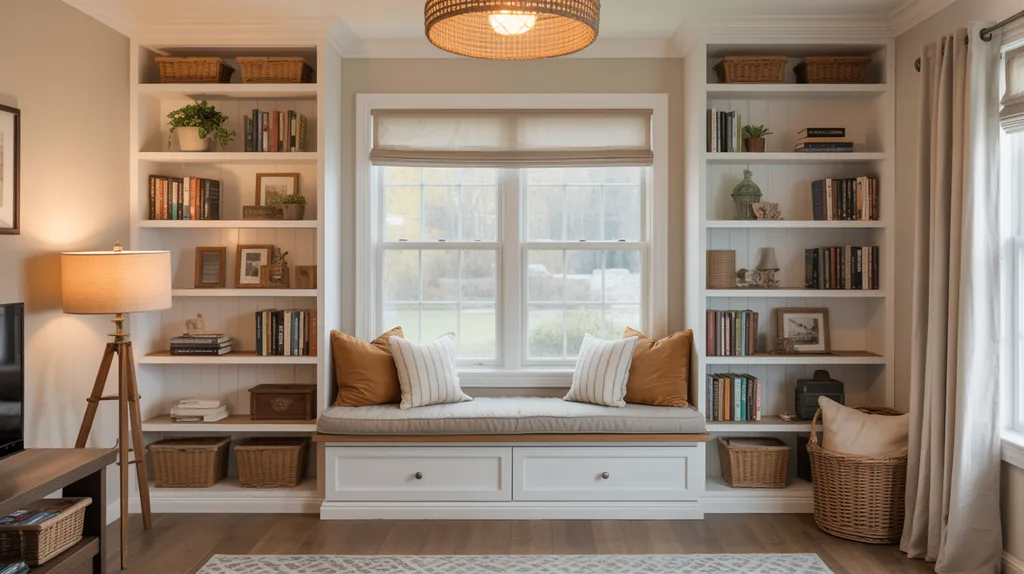
White paint, a cushioned window seat, and warm wood tones bring this style together. Add a few throw pillows and a small blanket basket underneath the seat for extra storage.
The shelves on both sides frame the window perfectly and create a spot that feels warm and inviting. This style works well in living rooms, bedrooms, and family spaces.
4. Home Office Bookshelf Wall
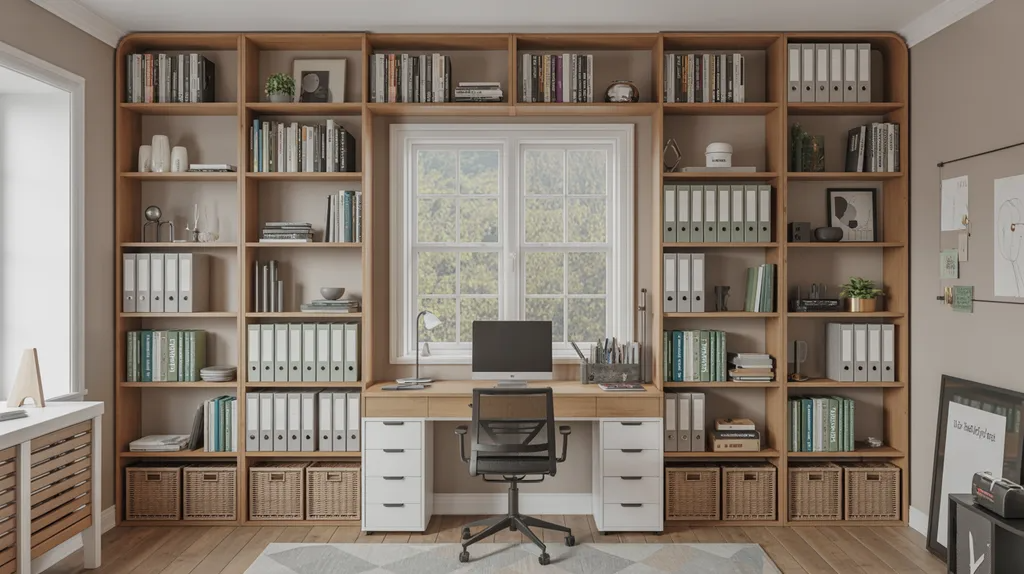
Frame your window with shelves that hold reference books, binders, and work essentials. Keep the layout organized and practical.
Use labeled baskets or boxes on some shelves to reduce visual clutter. Having your window centered in the middle of your bookshelf wall also gives you natural light right where you need it most while working at your desk.
5. Bedroom Window Seat With Storage

Build low bookshelves on both sides of the window and connect them with a padded seat in the middle. Add a lift-up lid to the seat for hidden storage inside.
This setup works especially well in smaller bedrooms where floor space is limited. You get a reading spot, extra seating, book storage, and a hidden storage compartment all in one build.
How Much Does It Cost to Build a Bookshelf Around Window?
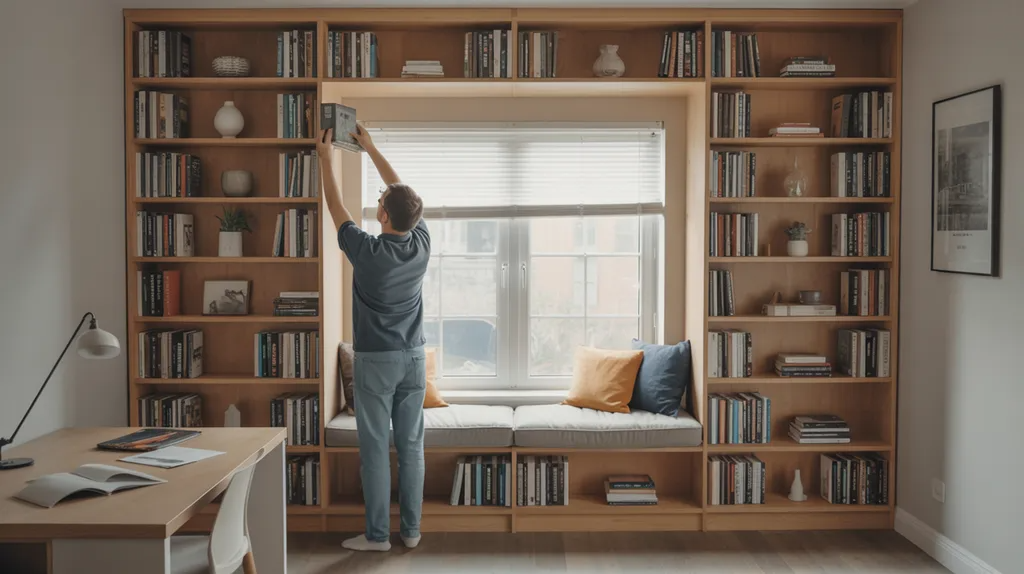
The cost depends on how big your window is, what materials you use, and whether you already own the tools.
For a basic DIY build using plywood and pine, most people spend between $150 and $400 on materials.
If you choose higher-grade wood or add a window seat with storage, costs can go up to $600 or more. Hiring a carpenter to build the same unit typically costs $1,500 to $3,000 or more.
Building it yourself saves a significant amount of money and gives you full control over the size, finish, and style.
Is a DIY Bookshelf Around Window Worth It?
Short answer: yes, and here's why.
- Storage benefits:You gain vertical shelf space on both sides of the window without taking up floor space anywhere else in the room.
- Visual impact: A built-in bookshelf around a window makes a plain room look designed and intentional, without major renovation work.
- Increased functionality: Add a window seat and you now have a reading nook, extra seating, and hidden storage all in one spot.
- Potential home value improvement:Built-in shelving is a feature buyers notice. It adds a custom, finished look that sets a home apart during a sale.
Conclusion
I built my first bookshelf around a window on a free Saturday, and it changed how that entire room felt. More storage, better light, and a spot I actually want to sit in.
You don't need to be a pro to pull this off. A little planning, the right materials, and these steps are all it takes.
Give it a try and tell me how it goes. Drop a comment below with your progress or share this post with someone who needs a smarter storage fix.
Frequently Asked Questions
How deep should a bookshelf around a window be?
Ten to twelve inches deep works well for most books and keeps the shelf from blocking too much natural light.
Do I need to hire a professional to build a bookshelf around a window?
No, this is a manageable DIY project for anyone comfortable using basic power tools and following measurements carefully.
Can I add a window seat to my bookshelf around a window?
Yes, a simple plywood box frame between the two shelf units creates a solid, functional window seat with optional storage underneath.
What type of wood is best for building shelves around a window?
Three-quarter-inch plywood or solid pine boards are strong, affordable, and easy to cut, sand, and paint for a clean finish.
How long does it take to build a bookshelf around a window?
Most DIY builders complete the full project over one to two weekends, depending on the size and complexity of the build.


