

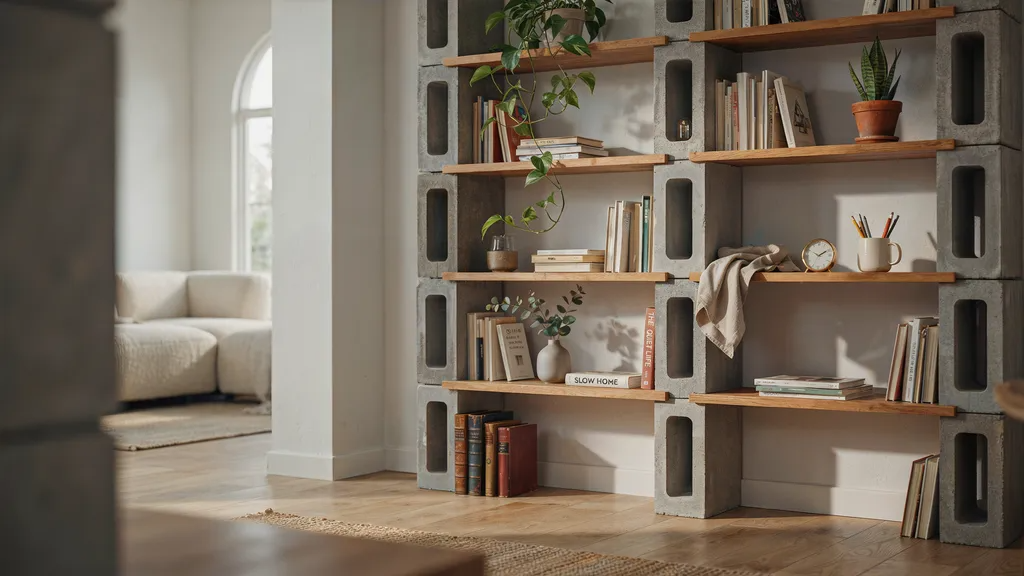
I never thought cinder blocks could look good inside a home. Then I built my first shelf with them, and I was hooked.
A cinder block bookshelf is one of the smartest, most budget-friendly storage ideas out there.
It holds heavy books, works in any room, and you can set it up yourself in under an hour. No drilling. No expensive tools. No professional help needed.
The best part? It works for renters and homeowners alike. You can make it tall, short, wide, or narrow to fit any space.
In this blog, I'll show you 13 cinder block bookshelf ideas, how to build one step by step, design tips, weight limits, and answers to common questions.
Let's get into it.
Why Choose a Cinder Block Bookshelf?
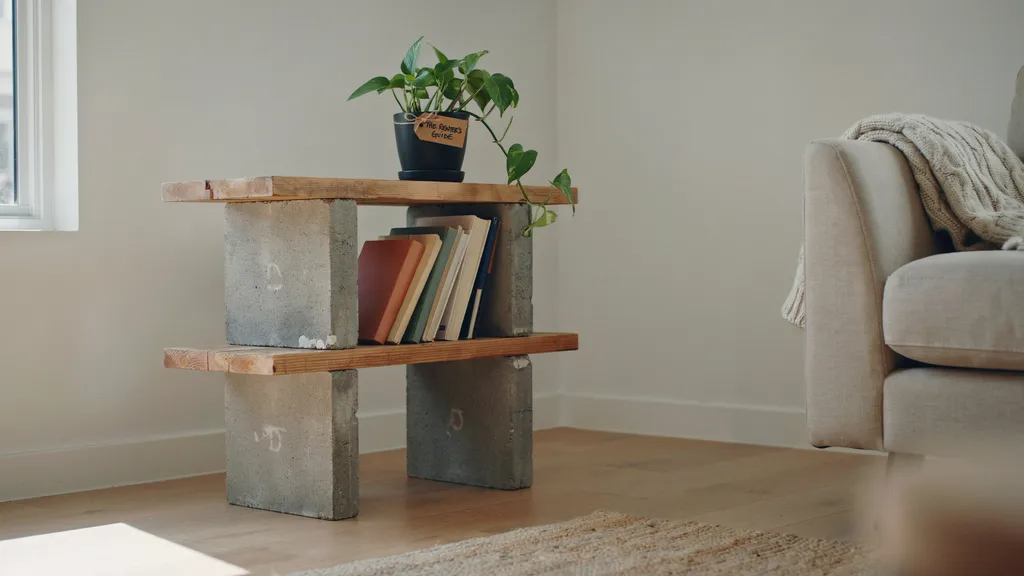
They cost far less than store-bought shelves. A few blocks and some wooden boards are all you need.
You don't need tools, drilling, or professional help. Anyone can build one. The blocks are strong enough to hold heavy books, decor, and even small appliances.
You can make it tall or short, wide or narrow: it fits your space. And if you rent your home, this is a great no-damage storage fix.
Simple. Strong. Affordable. That's why the cinder block bookshelf works for so many people, in so many spaces.
13 Cinder Block Bookshelf Ideas for Every Style and Space
Here are 13 ideas to help you find the right look for your home.
1. Minimalist White Cinder Block Bookshelf
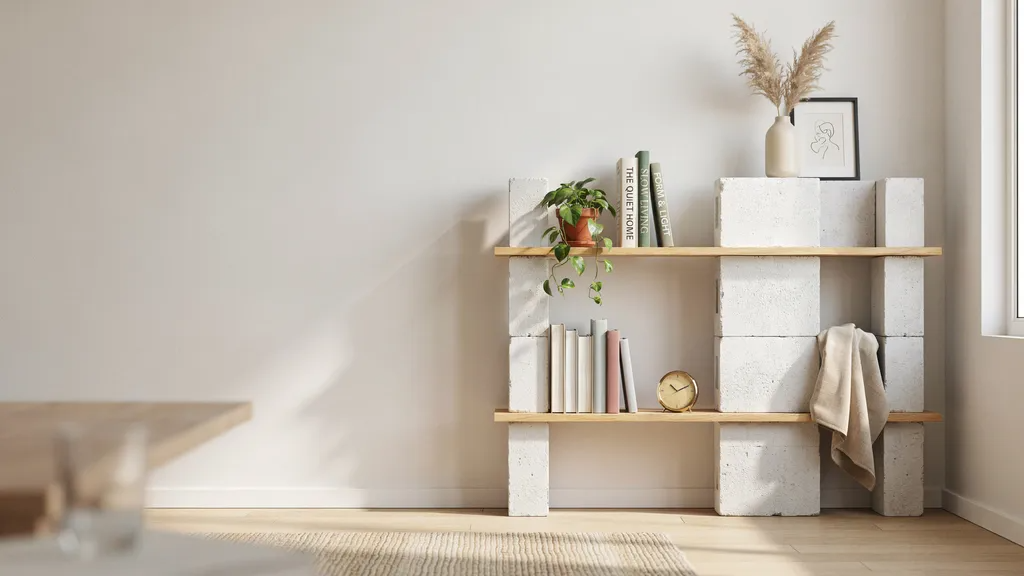
Paint the blocks white and pair them with light wood shelves. The result is clean and modern.
This look works well in small rooms where you want storage without visual clutter. The white tones make the space feel open and fresh.
2. Industrial Loft-Style Cinder Block Bookshelf
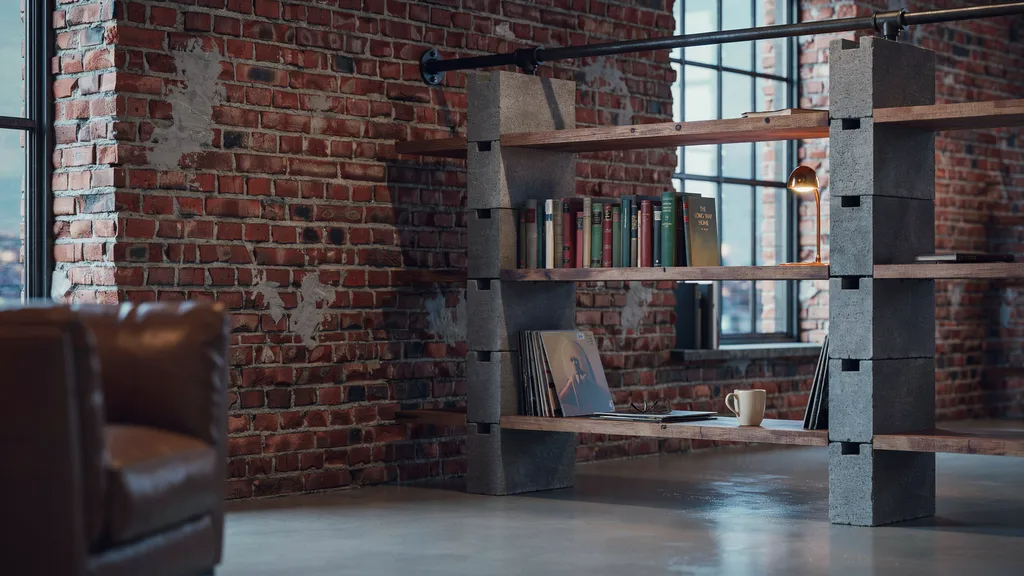
Use raw, unpainted concrete blocks with dark wood boards. This gives off a strong urban, warehouse feel. It pairs well with metal accents and exposed brick.
Great for loft apartments or home offices that lean into that bold, unfinished style.
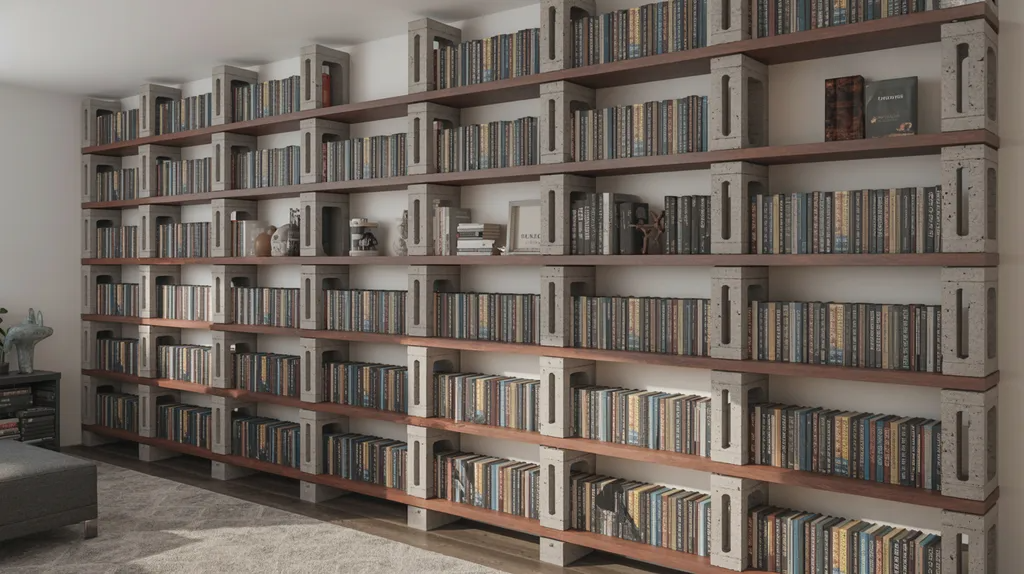
3. Floor-to-Ceiling Home Library Bookshelf
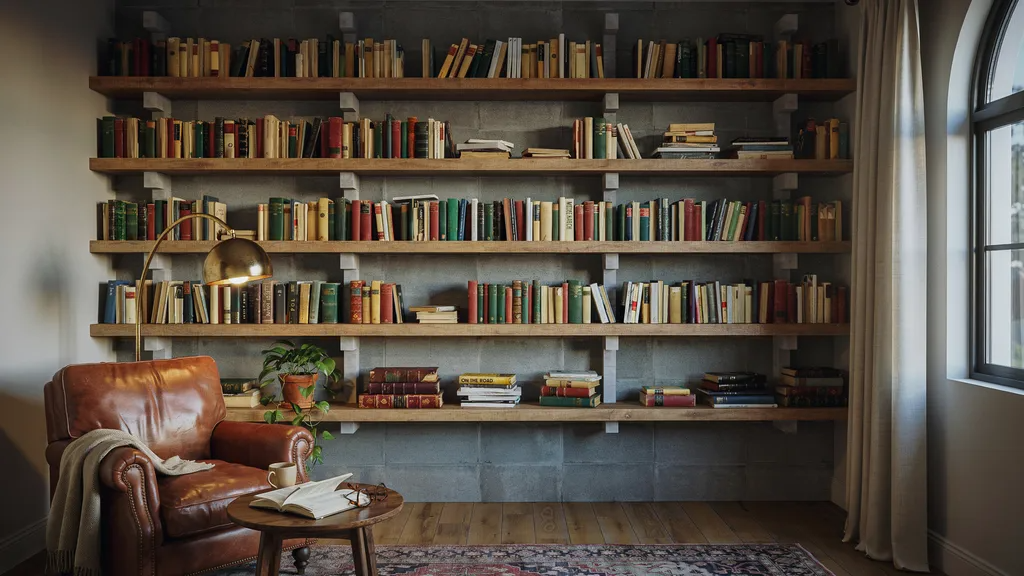
Stack blocks and boards all the way up the wall. This turns a plain wall into a real statement.
Use it in living rooms or reading spaces where you want to store a large book collection without taking up floor space.
4. Small Apartment Corner Bookshelf
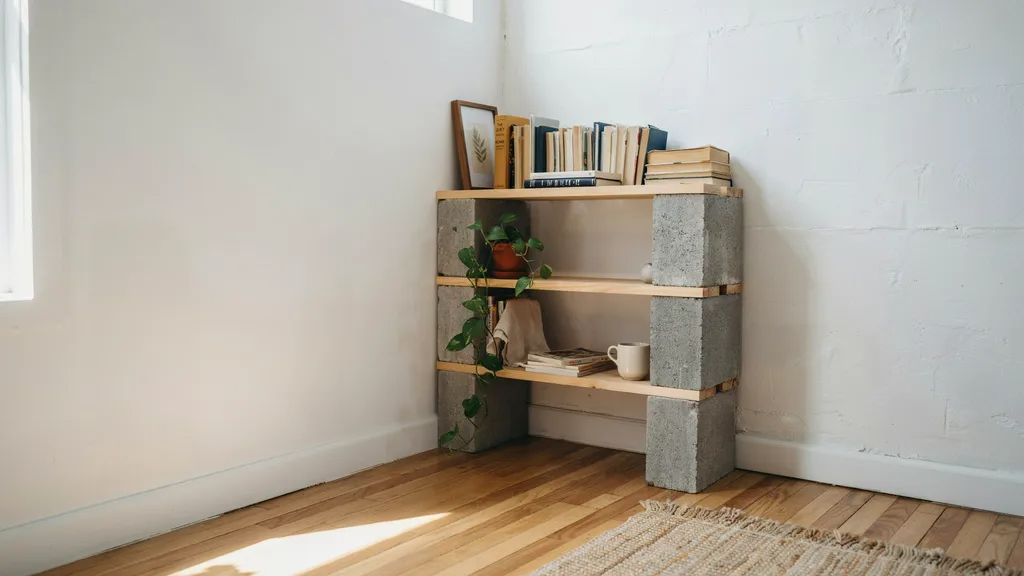
Fit blocks and boards right into an unused corner. This layout uses dead space smartly. It keeps the rest of the room open while giving you extra shelving.
Perfect for studio apartments or tight bedroom corners.
5. Rustic Wood and Concrete Bookshelf
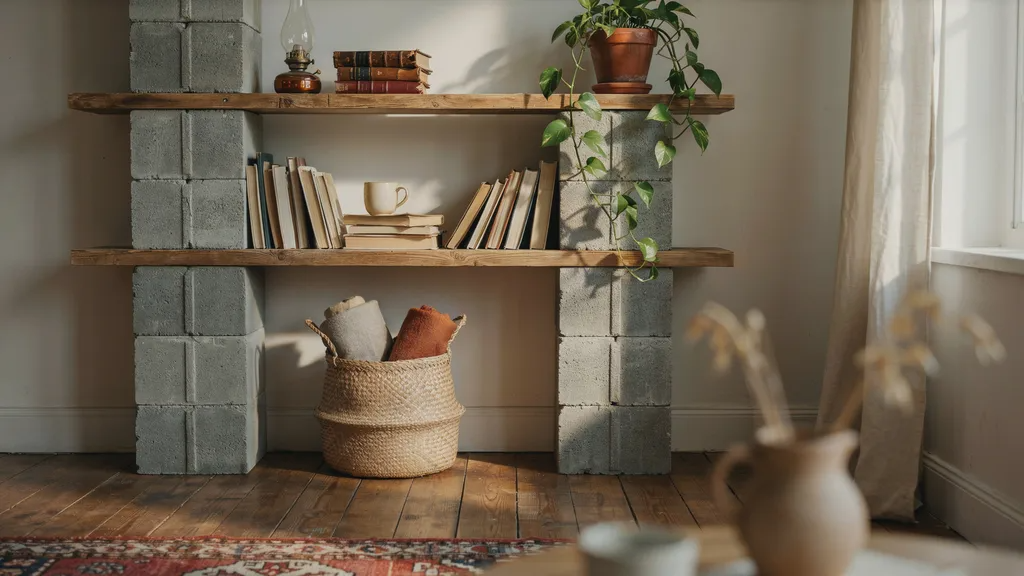
Use reclaimed or unfinished wood boards with gray blocks. The contrast between rough wood and raw concrete creates a warm, lived-in feel.
This style fits homes with a cozy, natural look, think farmhouse or cabin vibes.
6. Modern Living Room Display Bookshelf

This is not just storage:it's a display. Mix books with small plants, framed photos, and decorative pieces.
Lay it out with intention. Keep the spacing loose so every item has room to breathe.
7. Cinder Block Bookshelf With Storage Baskets

Place wicker or fabric baskets on some shelves and keep others open. This gives you hidden storage and an open display in one unit.
It works especially well in living rooms, where you want things tidy but accessible.
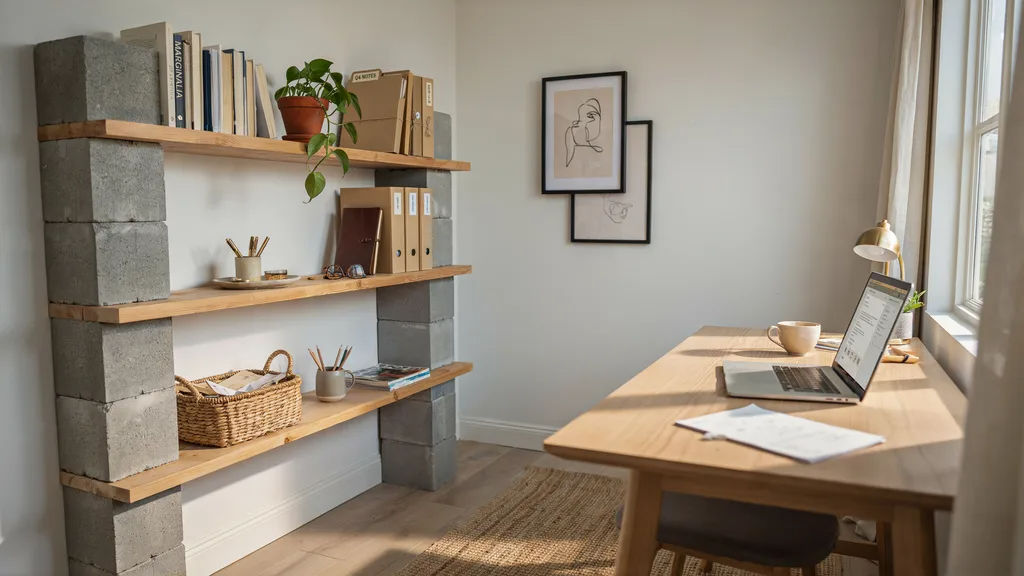
8. Home Office Reference Bookshelf
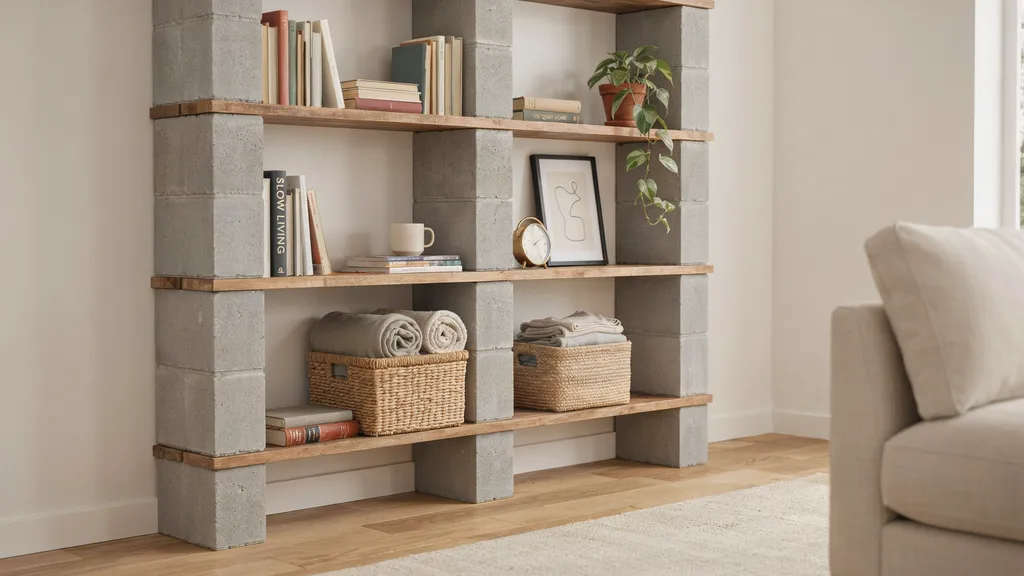
Keep work books, binders, and files organized on a dedicated shelf. Label each section so you can grab what you need fast.
This type of shelf keeps your workspace clean and your reference materials easy to reach.
9. Kids' Reading Nook Bookshelf
Build this shelf low to the ground. Kids can reach their books on their own, which makes reading feel fun and independent.
Use colorful boards or painted blocks to make it visually fun for them.
10. Greenhouse or Garden Shed Bookshelf

Cinder blocks hold up well in damp, outdoor environments. Use them to store garden books, seed packets, spray bottles, and small tools.
They won't rust, rot, or break down the way wood-only shelves might.
11. Painted Color-Block Bookshelf
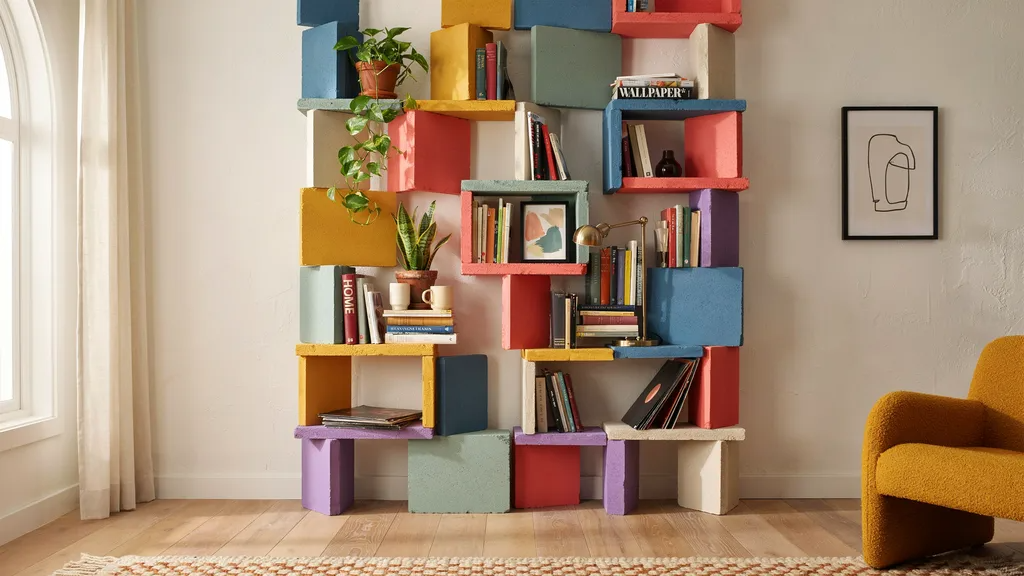
Paint each block a different color:navy, forest green, terracotta.
This turns a basic shelf into a focal point. It's a fun way to add personality to a bedroom, playroom, or creative workspace.
12. Media Console and Bookshelf Combo
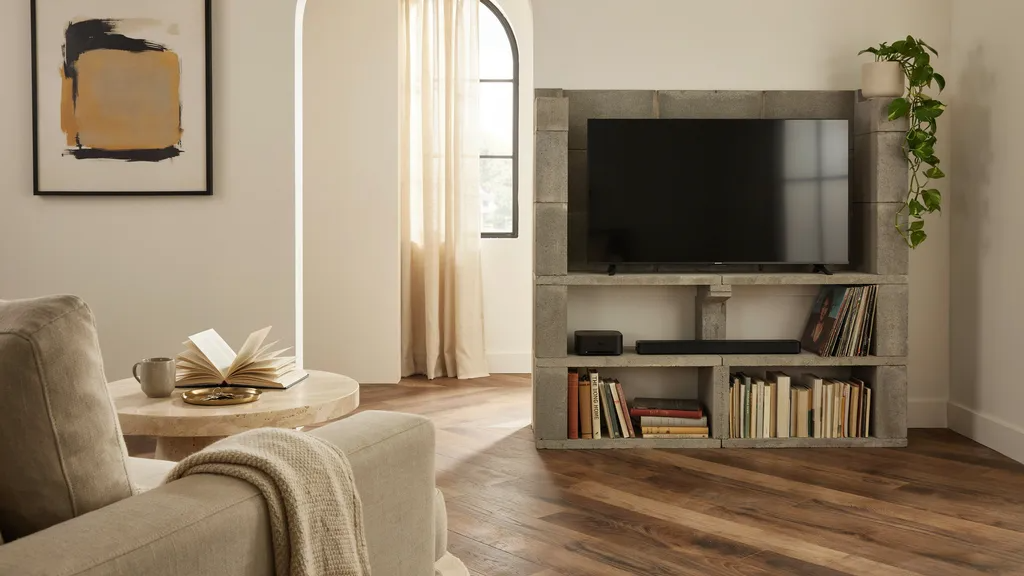
Use lower blocks and wider boards to create a shelf that doubles as a TV stand. Store books on the sides and media essentials in the center.
It keeps your entertainment area neat without buying extra furniture.
13. Double-Sided Room Divider Bookshelf

Build a shelf that faces two directions: one side per room. This separates spaces in open-plan homes while giving both sides useful storage.
Great for dividing a living room from a home office.
Design Tips to Make a Cinder Block Bookshelf Look Expensive
You don't have to spend a lot to make this shelf look high-end. A few smart choices go a long way.
- Paint the Blocks:A coat of chalk or spray paint makes raw blocks look clean and polished.
- Choose Thick Wood Boards:Solid oak or pine shelves add a high-end feel instantly.
- Mix in Decorative Pieces:Add small plants, candles, or framed art between your books.
- Stick to a Color Scheme:Two or three coordinated colors make the whole shelf look intentional.
- Add LED Strip Lights:Lights under each board turn your shelf into a real design feature.
How Much Weight Can a Cinder Block Bookshelf Hold?
The weight your shelf can hold depends mostly on the wood boards, not the blocks.
The blocks themselves are very strong: a standard cinder block can handle over 1,000 pounds of load. The boards are the weak point.
A standard 1-inch thick pine board can hold around 20 to 30 pounds per foot before it starts to bow. If you use thicker boards, 1.5 to 2 inches, you can safely store much heavier loads.
For large book collections, space your blocks closer together to shorten the span each board must carry.
This reduces sagging and keeps your shelf looking straight over time. Always spread heavy books across multiple shelves rather than stacking everything on one level.
Conclusion
I built my first cinder block bookshelf in a weekend. It cost less than $30 and still holds strong today. Honestly, it's one of the best storage decisions I've made.
These ideas work for any room, any budget, any style. All you need is a few blocks and boards.
Now it's your turn. Pick your favorite idea and start building. Drop a comment below and tell me which style you chose. Found this helpful? Share it with a friend!
Frequently Asked Questions
How many cinder blocks do I need for a bookshelf?
It depends on your height and width, but most single-column shelves use 6 to 10 blocks per shelf level.
Do cinder blocks need to be glued together?
No, but construction adhesive adds extra stability if you're building a tall or freestanding shelf.
Can I use cinder blocks indoors?
Yes, cinder blocks work well indoors as long as the surface is clean, dry, and level.
What wood works best for cinder block shelves?
Solid pine, oak, or 1.5-inch thick MDF boards are strong choices that resist bowing under weight.
Are cinder block bookshelves safe for kids' rooms?
Yes, as long as the shelf is low, stable, and not stacked too high without wall anchoring.


