

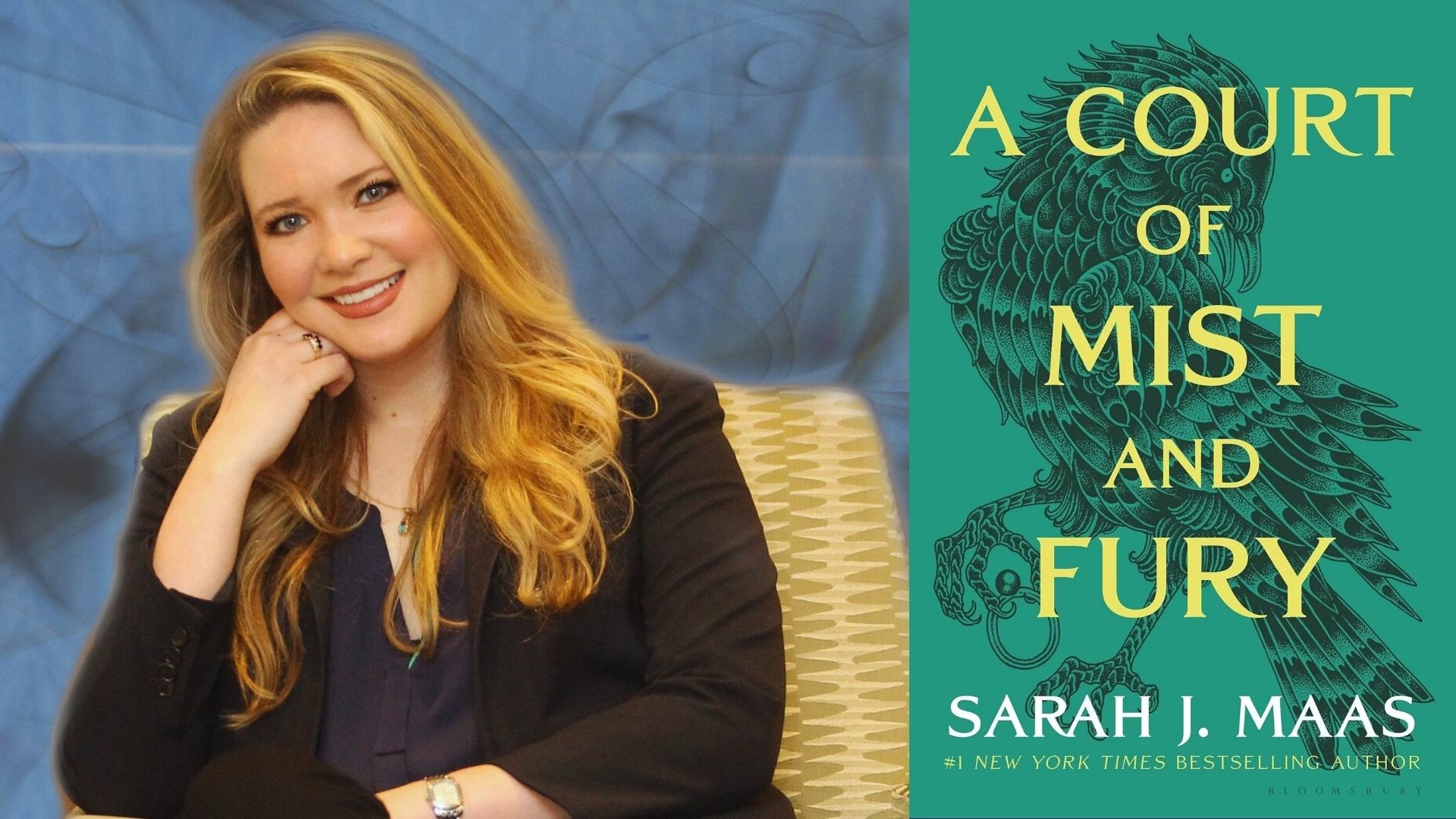
Looking for an honest A Court of Mist and Fury summary? You are in the right place.
Sarah J. Maas’s second installment in the A Court of Thorns and Roses series is the kind of book that quietly reshapes your expectations of fantasy fiction without ever announcing it.
I read it across three sittings and found myself thinking about it for days, turning over its questions about trauma, freedom, and what it means to choose your own life.
In this summary, I will cover the plot, themes, key characters, and my personal response.
Let us get into it.
Synopsis of A Court of Mist and Fury
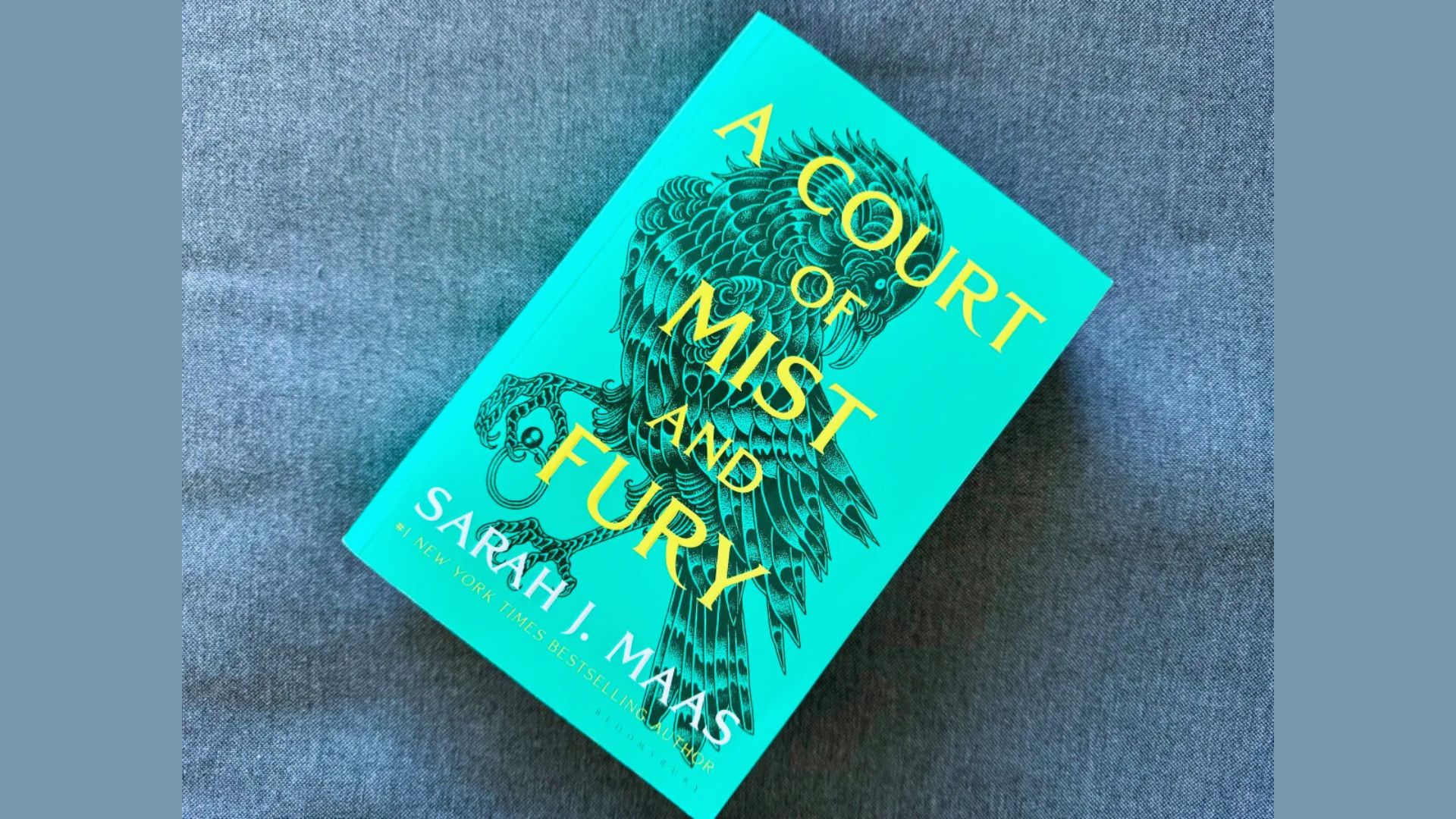
The novel opens after everything Feyre survived Under the Mountain. She killed two innocent faces to break Amarantha’s curse, and that weight has settled into something dark inside her.
Now immortal and engaged to Tamlin, she lives in a house that feels less like a home and more like a cage.
One thread follows Feyre in the Spring Court, where Tamlin’s love manifests as control and her trauma goes unacknowledged.
The other opens into the Night Court, where Rhysand shows her something she had forgotten she could want: a life that is actually her own.
Themes Discussed in A Court of Mist and Fury
A searching exploration of trauma’s aftermath, the true nature of power, and the difference between love that confines and love that frees.
Trauma and Its Aftermath
Surviving something is not the same as healing from it. Feyre cannot eat, sleep, or stop screaming at night. The Spring Court stays silent and expects her gratitude to be enough.
Nobody around her acknowledges what she actually went through. That silence is not neutral. It is its own kind of failure, and the novel makes that point with uncomfortable clarity.
Freedom and the Nature of Power
Tamlin thinks he is protecting Feyre, but Feyre feels slowly erased by every decision made on her behalf.
The Night Court, feared and dismissed by everyone in Prythian, turns out to be the only place that treats her as capable. It does not manage her power.
It expects her to develop it. That contrast sits at the heart of everything the novel is arguing.
Love as a Choice
Feyre and Rhysand build something slowly through honesty, shared work, and hard conversations. It never asks her to shrink or stay quiet.
Maas draws a deliberate line between love that holds on too tight and love that understands the other person has to be free to choose you back.
Character Analysis
Through survivors, warriors, and deeply flawed figures, the novel traces how identity, loyalty, and desire survive even the most complete kinds of destruction.
Feyre Archeron
Feyre’s strength comes from her willingness to keep going while genuinely broken. She is resourceful and sharp, but the early chapters do not pretend she is fine.
Her arc is about reclaiming her own story and making hard choices with full awareness of what they cost.
Rhysand
He is not the villain the first book suggested, and the novel asks you to revise that reading carefully and completely.
Behind a mask built over centuries is someone protecting his people, his court, and his own inner life.
Maas gives him real flaws alongside his capabilities, and the result is one of the most talked about romantic leads in recent fantasy fiction.
Tamlin
Tamlin loves Feyre, and the novel does not pretend otherwise. But that love consumes rather than supports, and it is shaped far more by his own fears than by what she actually needs.
The novel does not excuse the harm his choices cause simply because his intentions were never cruel.
The Inner Circle
Morrigan, Cassian, Azriel, and Amren each bring distinct voices, histories, and wounds of their own.
Morrigan in particular carries her past with a brightness that occasionally slips to reveal something far older underneath.
Together they show Feyre, and the reader, what community built on genuine respect actually feels like.
Writing Style and Narrative Voice
With propulsive prose and an emotionally intelligent structure, the novel builds a world that feels lived-in, high-stakes, and surprisingly intimate.
Maas’s Control
The writing here is sharper and more confident than in the first book. Maas moves quickly but knows exactly when to slow down, and those quieter moments carry the most emotional weight.
She does not rush the central relationship, and that patience pays off. By the time the climax arrives, the reader has earned it alongside the characters.
Atmosphere and World Building
Maas builds a fake world with real political and geographic texture that feels lived in rather than decorated. The Night Court is not simply dark and threatening.
It holds Velaris, a city of artists and dreamers hidden from the rest of Prythian for centuries. The gap between what the Night Court is rumored to be and what it actually contains mirrors the novel’s broader point about the distance between appearances and truth.
Critical Reception
A Court of Mist and Fury was published in May 2016 and became one of the most widely discussed fantasy novels of that decade.
It debuted at number one on the New York Times bestseller list and remained in the top ranks of fantasy sales for years following its release.
It has since become a cultural phenomenon, driving an enormous and passionate readership community across social media platforms, and it is widely credited with reinvigorating adult fantasy romance as a mainstream publishing category.
Notable Reviews and Ratings
Goodreads: 4.63 out of 5 stars based on over 900,000 ratings
Amazon: 4.6 out of 5 stars across hundreds of thousands of reviews
Awards: Number one New York Times bestseller; one of the most shelved fantasy novels in Goodreads history; forthcoming Hulu adaptation announced
My Personal Reading Experience
A Court of Mist and Fury was not the book I expected, and I mean that as a compliment. I assumed it would be a continuation of a fairly conventional fantasy romance with added world building.
What I found instead was a novel about recovery, how long it takes, how easily the people around you miss it, and how much courage it requires to walk away from a life that looks right but feels like slow suffocation.
Feyre’s sections in Velaris affected me most. The way Maas writes her rediscovery of painting and wanting things makes the central argument feel earned.
About the Author Sarah J. Maas

Sarah J. Maas is an American author based in Philadelphia. She began developing the A Court of Thorns and Roses series as a teenager, and that long history shows in the emotional intensity and deep character interiority the books carry.
A Court of Mist and Fury marked a significant expansion of her readership and is frequently cited as the entry point for readers who became devoted followers of her work.
She has since published the Crescent City series and continued both the ACOTAR and Throne of Glass universes, with each new release reaching immediate bestseller status and sparking passionate critical conversation internationally.
Conclusion
I hope this A Court of Mist and Fury summary gave you what you needed.
This novel works on multiple levels, gripping as a narrative, serious in its inquiry into trauma and recovery, and emotionally generous in a way few fantasy novels sustain across five hundred pages.
It stayed with me well beyond the reading itself, which is the clearest measure of how much a book has genuinely done its work.
If you are looking for something that takes the imagination and the heart seriously, this one is worth your time.
Frequently Asked Questions
Is A Court of Mist and Fury a Standalone Novel?
No, it is the second book in the A Court of Thorns and Roses series. Reading the first book beforehand is strongly recommended, as the emotional stakes depend on events established there.
How Long Does It Take to Read?
The novel is approximately 624 pages. Most readers finish it in eight to twelve hours across three or four sittings, though many complete it faster due to the pacing.
What Age Is Appropriate?
The book contains mature content including explicit romantic scenes, violence, and themes of trauma. It is recommended for readers aged 18 and up.
Is There a Television or Film Adaptation?
A Hulu series adaptation has been announced. Production details and casting are still being developed, with no confirmed premiere date at the time of writing.
Why Do Readers Consider This Better Than the First Book?
Most point to deeper character development, a more emotionally complex central relationship, and stronger world building. It takes the foundations of the original and builds something far more layered on top.