

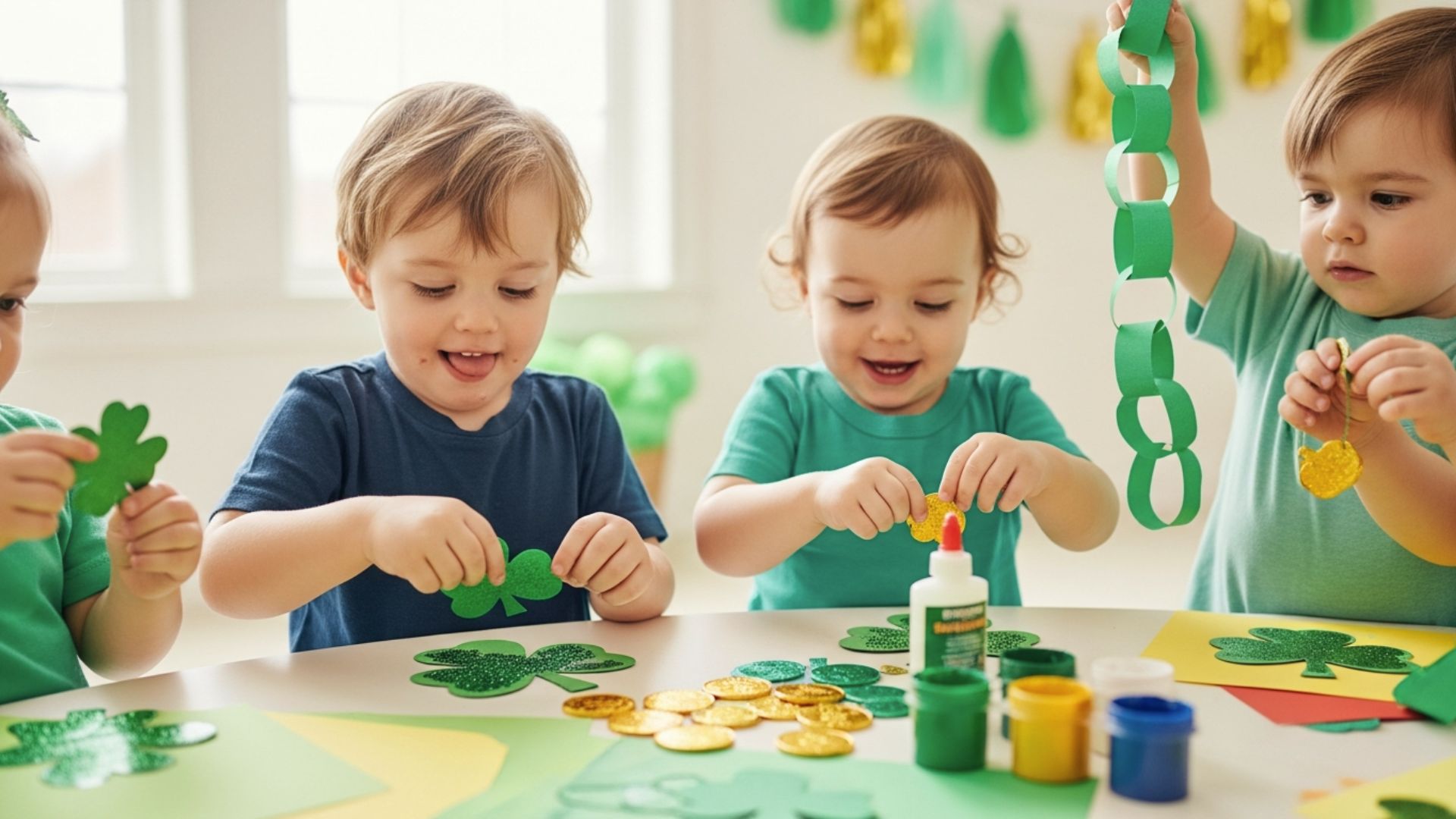
Keeping kindergarteners engaged can feel tough. They lose focus fast, and sitting still is just not their thing.
This blog covers fun kindergarten learning activities that work for home and classroom use. You will find ideas that build reading, math, creativity, and motor skills through simple play.
I have spent time working with young learners, and I know what actually holds their attention. No fancy supplies needed, no stress involved.
Just practical, simple activities that make learning feel like fun for every child.
Why Kindergarten Learning Activities Matter
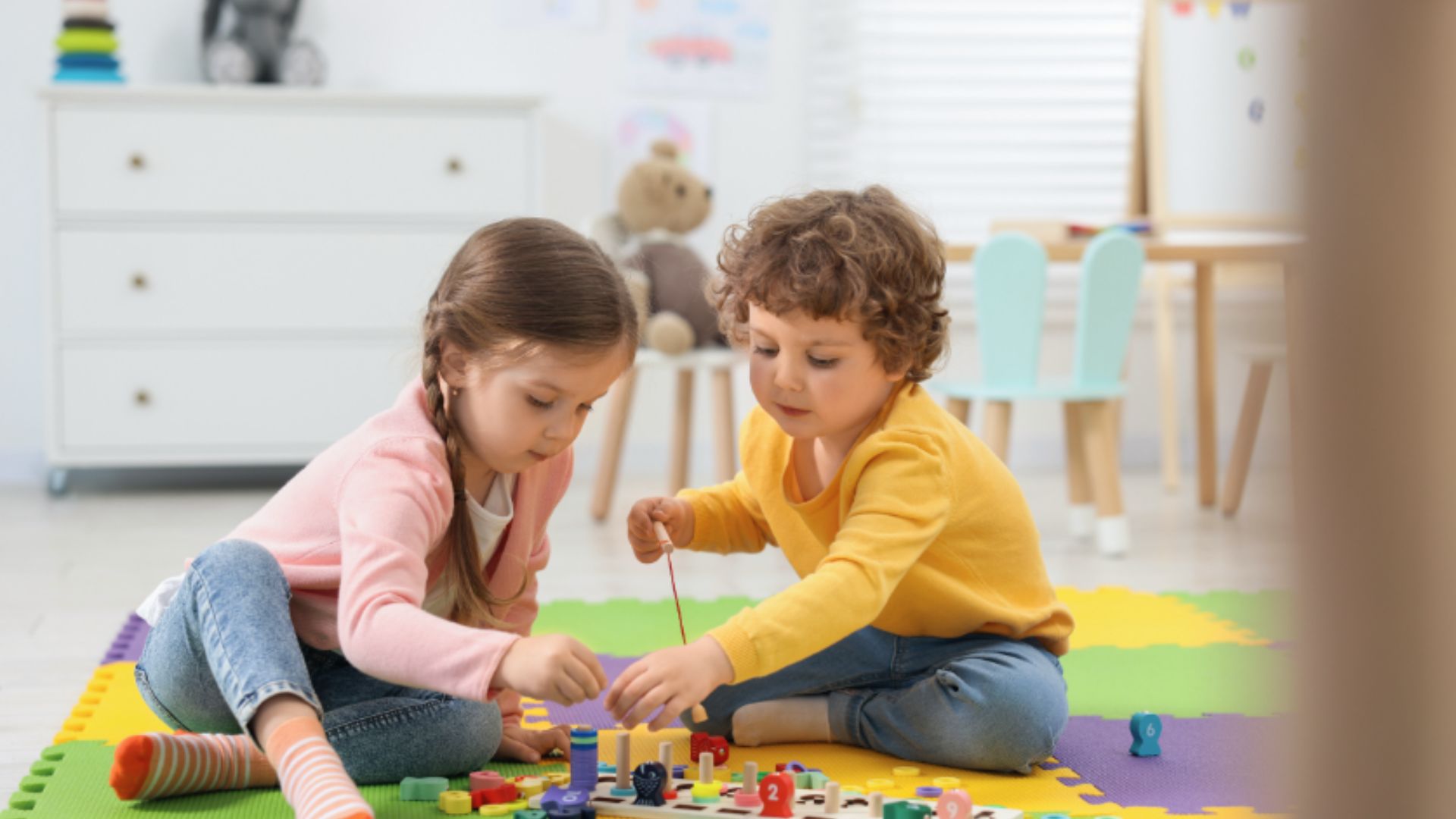
Play is not a break from learning. For kindergarteners, it is how real learning happens.
Children at this age learn best when they move, touch, and find. Sitting still for long periods does not match how their brains work.
Hands-on activities help kids build reading, math, and social skills without pressure. When learning feels like a game, children stay curious and engaged.
That curiosity is what builds strong habits early on. Starting with the right activities in kindergarten makes a genuine difference in how children grow as learners over time.
17 Fun Kindergarten Learning Activities
Here are simple, tested activities that make learning feel like playtime every single day.
1. Alphabet Scavenger Hunt
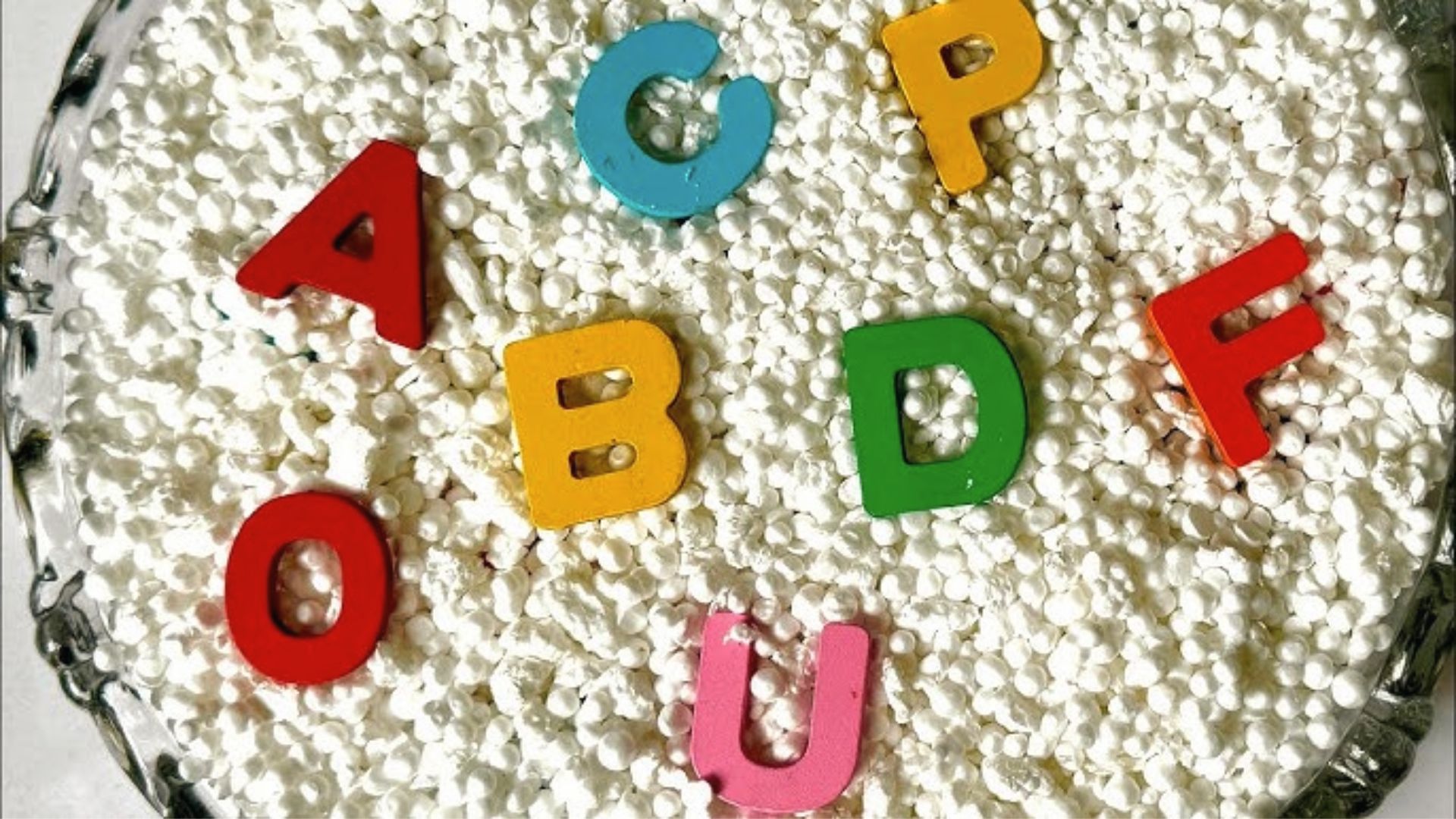
Give your child a letter and ask them to find objects around the house that start with that sound. It builds phonics awareness without sitting at a desk.
Kids stay active and start connecting letters to real things they see every day.
2. Rainbow Counting Cups
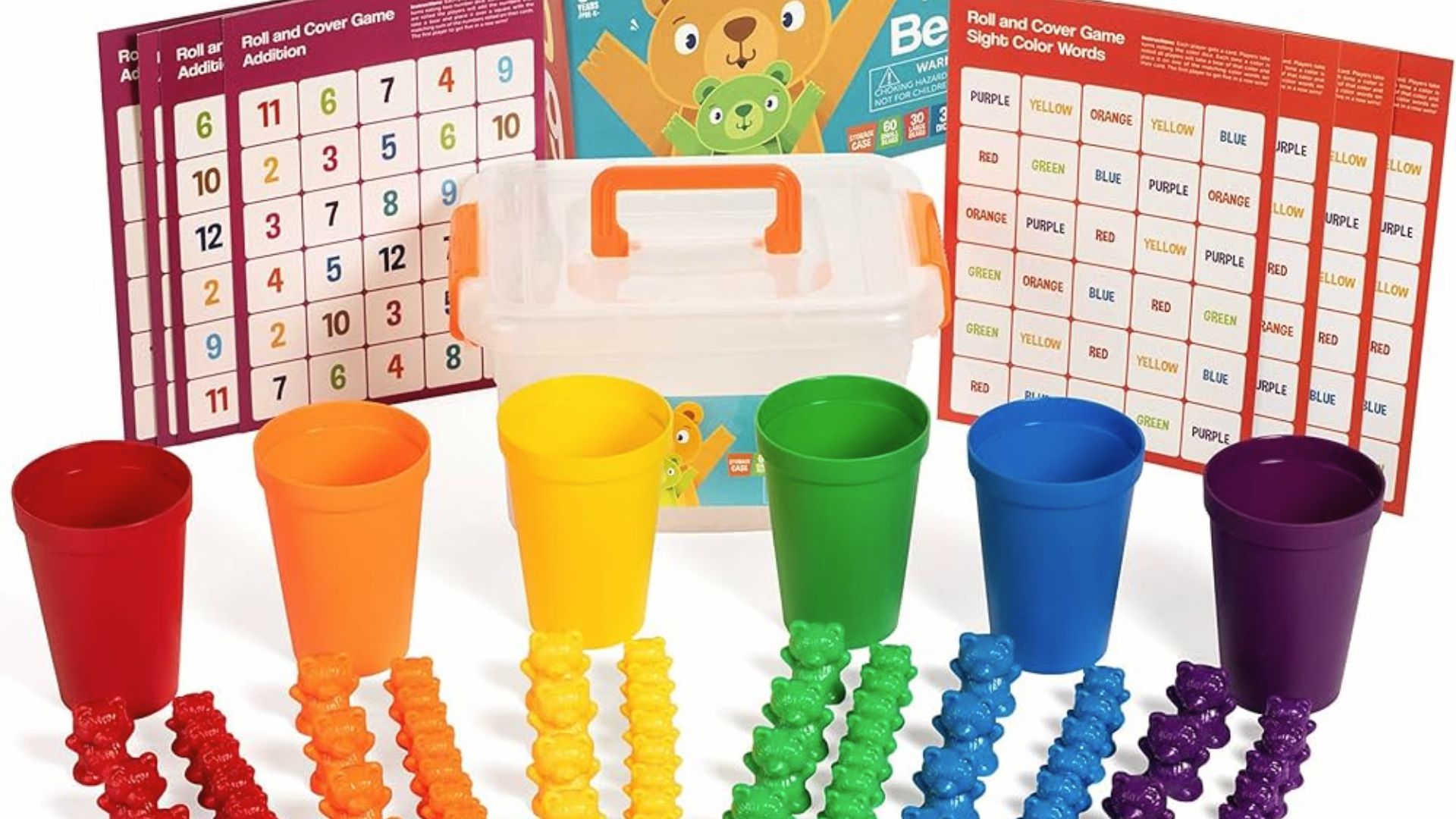
Set out colorful cups and ask your child to sort pom-poms or small objects by color, then count each group. It covers sorting, counting, and color recognition all at once.
Fine motor skills get a workout too as little fingers pick up each item.
3. Sight Word Hop Game
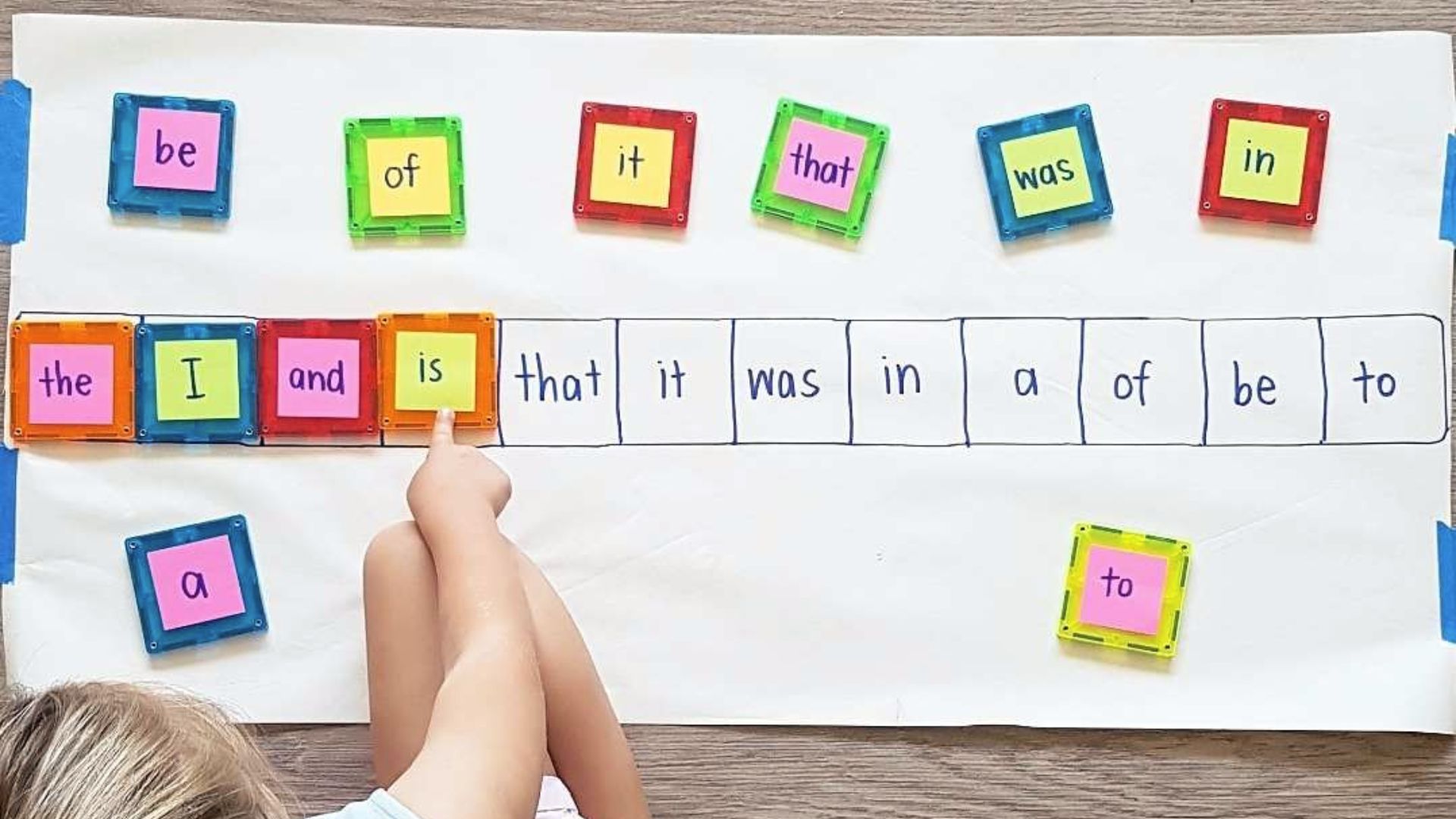
Write sight words on paper and place them on the floor, then call out a word for your child to jump to. It turns reading practice into a physical game.
Kids remember words faster when movement is part of the process.
4. Shape Hunt Around the Room
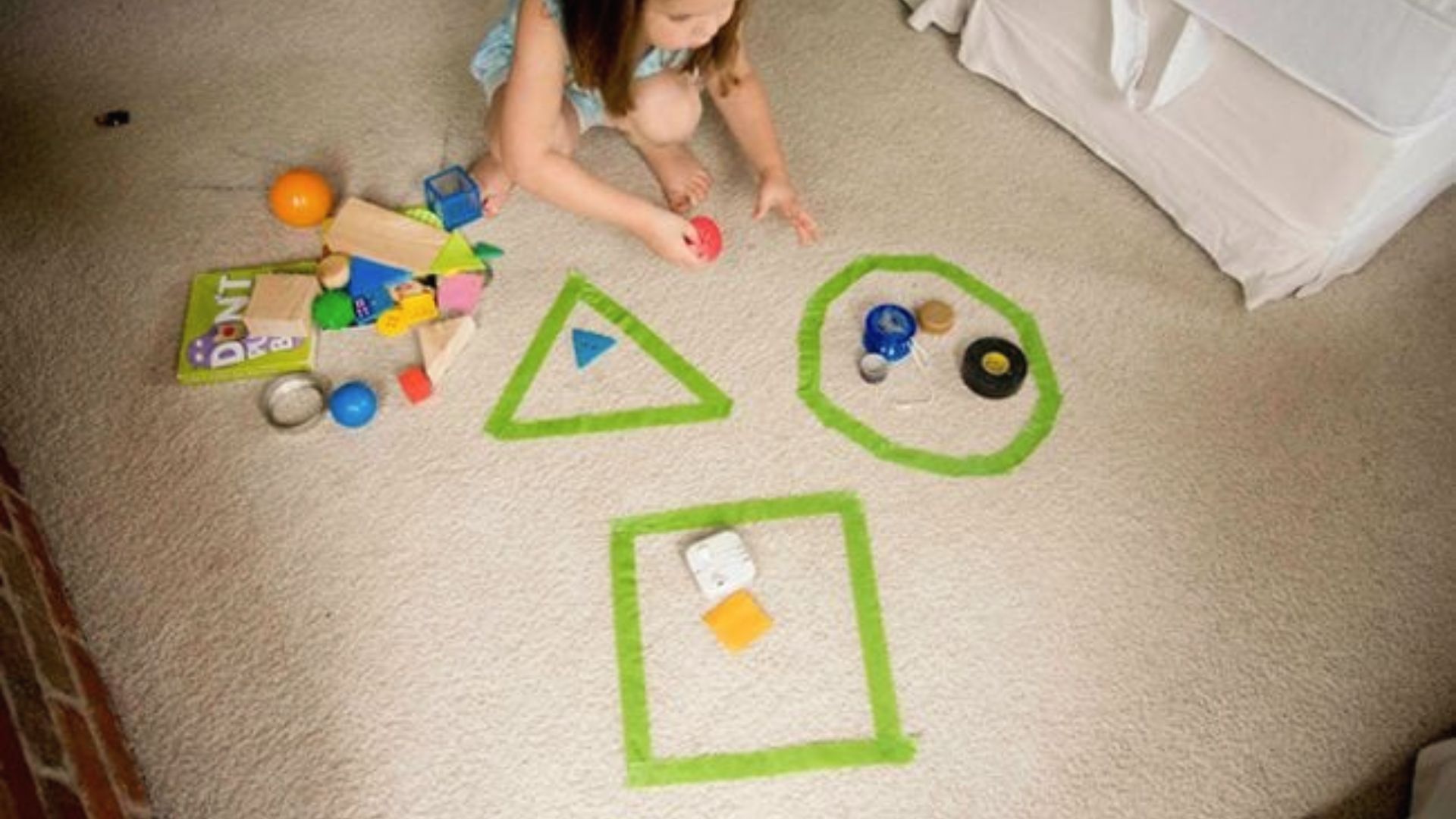
Ask your child to find shapes in everyday objects around the room. A door is a rectangle, a clock is a circle. It shows children that math exists everywhere, not just on paper.
5. Playdough Letter Building
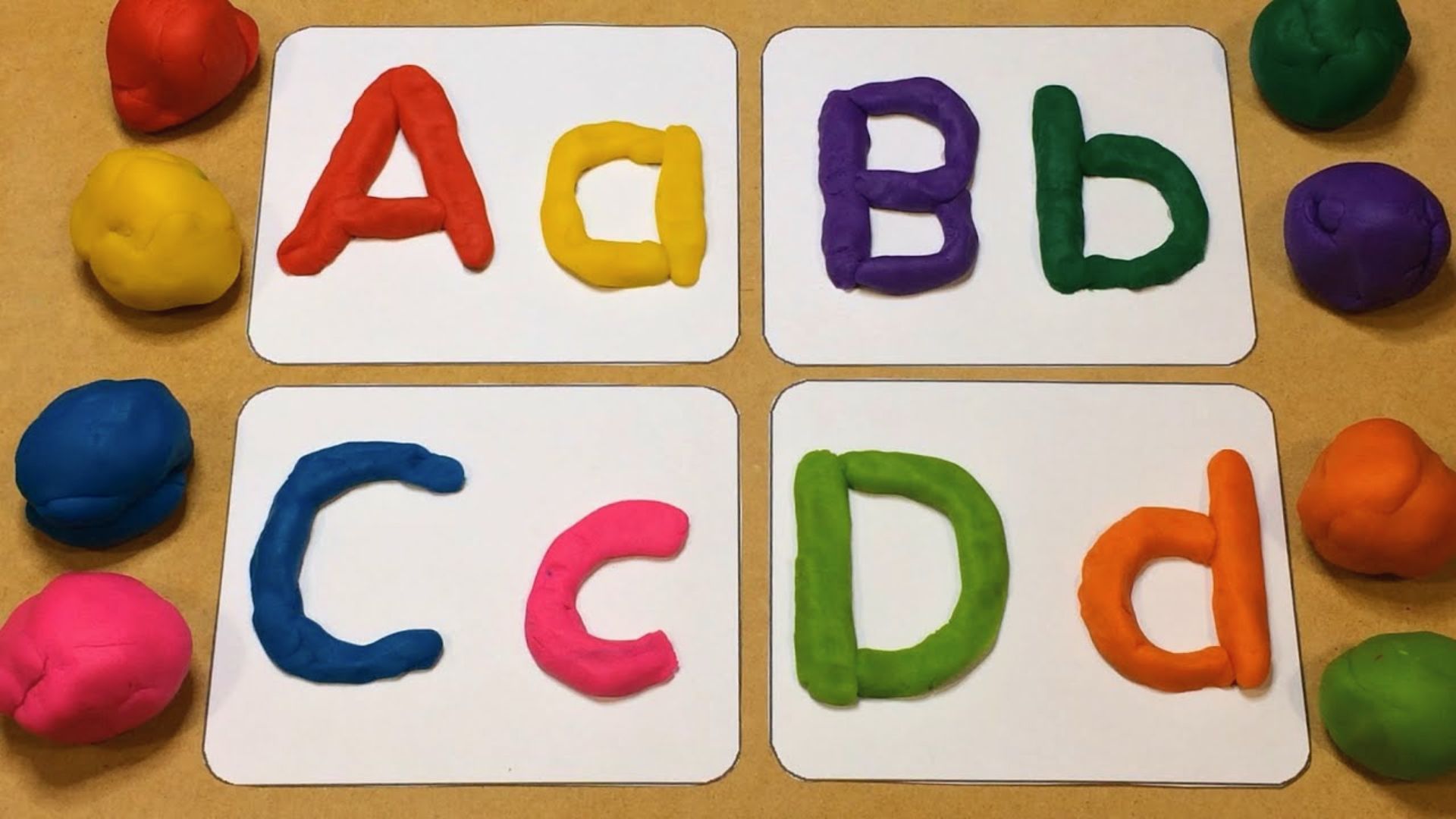
Give your child playdough and ask them to shape letters or simple words. It combines fine motor practice with letter recognition in a hands-on way.
This helps kids feel the shape of each letter, which supports both reading and early writing.
6. DIY Sensory Rice Bin
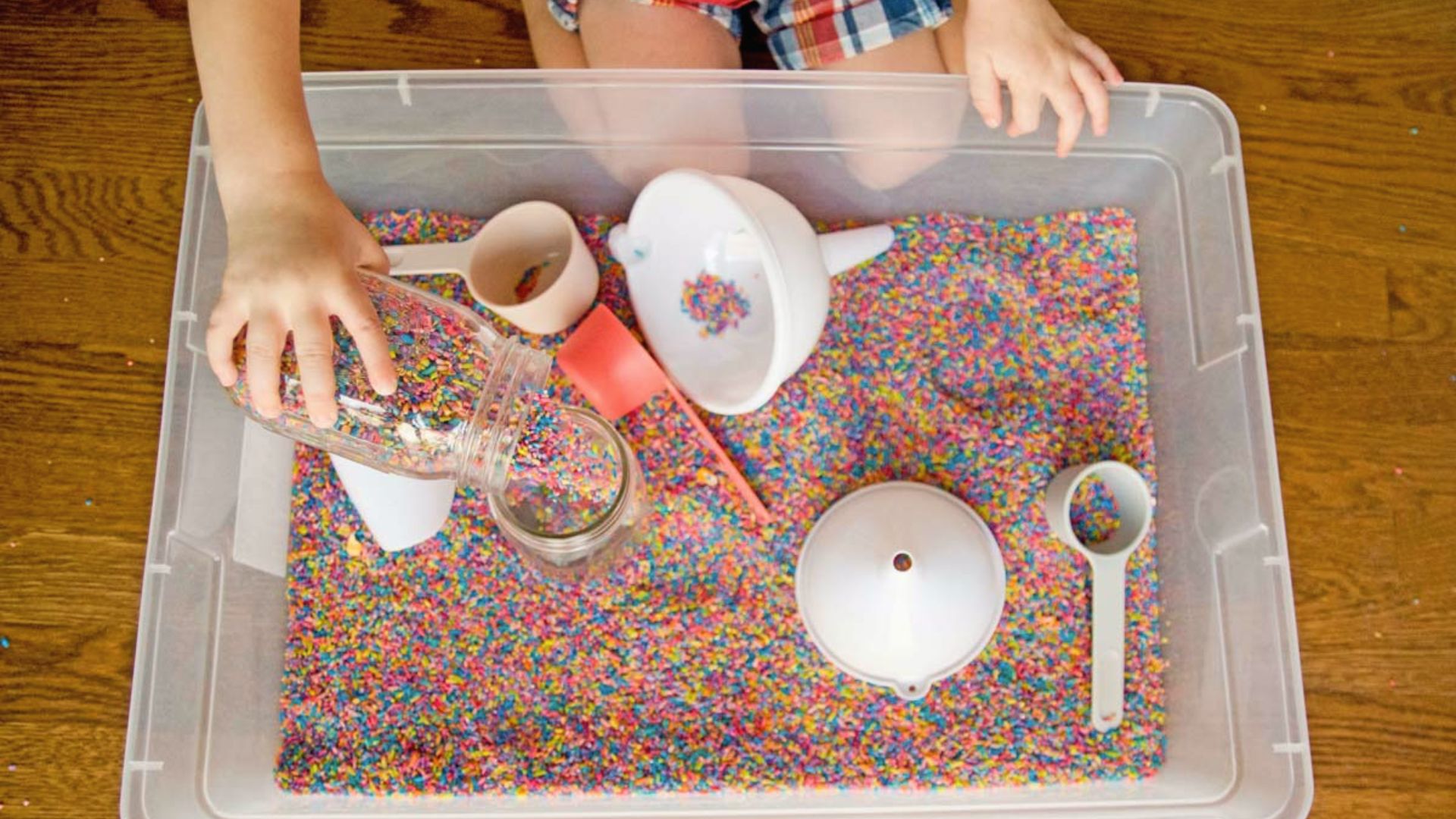
Fill a bin with dry rice and hide small plastic letters or numbers inside for your child to find. Sensory play keeps kids calm, focused, and curious.
You can change what is hidden based on what your child is currently learning.
7. Rhyming Word Basket Toss
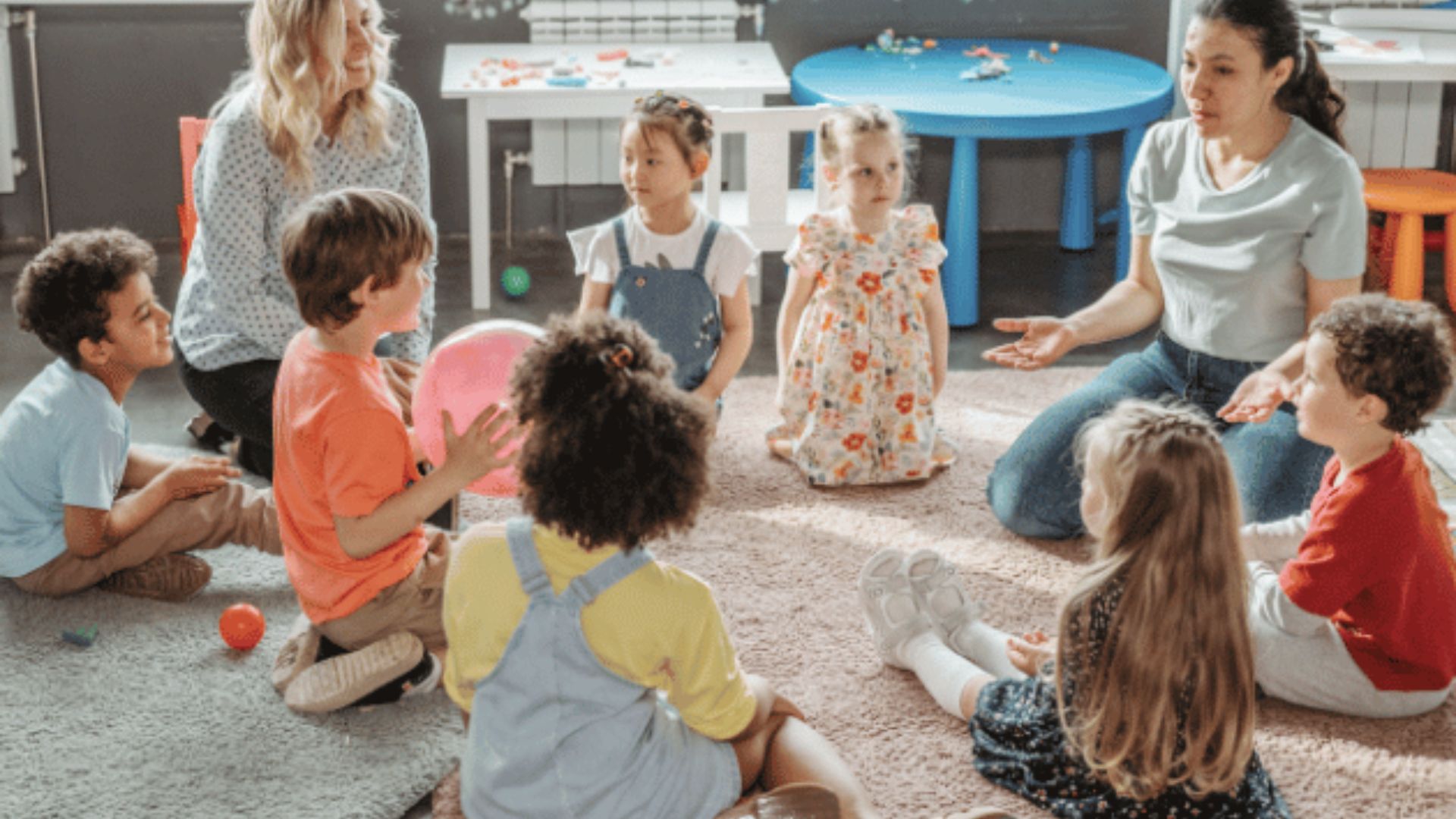
Write rhyming pairs on cards and ask your child to toss a ball into the basket with the matching rhyme. It makes phonics practice active and exciting.
Even restless kids tend to stay involved when movement is part of the game.
8. Ice Melting Science Activity
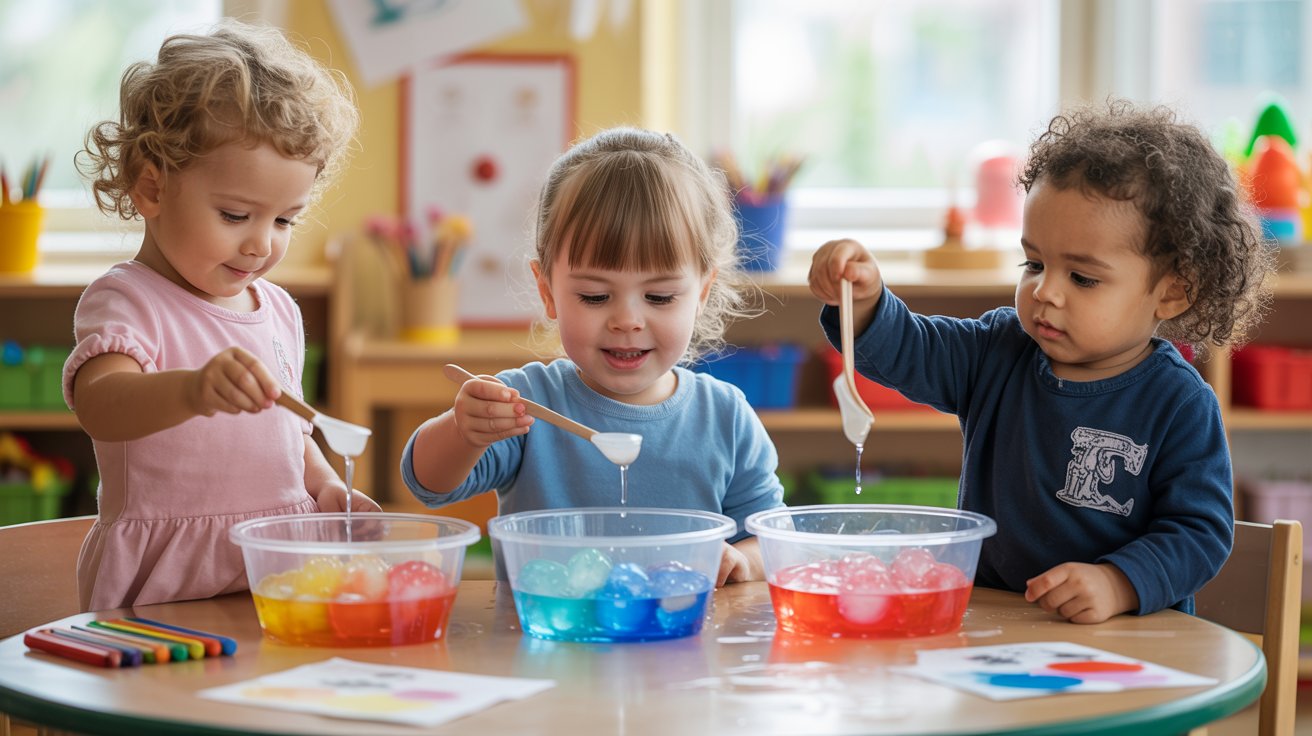
Freeze small objects in an ice tray and let your child use warm water or tools to melt the ice and free them. It introduces basic science thinking in a hands-on way.
Kids observe, predict, and see real results, which builds natural curiosity.
9. Pattern Building With Blocks
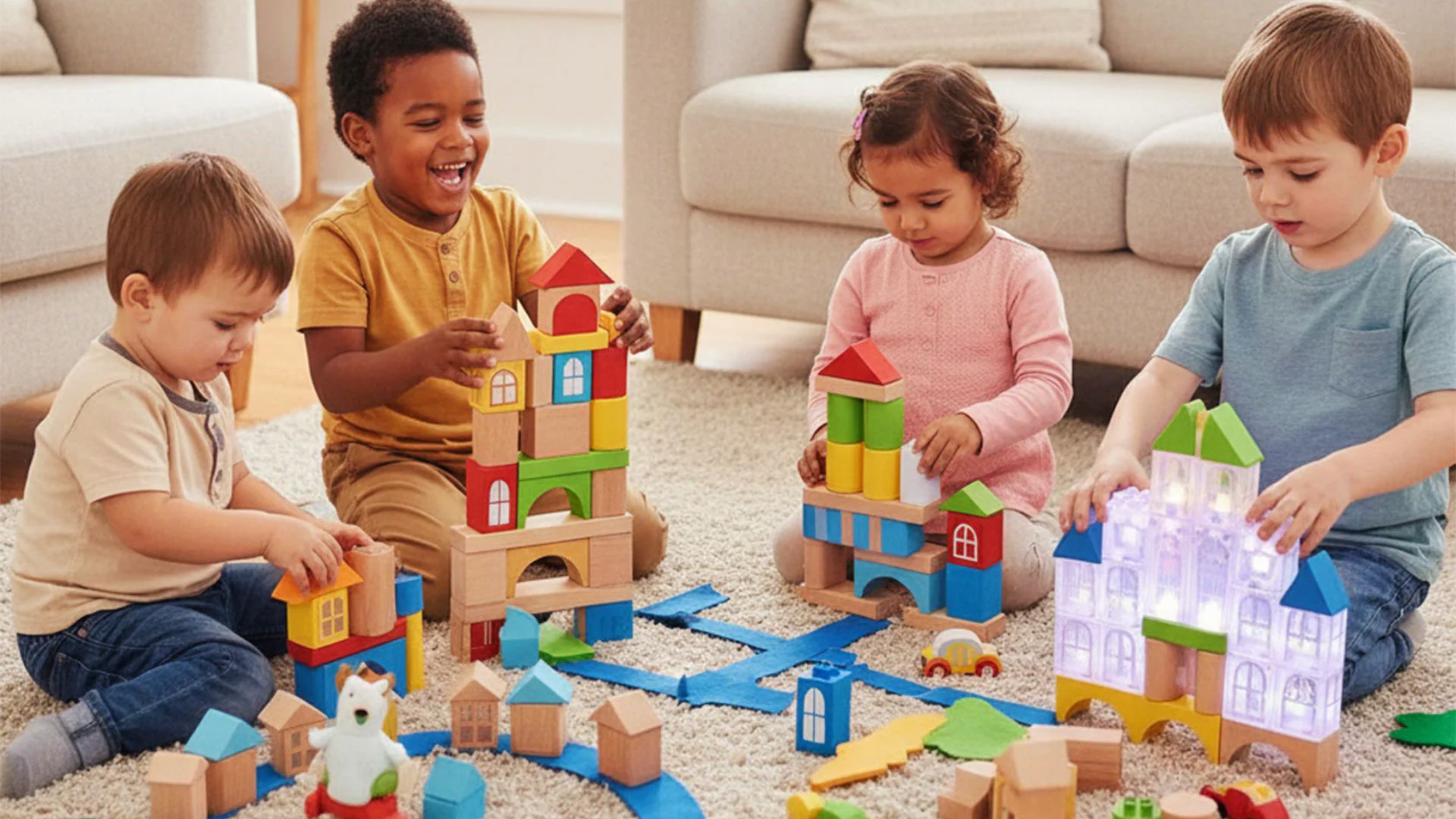
Use colored blocks or LEGO pieces to build simple repeating patterns with your child. Pattern recognition is an early math skill that grows into more complex thinking later.
Starting with two colors keeps it simple and builds confidence quickly.
10. Storytelling With Puppets
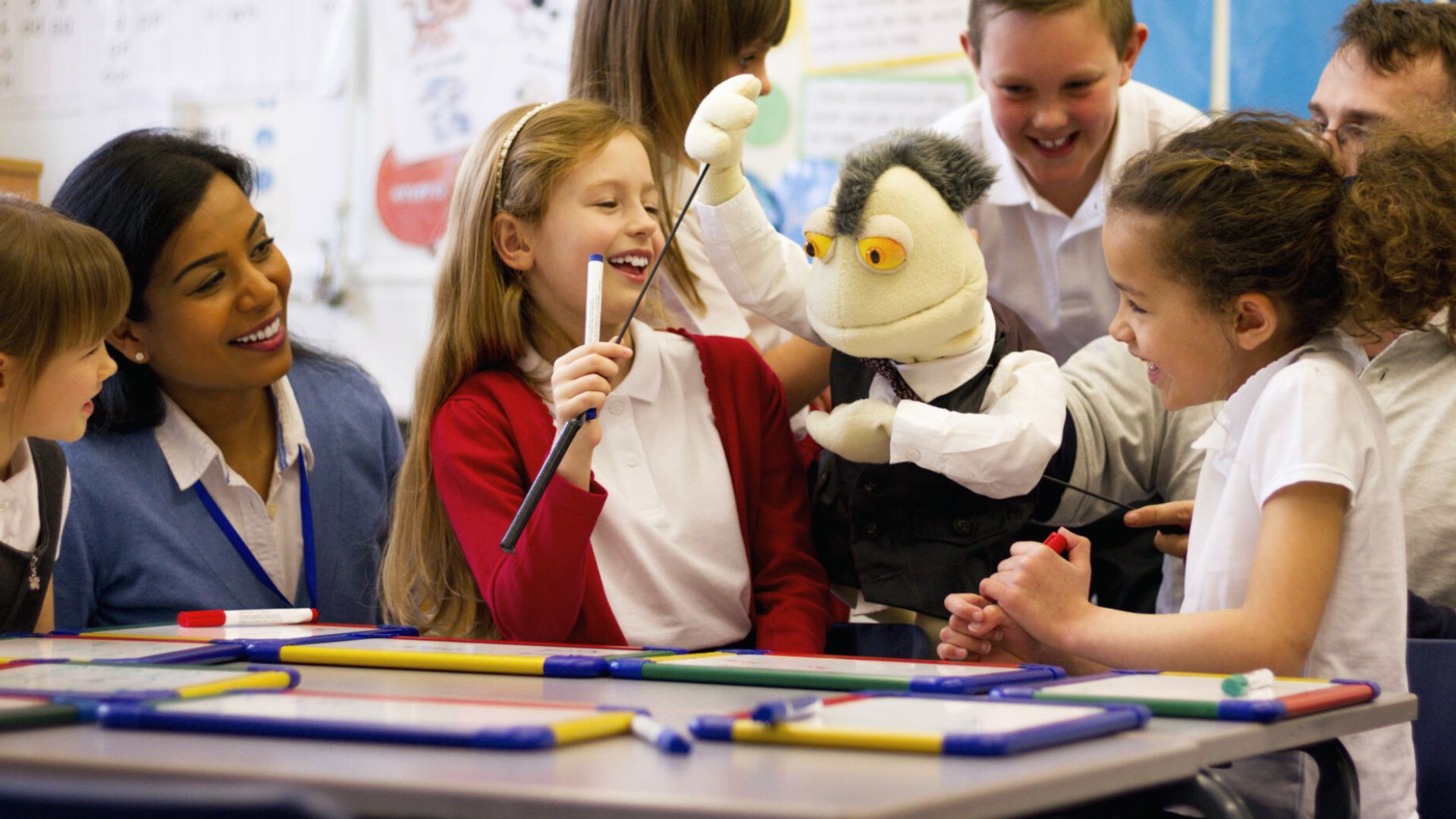
Make simple sock or paper bag puppets and let your child act out a story or create their own characters. It builds vocabulary, sentence structure, and imagination all at once.
Shy children often open up more easily when a puppet is doing the talking.
11. Nature Walk Observation Activity
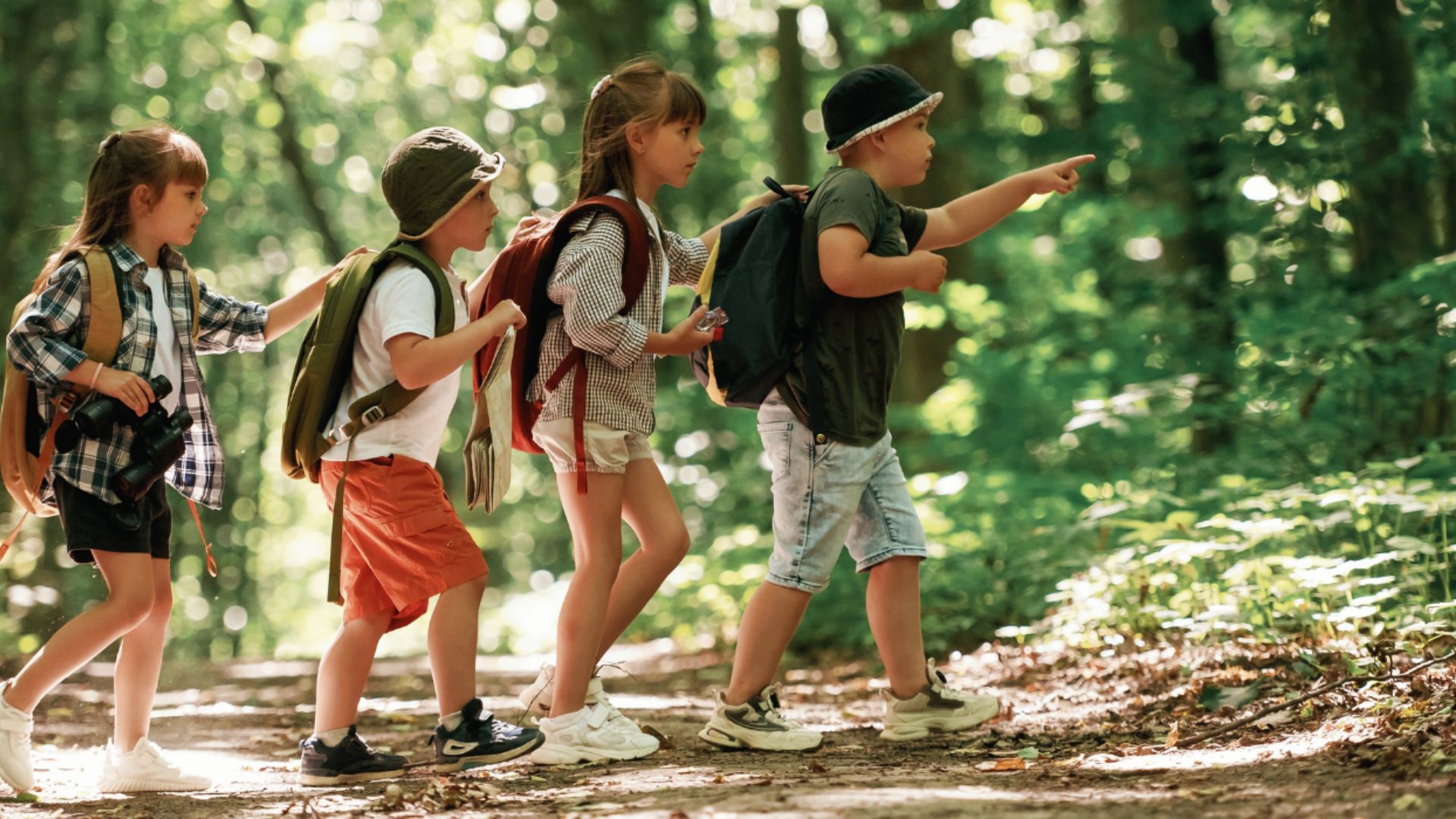
Head outside and collect leaves, rocks, or flowers, then sort and talk about them back inside. It mixes physical activity with early science and math thinking.
Children learn to observe closely, a habit that helps across every subject.
12. Sticker Matching Games
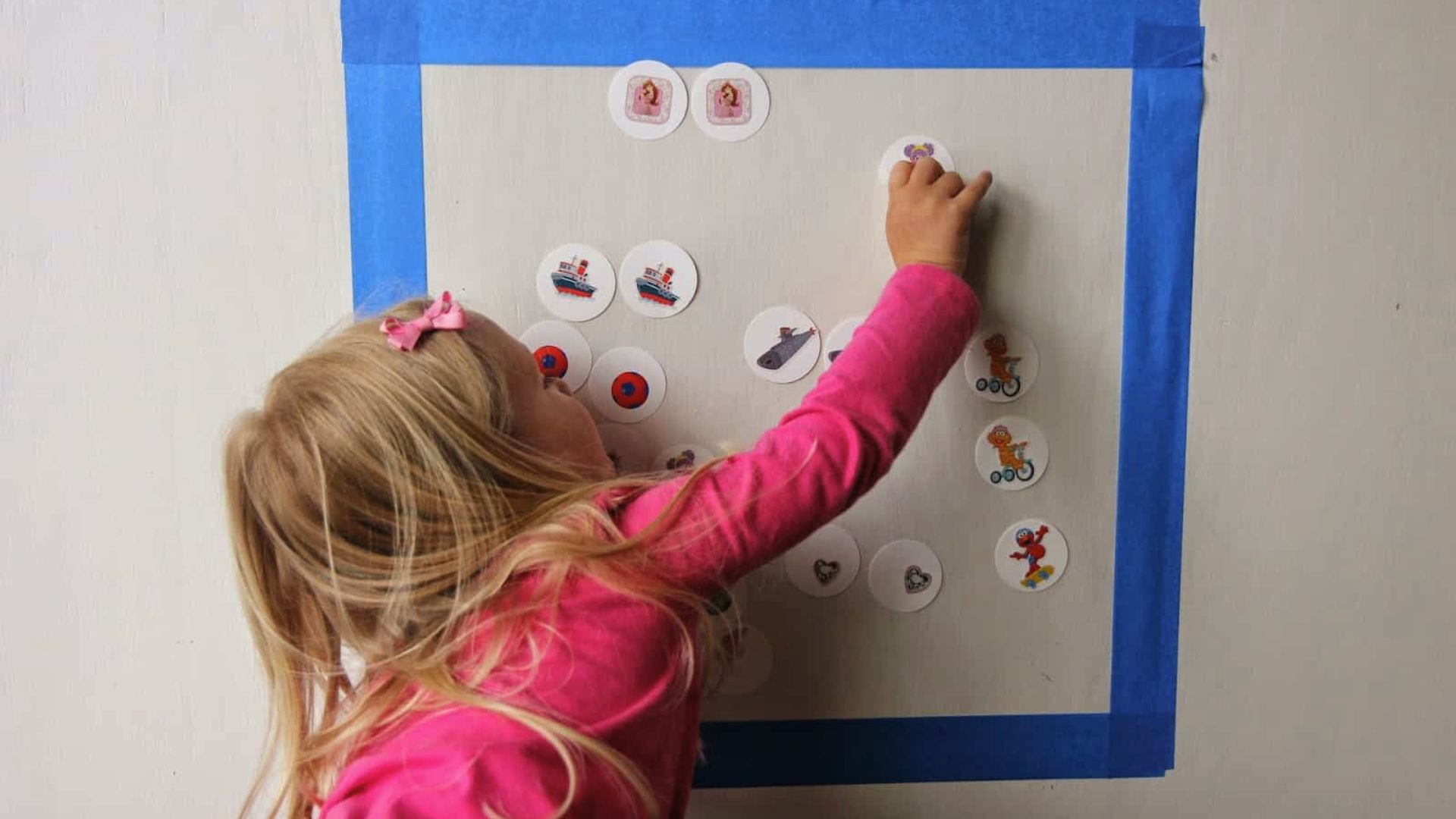
Create a simple sheet with letters, numbers, or shapes and give your child stickers to match each one. It is a quiet, focused activity that builds recognition skills.
You can easily adjust the difficulty as your child grows.
13. Kitchen Measuring Activity
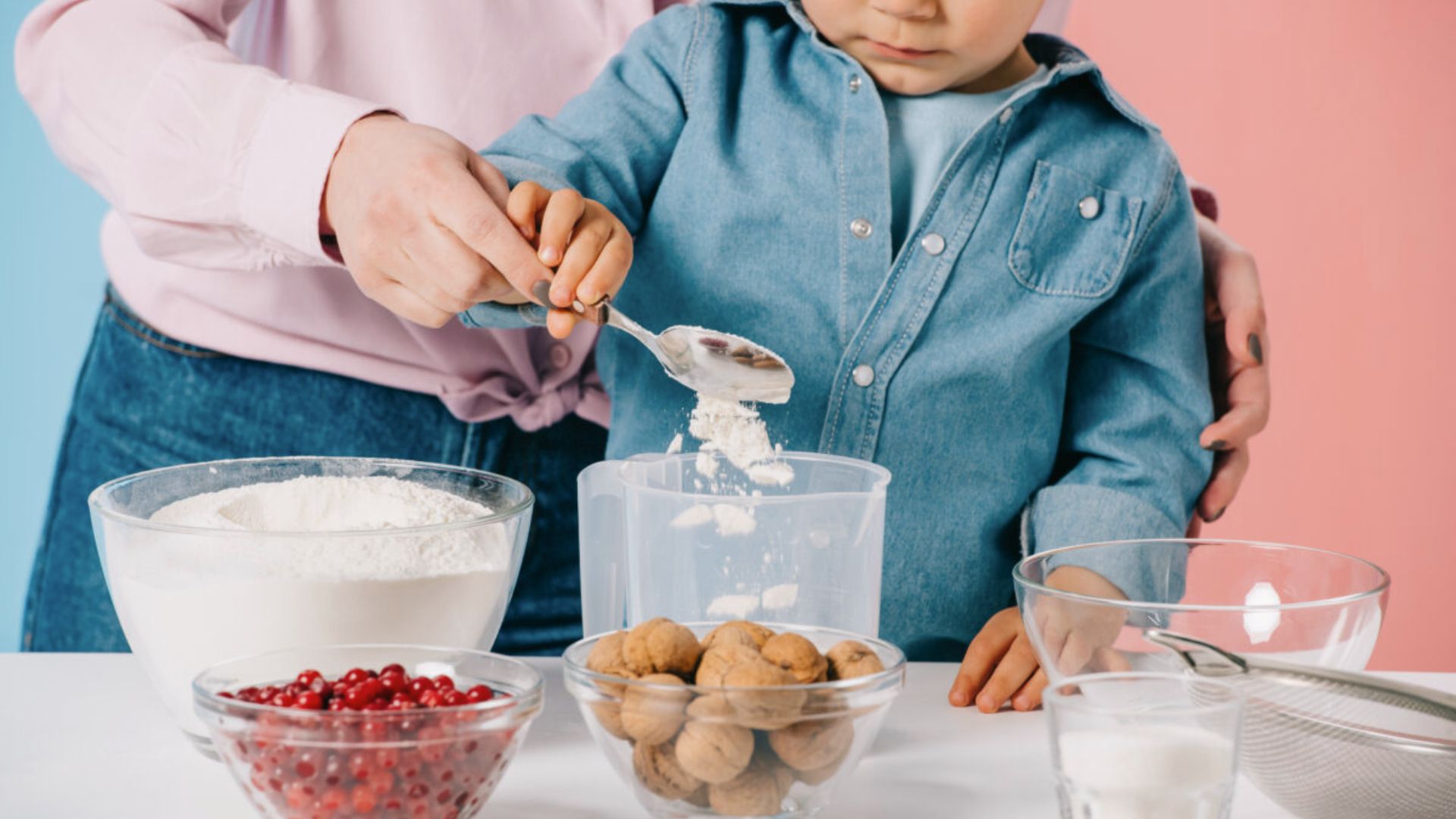
Let your child help with simple cooking by counting scoops and measuring cups. It brings math into a real-world setting in a meaningful way.
The hands-on experience is far more memorable than any worksheet.
14. Musical Freeze Dance
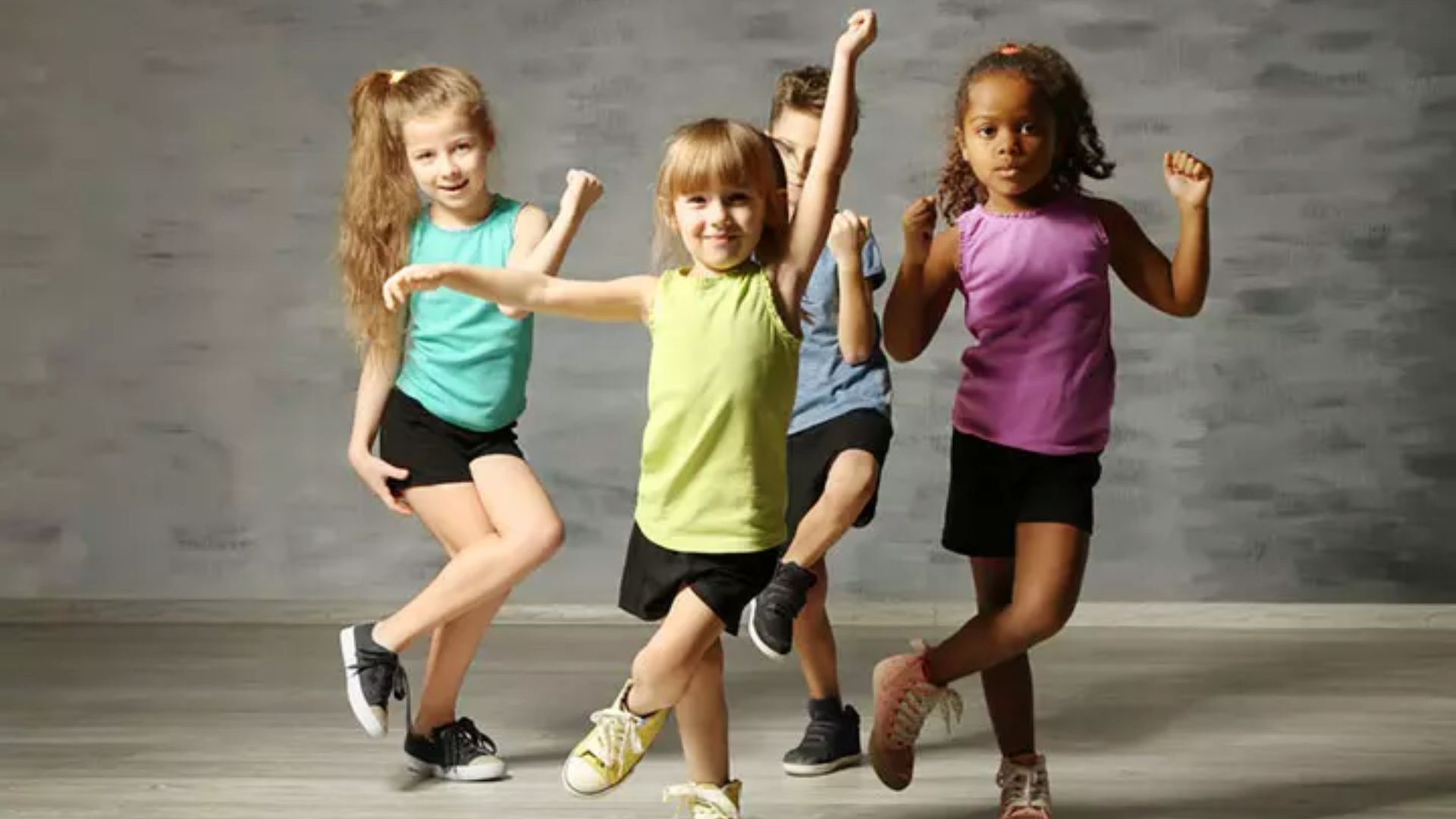
Play music, let your child dance freely, and hold up a letter or number card when the music stops. It gets energy out while keeping the mind active.
Short bursts of movement followed by a focused moment work really well for young learners.
15. Printable Maze and Tracing Sheets
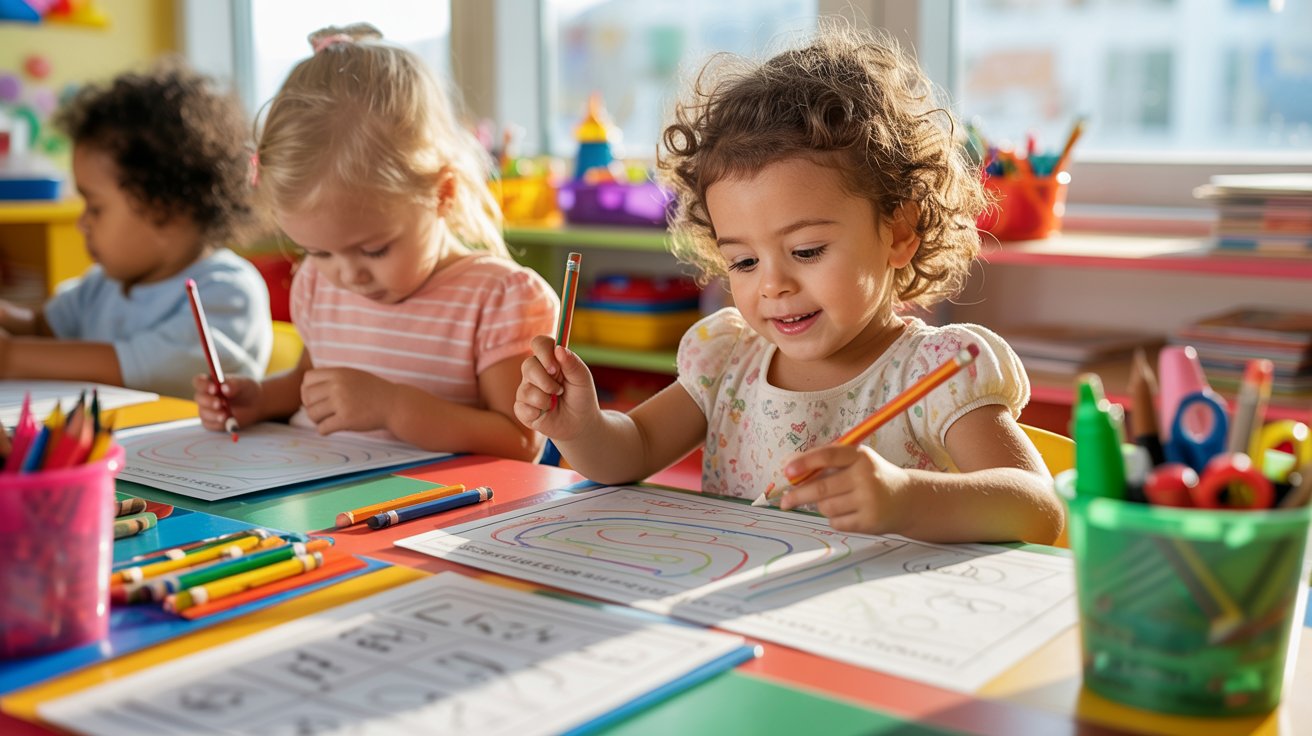
Simple printed mazes and tracing sheets help build pencil control, focus, and problem-solving skills. They prepare hand muscles for writing in a low-pressure way.
Choose age-appropriate options that build confidence rather than frustration.
16. Building a Cardboard Box Fort
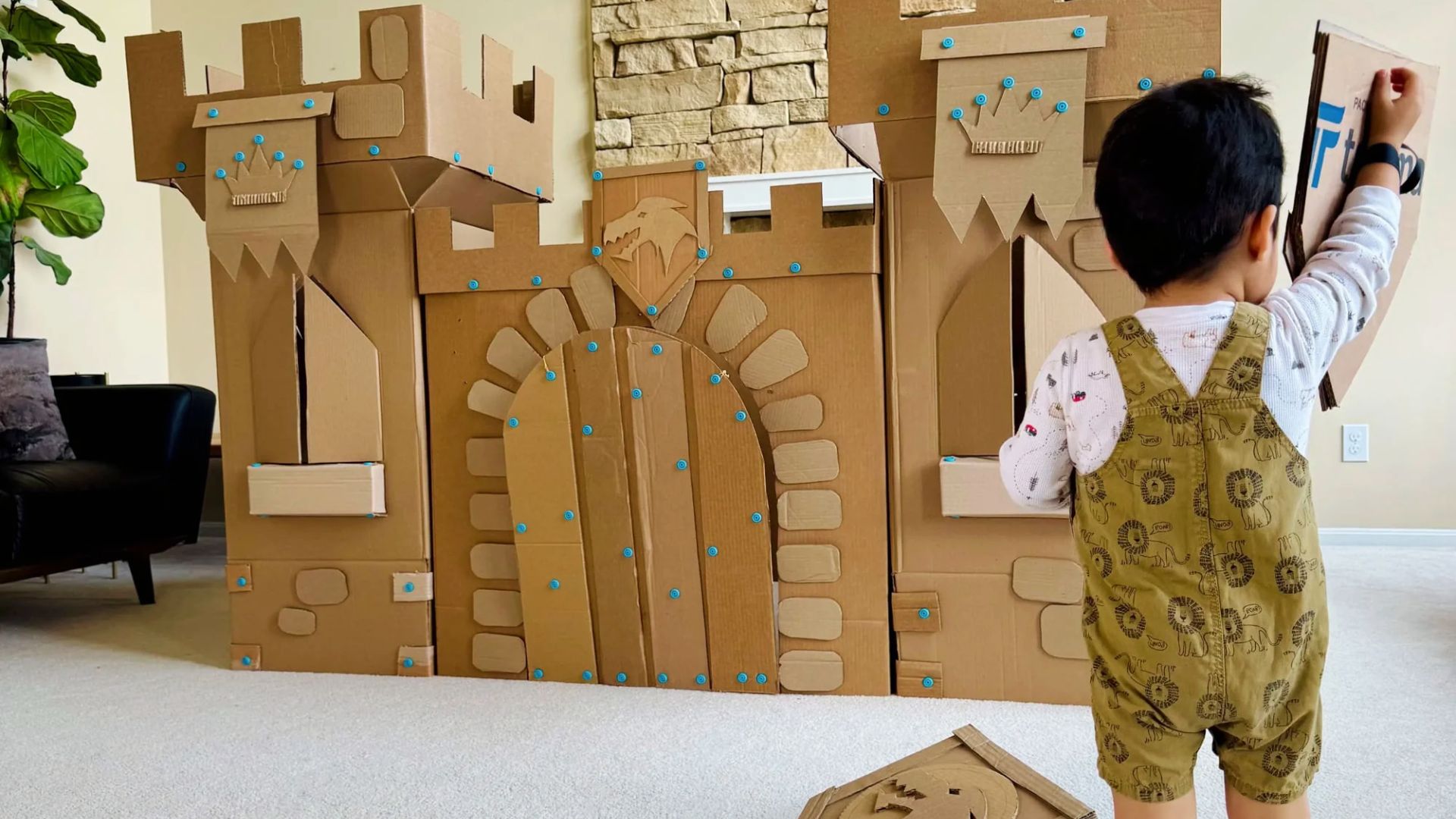
Give your child a large cardboard box and let them design and build whatever they imagine. It supports creativity, planning, and physical coordination in a fun way.
When done with a friend, it also builds communication and teamwork naturally.
17. Free Online Kindergarten Learning Activities
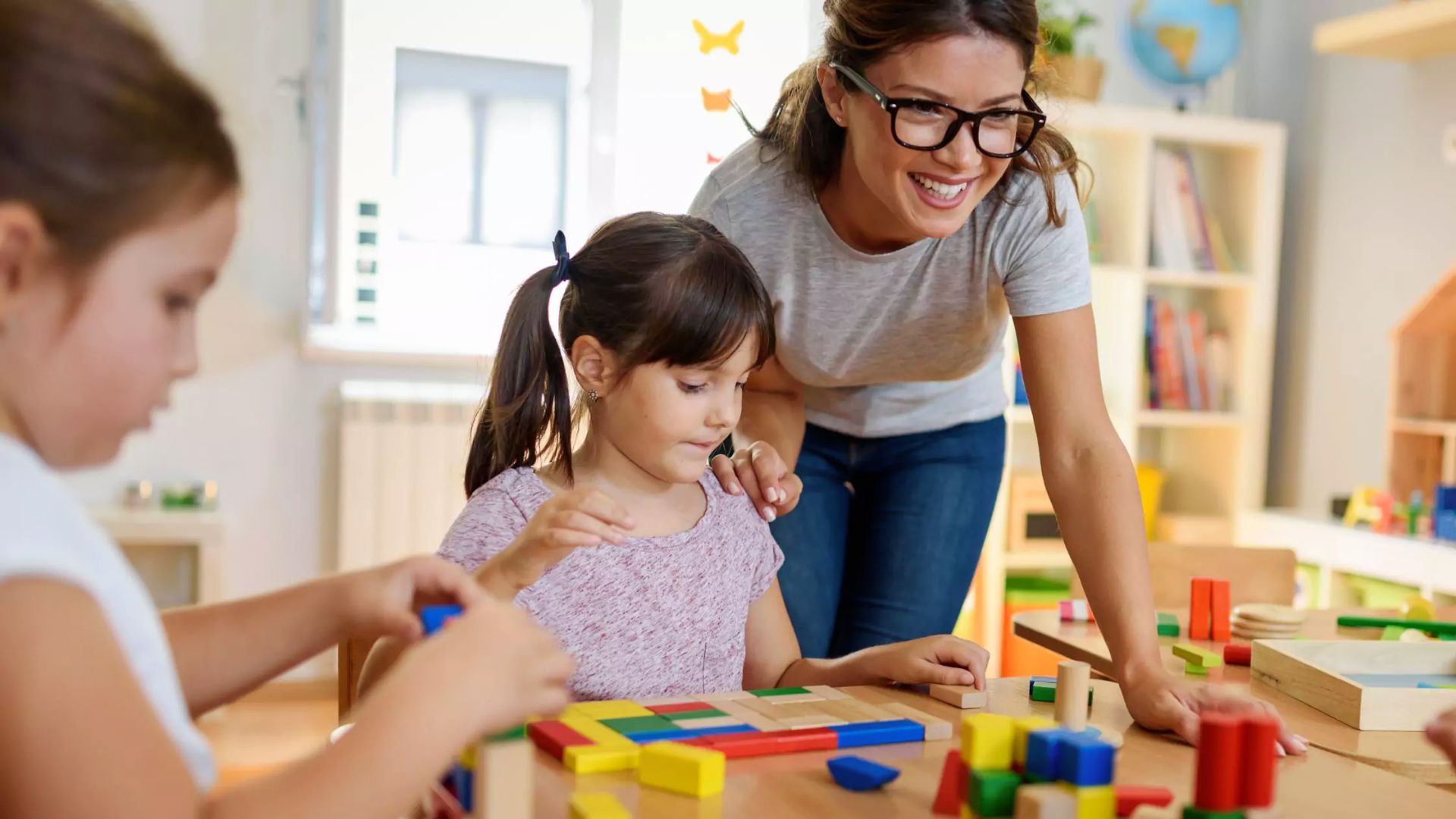
Platforms like Starfall, PBS Kids, and ABCmouse offer free interactive games built for young learners. Short, purposeful screen sessions work best when a parent is nearby.
Talking about what your child is doing turns screen time into an active learning moment.
Kindergarten Learning Activities for the Classroom
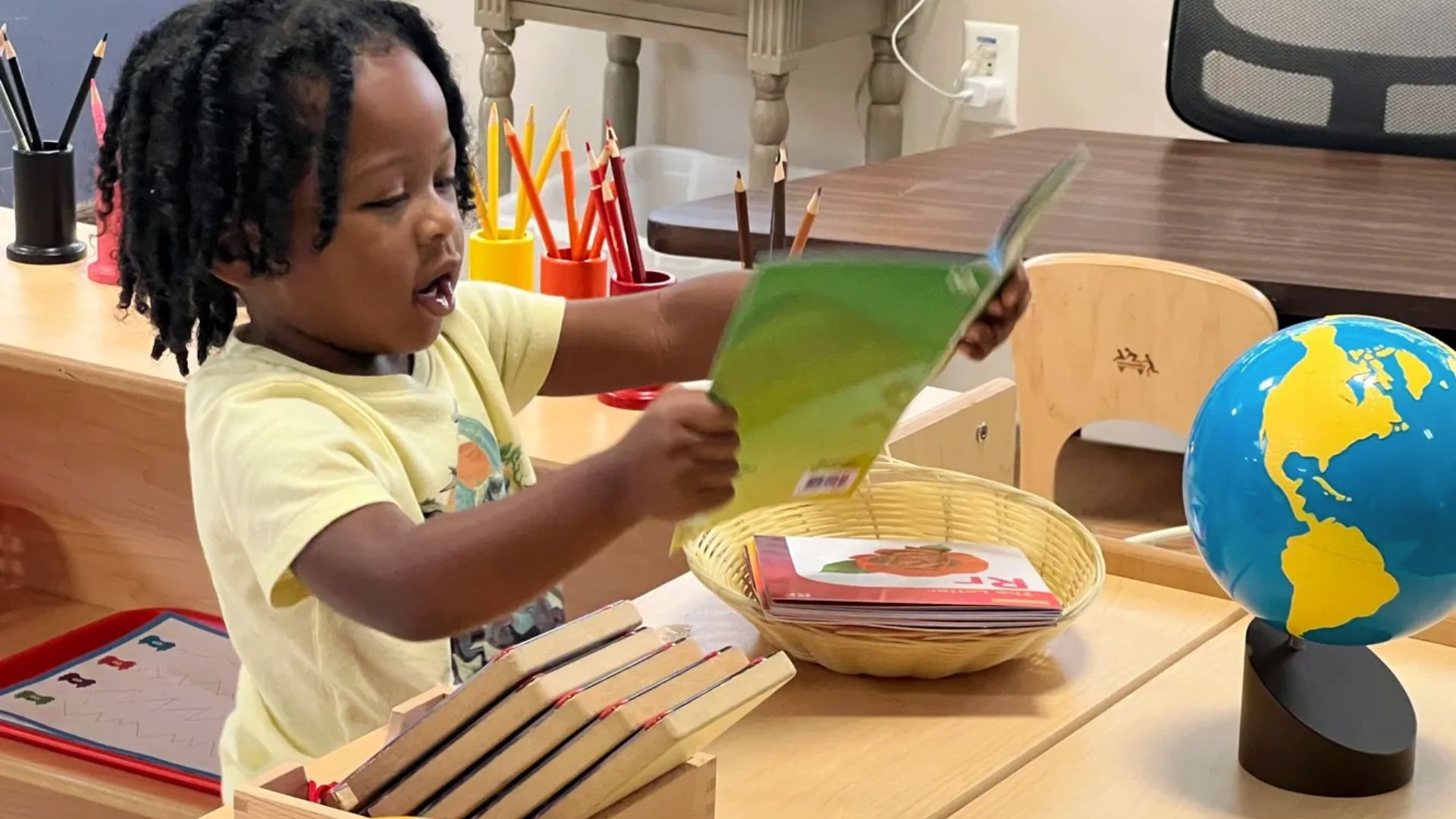
These classroom-ready ideas help teachers keep young learners focused, active, and genuinely excited about learning.
Small Group Learning Games
Small groups give every child more chances to talk, try, and participate actively. Try card matching, letter sorting trays, or number puzzles that the group solves together.
Rotating groups helps teachers observe where each child is and what support they may need.
Interactive Circle Time Activities
Circle time is a great space for calendar counting, weather observation, or a quick phonics game. Ask questions that invite answers and let children take turns leading a small portion.
When kids feel like active participants, their attention stays much sharper throughout the session.
Learning Station Ideas for Teachers
Learning stations let children rotate through different activities, keeping things fresh and meeting different learning styles.
Simple stations can include a reading corner, a math sorting tray, a tracing table, and a sensory bin.
Keeping each station simple allows children to work independently while the teacher focuses on one group at a time.
Tips for Making Kindergarten Learning Activities More Engaging
Small changes in how you set up activities can make a big difference in how much children enjoy and benefit from them.
- Aim for 10 to 15 minutes per activity to keep focus sharp and prevent burnout
- Let children stand, hop, or move as part of the activity to keep energy levels balanced
- Ask open-ended questions that invite thinking rather than simple yes or no answers
- Let children make choices about how they want to complete a task so they feel involved
- Celebrate small wins along the way because every bit of progress deserves recognition
Conclusion
The best learning happens when children are smiling. When my younger cousin started kindergarten, flashcards did nothing.
But the moment we turned letters into a scavenger hunt, everything clicked. These kindergarten learning activities do not need to be complicated.
They just need to feel fun and safe. Start with one activity this week and see how your child responds.
I would love to hear what worked for you. Drop a comment below or share this post with a parent or teacher who might find it helpful.
Frequently Asked Questions
What are the best kindergarten learning activities at home?
Simple activities like alphabet scavenger hunts, counting games, and playdough letters work very well at home. They use everyday items and do not need any special setup.
How can I make kindergarten learning activities more fun?
Add movement, color, and choice to any activity. When children feel like they are playing rather than studying, they stay focused longer and enjoy the process more.
Are printable kindergarten learning activities useful?
Yes, printable mazes, tracing sheets, and matching pages are helpful for building focus and fine motor skills. They work best alongside hands-on play, not as a replacement for it.
What are good online kindergarten learning activities?
Platforms like Starfall, PBS Kids, and ABCmouse offer free, age-appropriate games for reading and math. Short guided sessions with a parent nearby make online learning most effective.
How long should kindergarten learning sessions last?
Most kindergarteners do best with sessions that last 10 to 15 minutes. Shorter and more frequent sessions work better than one long stretch of focused work.


