


Reading comprehension is one of the biggest challenges teachers face every day. This guide covers 21 proven reading strategies that help students understand what they read, not just decode words.
I have worked with struggling readers and seen what actually works in real classrooms. This is not a theory. This is practical help.
Here is what you will find inside:what reading comprehension strategies are and why they matter, all 21 strategies explained clearly, how to teach them step by step, and classroom activities, grade-level tips, and common mistakes to avoid.
Let's get into it.
What Are Reading Strategies for Comprehension?
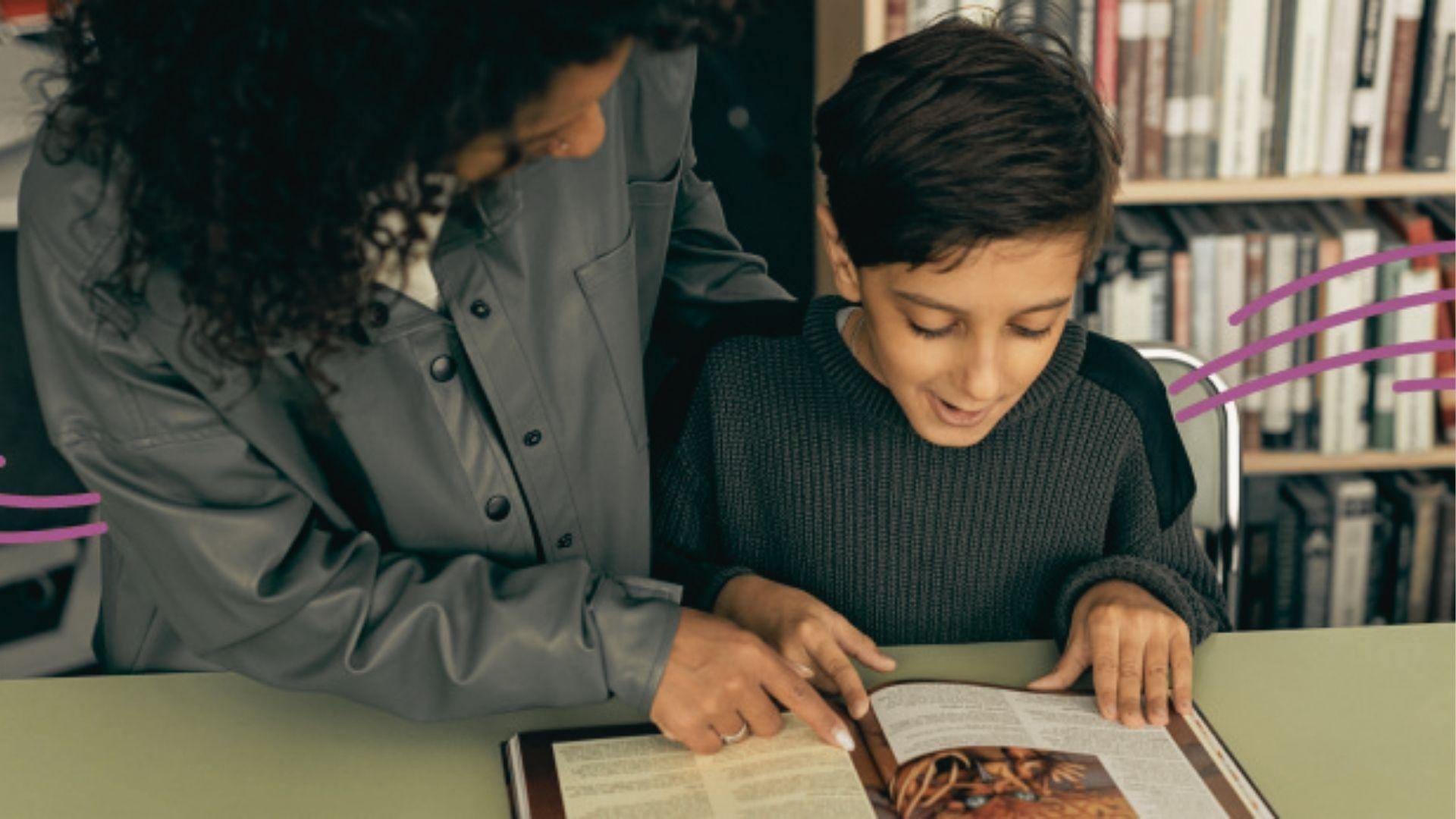
Reading strategies for comprehension are tools and habits that help readers understand, process, and remember what they read. They are not tricks. They are teachable skills students can use on their own over time.
These strategies matter because reading is not just about saying words out loud. It is about understanding meaning. Strong comprehension skills affect every subject. A student who cannot understand a math word problem or a science article will fall behind fast.
When students lack these tools, they often read a passage and forget it, struggle to answer basic questions, or feel frustrated and stop reading altogether.
Good readers use these strategies automatically. Students who struggle need to be taught directly.
Many teachers assume students will pick up these skills on their own. Some do. Many do not. Explicit instruction means naming the strategy, explaining it, showing it, and practicing it together. When that happens, students stop guessing and start thinking.
21 Reading Strategies for Comprehension
Here are 21 strategies every teacher should know and use. Each one targets a specific part of the reading process.
1. Activating Prior Knowledge

Before reading, ask students what they already know about the topic.
This warms up the brain. It creates a mental hook where new information can be attached. Even a two-minute conversation before reading can improve how much students understand and remember.
Try asking: "What do you already know about this?"
2. Building Background Knowledge

Sometimes students do not have enough prior knowledge to connect with a text. That is when you build it for them.
Show a short video. Share a few key facts. Use images. Give them something to hold onto before they start reading.
Background knowledge is the foundation of comprehension. Without it, students are reading words without meaning.
3. Previewing the Text

Teach students to look at the title, headings, images, and bold words before they read a single sentence.
Previewing gives the brain a map. It sets expectations. Students read faster and understand more when they know what is coming.
This takes less than two minutes and makes a big difference.
4. Setting a Purpose for Reading

Students read better when they know why they are reading.
Are they reading to find a specific fact? To understand a character? To learn how something works?
Give them a clear purpose before they start. It keeps their attention focused and stops passive reading from happening.
5. Making Predictions
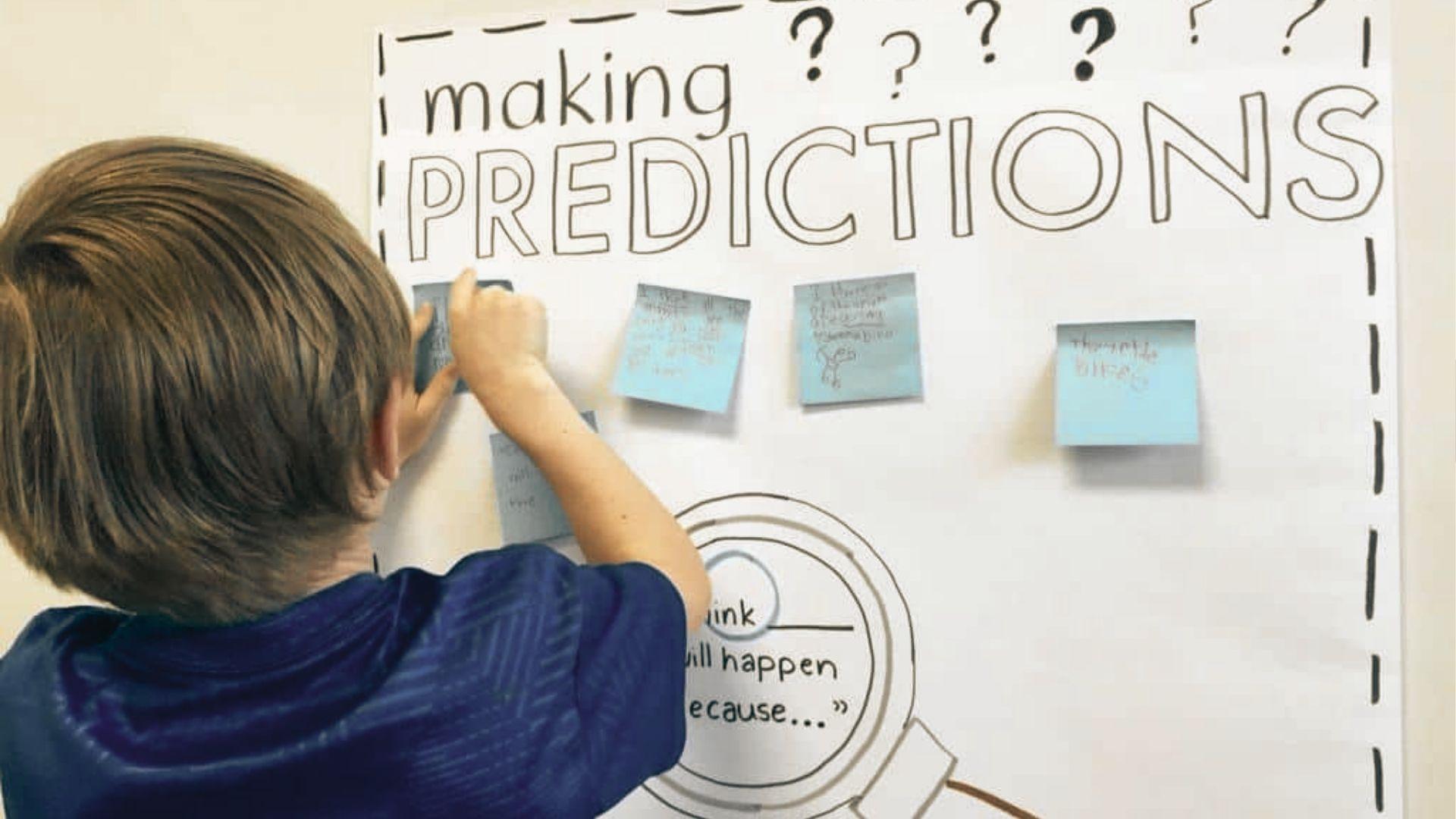
Ask students to guess what will happen next or what the text will be about.
Predictions create curiosity. When students predict, they become invested in the text. They want to know if they were right.
This strategy works well with fiction and nonfiction alike.
6. Using Metacognition
Metacognition means thinking about your own thinking.
Teach students to ask themselves: "Do I understand what I just read? Am I confused? What do I need to re-read?"
This is one of the most powerful strategies because it builds self-awareness. Students stop reading on autopilot and start monitoring themselves.
7. Monitoring Comprehension

This is closely related to metacognition but more specific.
Students check in with themselves as they read. They notice when something does not make sense. They do not keep reading when they are lost.
Teach students to pause every paragraph or two and ask: "Can I explain what I just read in my own words?"
8. Using Fix-Up Strategies
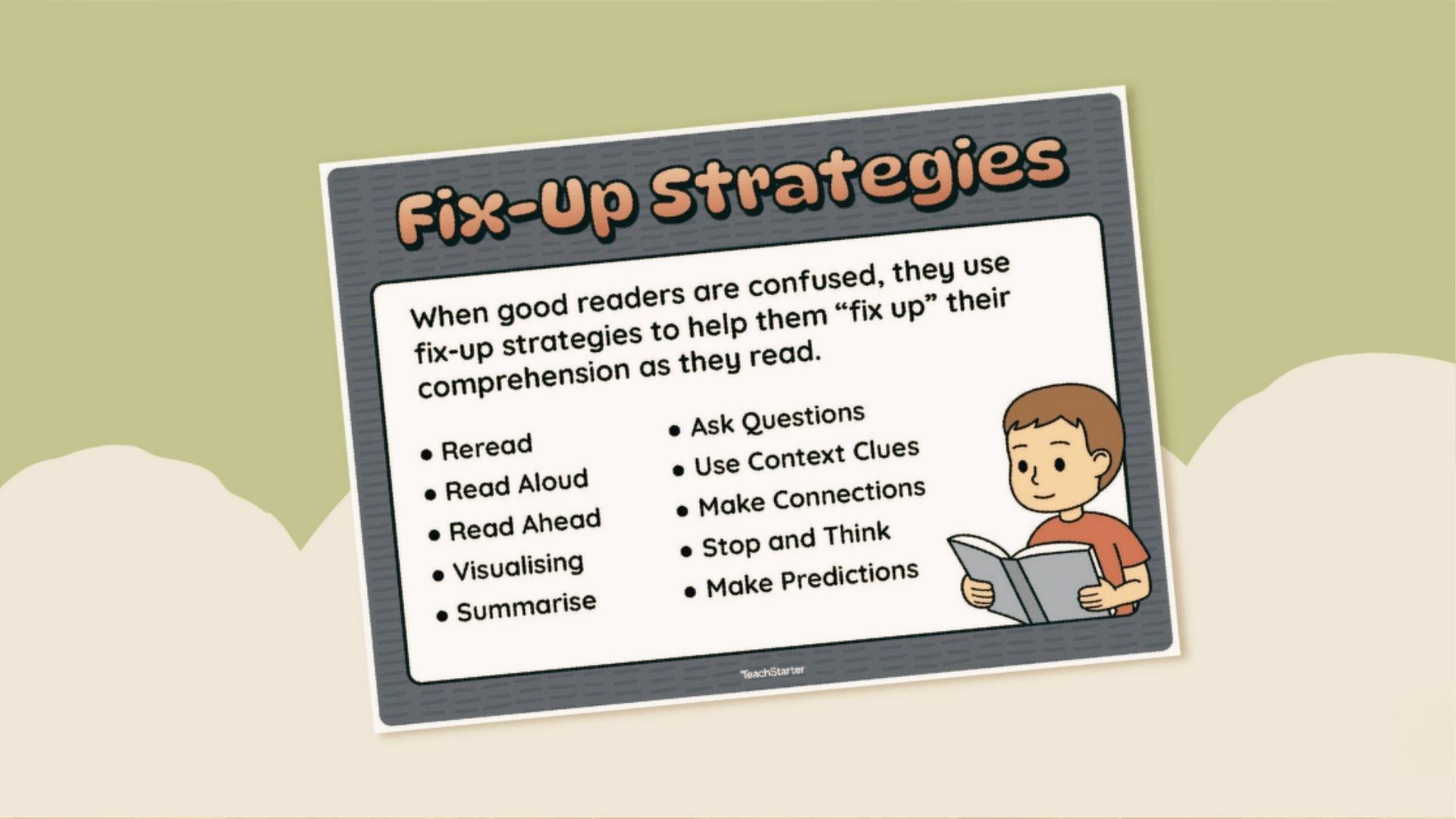
When students realize they do not understand something, they need tools to fix it.
Fix-up strategies include:
- Re-reading the confusing part
- Reading ahead to see if it becomes clear
- Looking up an unfamiliar word
- Asking a question about it
Knowing what to do when you are confused is a skill. Teach it directly.
9. Visualizing
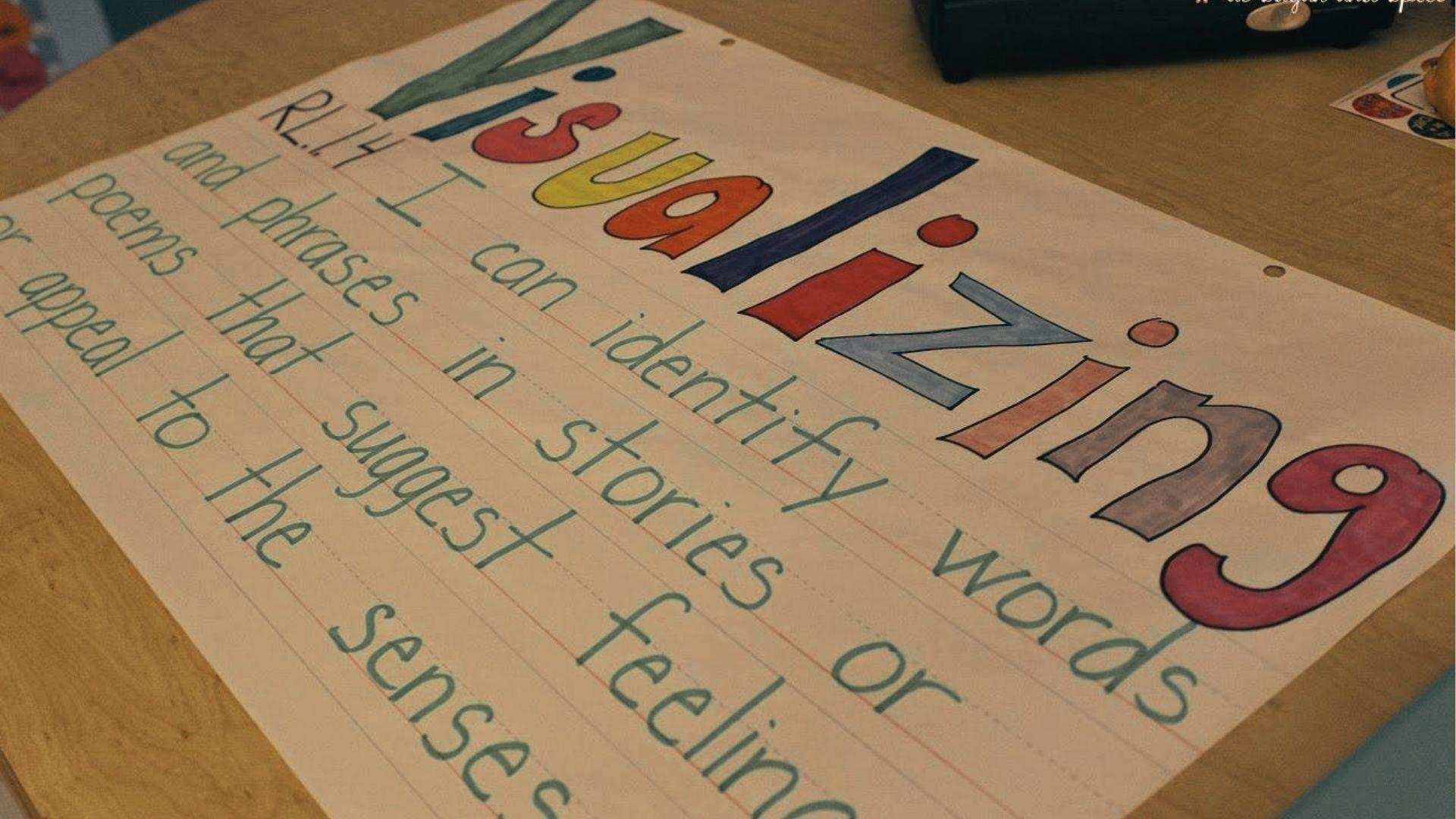
Ask students to create a mental image of what they are reading.
Good readers see a movie in their head while they read. Struggling readers often do not.
You can practice this by reading a descriptive passage aloud and asking students to draw what they see. It does not matter if the drawing is good. What matters is that their brain is actively engaged.
10. Recognizing Text Structure

Texts are organized in different ways.
Common structures include:
- Cause and effect
- Problem and solution
- Compare and contrast
- Sequence or chronological order
- Description
When students can identify the structure, they know where to find important information and how ideas connect. This makes comprehension much easier.
11. Using Graphic Organizers
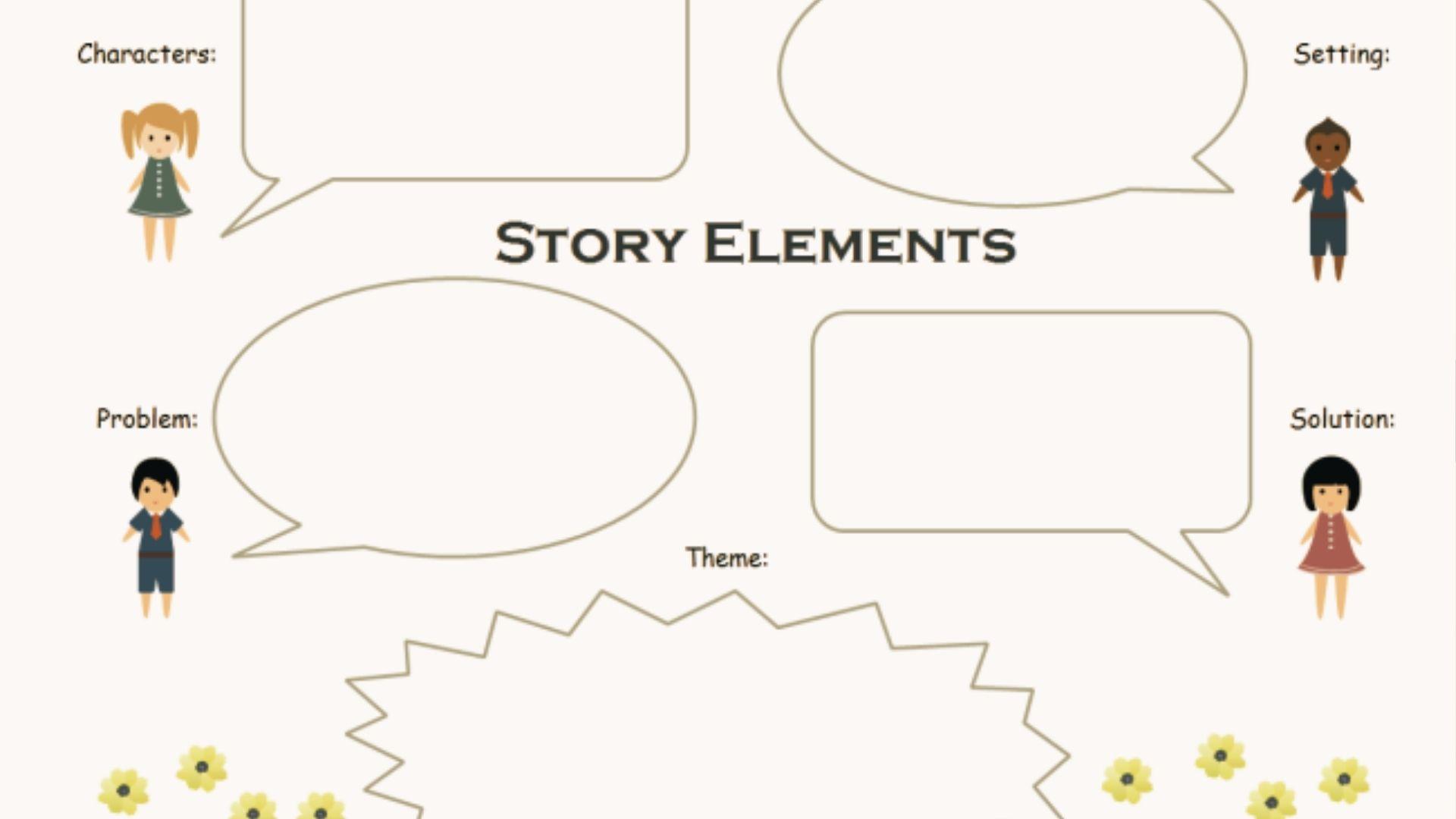
Graphic organizers give students a visual way to organize information from the text.
Charts, Venn diagrams, story maps, and cause-and-effect webs all help students see relationships between ideas.
They are especially helpful for students who struggle to write full sentences but can organize thoughts visually.
12. Asking Questions

Teach students to ask questions before, during, and after reading.
Before: "What is this about?"
During:"Why did that happen?"
After: "What was the main idea?"
Asking questions keeps readers active. It turns passive reading into a real thinking task.
13. Determining Key Details

Not every sentence in a text is equally important. Students need to learn how to tell the difference between key details and supporting ones.
Teach them to ask: "Is this information important to the main idea? Would the text still make sense without it?"
This skill is critical for summarizing and note-taking.
14. Answering Questions

This might seem simple, but answering questions well is a skill.
Teach students to locate evidence in the text. Teach them to answer in full thoughts, not just one word. Teach them the difference between questions answered directly in the text and questions that require inference.
Strong answers come from strong reading habits.
15. Making Inferences
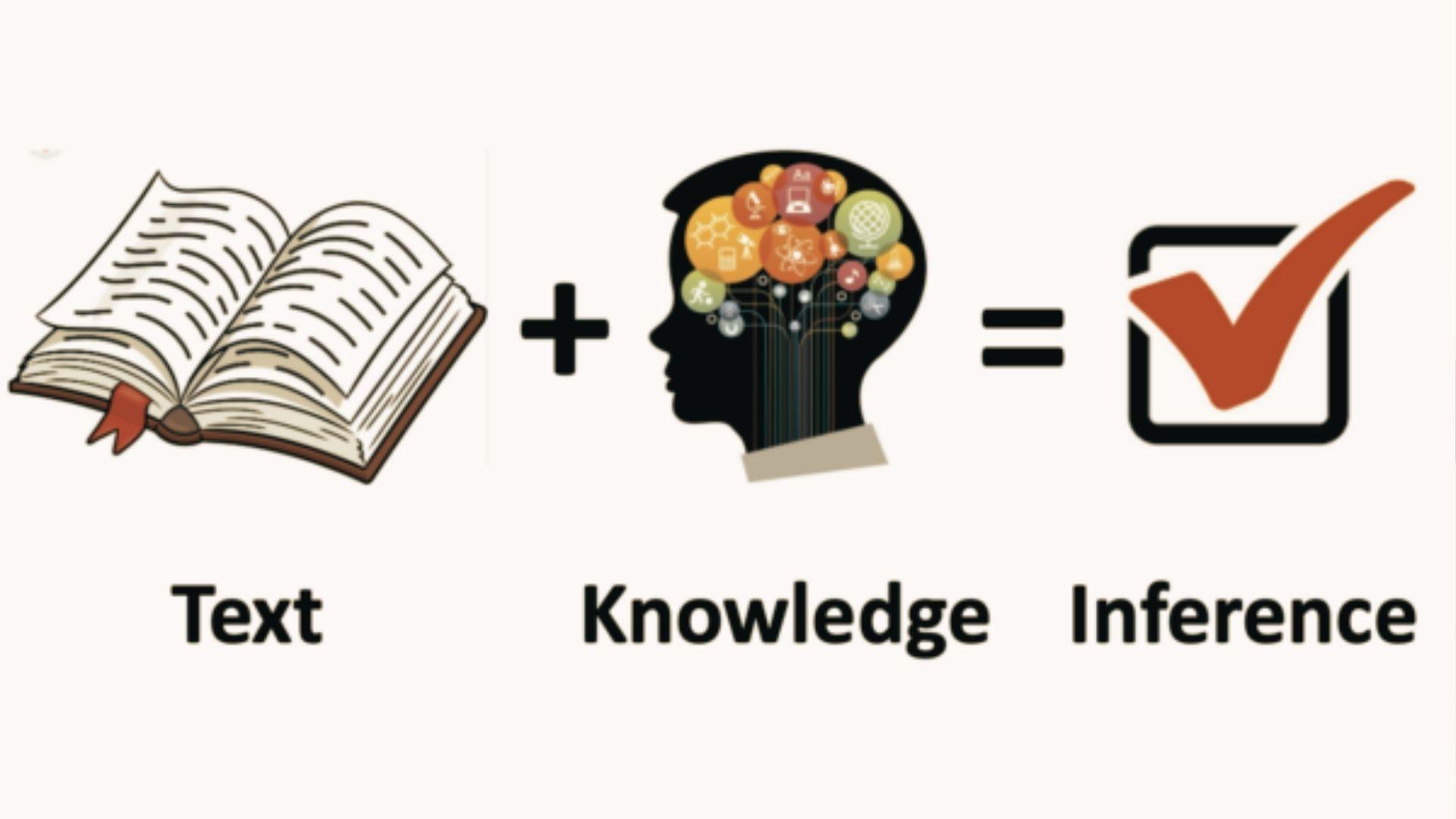
An inference is when a reader figures out something the text does not directly say.
Teach students to combine what the text says with what they already know to draw a conclusion.
Example: If a character is shaking and sweating before a test, students can infer the character is nervous, even if the word "nervous" is never used.
16. Summarizing

Summarizing means saying the most important ideas in your own words, briefly.
It is not retelling everything. It is finding the heart of the text.
A good summary answers:"What happened? Who was involved? Why does it matter?"
Teach students to leave out minor details and focus on what the author most wants the reader to know.
17. Retelling

Retelling is different from summarizing. It includes more detail and usually follows the order of events.
Retelling is great for younger students or those who need to practice sequencing.
Use sentence starters like: "First… Then… Next… Finally…"
18. Synthesizing

Synthesizing is putting together information from multiple sources or across a whole text to form a new understanding.
This is a higher-level strategy. It goes beyond what one paragraph says. Students think about the text as a whole.
Ask:"How has your thinking changed after reading this? What new idea do you now have?"
19. Reading Aloud

Reading aloud, either by the teacher or by students, helps with fluency and comprehension together.
When students hear text read with expression and natural rhythm, they understand it better. It also helps with vocabulary because students can hear how words sound in context.
Read aloud daily whenever you can.
20. Repeated Reading

Reading the same text more than once builds both fluency and understanding.
The first time, students focus on decoding. The second time, they focus on meaning. The third time, they pick up details they missed before.
Repeated reading is especially helpful for students who struggle with fluency.
21. Collaborative Discussion

Talking about a text helps students understand it more deeply.
When students explain their thinking to a peer, they organize their ideas. When they hear another perspective, they consider things they missed.
Use structured discussions with sentence starters like: "I think… because…" "I agree/disagree because…"
How to Teach Reading Strategies for Comprehension Effectively
Knowing the strategies is not enough. You have to teach them in a way that actually sticks.
Here is a four-step approach that works.
Direct Explanation of Each Strategy
Start by naming the strategy and explaining exactly what it is.
Say: "Today we are going to practice visualizing. This means creating a picture in your mind as you read."
Be clear about what the strategy is, why it helps, and when to use it. Do not assume students will figure it out on their own.
Modeling Through Think-Alouds
Show students what the strategy looks like inside a reader's head.
Read a passage out loud and say your thoughts as you go.
Stop and say: "I just noticed I do not understand this sentence, so I am going to re-read it."
Think-alouds make invisible reading processes visible. Students can finally see what good readers actually do.
Guided Practice in Groups
After modeling, let students try the strategy together in small groups.
Give them a short text and a specific task. Walk around the room, listen to their thoughts, and give feedback.
This step is where most of the learning happens. Students feel safer trying new things in groups before they do it alone.
Independent Application by Students
Once students have practiced together, give them a chance to use the strategy on their own.
Provide a text and a simple task. Ask them to show their thinking in writing or through a graphic organizer.
This tells you who has got it and who needs more support.
Classroom Activities to Make Comprehension Fun
Good strategies become powerful habits when students enjoy using them.
These activities make reading feel less like work and more like something worth doing.
Games (Quizzes, Role Play, Mystery Solving)

Turn reading into a game and students lean in.
Quiz formats work well after reading. Keep them short, low-stakes, and fast.
Role play is great for fiction. Assign students characters and ask them to respond to questions as that character. This builds inference and perspective-taking skills.
Mystery solving works for nonfiction. Give students clues from a text and ask them to figure out the answer before revealing it. They read more carefully when there is a challenge involved.
Group Activities and Peer Learning

Students learn a lot from each other.
Some ideas that work:
- Jigsaw reading:each group reads a different section and then teaches the rest of the class
- Think-Pair-Share:students think alone, share with a partner, then share with the class
- Book clubs:small groups read and discuss the same book on their own
Peer learning builds confidence. When students explain something to a friend, they understand it better themselves.
Journaling and Reflection Exercises
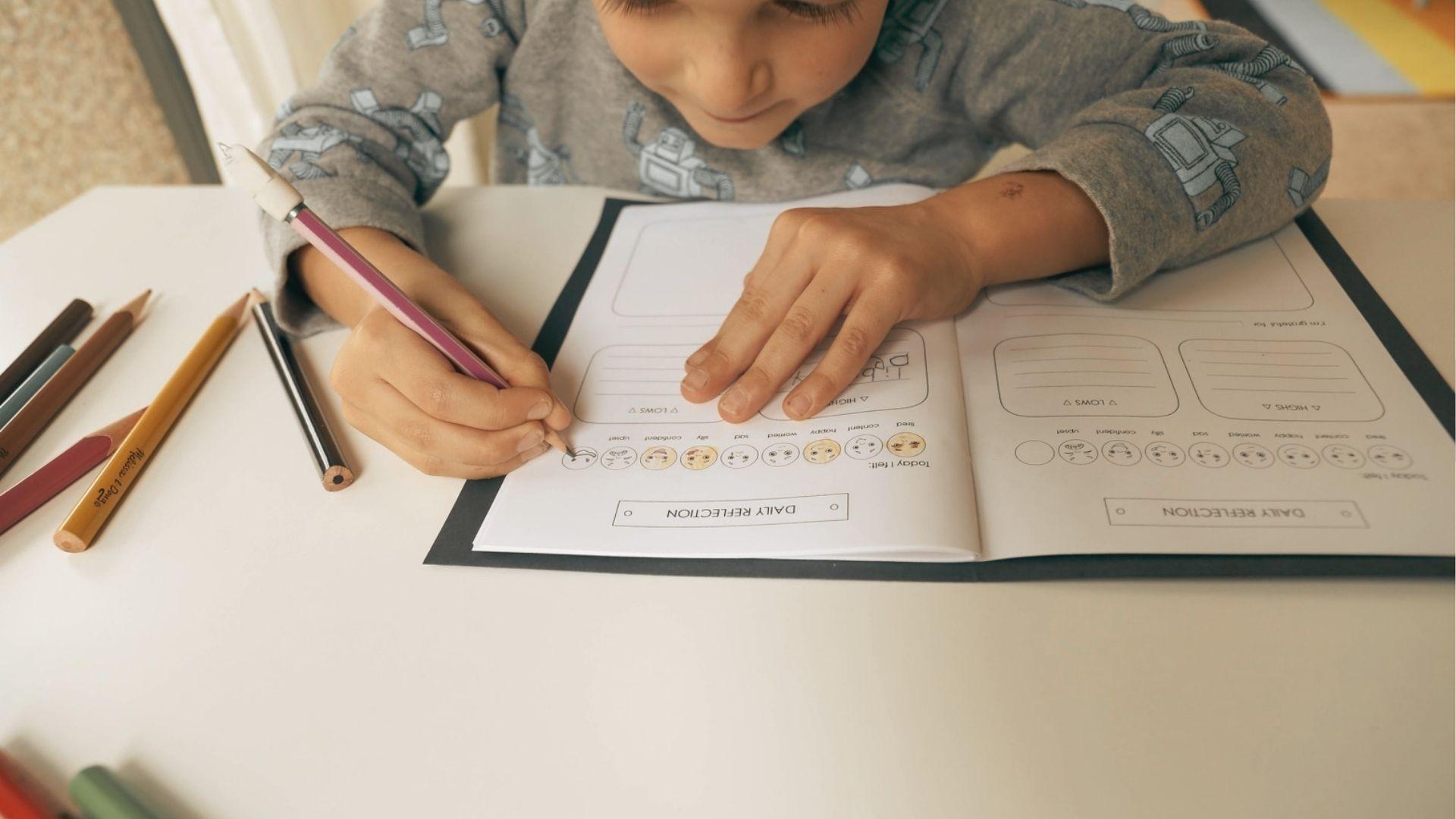
Ask students to write a short response after reading.
It does not have to be long. Two or three sentences about what they found interesting, confusing, or surprising is enough.
Journaling slows students down. It makes them think before moving on.
You can also use reflection prompts like: "What strategy did you use today? How did it help?"
Adapting Reading Strategies for Different Grade Levels
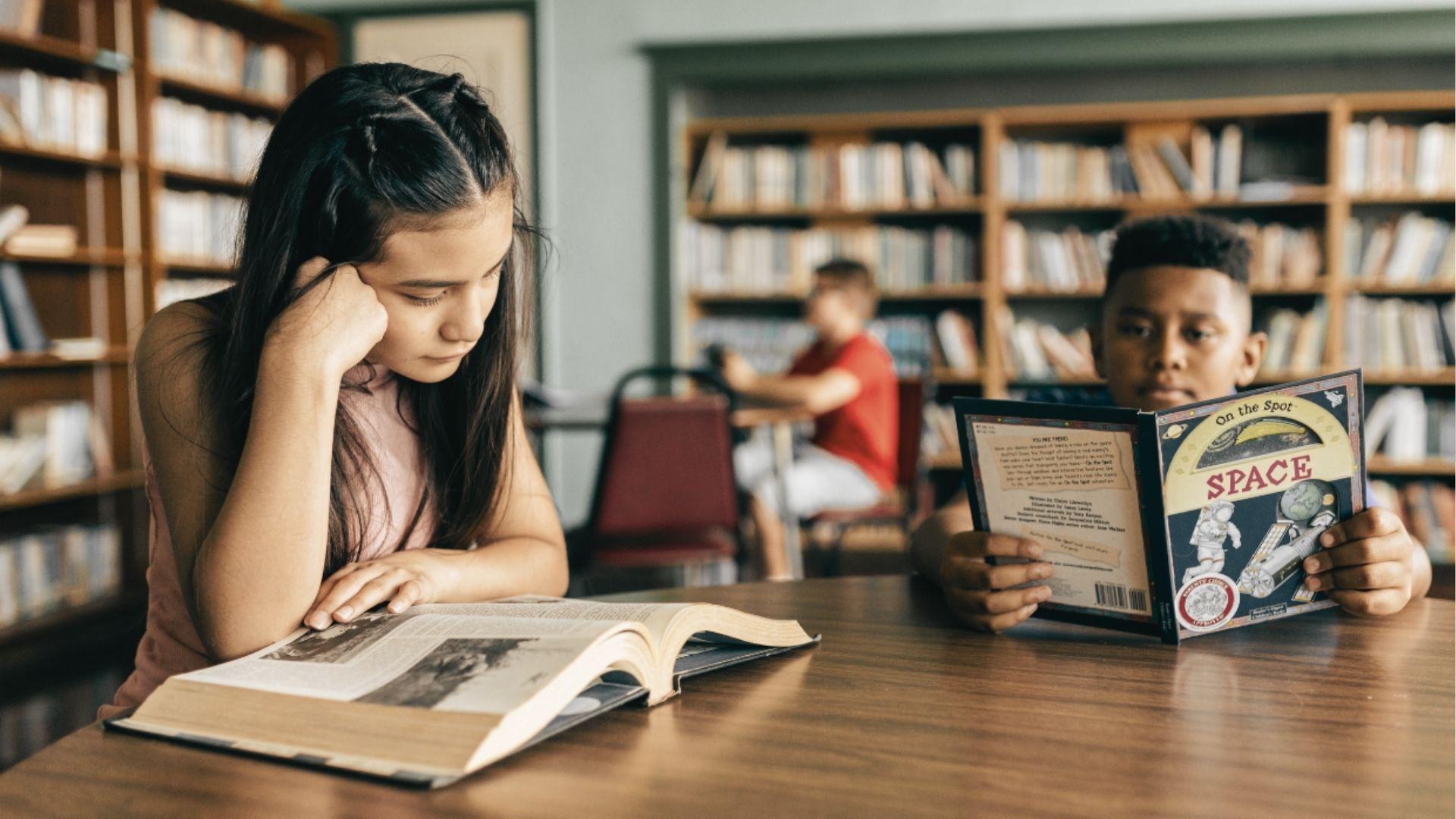
The same strategy can look very different depending on the age of the student. Here is how to adjust your approach for each grade band.
Early Elementary (K-2): Focus on Basics
At this stage, reading is new. Keep strategies simple and concrete.
Focus on:
- Activating prior knowledge through pictures and conversations
- Making predictions before reading
- Retelling using pictures or sentence starters
- Visualizing through drawing
Use read-alouds often. Let students practice strategies as a whole class before trying them alone. Repetition matters a lot at this age.
Upper Elementary (3-5): Expanding Skills
Students at this level can handle more complex thinking.
Introduce:
- Summarizing in writing
- Making inferences using text evidence
- Recognizing text structures
- Asking and answering deeper questions
Graphic organizers work very well here. Students are developing independence, so give them more chances to practice on their own while still providing support.
Middle School (6-8): Critical Thinking
Middle schoolers can read across subjects and texts. Push them to think harder.
Focus on:
- Synthesizing across multiple texts
- Evaluating author's purpose and point of view
- Making complex inferences
- Using metacognition to self-monitor and self-correct
Collaborative discussion is especially powerful at this age. Teens learn from debate and conversation, so build in structured talking time regularly.
High School (9-12): Analysis and Synthesis
High school students should be reading critically and independently.
Focus on:
- Analyzing argument and evidence
- Synthesizing ideas across complex texts
- Evaluating the reliability of sources
- Using reading to support writing and research
At this level, strategies become tools for academic and real-world literacy. The goal is not just to understand a text but to do something meaningful with it.
Common Mistakes Teachers Should Avoid
Even small habits can slow down student progress without you realizing it.
- Teaching Without Practice: Explaining a strategy once and moving on is not enough. Students need time to try it, struggle with it, and try again before it sticks.
- Overloading Students With Too Many Strategies: Introducing too many strategies at once leaves students confused. Teach one at a time and spend a full week on each before moving forward.
- Ignoring Background Knowledge: A strategy only works when students have something to connect it to. Always check what they know first and fill in gaps before assigning a text.
- Not Differentiating Instruction: Every student reads at a different level. Use varied texts, sentence frames, and strategic pairing to support all learners without lowering expectations.
- Skipping Reflection Time: Many teachers forget to ask students how a strategy worked for them. A quick reflection after practice helps students own their learning and remember what they used.
Conclusion
Teaching reading comprehension is not always easy, but it is worth every effort.
I remember sitting with a student who kept re-reading the same paragraph with a blank look. The moment we tried visualizing together, something clicked. He smiled. That is what these strategies can do.
You now have 21 reading strategies for comprehension to use in your classroom. Start with one. Practice it. Then build from there.
Try one strategy this week and see what happens. Share your experience in the comments below. I would love to hear what works for you.
Frequently Asked Questions
What are the most effective reading strategies for comprehension?
Strategies like making inferences, asking questions, and monitoring comprehension are highly effective. They keep students actively engaged with the text rather than reading passively.
How many reading strategies should I teach at once?
Teach one strategy at a time. Give students enough practice before introducing the next one. This leads to better retention and real skill-building.
Can reading strategies be used in subjects other than English?
Yes, absolutely. Strategies like summarizing, asking questions, and recognizing text structure work well in science, social studies, and math too.
How do I know if students are actually using the strategies?
Ask students to show their thinking through writing, drawing, or discussion. Graphic organizers and reflection journals are great tools for making thinking visible.
Are reading strategies different for students who struggle with reading?
The strategies are mostly the same, but the support level changes. Struggling readers benefit from more modeling, visual aids, sentence starters, and extra guided practice before working independently.


