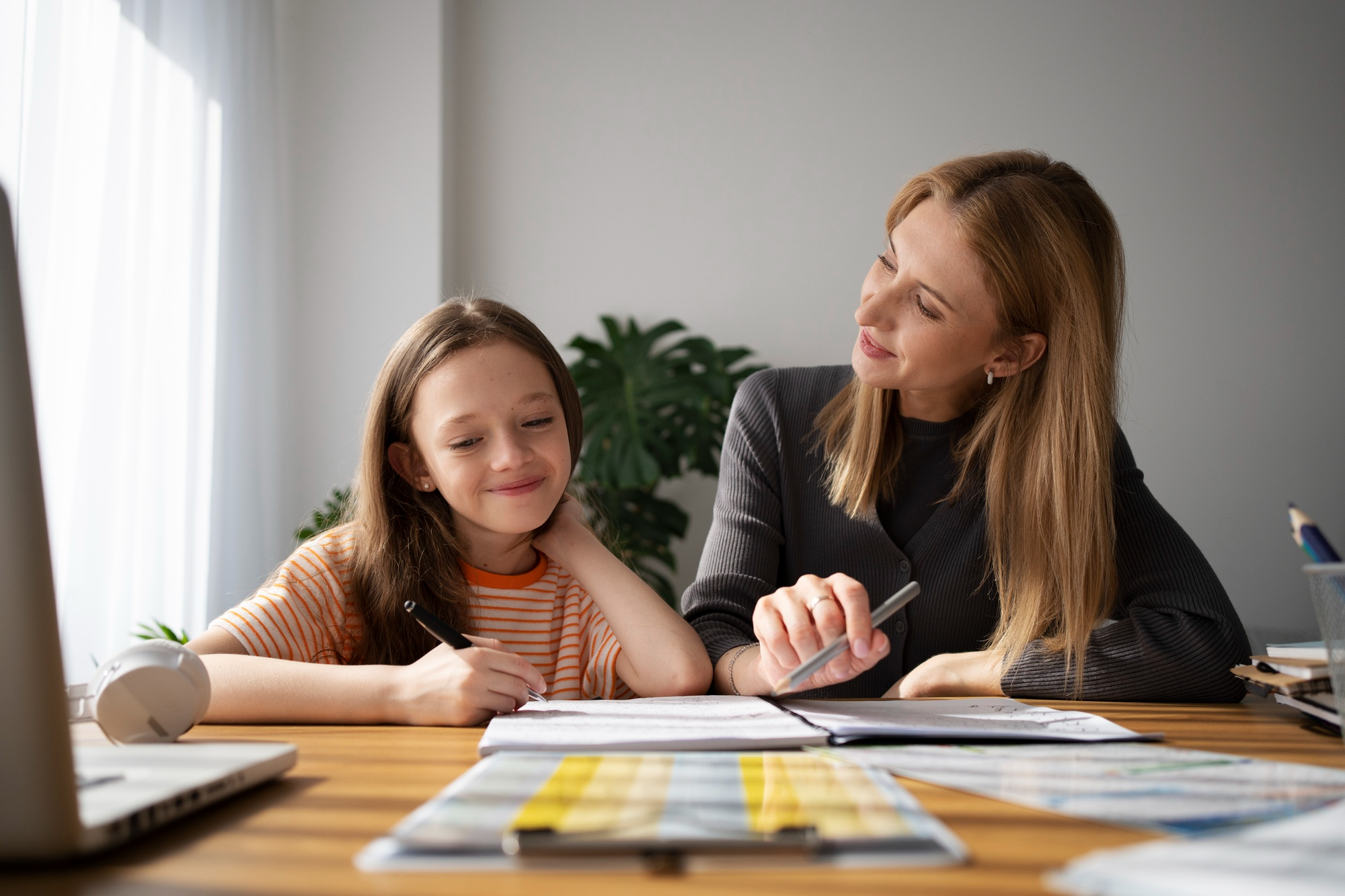


My neighbor once panicked because her five-year-old wasn't reading yet. Her friend's kid had started at four.
She thought something was wrong. It wasn't. I've heard this kind of worry so many times, and I get it.
As a parent, you want to know exactly when do kids learn to read so you don't miss anything.
Every child learns at their own pace, and that's completely normal.
In this post, I'll cover the best age to start, the stages they go through, and the signs that show they're ready.
Let's get into it.
Why Parents Ask About the Best Age to Start Reading
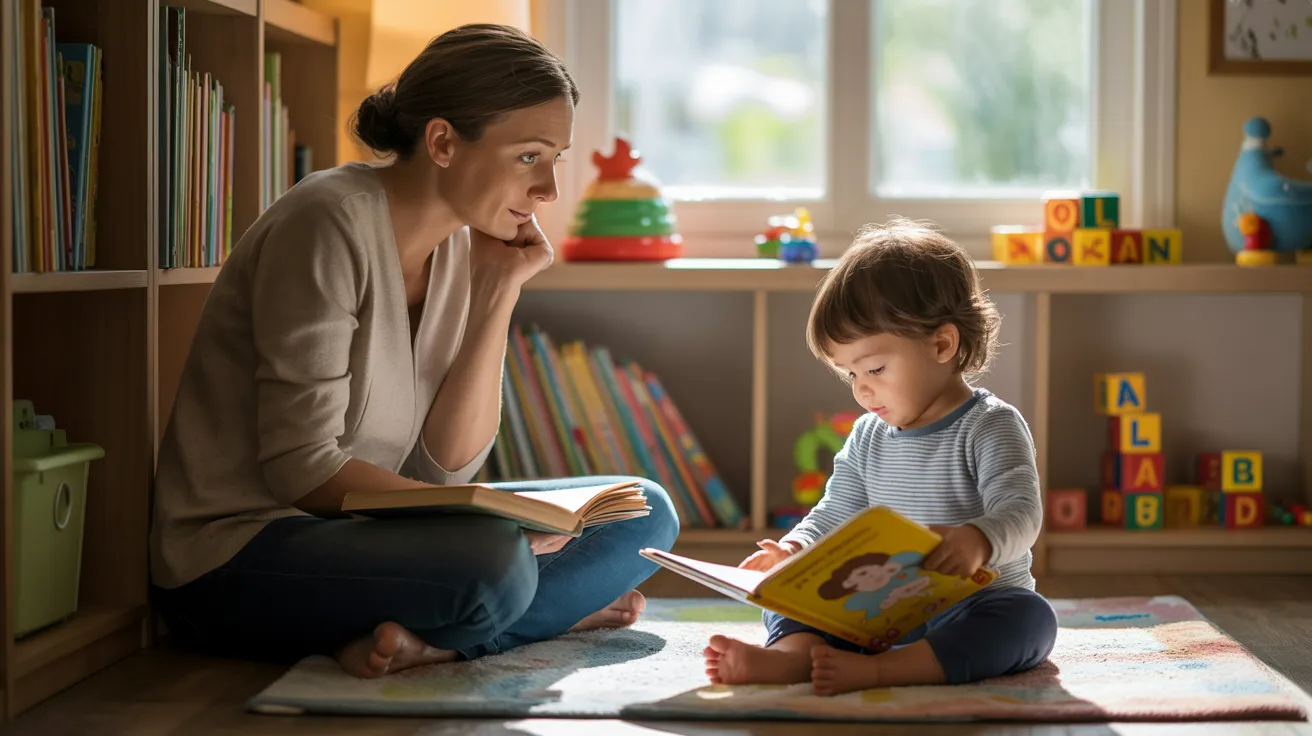
Most parents start wondering about reading early. You see another child reading and immediately compare. It's natural.
But this comparison creates real confusion. Some worry about starting too early and putting pressure on their child.
Others fear starting too late and falling behind. The bigger issue is that many parents mix up age with readiness.
A child can be five and not ready, or four and fully ready. Reading readiness is about developmental signals, not just birthdays.
Understanding this difference takes the stress out of the whole process.
What Is the Best Age for Kids to Learn to Read?
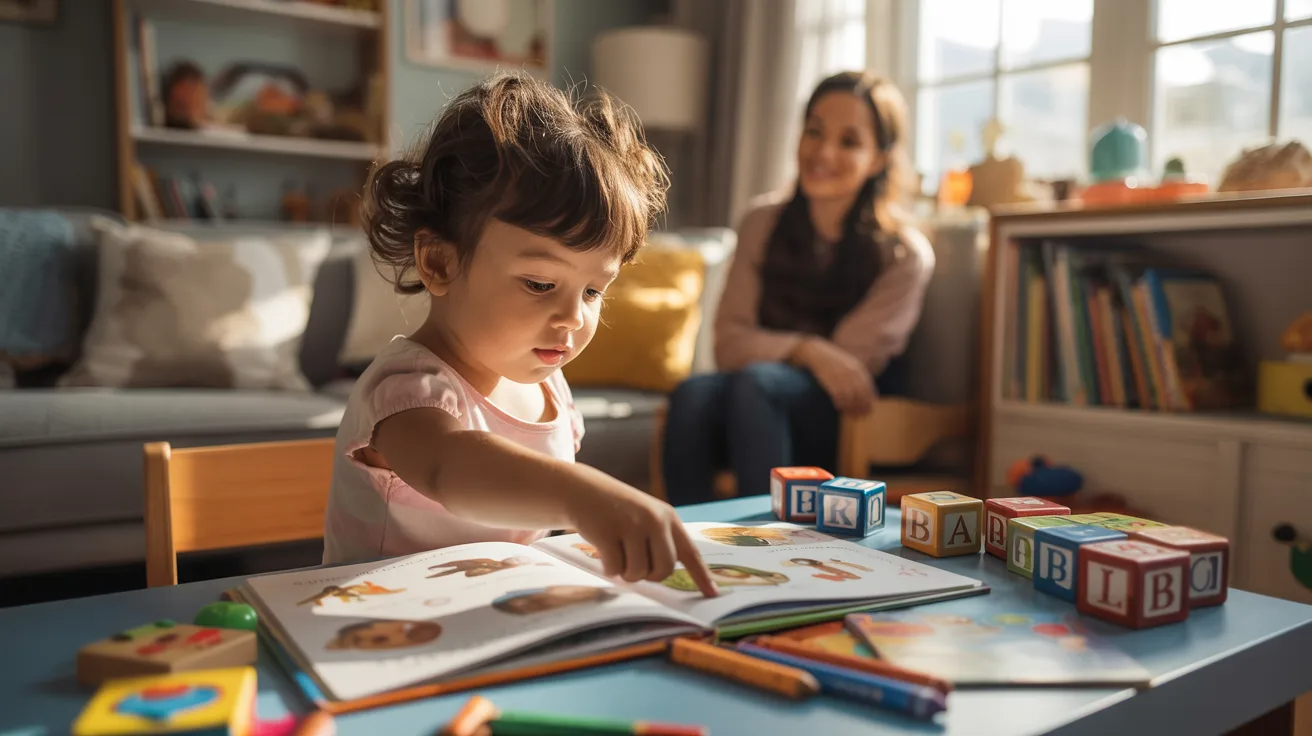
Most children begin learning to read between ages five and seven. But pre-reading skills start building much earlier than that.
Your child begins absorbing language from the moment they're born. They listen, watch, and pick up patterns long before they ever touch a book.
Age is just a rough guide. Skill readiness is what actually matters. Some kids take off at five.
Others need until seven or eight, and that's completely fine. Variation in reading timelines is normal, and it doesn't predict how smart a child will be.
Developmental Stages When Kids Learn to Read
Reading doesn't happen overnight. It builds slowly through clear stages.
Early Development Stage (0 to 3 Years)
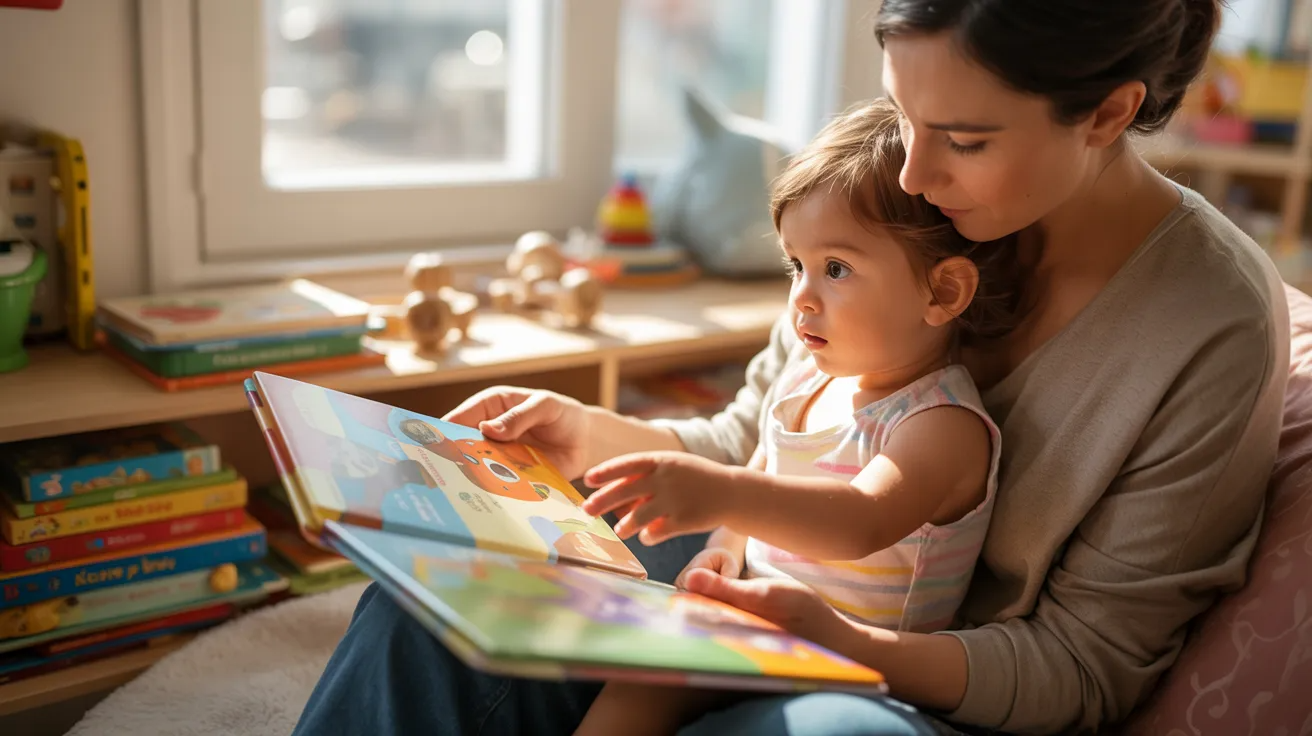
This stage is all about listening and talking. Your child is building the language base they'll need later.
Reading to them every day, even as babies, matters more than most parents realize. They absorb sounds, rhythms, and words without any formal teaching.
The more language they hear now, the stronger their reading foundation becomes later. Simple exposure goes a long way at this stage.
Pre-Reading Stage ( 3 to 5 Years)
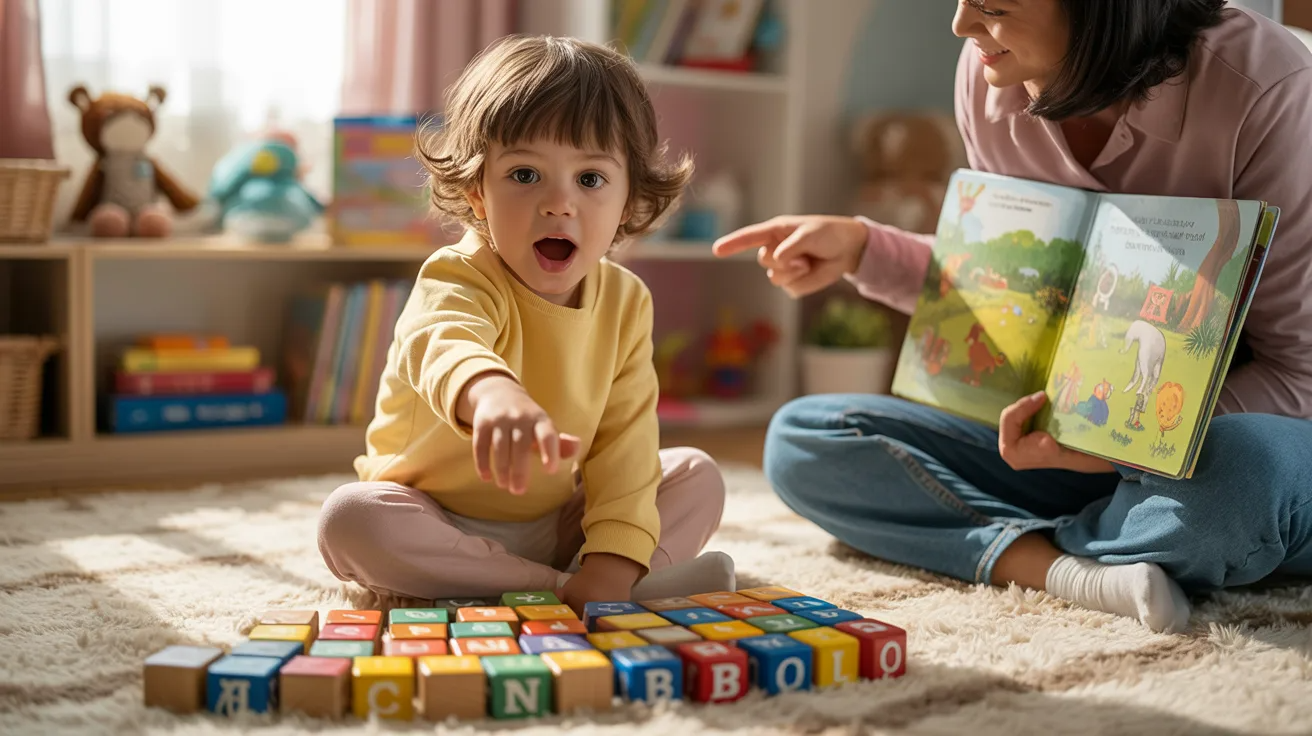
This is when children start noticing letters and sounds. They begin to recognize patterns, enjoy rhymes, and pick out simple words they see often.
You'll notice them pointing at signs or asking what words say. This is a big sign that their brain is getting ready to read.
Don't push formal reading lessons yet. Focus on keeping it fun, light, and playful. Songs, rhymes, and alphabet games work really well here.
Beginning Reading Stage (5 to 7 Years)
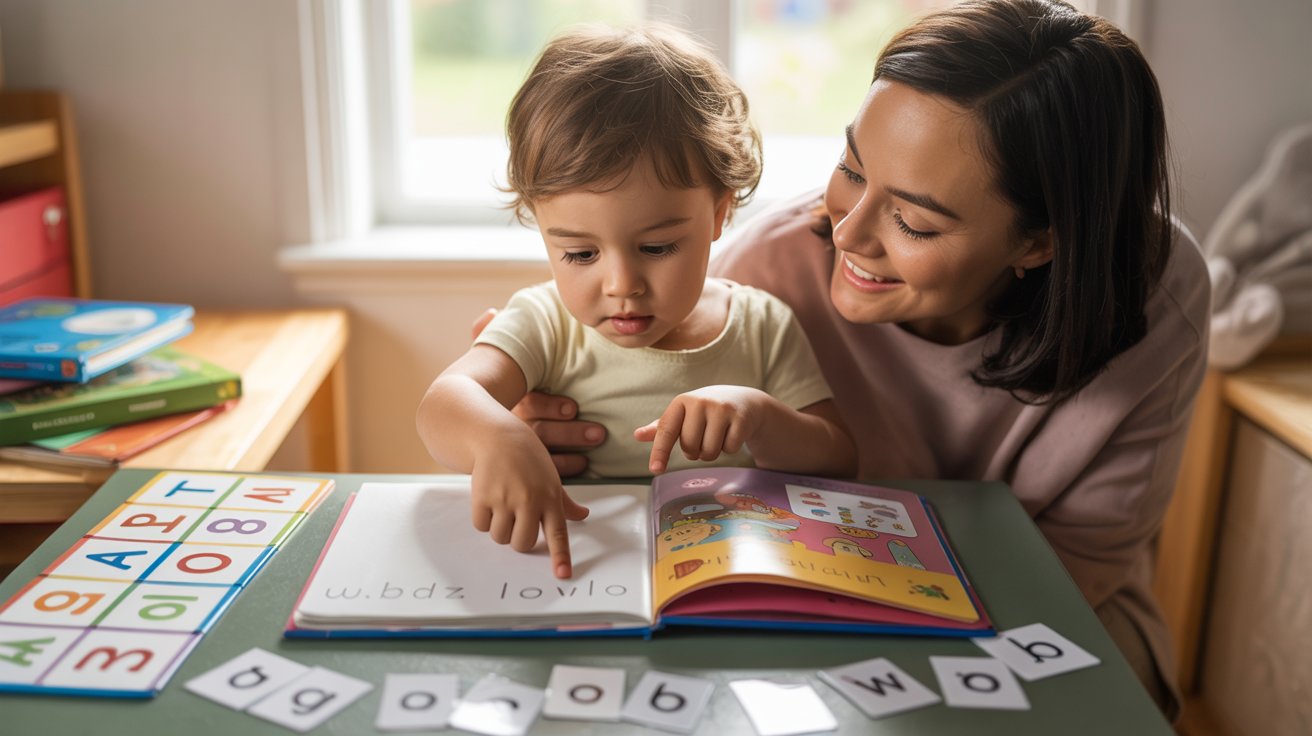
This is where real reading begins. Children start learning phonics, which means connecting letters to sounds.
They sound out simple words and begin reading short sentences. It's slow at first and that's okay. Patience matters more than speed at this stage.
Short, simple books with pictures help a lot. Celebrate every word they get right. Confidence at this stage shapes how much they enjoy reading later in life.
Independent Reading Stage (7+Years)
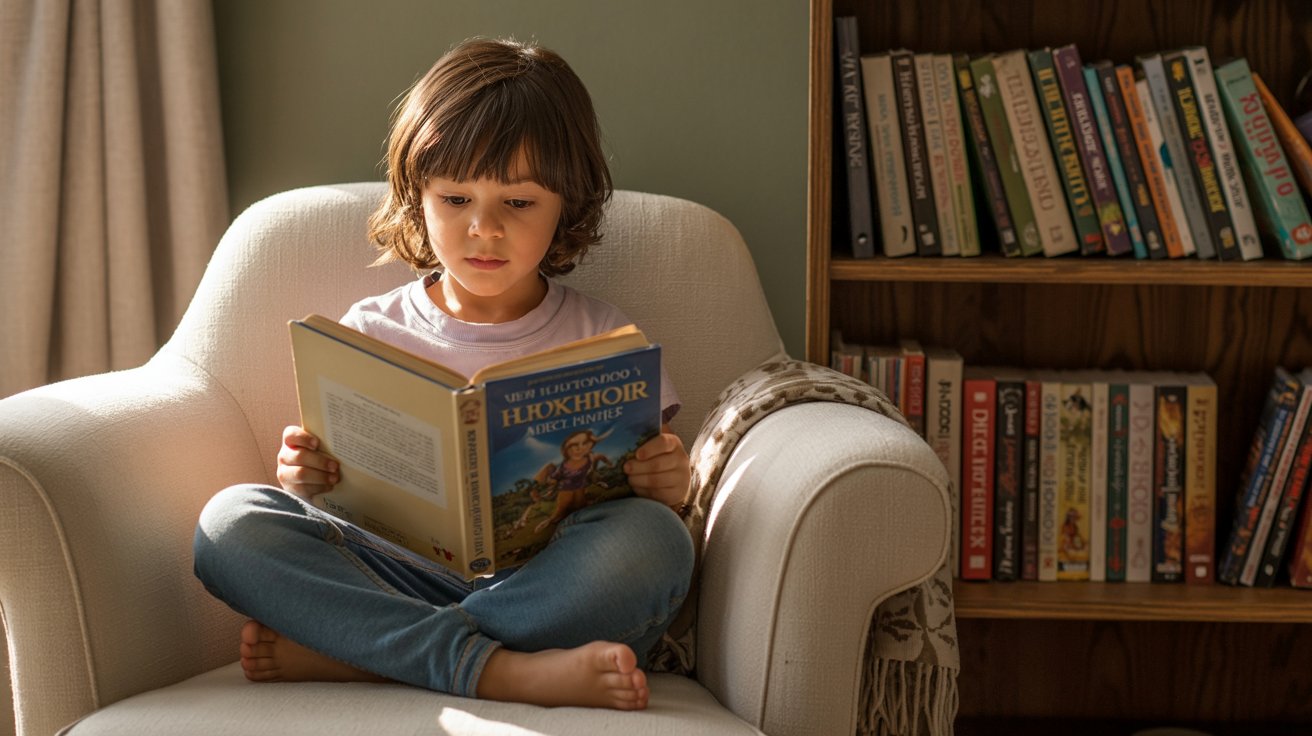
By this stage, most children can read on their own with growing fluency. They understand what they're reading, not just the words on the page.
They start choosing books they like and reading for fun. This is when reading becomes a real skill, not just a lesson.
Keep encouraging them by giving them access to books they actually enjoy. The goal now is building the habit, not just the ability.
Best Methods to Teach Reading at the Right Stage
The right method at the right time makes all the difference.
Phonics-Based Learning
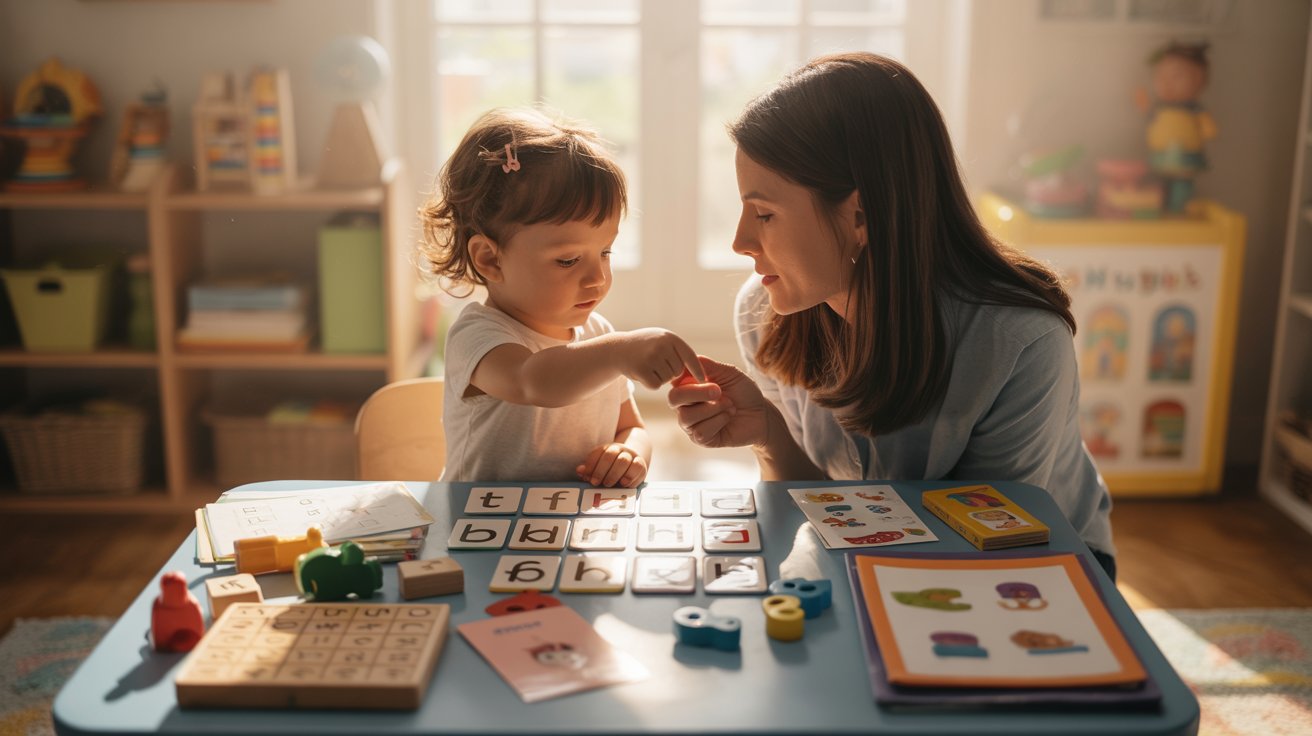
Phonics teaches children to connect letters with their sounds. It's one of the most proven ways to build reading skills early.
Start with simple sounds before moving to full words. Short daily practice sessions work better than long, occasional ones.
Apps, flashcards, and simple worksheets all support phonics well. Keep sessions short and positive so your child stays interested and doesn't feel pressured.
Practice Through Simple Books
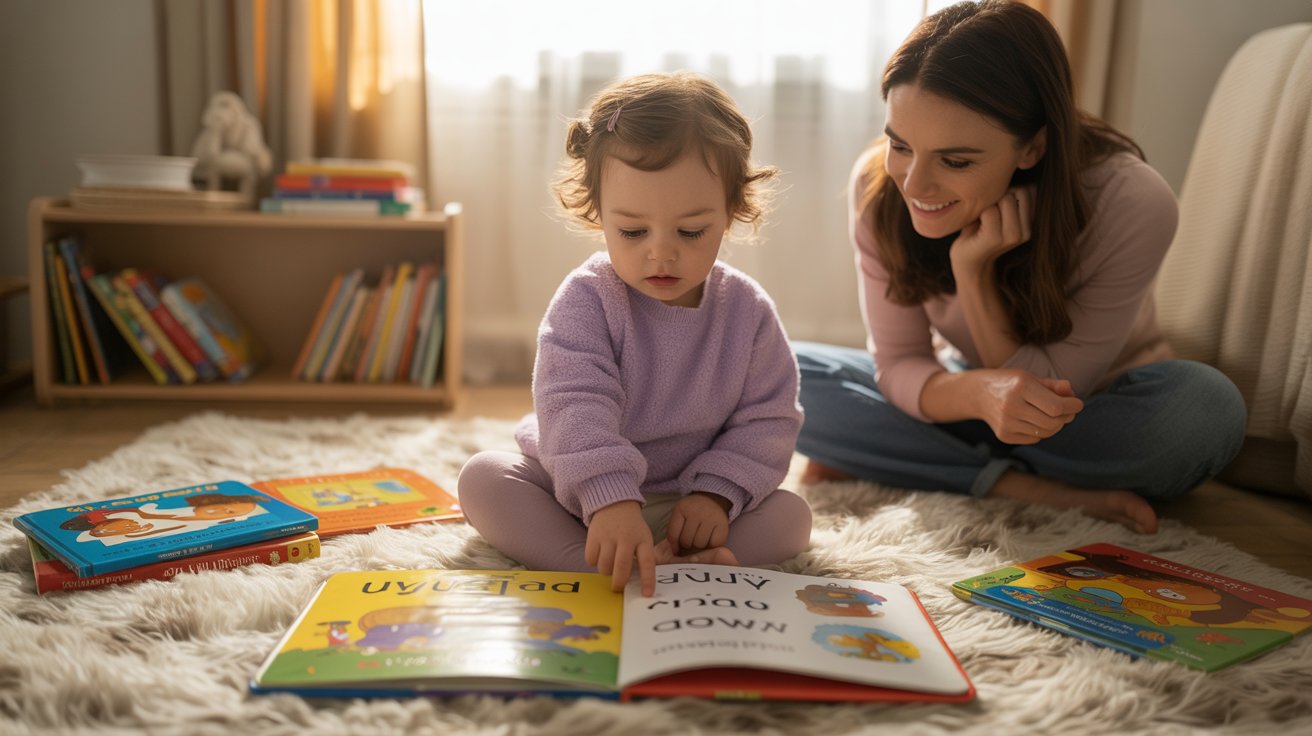
Once your child starts recognizing words, give them books that match their level. Starting too hard kills confidence fast.
Look for books with large text, simple words, and lots of pictures. Reading the same book multiple times is actually a great strategy.
Repetition builds speed and confidence. Let them pick books they like too. A child who chooses their own book is more likely to read it willingly.
Learning Through Play and Interaction
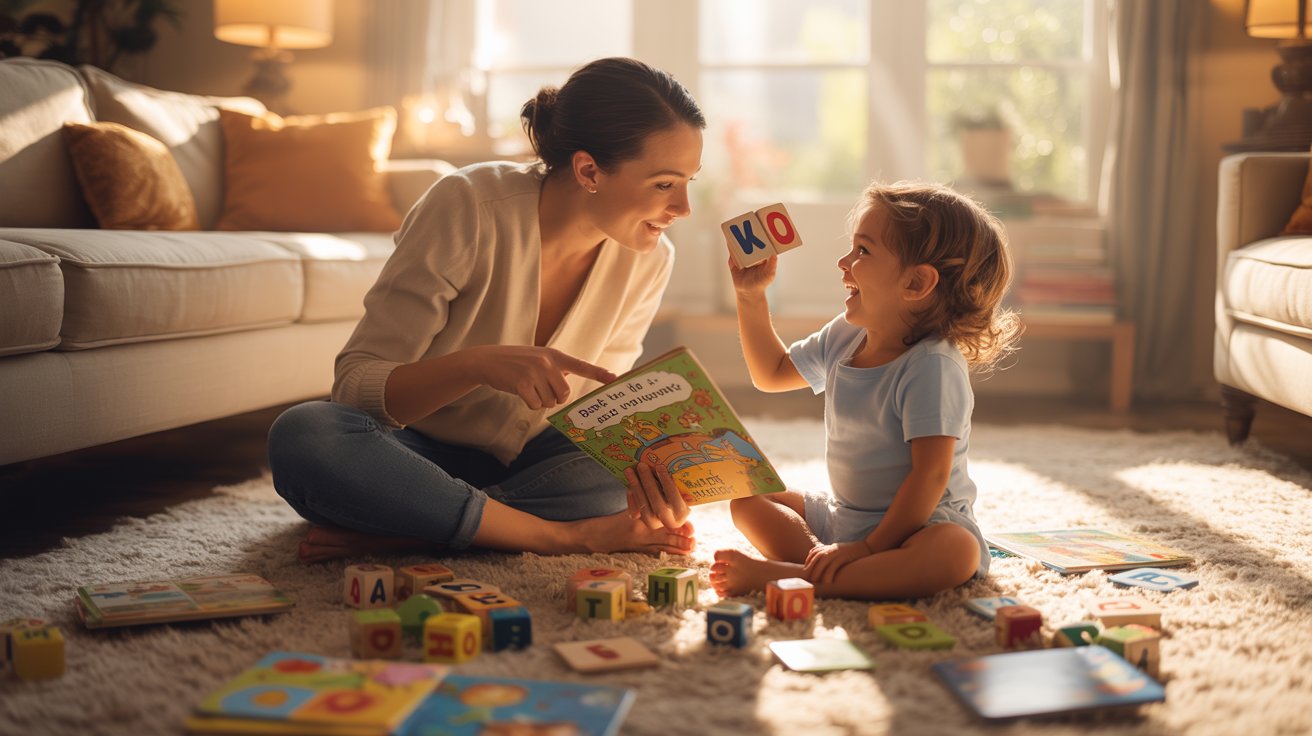
Play is one of the best ways young children learn. Word games, storytelling, and sing-alongs all build reading skills without feeling like work.
When learning feels like fun, children stay with it longer. Try spelling games at the dinner table or making up silly rhymes together.
Repetition through play sticks better than drills. Keep the mood light and the pressure low, especially in the early stages.
Signs a Child Is Ready to Start Learning to Read
Not every child gives obvious signals, but most show a few clear signs.
- Shows interest in books: Your child asks to be read too often and sits through stories without losing interest.
- Recognizes letters and sounds: They can point out letters they know or say what sound a letter makes.
- Understands how books work: They know to turn pages one by one and follow words from left to right.
- Enjoys rhymes and word play: Children who love rhymes are already tuning into sound patterns.
- Tries to "read" on their own: Even making up words while looking at pictures shows they understand what reading is for.
If your child is showing these signs, they're likely ready to start. If not, give it a little more time.
Conclusion
Every child gets there in their own time. I've seen kids read at four and others at eight, and both turned out to be strong readers.
Don't let comparison steal your confidence as a parent. Watch your child, follow their signals, and keep reading part of your daily routine.
Found this helpful? Drop a comment below and tell me where your child is in their reading journey.
Share this with a parent who needs it right now.
Frequently Asked Questions
At what age should a child start reading?
Most children begin reading between ages five and seven, but readiness matters more than age.
Is it too late if my seven-year-old isn't reading yet?
No, some children develop reading skills closer to seven or eight, which is completely normal.
How can I help my child learn to read at home?
Read to them daily and use simple phonics, games, and rhymes to build their skills.
Should I be worried if my child shows no interest in books?
Not immediately. Keep books accessible and read together often. Interest grows with time.
What is the most effective way to teach a child to read?
Phonics-based learning combined with simple books and daily reading practice works best.