

I’ve read The Outsiders five times, and here’s what still blows my mind: a 16-year-old girl wrote one of the most honest books about class war and teen survival ever published.
Why does this book from 1967 still make grown adults cry? That’s what I want to show you in this the outsiders book review.
I’m breaking down the real reasons this story hits so hard. You’ll get the Outsiders book review summary you need, plus the themes and character insights that make it worth reading today.
Whether you’re prepping for the Outsiders book review essay or just curious what the hype is about, let’s figure out if this classic lives up to its reputation.
Overview of the Book

The Outsiders follows Ponyboy Curtis, a 14-year-old greaser living in 1960s Oklahoma.
He’s caught between two rival groups: the working-class greasers and the wealthy Socs (short for Socials).
The story kicks off when Ponyboy and his friend Johnny get jumped by Socs. Things go wrong. Johnny kills a Soc in self-defense.
What follows is a story about loyalty, survival, and trying to find your place when society has already written you off. The boys go on the run. Lives change forever.
S.E. Hinton wrote this when she was just 16. That raw teenage perspective comes through on every page. The core themes hit on class conflict, friendship that feels like family, and what it means to grow up fast.
Character Analysis
Hinton’s characters feel real because they’re contradictions, tough but vulnerable, loyal but reckless.
Each greaser represents a different response to poverty and violence, while the Socs show how privilege creates its own emptiness.
Ponyboy Curtis: The Observer Learning to See
Ponyboy serves as our narrator and the most introspective greaser. He loves books and sunsets, things that set him apart from stereotypes. His journey involves reconciling his sensitive nature with the tough image expected of him.
He processes trauma through storytelling, showing that intelligence and sensitivity aren’t weaknesses even in violent circumstances.
Johnny Cade: Broken but Brave
Johnny embodies what happens when home offers no safety. Abused at home and jumped by Socs, he’s the gang’s most damaged member.
His killing of Bob is desperation from someone cornered too many times. His final heroic act at the church reveals courage buried beneath fear, proving past trauma doesn’t define your capacity for goodness.
Dallas Winston: Hardened Beyond Repair
Dally represents what Ponyboy could become if he stops caring. He’s done jail time and lost faith in anything soft or kind.
His love for Johnny is the only crack in his armor, and when Johnny dies, that crack destroys him. Dally shows how violence can calcify someone until self-destruction feels inevitable.
Sodapop Curtis: The Peacemaker
Sodapop provides lightness in a dark story. He bridges Ponyboy’s sensitivity and Darry’s harshness, keeping the family intact.
But even the “easy” brother carries pain, his girlfriend leaving, feeling caught between his brothers. He reminds us that being the peacemaker doesn’t mean you’re not struggling.
Key Insights from the Book
This the outsiders book review reveals how class divides create violence that destroys everyone involved. Hinton doesn’t pick sides. She shows how the system fails both rich and poor kids.
- Class warfare damages both sides, not just the underprivileged
- Family matters more than blood when your home life falls apart
- Violence perpetuates itself in cycles that trap everyone involved
- Identity formation happens through conflict and choosing who you want to be
- Empathy across social lines is possible, but requires seeing past stereotypes
- Growing up means losing innocence, often through traumatic experiences
- Literature and art offer escape from harsh realities
These insights feel timeless. The specific details change, but the core struggles remain relevant.
Strengths of the Book
The voice is what makes this work. Ponyboy sounds like a real 14-year-old trying to make sense of chaos. His observations feel genuine, not manufactured.
Hinton creates characters who feel three-dimensional despite the short page count. Dallas, Johnny, and Sodapop, they all have depth. You understand their choices even when they’re destructive.
The pacing moves fast. At under 200 pages, nothing drags. Every scene serves the story and character development.
The emotional gut punches land because Hinton earns them. She doesn’t manipulate. She just shows you what happens when kids have to survive in a system that doesn’t care about them.
Criticisms & Limitations
The Outsiders has stood the test of time, but it’s not flawless. Some elements show their age.
- The 1960s slang feels dated and can pull you out of the story
- Female characters barely exist and serve mainly as background
- Some plot points feel rushed, especially near the end
- The idealization of certain characters borders on unrealistic
- Class dynamics are simplified compared to real-world complexity
- Racial diversity is completely absent from the narrative
These limitations matter. They don’t erase the book’s value, but they’re worth acknowledging in any honest review.
Notable Reviews & Ratings
The Outsiders maintains a 4.1 rating on Goodreads. That’s impressive for a book assigned in schools, where forced reading often tanks ratings.
Amazon reviews average around 4.7 stars. Readers consistently praise its emotional impact and timeless themes. Many adults report rereading it and finding new meaning.
Professional critics initially dismissed it as teen fiction. Over time, they recognized its literary merit. The New York Times later called it a defining work of young adult literature.
Common reader complaints focus on outdated language and thin female representation. But most agree the core story transcends these issues.
Movie Adaptation
Francis Ford Coppola directed the 1983 film adaptation. It launched the careers of actors like Tom Cruise, Patrick Swayze, and Matt Dillon.
The movie stays fairly faithful to the book’s plot. It captures the visual grittiness and emotional weight Hinton created on the page.
Some readers prefer the film for its pacing. Others feel it loses the intimacy of Ponyboy’s internal voice. The book gives you his thoughts directly.
The movie introduced the story to new audiences who might not pick up the book. Both versions have their strengths, but they offer different experiences.
Personal Thoughts
Reading this, the outsiders book review wouldn’t be complete without my honest verdict. This book shaped how I think about class and empathy.
Hinton’s ability to show humanity in everyone, regardless of their background, stuck with me. Nobody is just their circumstances. That lesson matters now more than ever.
I’m giving this 4.5 out of 5 stars. It loses half a star for dated elements and thin female characters. But the emotional core and social commentary earn those stars.
If you’ve never read it, do. If you read it young, try again as an adult. You’ll see different layers.
About the Author
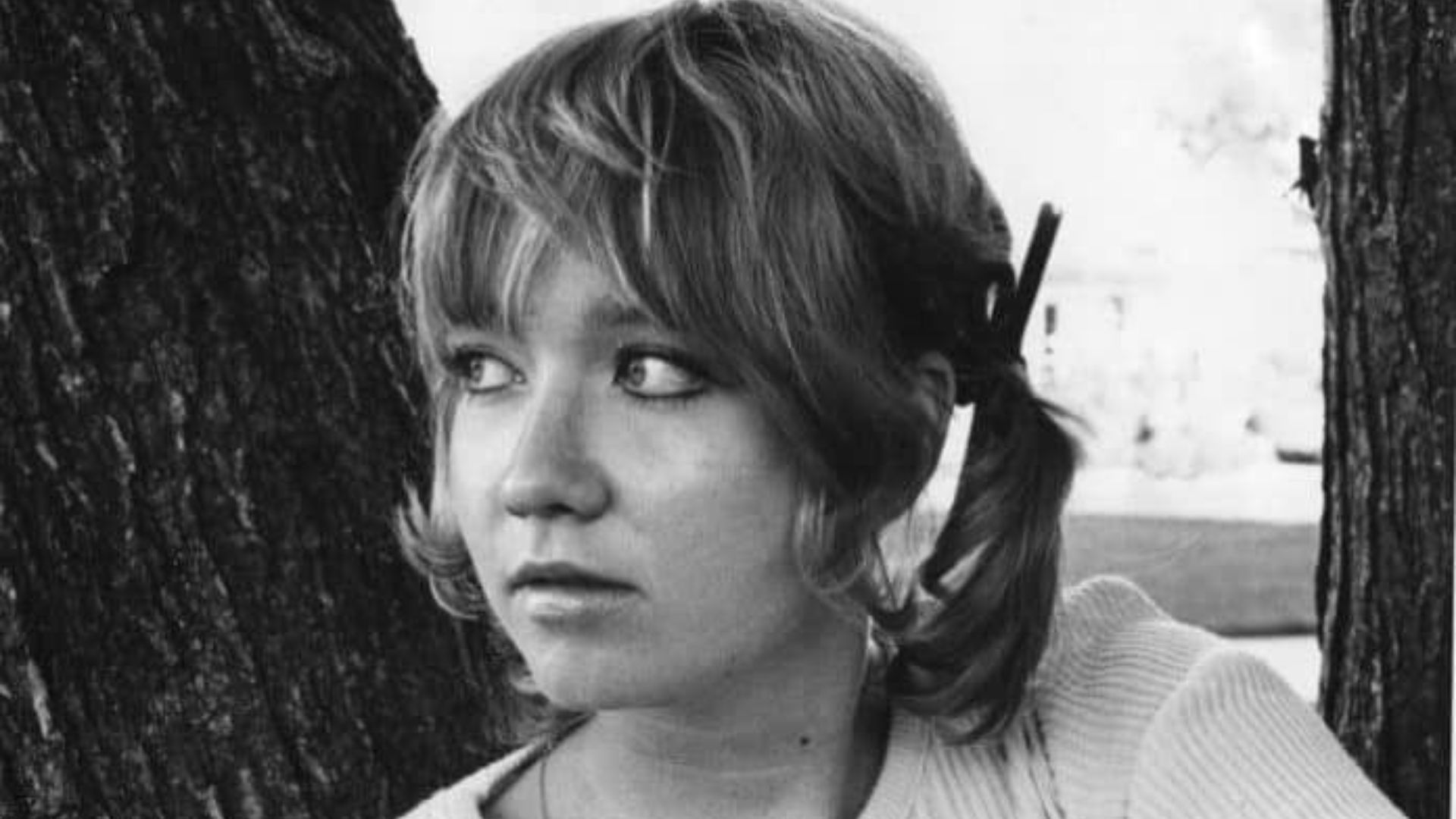
S.E. Hinton wrote The Outsiders at 16 and published it at 18. She was frustrated by the lack of realistic teen fiction available.
Her writing style is direct and unpolished in the best way. She doesn’t pretty up the violence or poverty. She shows it as it is.
The Outsiders launched young adult literature as we know it. Before this, teen books were mostly wholesome stories that ignored real issues.
Hinton wrote other books, including That Was Then, This Is Now and Rumble Fish. But The Outsiders remains her most famous and influential work.
Conclusion
Here’s my challenge to you: grab a copy and read it this week. I promise those 192 pages will fly by faster than you expect.
Once you finish, come back and tell me which character hit you hardest. Was it Johnny’s courage? Dally’s pain? I’m genuinely curious about your take.
If you’re working on the outsiders book review essay or just want to discuss the book, drop your thoughts in the comments. Let’s talk about why this story still gets under our skin.
Ready to start reading? Your local library probably has multiple copies. And if this the outsiders book review helped you decide, share it with a friend who needs a good book recommendation.
Frequently Asked Questions
What is The Outsiders mainly about?
It’s about class conflict between rich and poor teenagers in 1960s Oklahoma, told through Ponyboy Curtis’s eyes. The deeper theme is about empathy, loyalty, and how social divisions hurt everyone involved.
Is The Outsiders a good book for adults or only for students?
Adults absolutely enjoy this book, especially on rereads after first encountering it in school. The themes of social inequality and violence resonate even more deeply with age and experience.
Why is The Outsiders considered a classic?
It revolutionized young adult literature by treating teen issues seriously and honestly without talking down to readers. Its emotional authenticity and timeless themes about social divisions keep it relevant across generations.
How long does it take to read The Outsiders?
Most readers finish it in 3-4 hours, though many people read it in one sitting. At 192 pages with simple prose, it’s a quick read despite heavy themes.
Is this review suitable for a The Outsiders book review essay?
Yes, this analysis covers key elements like themes, character development, writing style, and cultural impact that work perfectly for the outsiders book review essay assignments. Use the sections on social conflict and character analysis as starting points for deeper academic discussion.