


I’ve read hundreds of novels about love and war, but I didn’t expect a story narrated by a tree to break my heart and The Island of Missing Trees did exactly that.
This summary and review covers everything you need to know about Elif Shafak’s powerful story, from plot details to major themes, character analysis, and why readers worldwide can’t stop talking about it.
I’ll help you decide if this book deserves a spot on your reading list.
You’ll get a spoiler-free overview, honest ratings from Goodreads and Amazon, and my personal thoughts after finishing it.
After reviewing literary fiction for years, I can tell you this novel stays with you long after the last page.
Let’s get into what makes this story so memorable.
Quick Book Overview
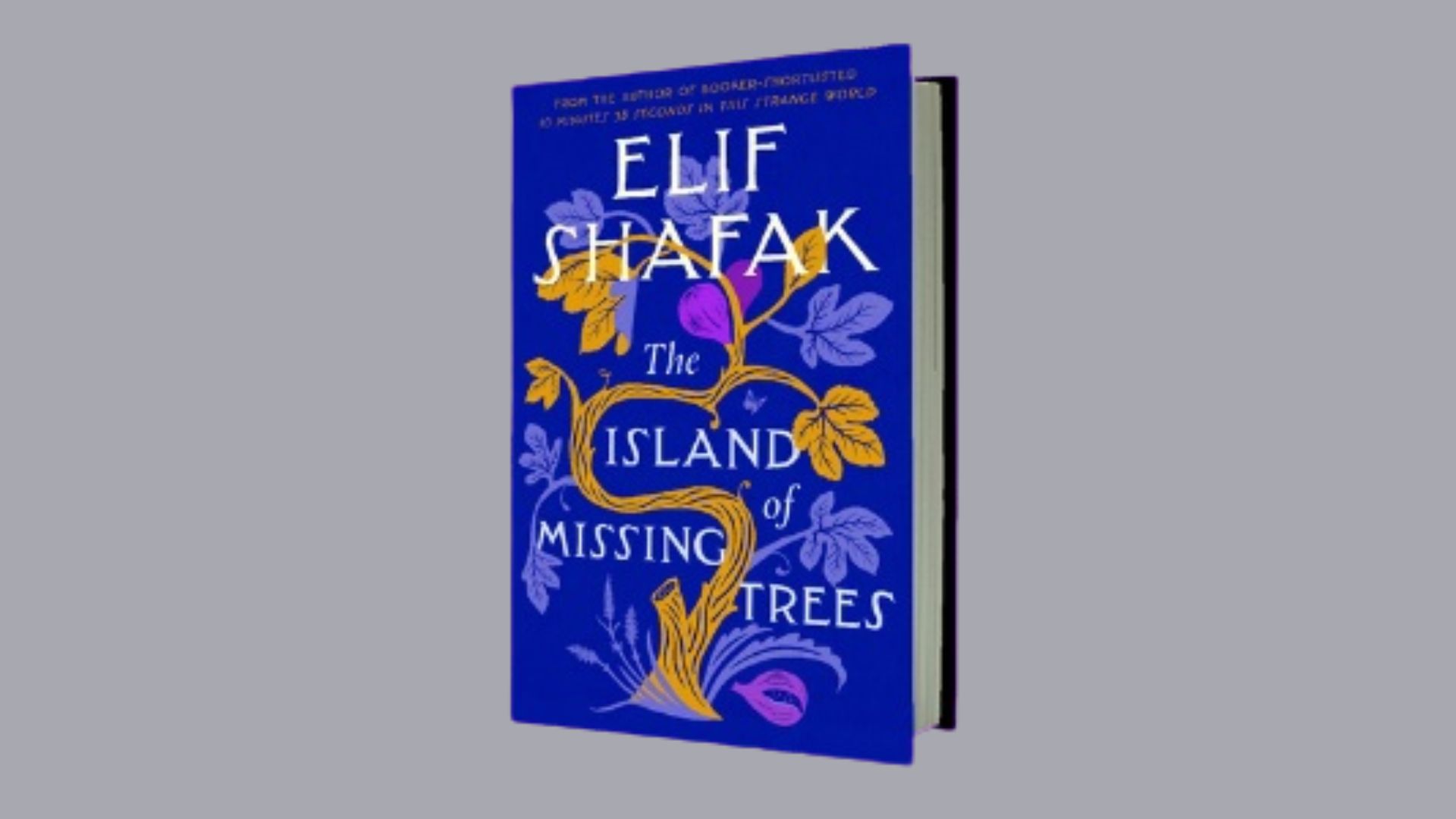
The Island of Missing Trees is a literary historical fiction novel by Elif Shafak, published in 2021.
The story unfolds across two settings: Cyprus during the violent conflict of the 1970s, and London, where a family deals with the lasting scars of war.
The book blends historical events with poetic storytelling and magical realism.
Here’s whatmakes it different: a fig tree narrates parts of the story, witnessing love, loss, and survival across decades.
This isn’t a fast-paced thriller. The novel builds its emotional power through memory, symbolism, and generational pain. It’s haunting, lyrical, and deeply moving.
Plot Summary (Spoiler-Free)
The story follows Defne and Kostas, two teenagers who fall in love in Cyprus. But there’s a problem. They belong to opposite communities divided by violence and hate.
As the island becomes more dangerous, their love must stay hidden. The world around them crumbles. War changes everything.
Years later, we meet their daughter Ada in London. She’s struggling with identity, family secrets, and the emotional weight of a past she doesn’t fully understand.
The novel shifts between past and present. Through poetic narration, it shows how war doesn’t just destroy lives in the moment. It echoes through families for generations.
Major Themes Showed in The Island of Missing Trees
The novel captured emotional and historical themes that give the story its depth and meaning.
1. Forbidden Love and Division
The book centers on love that exists in the wrong place at the wrong time. Defne and Kostas represent two communities separated by fear and hatred.
Their relationship is both tender and tragic.
2. War, Violence, and Political Conflict
The Cyprus conflict shapes every part of the story. War turns normal streets into dangerous spaces.
The novel shows how quickly ordinary life can become unbearable when violence takes over.
3. Displacement and Identity
The story captures what it feels like to leave your home behind and carry your past like a shadow.
Ada’s struggle in London reflects many immigrant children who feel caught between two worlds.
4. Generational Trauma and Silence
One of the strongest themes is how pain gets passed down when it’s never spoken about. The characters carry grief quietly.
The emotional consequences appear in unexpected ways across generations.
5. Nature, Memory, and Survival
The fig tree is not just a symbol. It’s a living witness. The novel suggests that nature remembers everything, even when humans try to forget what happened.
Main Characters & Emotional Depth
The characters in The Island of Missing Trees are driven by memory, grief, and love. They feel deeply human and real.
1. Define: Strong, Emotional, and Scarred by Loss
Defne is passionate and brave, but shaped by the pain of war. Her emotional complexity makes her one of the most powerful parts of the novel. You feel her struggle on every page.
2. Kostas: Quiet Love and Hidden Grief
Kostas is calmer and more reserved, but his silence carries heavy meaning. His character represents the kind of trauma that stays buried for years, affecting everything he does.
3. Ada: A Girl Searching for Her Roots
Ada’s character brings the story into the present. She struggles with confusion, loneliness, and unanswered questions.
Her search for truth makes her relatable for many readers dealing with family secrets.
4. The Fig Tree: A Symbolic Narrator
The fig tree is one of the most unforgettable narrators in the book. Its voice adds a magical, poetic layer while making the story feel timeless and connected to nature.
Writing Style & Narrative Technique
Elif Shafak writes with a lyrical and emotional style that feels almost like reading poetry. The novel shifts between timelines, blending past and present to show how memories shape identity.
The storytelling is reflective rather than action-heavy. But it builds emotional tension in powerful ways.
The magical realism element, especially through the fig tree narrator, gives the novel a voice that sets it apart from typical historical fiction.
The writing feels intimate, thoughtful, and haunting. You experience the characters’ pain firsthand.
Reader Ratings & Reception
Ratings and reviews show why this book continues to receive widespread praise from readers.
Goodreads Rating:4.2 out of 5 stars Readers praise the emotional writing, the special narration style, and the heartbreaking themes of war and identity.
Amazon Reviews: 4.5/5 stars on Amazon .Many reviewers call it unforgettable, well-written, and deeply moving.
Most readers love the poetic storytelling and powerful themes. Some mention the pacing feels slow in certain reflective sections. But the emotional impact makes up for it.
Why Readers Love It
Charlie’s authentic voice and emotional depth shine, but the slow pacing and heavy themes won’t work for everyone.
Strengths
Charlie’s voice feels real and raw, capturing hurt and hope of abandonment. The friendship with Howard feels earned.
It handles incarceration and foster care with honest care. Aunt Bertha and Uncle Gus have flaws. Simple but powerful.
Criticisms & Limitations
The pacing is slow and readers wanting action might get bored. Some beats feel predictable. The ending wraps up too quickly.
Heavy themes may be tough for younger readers. Not enough scenes with Charlie’s mom. Too sad for some.
My Personal Opinion After Reading This Book
The Island of Missing Trees is a quiet emotional storm – both intimate and political. It shows love existing when the world collapses and trauma living in families long after war.
The fig tree narration feels unusual but becomes memorable. Slow-burn with powerful emotional payoff that lingers.
Who Should Read This Book:
- Readers who love emotional historical fiction
- Fans of literary novels with poetic writing
- Those interested in stories about war, identity, and migration
- Readers who enjoy symbolic storytelling and magical realism
- Book club readers looking for a meaningful discussion-worthy novel
If you want a story that makes you think and feel deeply, pick this one up.
About The Author

Elif Shafak is a bestselling Turkish-British author known for writing emotionally rich novels. Her work examines identity, culture, belonging, and political conflict.
She’s celebrated for blending history with lyrical storytelling. Her books often focus on themes like displacement, memory, and human connection across borders and generations.
Some of her other popular books include The Forty Rules of Love and 10 Minutes 38 Seconds in This Strange World.
Her writing is widely praised for being both thought-provoking and deeply emotional.
Shafak has won numerous awards and her books have been translated into more than 50 languages. She’s also a vocal advocate for freedom of expression and women’s rights.
Conclusion
I finished this book feeling moved and reflective.
Is it worth your time? Yes, absolutely read it.
This novel made me think about how love survives even in impossible circumstances. I caught myself thinking about Defne, Kostas, and Ada for days after finishing.
The fig tree’s voice still echoes in my mind. That’s the mark of a powerful story.
Have you read The Island of Missing Trees? What did you think? Drop a comment below.
Frequently Asked Questions
What is The Island of Missing Trees about?
Forbidden love during the Cyprus conflict and war trauma’s impact on future generations, told through a fig tree narrator.
Is The Island of Missing Trees based on a true story?
Fiction based on the real 1970s Cyprus conflict.
Is The Island of Missing Trees hard to read?
No. Accessible and poetic, though pacing is slow and reflective.
Why does the fig tree narrate parts of the story?
It symbolizes memory, resilience, and connects past and present.
Is The Island of Missing Trees appropriate for book clubs?
Yes, it’s perfect for book clubs because it raises powerful discussion topics about war, identity, love, and generational trauma.