

I stayed up until 3 AM reading The Family Upstairs. Then I couldn’t sleep.
What would you do if you inherited a house where three people died mysteriously? Would you walk in? Would you dig for answers?
Lisa Jewell created something that refuses to leave your mind. This Lisa Jewell family upstairs summary covers everything from spoiler-free basics to a full family upstairs summary by chapters.
I’m breaking down the twisted timeline, the disturbing characters, and why this thriller hits different.
Warning: once you start, you won’t stop. Ready?
Overview of the Book
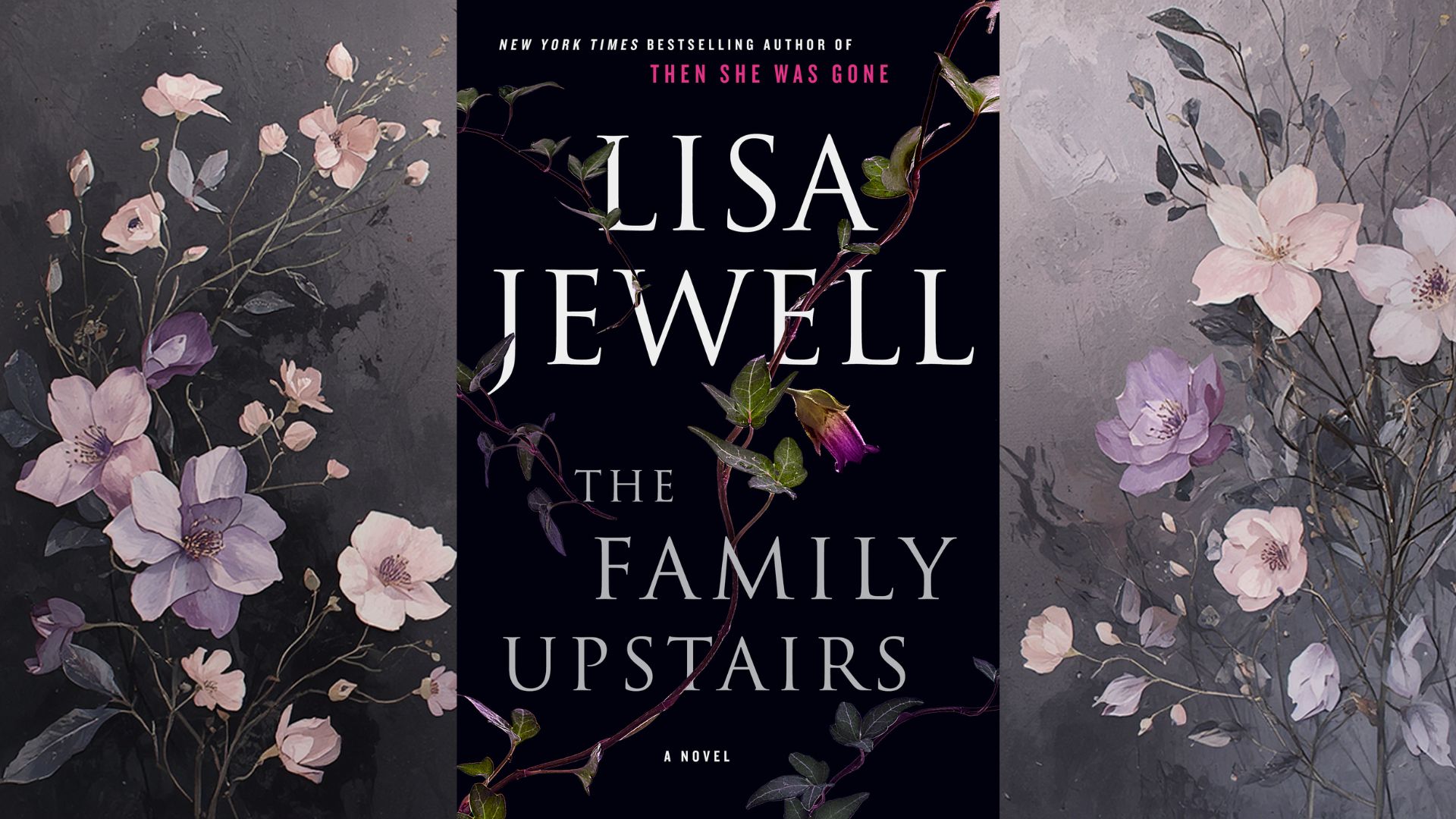
Lisa Jewell is known for psychological thrillers that mess with your head. The Family Upstairs is no exception. It’s dark, twisted, and pulls you into a world you can’t look away from.
The story starts with Libby inheriting a mansion in London on her 25th birthday. Sounds great, right? Except this house has a bloody history.
Twenty-five years ago, three bodies were found there. A baby was left crying upstairs. That baby was Libby.
The book follows three main voices: Libby analysed her past, Lucy hid from hers, and Henry ran from his. Their stories weave together across two timelines, past and present.
Character Analysis
Jewell creates characters shaped by trauma who’ve learned to hide, manipulate, or control as survival strategies.
Nobody emerges unscathed from the mansion’s history. Each perspective reveals a different way people cope when childhood safety becomes a nightmare.
Libby Jones: The Innocent Inheritor
Libby grew up adopted, knowing nothing about her biological family or the mansion’s dark past. She represents normalcy walking into chaos. Her journey involves piecing together a history she can’t remember but somehow shaped her entire existence.
As she uncovers the truth, she must decide whether blood ties matter when those ties are soaked in trauma and manipulation.
Lucy: The Survivor in Hiding
Lucy escaped the mansion but can’t escape what happened inside it. She’s living in France with her children, constantly looking over her shoulder.
Her chapters reveal someone who survived by staying small and quiet, never quite believing she’s safe. She embodies how childhood trauma follows you across borders and decades, shaping every decision you make as an adult.
Henry: The Manipulator Running from Himself
Henry is the most disturbing character because he was both victim and perpetrator. He grew up watching his family fall apart under David’s control, then became complicit in the manipulation himself.
His perspective shows how abuse cycles through generations and how people justify terrible choices when survival feels impossible. He’s charming and dangerous, making readers question whether to feel sympathy or revulsion.
David Thomsen: Evil Disguised as Enlightenment
David drives the mansion’s destruction despite limited page time. He’s a charismatic cult leader who infiltrated the family and systematically broke everyone down.
Jewell uses him to show how manipulation works, slowly, quietly, until victims don’t recognize their own prison. He represents control masked as wisdom, making the horror feel sickeningly plausible.
Key Insights from the Book
The family upstairs summary reveals how buried secrets shape who we become. Jewell doesn’t just tell a mystery. She shows how manipulation and control destroy people from the inside out.
- Family secrets create ripple effects that reach across decades and damage everyone involved
- Psychological manipulation is the real villain here, not any single person
- Trauma from childhood doesn’t just fade, it warps how people see themselves and others
- Jewell builds tension slowly, layering clues that only make sense when you step back
- The house itself becomes a character, representing both sanctuary and prison
- Power dynamics within families can be more terrifying than any external threat
These insights hit hard because they feel real. The horror isn’t supernatural. It’s human.
Strengths of the Book
The atmosphere in this book is suffocating in the best way. The mansion feels alive. You can almost smell the decay and feel the walls closing in.
Jewell creates characters who aren’t simply good or bad. They’re complicated, damaged, and morally gray in ways that feel true to life. You understand their choices even when you don’t agree with them.
The emotional impact sneaks up on you. It’s not about jump scares. It’s about that slow dread building in your stomach as pieces fall into place.
If you’re patient, the slow-burn tension pays off. Jewell doesn’t rush. She lets the story breathe and build until everything crashes together.
Criticisms & Limitations
While I appreciated many things about this book, it’s not perfect. The pacing choices won’t work for everyone.
- The slow pace drags in spots, especially if you prefer fast-moving thrillers
- Characters feel emotionally distant at times, making it hard to fully connect
- Dark themes include child abuse and manipulation that some readers will find too heavy
- The focus on extreme dysfunction means you won’t find relatable family dynamics here
- Some plot threads feel underdeveloped by the end
These issues don’t ruin the book. But they’re worth knowing before you start. This isn’t light reading.
Notable Reviews & Ratings
The Family Upstairs holds a solid 3.9 stars on Goodreads. That’s respectable for a psychological thriller that divides readers.
On Amazon, it averages around 4.2 stars across the US and international markets. Readers either love the slow build or find it frustrating. Not much middle ground.
Common praise points to Jewell’s atmospheric writing and complex plot. Critics appreciate how she handles dark material without being gratuitous.
Complaints center on pacing and character connection. Some readers wanted faster reveals. Others struggled to care about any of the characters enough to stay invested.
Personal Thoughts
This family upstairs summary wouldn’t be complete without my honest take. The book stuck with me for days after finishing.
Jewell balances suspense and character work better than most thriller writers. She doesn’t sacrifice one for the other. Both matter here.
I’m giving this 4 out of 5 stars. It loses a star for pacing issues and emotional distance. But the atmosphere and complexity earn those four stars.
If you like psychological thrillers that make you think rather than just shock you, read this. If you want fast-paced action, skip it.
About the Author: Lisa Jewell

Lisa Jewell started writing romance novels in the late 1990s. She’s since become one of the biggest names in psychological thrillers.
Her writing style focuses on layered plots and damaged characters. She excels at creating tension without relying on cheap tricks or gore.
The Family Upstairs stands out in her catalog because of its historical depth. Most of her thrillers stay in the present. This one spans decades.
She’s written over 20 novels. Her recent work includes Then She Was Gone and The Night She Disappeared, both bestsellers.
Conclusion
This book messed me up in the best way possible. The family upstairs summary I’ve shared barely scratches the surface of how it feels to read.
Here’s my challenge: read it in one sitting if you dare. Then come back and tell me which character disturbed you most. Was it David? Birdie? Or someone else entirely?
Drop your hottest take in the comments. Let’s debate the ending. Did justice actually happen?
And if this review helped you decide? Share it with someone who needs their next thriller obsession.
Your sleepless night awaits.
Frequently Asked Questions
Does this article include The Family Upstairs summary spoilers?
Yes, the “Final Chapters & Ending (Spoilers Included)” section contains full spoilers. Earlier sections remain spoiler-free.
Is The Family Upstairs a slow-burn thriller?
Yes, it builds tension gradually through multiple timelines rather than constant action. The pacing is deliberate, with horror unfolding slowly.
Can I read this book without reading other Lisa Jewell novels first?
Absolutely, each book stands alone. However, there’s a direct sequel called The Family Remains that continues this story.
Is The Family Upstairs based on a true story?
No, it’s entirely fictional, though Jewell draws on real psychological concepts about manipulation. The house and characters are imagined.
Who should read The Family Upstairs?
Readers who enjoy dark psychological thrillers with complex characters and slow-building tension. Best for those comfortable with abuse and manipulation themes.