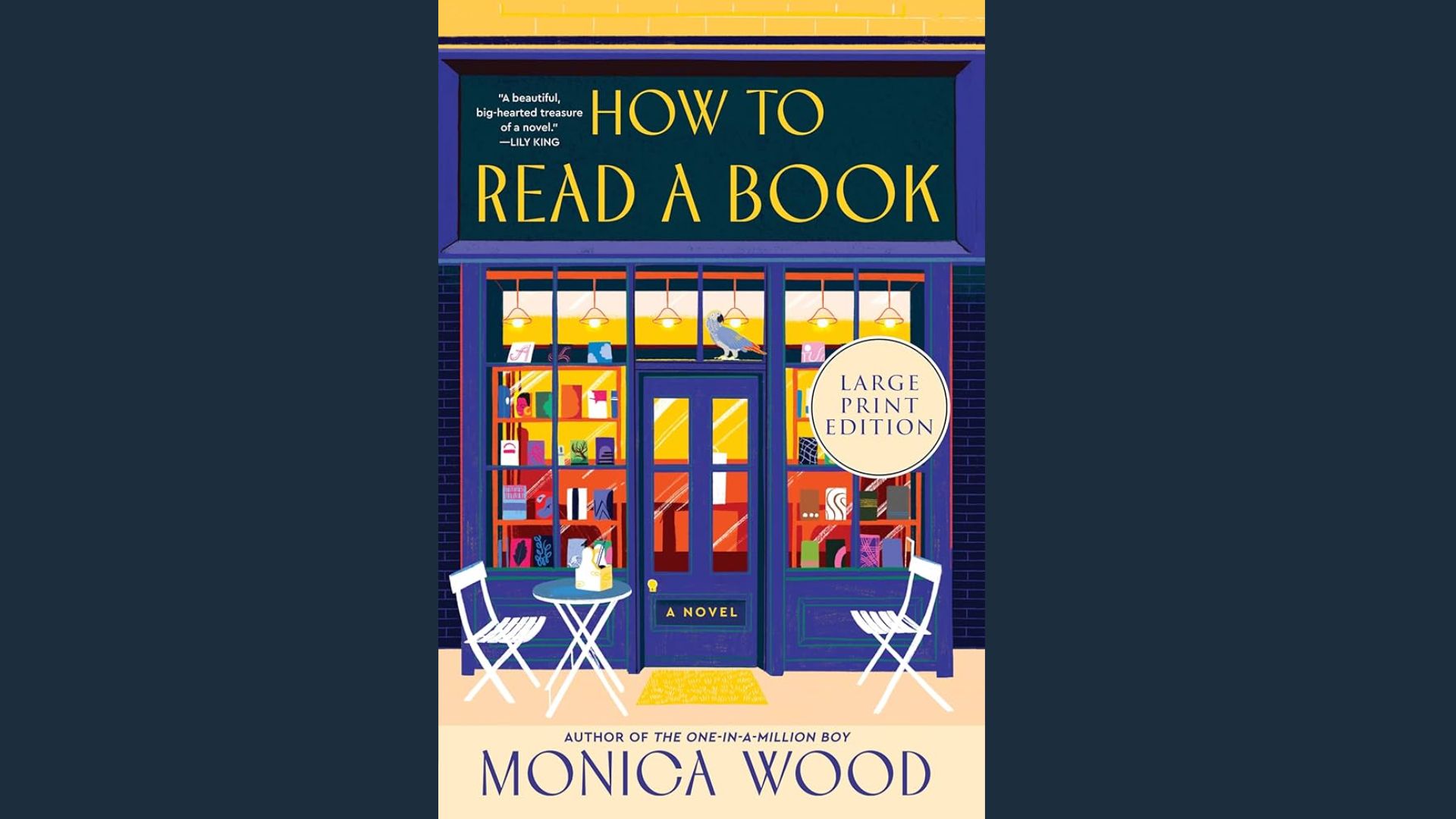


Should you read The Echo of Old Books? That’s exactly what this review answers.
This dual-timeline historical fiction novel weaves mystery, romance, and literary intrigue into one layered story. It moves between two time periods, connecting characters through old books and the secrets hidden inside them.
This article walks you through a clear plot overview with no major spoilers, key themes broken down simply, honest character insights, and a straightforward look at the writing style. By the end, you’ll know whether this book is worth your time.
I’ve read it closely, so you don’t have to guess. No filler. No sugarcoating. Just an honest, reader-first breakdown built on careful reading and real opinions.
Synopsis of The Echo of Old Books
The story follows Clara, a young librarian in a small town who uncovers forgotten manuscripts and letters in the library’s archives. She is drawn to the stories behind these old books and the lives they represent.
Clara learns about love, loss, and the enduring power of memory. The books become mirrors of her own life, shaping her choices and understanding of the world. The narrative quietly examines how objects carry human emotion across generations.
As Clara forms connections with the town’s older residents, she confronts her own loneliness and begins to see the hidden histories in the people around her. The novel unfolds gently, revealing that sometimes the smallest foundries hold the most profound truths.
Themes in The Echo of Old Books
This novel carries big feelings in quiet ways. At its heart, it is about love, loss, and the words we never say. Every theme ties back to one simple truth: the stories we tell shape who we are.
Love and Miscommunication
Love in this book does not fail because people stop caring. It fails because of pride, bad timing, and the habit of holding feelings in. Characters say the wrong thing or nothing at all, and that silence costs them everything.
Misunderstandings do not just hurt. They redirect whole lives. A missed moment here. A word left unsaid there. And suddenly, years have passed. That is the quiet tragedy you feel on every page.
Identity Through Storytelling
Writing is not just a hobby for these characters. It is how they survive. When life gets too heavy, they turn to fiction. They write to escape. They write to feel real.
Through their stories, they build themselves. The person on the page becomes the person they wish they could be. Fiction, for them, is not a lie. It is the most honest thing they have.
The Power of Books
Books in this novel hold more than words. They carry emotion, memory, and time itself. A worn cover. A dog-eared page. These small things speak when people cannot.
Books also connect what is lost to what still lives. They pass feelings from one generation to the next. They remember what people forget.
Regret and Second Chances
Every character carries something they wish they had done differently. Old choices follow them. You feel the weight of the quiet ache of what could have been.
But this book does not leave you there. Truth has a way of opening doors. When characters stop hiding from the past, healing becomes possible. Regret, it turns out, can lead you back to yourself.
Character Analysis
The story lives through its characters. Each one carries a weight that shapes the plot not just by what they do, but by what they hold back.
Ashlyn Greer
I see Ashlyn as someone who feels everything deeply. She reads people the way you read a favorite book, slowly, carefully, between the lines.
She is the bridge. She connects two timelines that would never meet on their own. Literature is not just her hobby. It is how she reaches out to the past, to others, to herself.
Belle
Belle is sharp. You can tell she sees more than she says.
But her world clips her wings. Marriage narrows her choices. It limits where she can go and who she can be. So she writes. Writing becomes the one space that is fully hers no one can take a voice that lives on paper.
Hemi
Hemi wants things. Badly. That hunger drives him, but it also blinds him.
His ambitions and his feelings pull in opposite directions. He cannot always hold both at once. That tension makes him real. Flawed, yes. But real.
Supporting Characters
The world around these three is not quiet. It pushes back.
- Editors shape what gets told and what gets cut.
- Partners bring loyalty but also pressure.
- Social expectations act like walls. Invisible. Hard to break.
These forces do not just sit in the background. They press in. They make every choice harder.
Writing Style and Narrative Structure
The way a story is told matters as much as the story itself. This book does not rush. It lets you sit with things.
Dual Timeline Approach
The story moves between two worlds. One is present-day. The other reaches back into the past.
I find this structure quietly clever. You are never stuck in one place for too long. Each timeline feeds the other. What happens in the past explains the present. What happens now reframes what you just read.
Emotional Tone
Do not expect car chases or plot twists every chapter. This book is built on feeling. It moves slowly and with purpose.
The focus stays on what is happening inside the characters. Their doubts. Their silences. Their small, painful choices. That is where the real action is. Not outside. Inside.
Literary Atmosphere
Books about books have a specific kind of energy. This one leans into that fully.
You get a close look at:
- Publishing culture and how it shapes a writer’s voice
- The struggles authors face when the world does not take them seriously
- The raw process of building a manuscript from nothing
It all feels lived in. Like someone who knows this world wrote it from the inside.
Critical Reception and Reader Response
Readers have noticed this book. Not because it is loud. Because it is honest. The feelings it leaves behind are what people keep talking about.
What draws most readers in is the premise. A story built around rare books is not something you see every day. On top of that, two timelines weave together cleanly without losing either thread. That is harder to pull off than it looks.
Beyond the premise, readers point to the characters and the pacing as what kept them reading. The story builds slowly. It breathes. You cannot rush emotional honesty. Readers seem to agree.
Notable Reviews and Ratings
The Echo of Old Books has received exceptional praise from readers and critics worldwide.
Goodreads: 4.25 out of 5 stars based on thousands of ratings. Readers frequently highlight its evocative prose and emotional subtlety.
Amazon: 4.5+ stars. Many praise the layered storytelling and Clara’s relatable journey. The hardcover edition features mostly 5-star reviews.
Awards & Recognition: Named in several contemporary literary lists for thoughtful fiction.
What Reviewers Are Saying:
Readers on Goodreads describe it as a quietly powerful story. Many mention the nuanced characters and reflective pacing.
Professional reviewers have noted its strength in emotional subtlety. Kirkus gave it a starred review for its layered storytelling. Booklist highlighted its thoughtful narrative and literary finesse. Comparisons to classic literary voices underscore the depth of its prose and character work.
About the Author: Barbara Davis
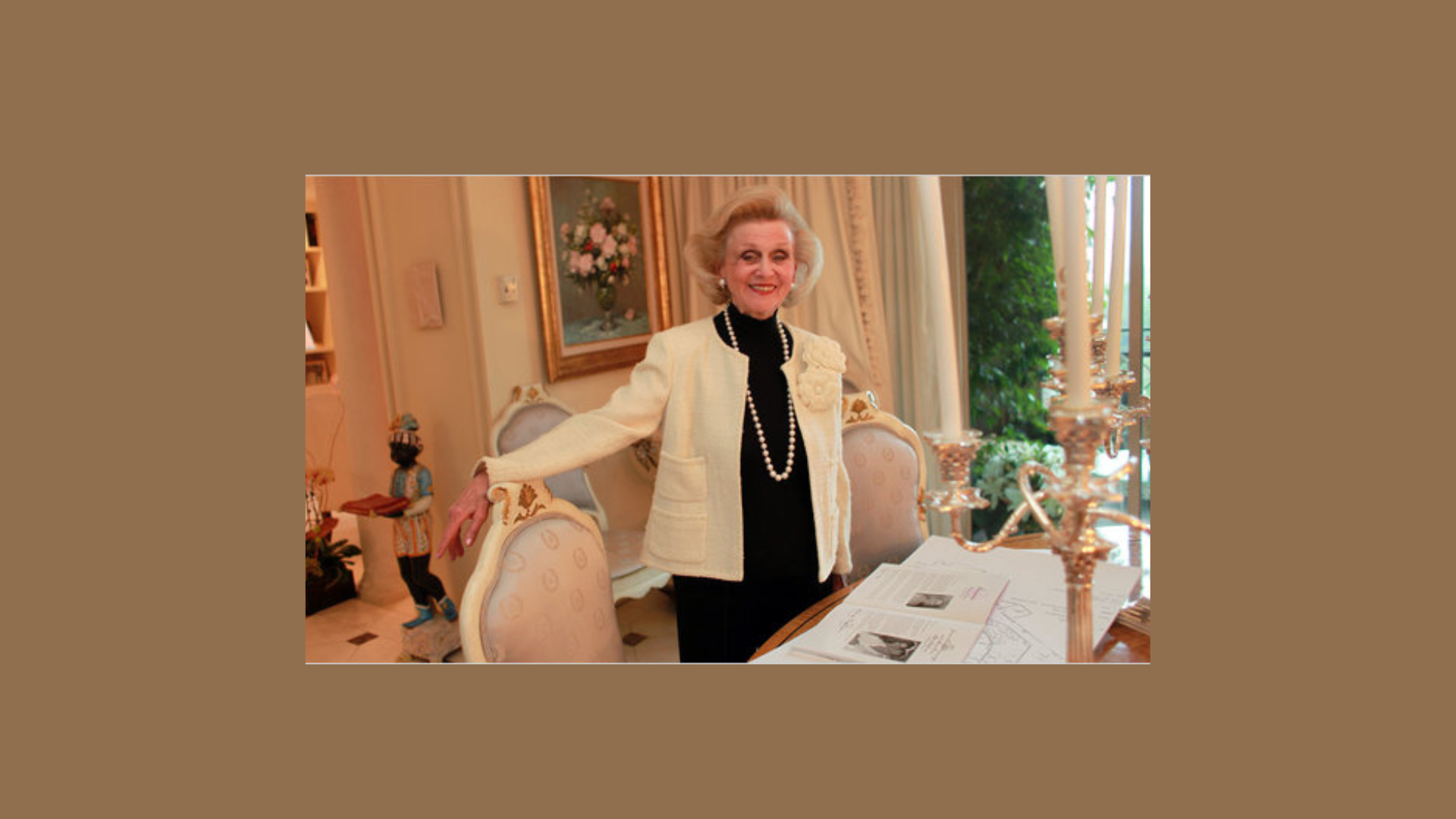
Barbara Davis writes the kind of stories that stay with you. Not because of big moments. Because of the true ones. Her writing does not shout. It pulls you in quietly and holds you there.
She returns to the same themes for a reason. Love. Memory. Secrets. Redemption. These are not easy topics. She handles them with care and without rushing.
What ties it all together is her focus on character. Plot is not the engine here. People are. You are not just following events. You are following someone’s inner life. That is a much harder thing to walk away from.
Who Should Read This Book?
This book is not for everyone. But if it is for you, you will know it quickly.
You will enjoy this if you love literary mysteries where the puzzle is emotional, not just plot-based. Or if historical fiction draws you in, especially the kind that focuses on real human feeling over grand events. This is that kind of story.
If you are someone who loves books about writers, manuscripts, and the quiet world of publishing, this one will feel like home. And if dual timelines done well excite you rather than confuse you, you are exactly the reader this book was written for.
Conclusion
The Echo of Old Books delivers emotional storytelling that stays with you long after the last page. Its characters feel real, their choices and regrets resonating deeply.
The novel is rich with literary intrigue, weaving hidden romances and historical secrets into a compelling narrative that keeps readers engaged.
For anyone drawn to character-driven fiction, this book offers a thoughtful exploration of love and regret, making it a rewarding and reflective read.
Frequently Asked Questions
Does the novel focus more on characters or plot?
The novel places stronger emphasis on character emotions and relationships, using the unfolding mystery to deepen personal growth and reveal meaningful connections.
What is The Echo of Old Books about?
A rare book dealer finds a hidden love story between two authors through mysterious manuscripts, revealing secrets, regrets, and connections across different timelines.
Is it romance or mystery?
It combines romance and mystery within historical fiction, weaving emotional relationships with unanswered questions that slowly unfold through interconnected past and present narratives.
Is the story fast-paced?
No, the story moves thoughtfully, focusing on emotional depth, character growth, and uncovering personal histories rather than relying on action-driven dramatic plot twists.
Who will enjoy it most?
Readers who appreciate reflective storytelling, layered relationships, literary settings, and emotionally driven narratives will find this book especially engaging and meaningful to read.