


I've sat in classrooms where one student stumbled through a paragraph while the rest of the class waited.
Some kids looked nervous. Others turned out completely. That method is called popcorn reading, and it's still used in schools today.
But does it actually help students read better? In this blog, I cover 13 real critiques of popcorn reading, why it keeps showing up in classrooms, and what works better.
If you're a teacher or parent questioning this method, you'll find honest, research-backed answers here.
Why Popcorn Reading Is Still Being Debated
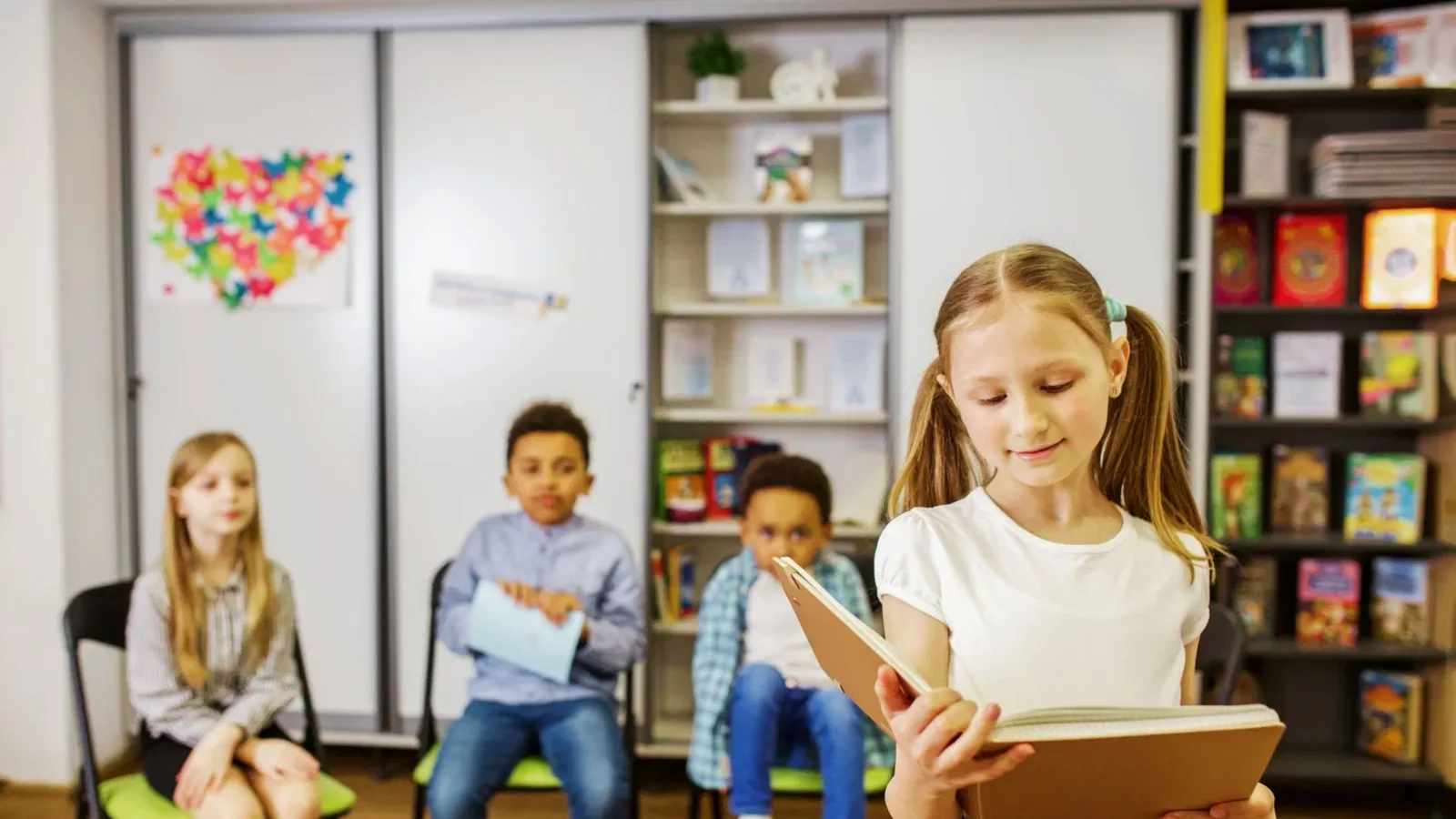
Popcorn reading has been a classroom staple for decades. Teachers use it to keep students alert and make sure everyone gets a turn.
But reading researchers have raised serious concerns about it. The debate is not new. It's been going on since the early 2000s. Some teachers swear by it.
Others have dropped it completely. The real question is whether it helps students read better or just keeps them on edge.
This blog looks at both sides and gives you a clear answer based on what the evidence actually shows.
Critiques of Popcorn Reading
Here are the most talked-about problems with popcorn reading and why educators are pushing back against it.
1. It Lacks Strong Research Support

No solid study confirms that popcorn reading improves reading skills. Most reading experts point to this as the biggest problem.
Good teaching methods need evidence behind them. Popcorn reading has been passed down through habit, not research.
When teachers look for proven reading strategies, popcorn reading rarely makes the list. That alone should make any educator stop and ask whether it belongs in the classroom at all.
2. It Interrupts Reading Comprehension

When a student stops mid-paragraph and another picks up, the flow of the text breaks. Meaning gets lost.
Comprehension depends on following ideas from start to finish without constant interruption. Popcorn reading makes that almost impossible.
Students spend more time tracking whose turn is next than actually understanding what they're reading. This is one of the most straightforward reasons why reading specialists advise against it.
3. It Reduces Actual Reading Practice Time

Only one student reads out loud at a time. The rest just listen or wait. That means most students get very little actual reading practice during the lesson.
Reading fluency improves through repeated practice, not passive listening.
In a class of thirty students, each child might read only a few sentences the entire session. That's not enough time to build any real reading skill.
4. It Creates Reading Anxiety

Being called on without warning causes stress for many students. Some kids spend the whole class dreading their turn.
That anxiety takes their focus away from the text completely. Instead of reading for meaning, they're counting paragraphs to figure out which one they'll have to read.
This kind of pressure does not help learning. It gets in the way of it.
5. It Can Humiliate Struggling Readers

Reading aloud in front of peers is already hard for students who struggle. Popcorn reading makes it worse.
Mistakes happen in public, and kids notice. For a student with dyslexia or a reading delay, being put on the spot can be deeply embarrassing.
That embarrassment sticks. It can make a child associate reading with shame, which is the last thing any teacher wants to create in a classroom.
13 Alternatives to Popcorn Reading
There are far better ways to get students reading aloud. Here are thirteen methods that actually work.
1. Choral Reading
The whole class reads aloud together at the same time. No one is singled out.
This builds fluency and confidence because struggling readers can follow along without the fear of making a public mistake.
It also keeps the whole class engaged at once. Choral reading works well for poems, repeated texts, and passages that benefit from rhythm and expression.
2. Partner Reading

Two students read to each other, taking turns. It's low pressure and high practice.
Both students get more reading time than they would in a whole-class setting. Partners can also help each other with tricky words.
This method builds both fluency and comprehension in a way that feels natural and comfortable for most students.
3. PALS (Peer-Assisted Learning Strategies)
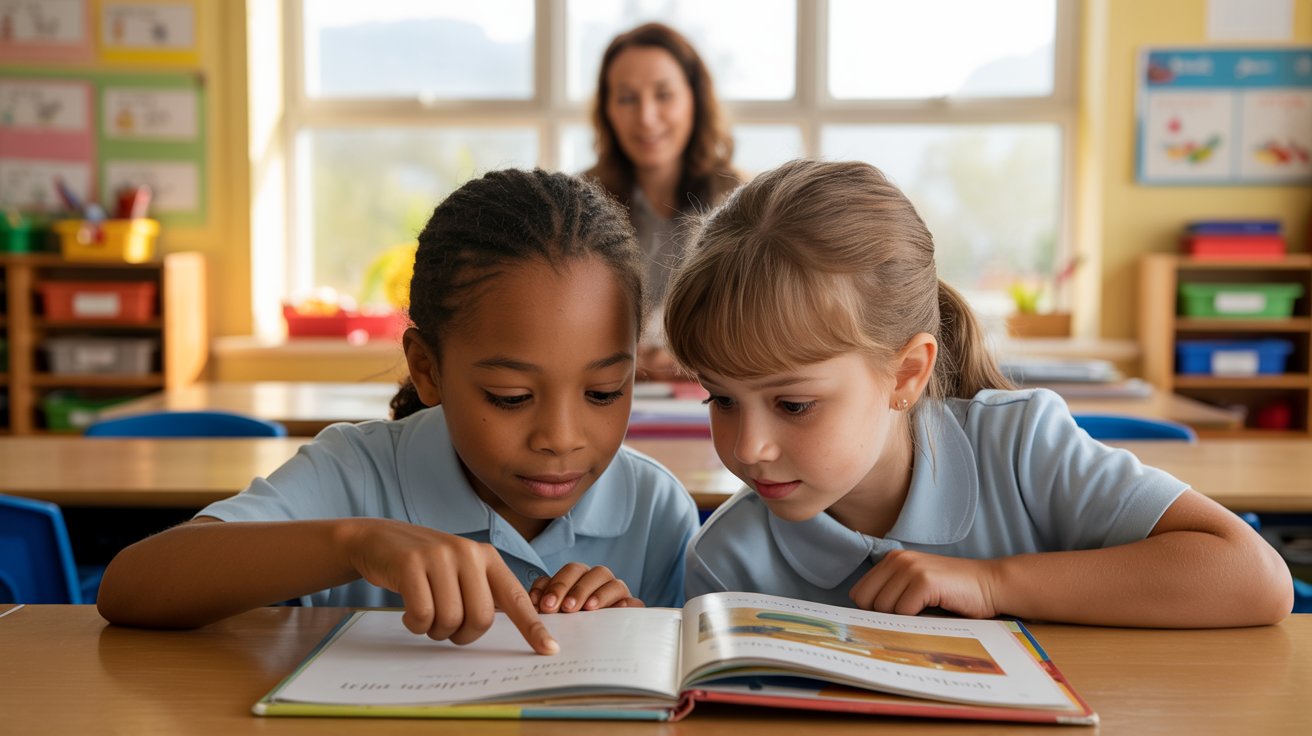
PALS pairs a stronger reader with a developing reader in a structured way. Both students benefit.
The stronger reader gets reinforcement. The developing reader gets support and a model to follow.
Research backs this method as one of the most effective for improving reading fluency. It's used widely in schools that focus on evidence-based instruction.
4. Silent Reading with Scaffolding

Students read on their own, but the teacher provides support before and during reading. Pre-teaching vocabulary and setting a clear purpose helps students stay on track.
This method builds independence. It also allows each student to read at their own pace, which is something popcorn reading never allows.
It works especially well when followed by a short discussion or written response.
5. Teacher Read-Aloud

The teacher reads the text aloud while students follow along. This models fluent, expressive reading.
Students hear what good reading sounds like without the pressure of performing themselves. It's a powerful tool for building vocabulary and comprehension.
Research consistently shows that teacher read-alouds improve listening comprehension and help students connect with complex texts.
6. Echo Reading

The teacher reads a line or sentence first. Then students repeat it back. This gives students a model before they have to try it themselves.
Echo reading builds confidence and fluency at the same time. It's especially helpful for younger students or those learning English as a second language.
The repetition also reinforces vocabulary and phrasing in a natural way.
7. Shared Reading
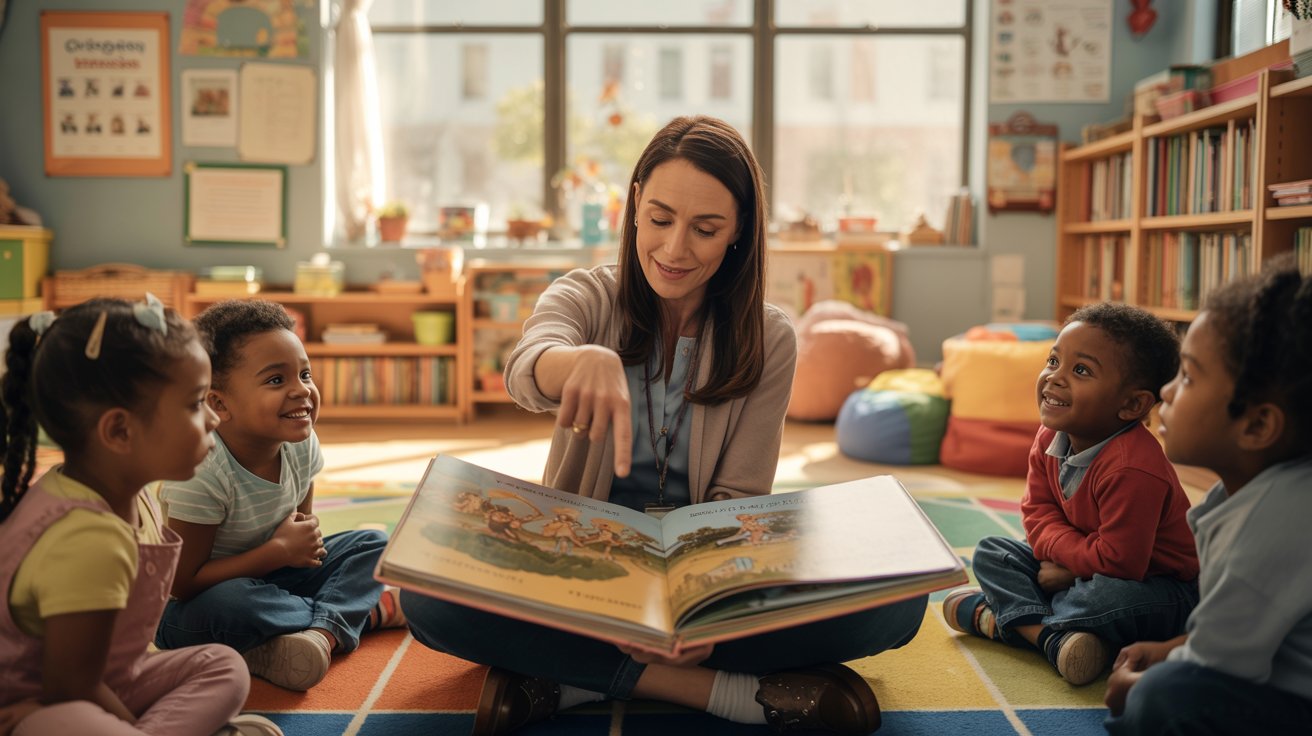
The teacher and students read a text together, with the teacher leading. Students follow along and join in when they feel ready.
This is different from choral reading because the teacher drives the pace and often pauses to ask questions or explain.
Shared reading works well for introducing new or challenging texts before students try them on their own.
8. Buddy Reading

Older students are paired with younger students to read together. The older student acts as a reading mentor.
This builds confidence in both. The younger student gets one-on-one support. The older student builds leadership and reinforces their own reading skills.
Schools that use buddy reading programs often report improved attitudes toward reading across both age groups.
9. Timed Repeated Reading

A student reads the same passage multiple times, trying to improve their speed and accuracy each time.
Progress is tracked and celebrated. This method directly builds reading fluency. It gives students a clear goal and a way to see their own improvement.
Research shows that repeated reading is one of the most effective tools for developing automaticity in word recognition.
10. Fluency-Oriented Reading Instruction (FORI)
FORI uses a single text across an entire week. Students read it in different ways each day. Repetition builds fluency without boredom.
One day the teacher read-aloud. Another might be partner reading. Another might be silent reading.
This structured approach gives students multiple exposures to the same text, which deepens both fluency and understanding over time.
11. Reader's Theater
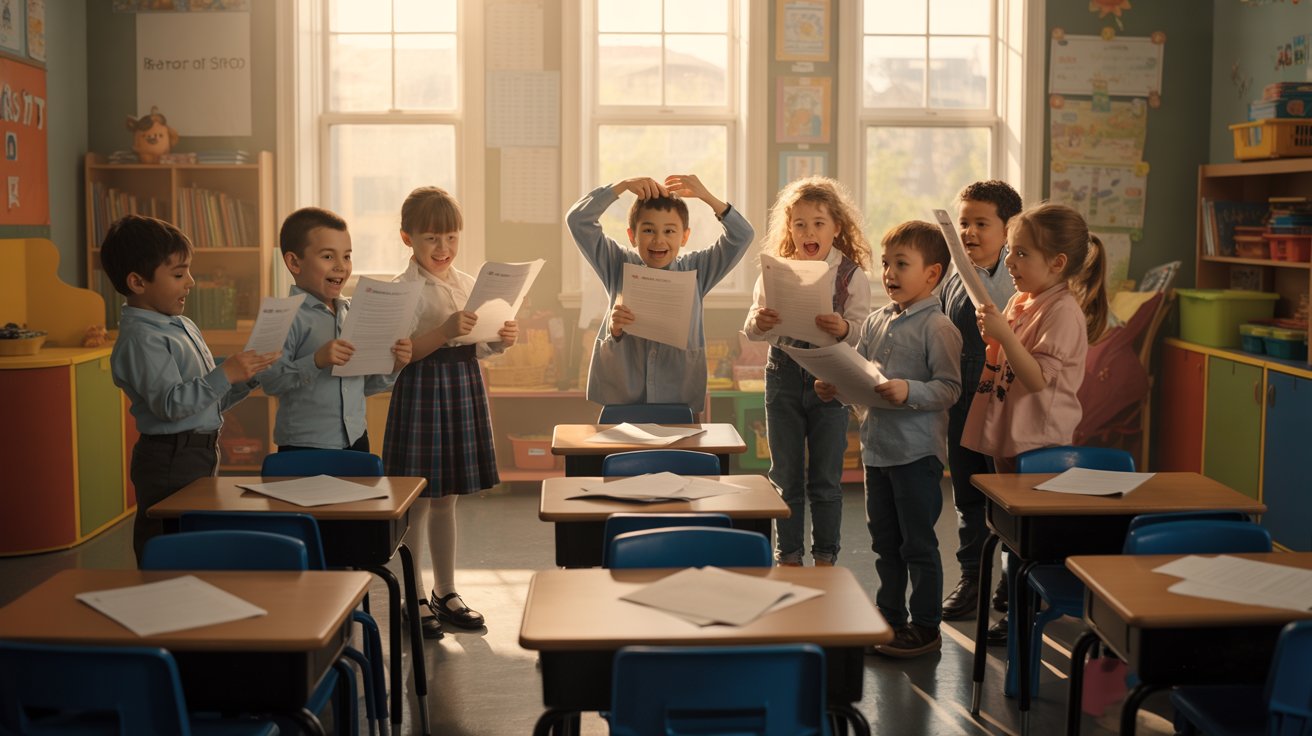
Students are assigned roles and read a script out loud like a performance. There's no memorization required.
The repeated practice of rehearsing their lines builds fluency naturally. Students are motivated because there's a clear purpose to the reading.
It's one of the most engaging and effective alternatives to popcorn reading, especially for reluctant readers.
12. Small Group Guided Reading
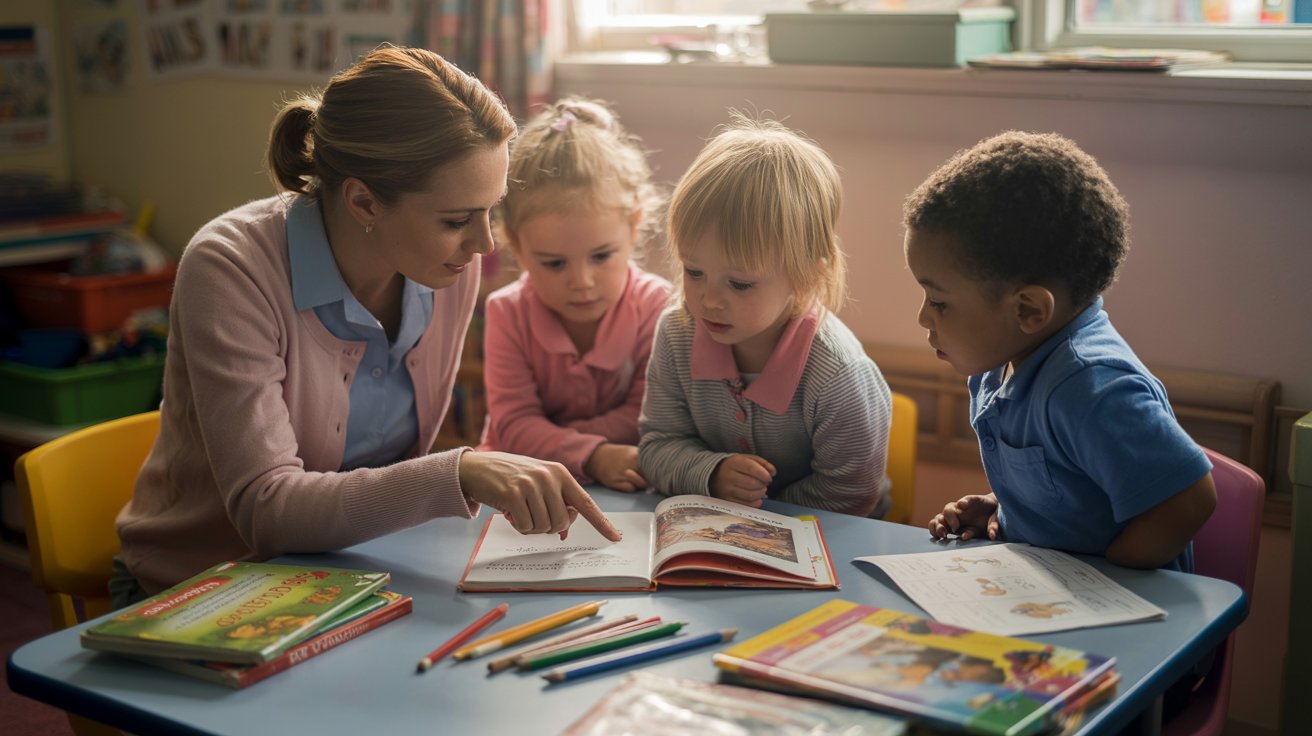
The teacher works with a small group of students at a similar reading level. This allows for targeted support.
Each student gets more reading time and more direct feedback than in a whole-class setting. The teacher can address specific challenges in real time.
Guided reading is a well-researched method used in strong literacy programs around the world.
13. Independent Reading with Accountability Tasks
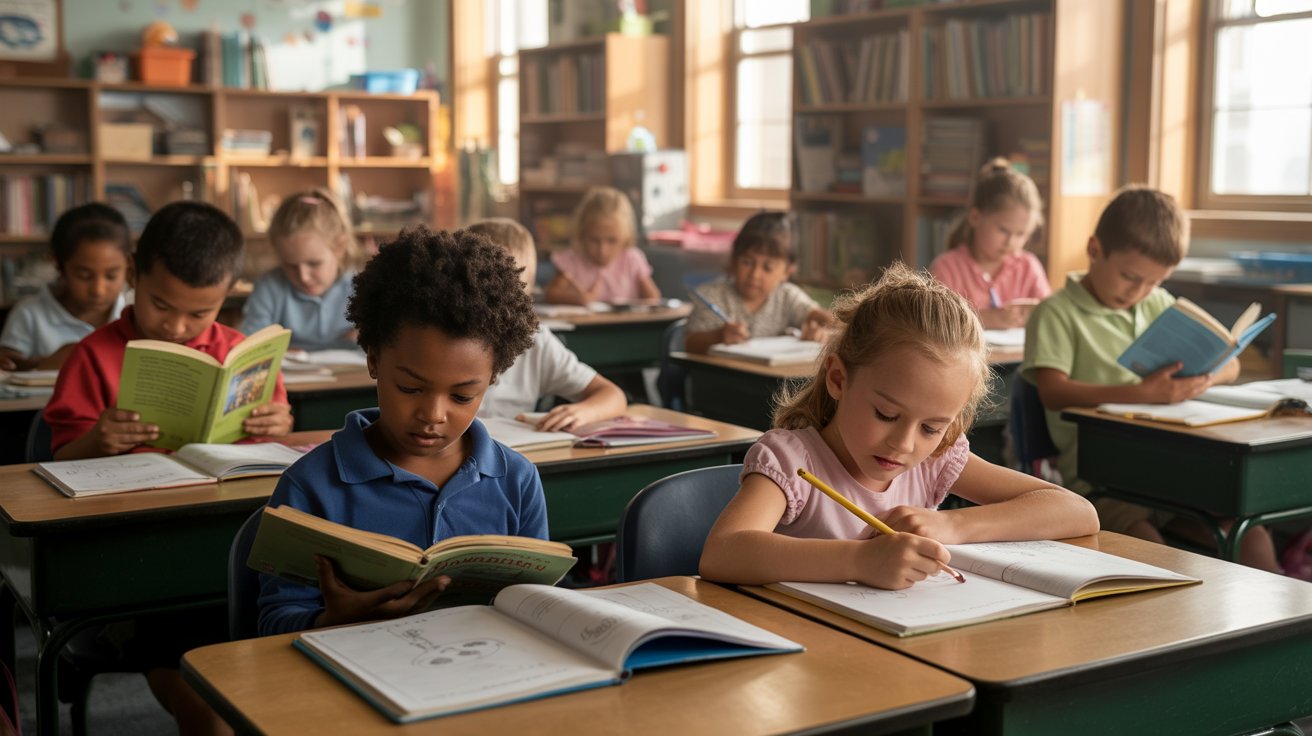
Students read on their own and then complete a task that shows they understood the text. This could be a short written response, a drawing, or a discussion question.
It builds reading independence and comprehension at the same time.
When students know they'll need to respond to what they read, they tend to read more carefully and stay more focused throughout.
Why Popcorn Reading Still Persists

Popcorn reading is easy to run. No prep. No materials. Teachers can use it anytime to keep a class moving, and that convenience is why it has lasted so long.
But easy does not always mean effective. Many teachers also believe that any kind of reading aloud helps students improve.
That assumption is only partly true. Reading aloud builds fluency only when it's done in a low-pressure, supported way.
Popcorn reading does not meet that standard. The stress it creates and the limited practice time cancel out most of the benefits.
Conclusion
I've seen a student's confidence drop the moment they were put on the spot in class. That feeling sticks.
Popcorn reading might seem easy, but the cost to struggling readers is real. Now you have 13 better options. Pick one and try it this week.
Did this help? Share it with a teacher who needs it.
Have a method that works in your classroom? Drop it in the comments. I'd love to hear from you.
Frequently Asked Questions
What is popcorn reading in education?
Popcorn reading is when a teacher randomly calls on students to read aloud in class, one at a time.
Why do teachers still use popcorn reading?
It's easy to manage and requires no preparation, which makes it a convenient classroom tool.
Does popcorn reading improve reading fluency?
No, research does not support popcorn reading as an effective method for building reading fluency.
What is the best alternative to popcorn reading?
Partner reading, echo reading, and Reader's Theater are among the most research-backed alternatives available.
Is popcorn reading harmful to struggling readers?
Yes, it can increase anxiety and embarrassment, which negatively affects a struggling reader's confidence over time.