


Looking for an honest Pachinko book review? I’ve read Min Jin Lee’s powerful novel, and I’m sharing everything you need to know before picking it up.
This review covers the plot, themes, characters, and why this story resonates so deeply. I’ll help you decide if this sweeping family saga fits your reading list.
As someone who’s read countless historical fiction novels, I can tell you this one stands apart.
You’ll learn about the multi-generational story, the emotional depth, and what makes readers call it unforgettable.
Let’s break down what makes Pachinko worth your time.
Quick Book Overview
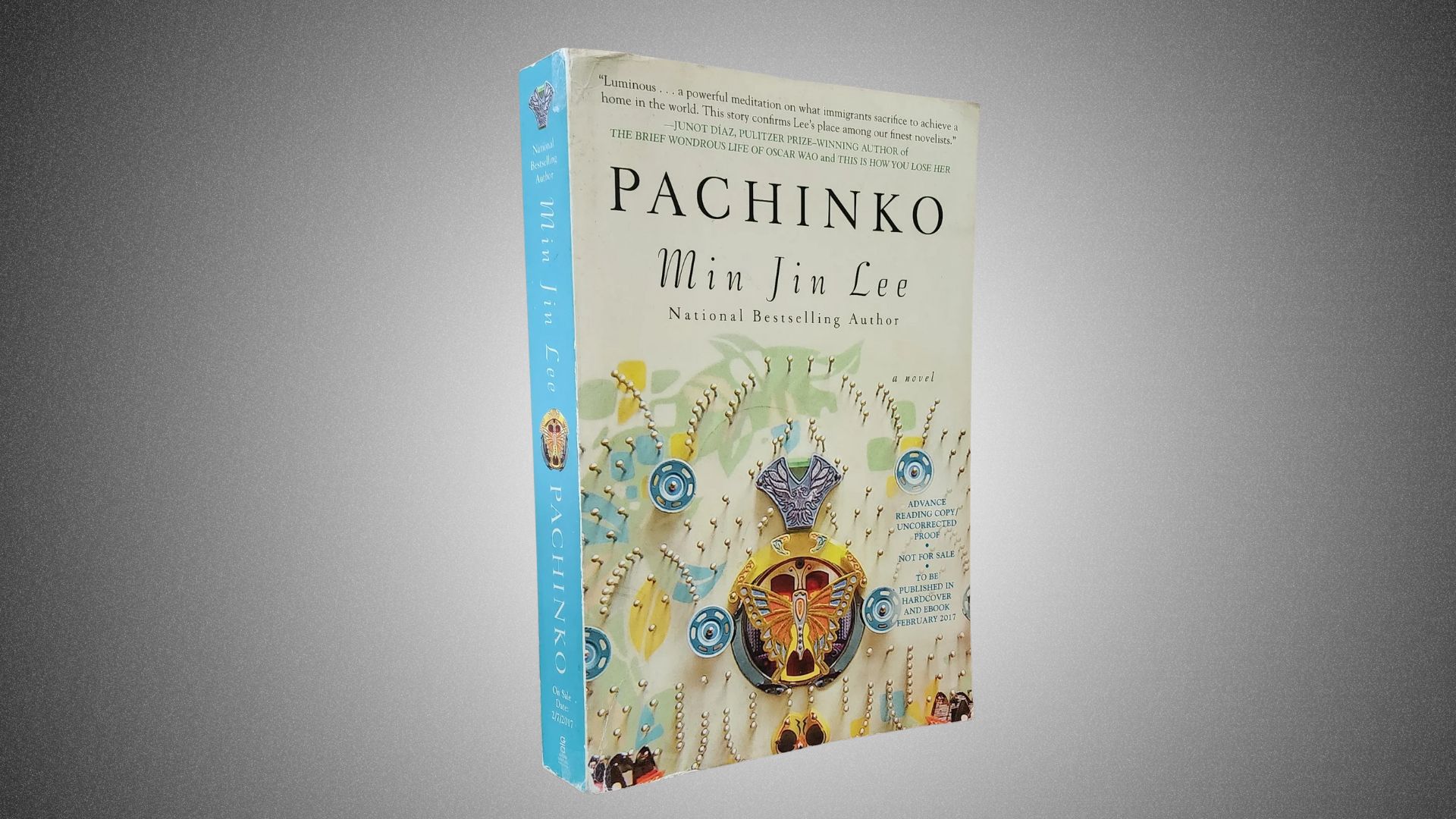
Min Jin Lee wrote Pachinko as a Korean-American novelist who understands the immigrant experience firsthand. The book came out in 2017 and quickly gained recognition worldwide.
This historical fiction spans decades. It starts in the early 1900s and runs through the 1980s. The setting moves between Korea and Japan, showing two cultures in conflict.
The story follows one family across four generations. Lee crafted a character-driven narrative filled with cultural detail. She captures the weight of history on ordinary lives.
The main themes hit hard: immigration tears families apart, identity becomes a daily struggle, and discrimination shapes every choice.
But resilience keeps the characters moving forward as they chase a better life.
Plot Summary (Spoiler-Free)
Sunja is a young Korean woman who makes a choice that changes everything. She leaves Korea for Japan with her family, hoping for safety and opportunity.
Japan offers neither. The family faces poverty and prejudice at every turn.
The story tracks multiple generations. Each one inherits the struggles of the last. They also carry the dreams forward.
You’ll see love bloom in unexpected places. Betrayal cuts deep. Social discrimination becomes a constant battle. Survival demands sacrifices that break your heart.
This isn’t a fast-paced thriller. Lee takes her time. She builds relationships slowly. She shows you the historical context. She lets moral dilemmas breathe.
The result feels real. These characters live full lives on the page.
Major Themes Explored in Pachinko
Min Jin Lee weaves powerful themes throughout this multi-generational story that examine what it means to survive and belong.
Family & Generational Legacy
One person’s choice echoes through decades. Sunja’s decisions affect her children, grandchildren, and beyond.
The book explores duty over desire. Characters sacrifice their own happiness for family survival. Heritage becomes both a gift and a burden.
Identity & Displacement
Koreans in Japan face systemic discrimination that never stops. They’re called foreigners in the only country they know.
The characters constantly question who they are. Can you keep your culture in a place that rejects it? How do you belong when society says you don’t?
Resilience & Survival
Poverty doesn’t kill the spirit in this story. Neither does oppression. The characters find ways to keep going.
The pachinko game becomes a powerful metaphor. Life feels like those metal balls bouncing through pins. Chance matters. Luck shifts. Nothing is guaranteed.
Love, Duty & Moral Choices
Personal happiness often conflicts with family needs. Characters face impossible decisions.
Lee doesn’t judge them. She shows the cost of survival. She asks, what would you do?
Historical & Cultural Insight
The book drops you into 20th-century Korea and Japan. You see the social structures. You feel the economic pressure. You understand the political tensions.
Lee did her research. It shows in every detail.
Main Characters & Psychological Depth
Lee creates complex, flawed characters whose inner lives feel as real as the historical world surrounding them
Sunja: The Heart of the Saga
Sunja starts innocent and determined. Life hardens her but doesn’t break her spirit.
Her choices ripple through the entire family. Some bring hope. Others bring pain. All feel earned.
Supporting Characters & Their Influence
Hoonie, Sunja’s father, carries quiet dignity despite his disabilities. Isak brings faith and idealism. Other family members add layers of complexity.
Each generation faces different challenges. The 1900s problems differ from the 1950s struggles. The 1980s bring new complications.
Moral Complexity & Realistic Portrayals
Lee refuses to write simple heroes or clear villains. Her characters make questionable choices for understandable reasons.
They lie to protect loved ones. They compromise values to survive. They hurt people while trying to help.
This feels true to life. Real people aren’t purely good or bad. Society shapes our options.
Writing Style & Narrative Technique
Lee uses third-person narration that jumps between characters. You get inside multiple heads. You see events from different angles.
Her prose is rich without being flowery. She describes settings with sensory detail. You smell the food, hear the street noise, and feel the weather.
The pacing is slow and deliberate. Lee builds emotional connections before testing them. She lets you understand the characters before putting them through hardship.
This style works for both casual readers and literary fans. The writing is accessible but sophisticated.
Pachinko Book Review: From Goodreads & Amazon
Readers praise the emotional depth. They love the multi-generational scope. The cultural insight gets consistent recognition.
Goodreads readers gave Pachinko 4.33 out of 5 stars. Over 100,000 people rated it.
Amazon shows 4.6 out of 5 stars. Reviewers call it compelling and immersive. Many use the word “unforgettable.”
Some readers note the length and detail. The book requires patience. But most say the rich character development makes it worthwhile.
The historical portrayal resonates with readers from all backgrounds.
My Personal Opinion After Reading Pachinko
I finished Pachinko feeling changed. Lee created something special here.
The characters feel deeply human. Their struggles transcend cultural boundaries. You don’t need to be Korean or an immigrant to connect with their pain and hope.
The slow build bothered me at first. I wanted faster action. But Lee’s approach pays off. The emotional moments hit harder because you’ve invested time in these people.
The intricate plot rewards patient reading. Details from early chapters become significant later. Characters you barely notice return with important roles.
Who Should Read This Book
Historical fiction fans will love the period detail and sweeping scope. Family saga readers get four generations of interconnected stories.
Anyone interested in immigrant experiences should read this. The book shows what leaving home really costs. It explores what it means to never fully belong.
Book clubs will have rich discussions. The moral questions don’t have easy answers. The cultural context sparks conversation.
If you enjoy slow-burn stories with deep character development, pick this up. If you need fast plots and constant action, this might not work for you.
About the Author

Min Jin Lee was born in Seoul, South Korea. Her family moved to New York when she was young.
She published her first novel, Free Food for Millionaires, in 2007. That book also examined Korean-American identity.
Pachinko brought international recognition. It was longlisted for the National Book Award. Critics worldwide praised her storytelling.
Lee focuses on themes that matter to her personally: identity, immigration, resilience, and historical challenges. She tells stories across generations because family patterns repeat.
Her writing draws from research and personal understanding. She knows what it means to live between cultures.
Conclusion
I’m glad I spent time with Pachinko. This book stays with you long after the last page. The characters feel like people I actually knew.
Their struggles reminded me why stories matter, they help us understand lives different from our own.
If you’re ready for a reading experience that demands patience but delivers emotional truth, pick up Pachinko. You won’t regret it.
Have you read it yet? Drop a comment below and let me know what you thought.
I’d love to hear which character resonated most with you.
Frequently Asked Questions
Is Pachinko based on a true story?
No, Pachinko is fiction. However, Min Jin Lee based the story on real historical events and extensive research about Korean immigrants in Japan. The characters and specific plot are invented, but the discrimination and struggles reflect actual history.
How long does it take to read Pachinko?
Most readers finish Pachinko in 10-15 hours of reading time. The book has 490 pages, and the pacing is deliberate rather than rushed. If you read an hour daily, expect about two weeks to complete it.
Is Pachinko appropriate for young readers?
Pachinko works best for mature readers aged 16 and up. The book contains adult themes including poverty, discrimination, affairs, and violence. The content isn’t graphic, but the emotional weight requires maturity to appreciate.
Do I need to know Korean or Japanese history to understand Pachinko?
No prior knowledge is needed. Lee provides enough historical context within the story. You’ll learn about the time period as you read. That said, the book might inspire you to research more about this history afterward.
Is the Pachinko TV series the same as the book?
The Apple TV+ series follows the same basic story but makes changes for adaptation. Some plot points differ, and the show emphasizes certain characters more than others. Both versions are worth experiencing separately.