

I’ve never highlighted so many passages in a historical novel. Lisa See writes about 15th-century China, but somehow she’s describing my life too.
You’re searching for a Lady Tan’s circle of women review because you want to know if the Guardian and NYTimes hype is real. Or maybe you’re wondering how a story about ancient female doctors could possibly matter now.
I’m telling you exactly why this book hit different. You’ll get my honest take on the writing, pacing, and emotional punch.
But here’s what shocked me most: this Lisa See lady’s circle of women review will reveal why you’ll recognize yourself in a woman who lived 500 years ago.
Think that’s impossible?
Overview of the Book
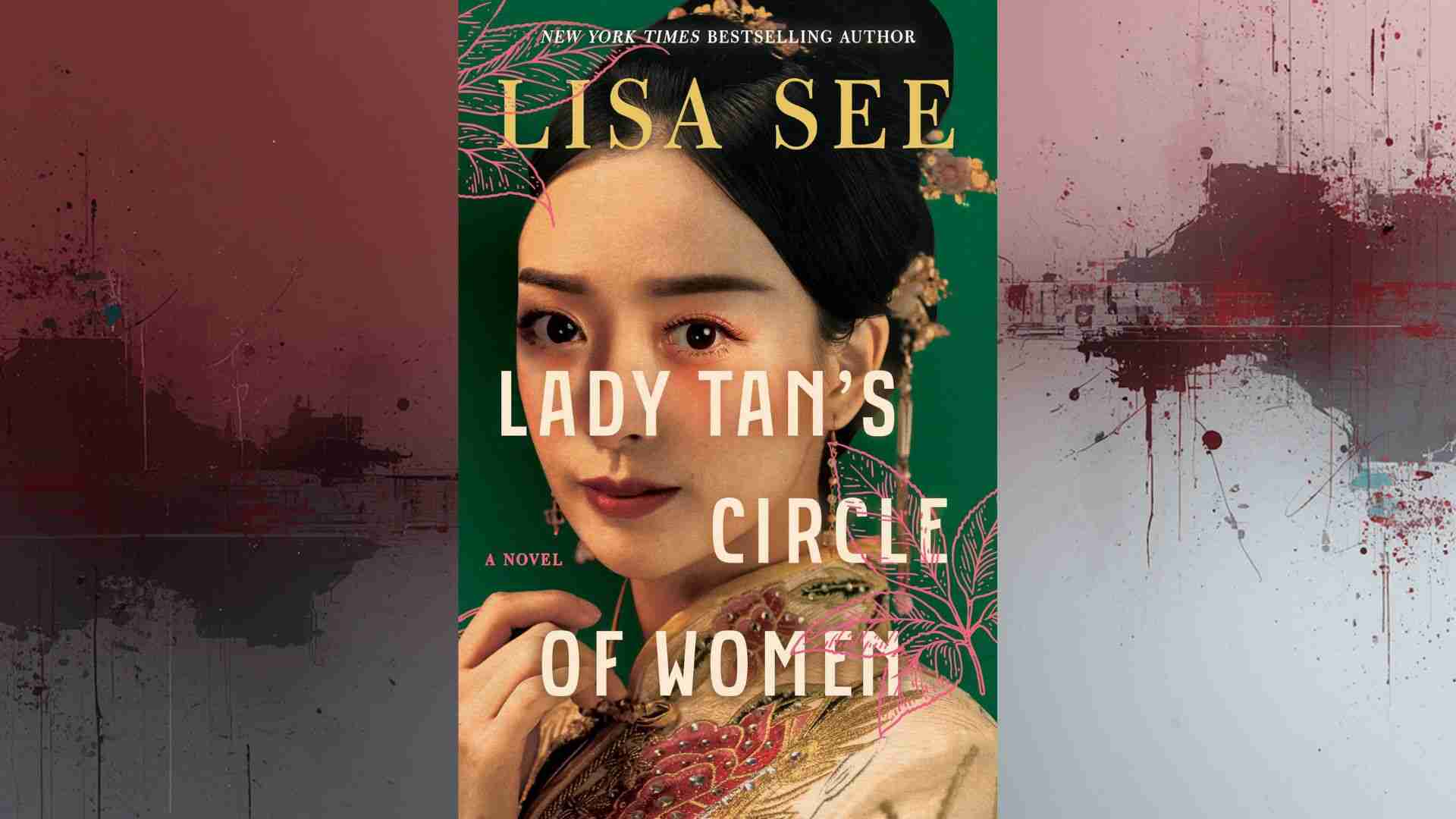
Lisa See takes us back to 15th-century China during the Ming Dynasty. The setting is rich, detailed, and feels alive on every page.
The story centers on Tan Yunxian, a real historical figure. She was one of the few female doctors in ancient China. Her life wasn’t easy, but it was remarkable.
The novel spans several decades of Tan’s life. We see her childhood, her medical training, her marriage, and her practice as a physician. The focus stays tight on women’s experiences in a world that limited them at every turn.
See writes in a flowing, intimate style. The pacing moves steadily, giving us time to sit with the emotions and challenges Tan faces. The tone balances seriousness with moments of warmth and connection.
Character Analysis
Lisa See creates characters who feel like real people rather than historical figures on a page. Each woman in this novel carries her own burdens, dreams, and contradictions.
The relationships between them drive the story forward and give it emotional weight.
Tan Yunxian: Breaking Barriers Through Medicine
Tan Yunxian stands at the center as a woman who refused to accept limitations. She pursued medical knowledge when most women couldn’t read and treated patients when society said women belonged at home.
What makes her compelling is her complexity, she struggled with doubts, fears, and the tension between marriage, motherhood, and her medical practice. Her determination came from a genuine desire to heal, not rebellion for its own sake.
Meiling: The Friend Who Never Wavers
Meiling represents the kind of friendship that sustains us through impossible circumstances. Despite coming from a different social class, her bond with Tan transcends barriers.
Their relationship works because both women give and receive, sharing knowledge and truth even when it hurts. She has her own struggles and pain, making the friendship feel authentic rather than one-dimensional.
Tan’s Mother: The Weight of Tradition
Tan’s mother embodies the tension between loving your daughter and preparing her for harsh reality. She wants Tan to be safe, which means following rules and accepting restrictions.
This character reminds us that change happens slowly, some women push boundaries while others hold tight to what feels safe. See captures that nuance without judgment.
Key Insights from the Book
This novel offers much more than historical facts. It gives us a window into how women survived and thrived despite strict social rules.
Here’s what stood out most:
- Women created their own support networks when society isolated them
- Medical knowledge passed between women became an act of rebellion and care
- Friendship between women held power that men couldn’t understand or control
- Physical pain and emotional suffering were deeply connected in women’s lives
- Marriage could be both a prison and a source of unexpected partnership
- Learning and education opened doors that seemed permanently locked
The book shows us something important. Women have always found ways to help each other, even when the world tried to keep them apart. That message hits hard, especially today.
Strengths of the Book
See’s research shines through without overwhelming the story. You learn about ancient Chinese medicine, but it never feels like a textbook. The information flows naturally through Tan’s experiences.
The female characters feel real and complex. They’re not perfect heroes or helpless victims. They’re women trying to live meaningful lives within impossible constraints.
The medical scenes are fascinating. I found myself completely absorbed in the descriptions of diagnosis and treatment. See makes 15th-century medicine accessible without dumbing it down.
The relationships between women form the heart of this book. Mother and daughter, teacher and student, friends across class lines. Each connection matters and teaches us something.
Criticisms & Limitations
No book is perfect, and this one has its rough spots. Let me be honest about where it stumbles.
Some readers might struggle with:
- The middle section drags at times, especially during repetitive medical consultations
- Certain plot points feel predictable if you’ve read historical fiction before
- The narrative style stays consistent, which some might find monotonous
- Emotional beats sometimes get overshadowed by medical details
- The ending wraps up too neatly for a story about such difficult times
If you prefer fast-paced plots or modern narrative techniques, this might not grab you. The book moves at a deliberate pace that matches its historical setting. That works for some readers but frustrates others.
Notable Reviews & Ratings
The book has earned solid ratings across major platforms. On Goodreads, it sits at 4.15 out of 5 stars with over 30,000 ratings. That’s a strong showing for historical fiction.
Amazon US readers gave it 4.4 out of 5 stars. Most reviewers praised the historical detail and emotional depth. The criticism mainly focused on pacing issues in the middle sections.
International reception has been equally positive. Amazon India shows similar ratings, with readers appreciating the cross-cultural medical practices described in the novel.
Kirkus Reviews called it “a richly detailed portrait of women’s lives in Ming Dynasty China.” Publishers Weekly highlighted See’s ability to bring historical figures to life with compassion and accuracy.
What Reviewers Are Saying
Readers consistently praise the female friendships in the book. Many say these relationships feel authentic and moving. The bond between Tan and her lifelong friend Meiling gets mentioned repeatedly as a highlight.
The medical content divides opinion. Some readers love learning about ancient practices. Others find the clinical descriptions too detailed or repetitive for their taste.
Most agree that See’s writing pulls you into the world she’s created. Even readers who found the pacing slow appreciated the immersive quality of the prose. The historical setting feels lived-in and real.
A common criticism involves predictability. Several reviewers noted that they could see major plot developments coming. But many added that the emotional journey still felt satisfying despite knowing where it headed.
Personal Thoughts
See set out to honor the life of a real woman who history almost forgot. I think she succeeded. The book brings Tan Yunxian back to life in a way that feels respectful and human.
The themes resonate beyond the historical setting. Women’s healthcare, friendship between women, and fighting for education still matter today. See connects past and present without being heavy-handed about it.
I’m giving this book 4 out of 5 stars. It’s not perfect, but it’s important. The pacing issues in the middle keep it from being a 5-star read for me. But the emotional impact and historical value make it worth your time.
The book works best if you approach it as a slow burn. Don’t rush through it. Let yourself sink into the world See has created. That’s where the real magic happens.
About the Author: Lisa See
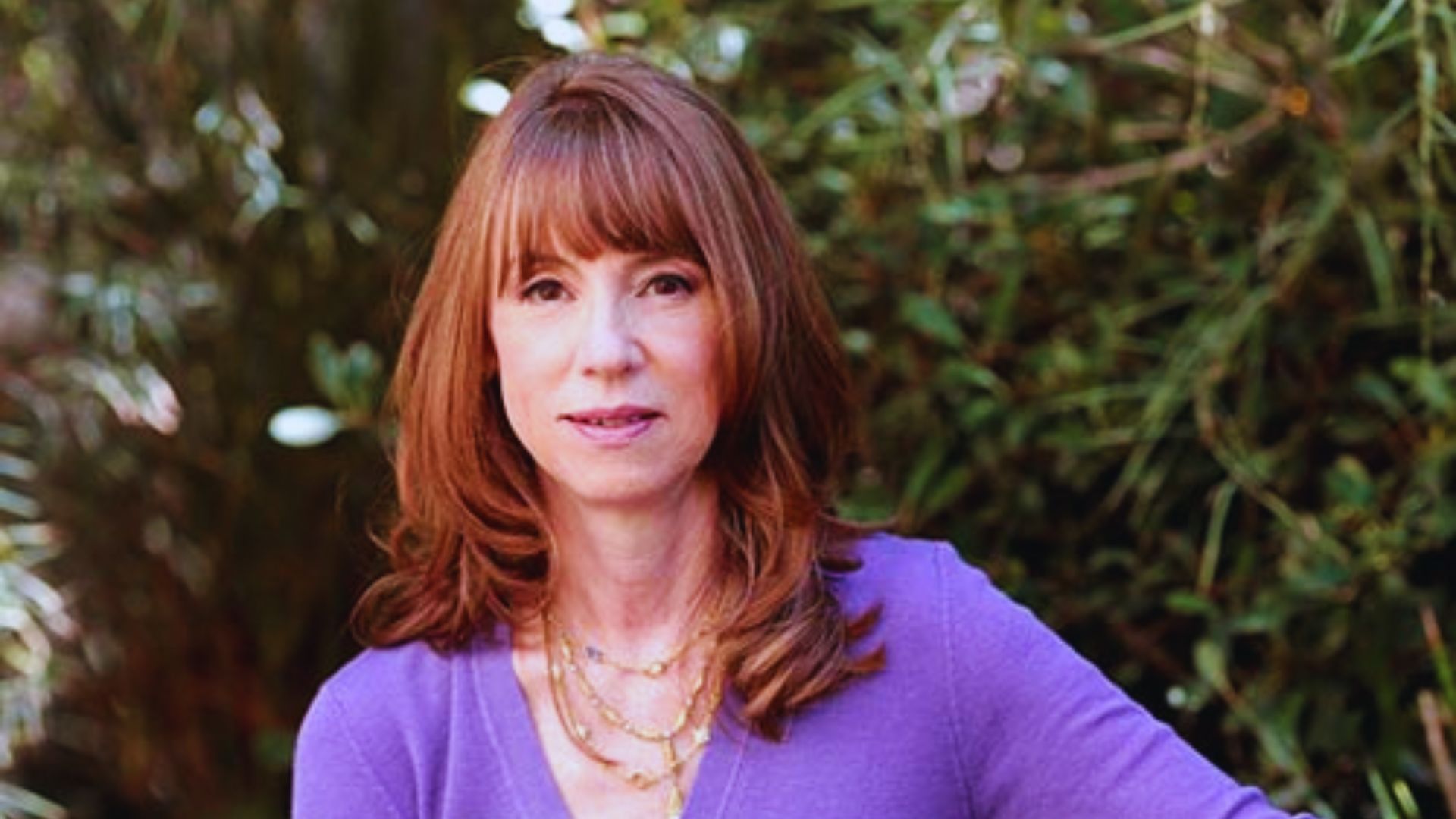
Lisa See has made a career of bringing Chinese and Chinese-American history to Western readers. She’s the bestselling author of multiple historical novels including Snow Flower and the Secret Fan and The Tea Girl of Hummingbird Lane.
Her family background gives her unique insight into Chinese culture. See is Chinese-American, and she’s spent decades researching and writing about Chinese history. That knowledge shows in every detail of this novel.
See’s previous books have sold millions of copies worldwide. She’s known for thorough research combined with emotional storytelling. Lady Tan’s Circle of Women fits perfectly into her body of work while standing on its own.
Her interest in women’s history and medicine made her the right person for this story. She understands how to balance historical accuracy with compelling narrative. That’s a rare skill in historical fiction.
Conclusion
I immediately ordered two more Lisa See novels after finishing this. That’s how good her writing is. The lady tan’s circle of women review I’ve shared gives you the facts.
But the real question is: are you brave enough to read about women who had less freedom but somehow more courage than us?
Start reading tonight and message me on page 200. I want to know if you cried at the same part I did.
Which historical female figure deserves her own novel next? Comment your pick below. And share this lady tan’s circle of women review with someone who keeps saying they’ll read more.
Your reading list is waiting.
Frequently Asked Questions
What is Lady Tan’s Circle of Women about?
The novel follows Tan Yunxian, a female physician in 15th century China, as she navigates social constraints while practicing medicine and building meaningful relationships with other women.
Is Lady Tan’s Circle of Women based on a true story?
Yes, Tan Yunxian was a real historical figure who practiced medicine during the Ming Dynasty, though Lisa See has fictionalized many aspects of her life.
Is this book historically accurate?
Lisa See conducted extensive research into Ming Dynasty medicine and women’s lives, though she took creative liberties with personal details and relationships where historical records were incomplete.
Who would enjoy reading this novel?
Readers who appreciate detailed historical fiction, stories about female friendship and resilience, or those interested in the history of medicine will likely enjoy this book.
How does this compare to other Lisa See books?
It shares See’s signature detailed historical research and focus on female relationships, but offers a deeper look at medicine and healing practices than her previous works.