


I spent hours scrolling through homeschool forums before my daughter started kindergarten. Every parent had a different opinion.
Every blog recommended something else. I was more confused after researching than before I started.
If you're feeling the same way right now, I completely understand. Finding the right kindergarten homeschool curriculum is not easy, but it doesn't have to be this stressful either.
In this post, I'll cover the best options, real parent reviews, and what actually works at this age. No fluff.
Just honest, straight-to-the-point information you can actually use.
Why Parents Search for Kindergarten Homeschool Curriculum Reviews
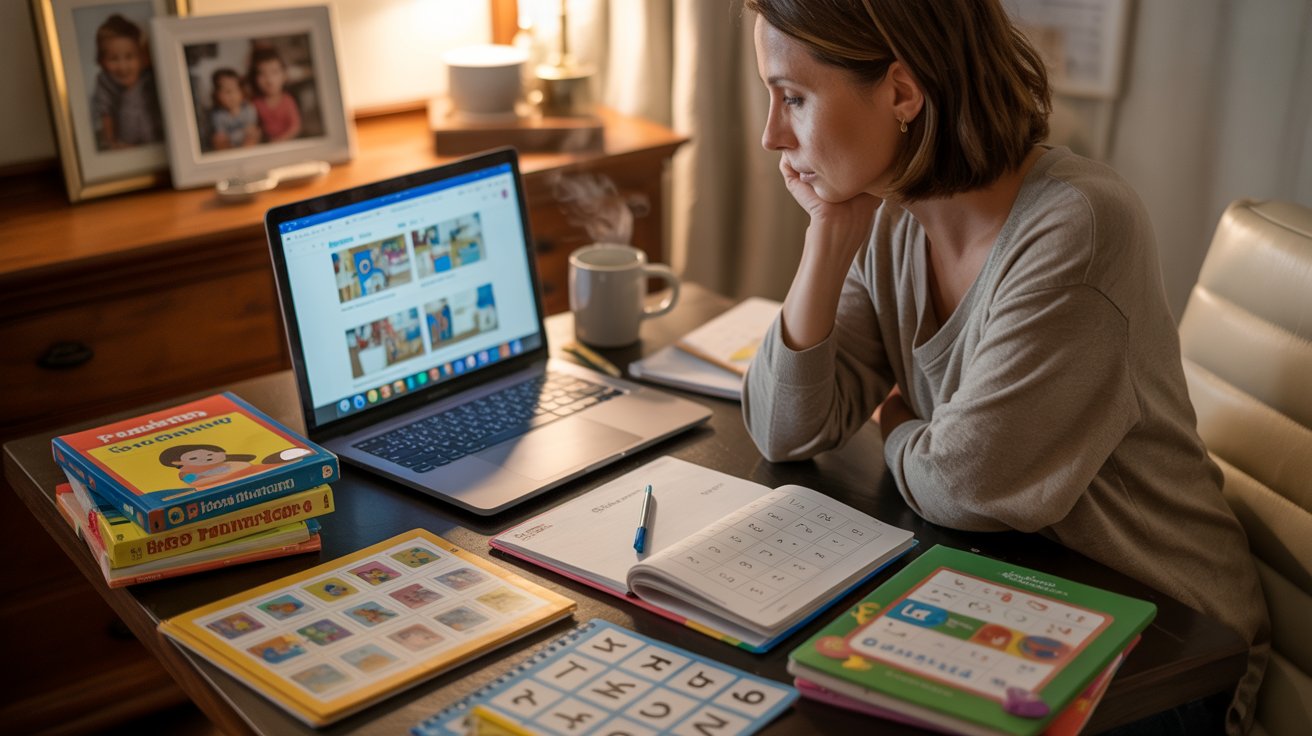
More parents are choosing to homeschool their kindergarteners, and the first question is always the same. Which curriculum is actually worth it?
It's not just about finding something educational. Parents want something that fits their child, their teaching style, and their budget.
Before spending money or time on a program, most parents look for honest reviews and real experiences from other homeschool families.
Choosing the right early learning foundation matters a lot. A good start builds confidence in both the child and the parent.
This post brings together the most talked-about options and what real parents say about them.
Best Kindergarten Homeschool Curriculums
Here are the most recommended kindergarten homeschool curriculums based on parent reviews and real homeschool community feedback.
Easy Peasy All-in-One Homeschool (Free Curriculum)

Easy Peasy is a completely free, all-in-one curriculum that covers reading, math, science, and more.
It's one of the most popular choices for budget-conscious families.
Parents on forums often say it's very simple to use day to day and works well for independent learners.
The biggest plus is that it costs nothing. Some parents mention it can feel text-heavy for younger kids, so pairing it with hands-on activities helps keep things balanced.
The Good and the Beautiful (Kindergarten)
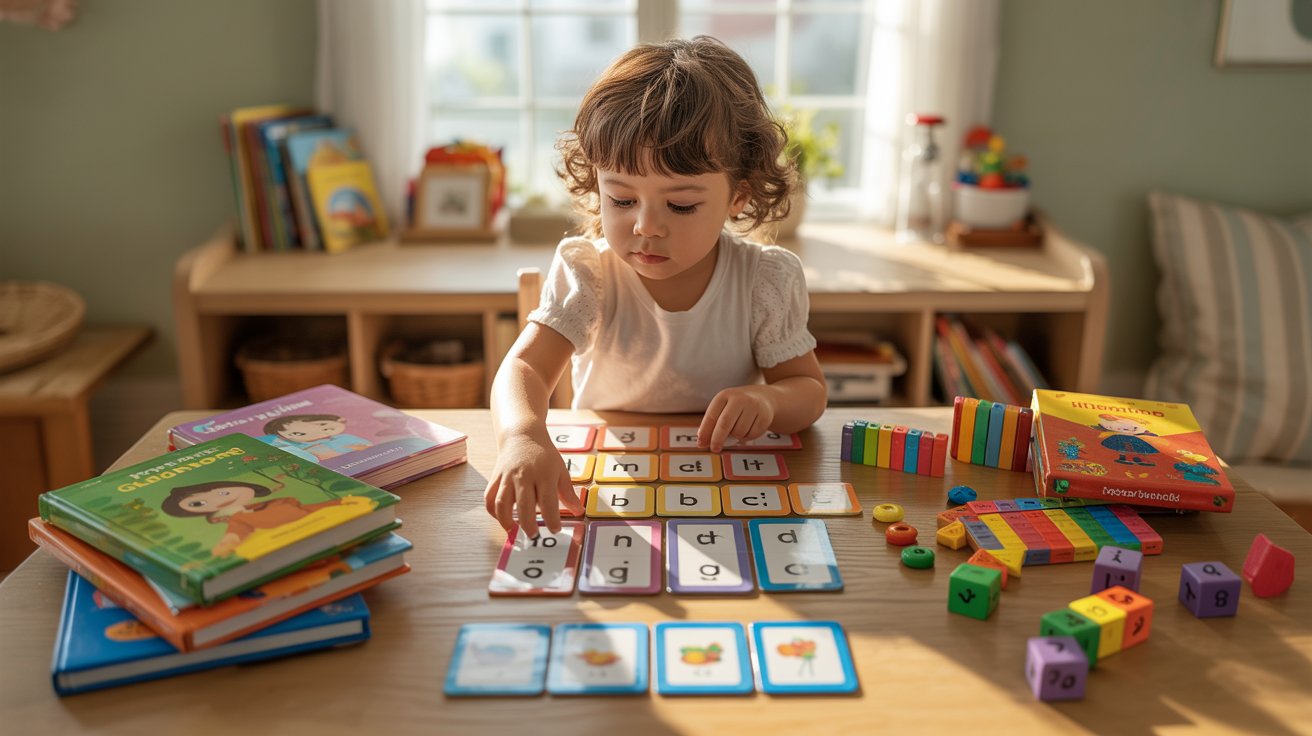
This is a colorful, structured, faith-based curriculum with a strong focus on phonics, reading, and early math.
Parents love how visually appealing it is for young children. Many describe it as engaging and well-organized.
It's one of the more polished programs available for this age group. A few parents note it moves a little fast for beginners, so slowing down the pace when needed is totally fine.
It works especially well for families who want a structured daily plan.
My Father's World Kindergarten
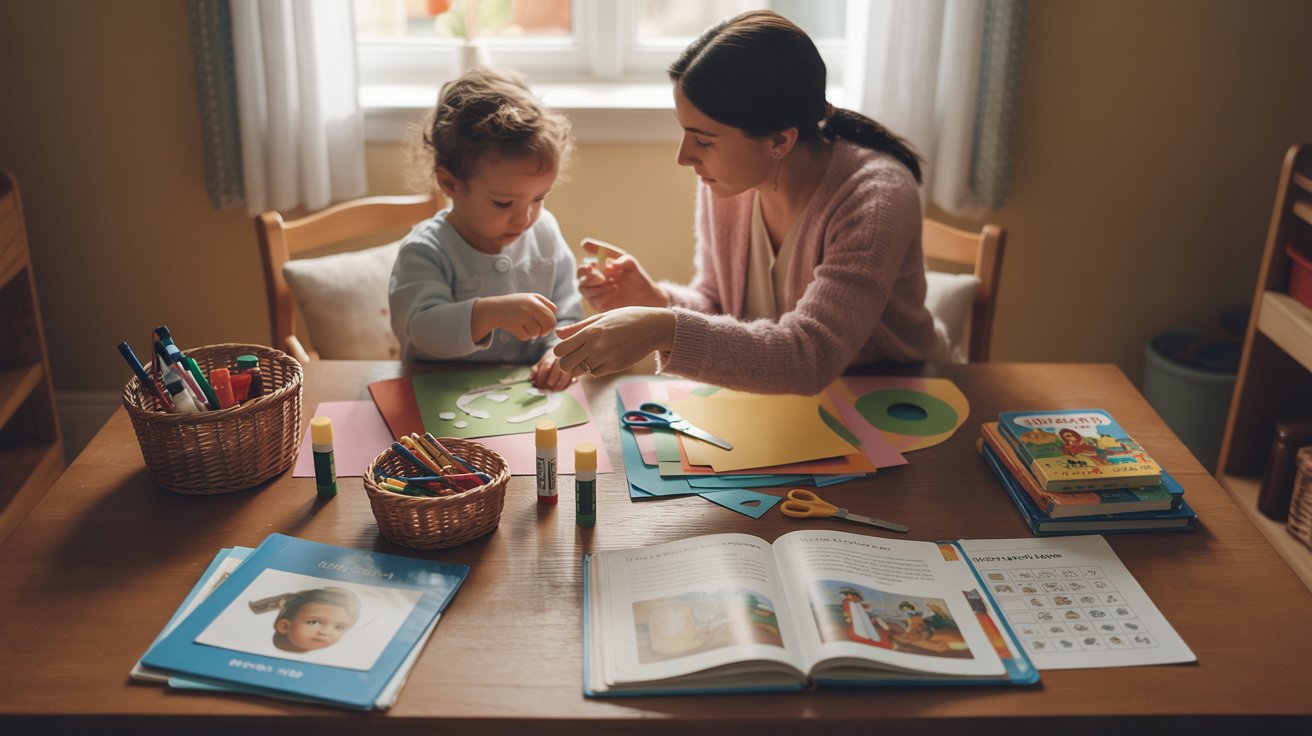
My Father's World combines Bible stories, academic lessons, and crafts into one weekly plan.
It's an all-in-one program with a clear structure that first-time homeschoolers tend to appreciate. Parents consistently say it's easy to follow, even with no teaching experience.
The main feedback is that it offers less flexibility if you want to skip or swap lessons.
For families who prefer a set routine and a faith-centered approach, this is a solid pick.
Sonlight Kindergarten
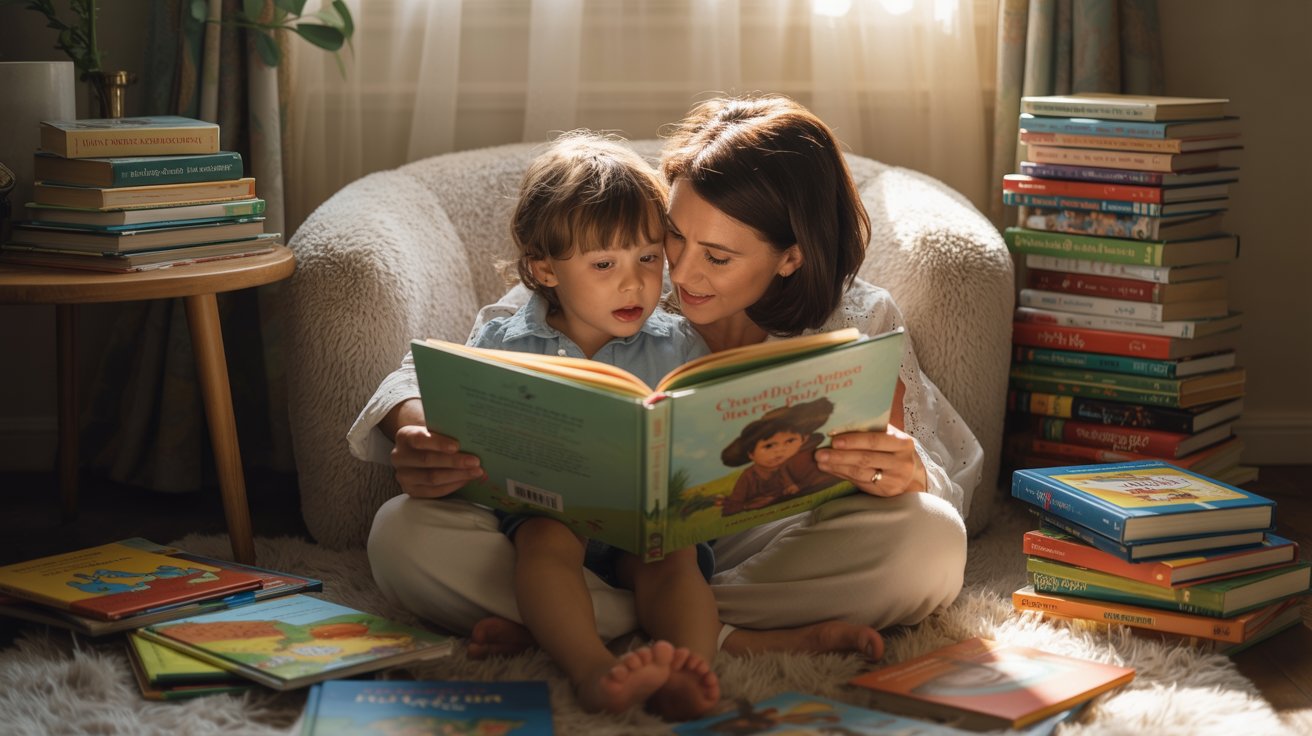
Sonlight is a literature-based curriculum that puts books and read-alouds at the center of learning. If your child loves being read to, this program is built around that.
Parents in homeschool forums praise it for building a genuine love of reading in young children. It's one of the strongest programs for language development.
The two most common drawbacks mentioned are the higher price point and the heavy parent involvement it requires.
It works best when a parent can dedicate real daily time to the read-aloud sessions.
Ambleside Online (Kindergarten Year 0)

Ambleside Online is a free Charlotte Mason-style curriculum that uses living books and narration instead of traditional worksheets.
Parents who value a more natural, story-driven learning approach tend to love it. Many describe it as rich and meaningful.
It's a very different approach compared to structured programs. The main challenge is that it requires more planning from the parent's side.
It's a great fit for families who enjoy a flexible, book-centered routine and don't mind doing some extra prep work.
Classical Conversations Foundations

Classical Conversations is a group-based homeschool program built around memory work and structured learning cycles.
It's different from most home-based curriculums because it involves weekly group classes with other homeschool families.
Parents highlight the strong community support as one of its biggest benefits. Children get social interaction alongside structured learning.
However, it's not ideal for families who want full flexibility or prefer working entirely at home. The group format and weekly commitment may not suit every schedule.
All About Reading (Phonics Program)
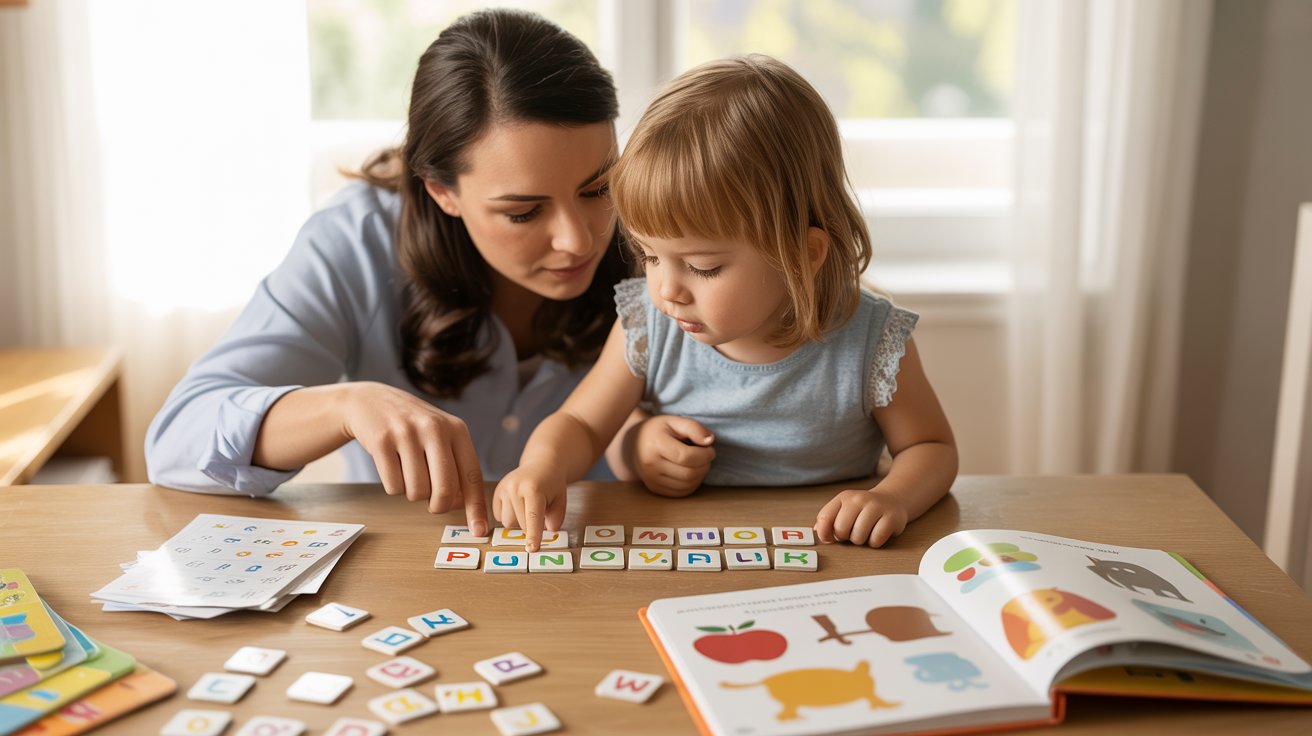
All About Reading is a dedicated phonics and reading program rather than a full curriculum. It focuses on literacy step by step, building reading skills in a clear, structured way.
Parents who use it consistently report strong results, especially for children who need a more systematic approach to reading.
It works best when used daily with a regular routine. Many parents pair it with another curriculum to cover math and other subjects.
For phonics specifically, it's one of the most recommended programs in homeschool communities.
What Real Homeschool Parents Say About Kindergarten Curriculum Choices

Real parents cut through the noise pretty fast when they talk about what actually works.
Most parents agree
- Simplicity works better than complex, packed programs at this age.
- Read-alouds are more effective than sitting with worksheets every day.
- Play-based learning is how young children actually absorb and retain information.
- A calm, low-pressure routine beats an ambitious daily schedule every time.
Common forum insights
- Too many curriculums at once create confusion for both child and parent.
- One solid curriculum used consistently is usually more than enough.
- Children learn at very different speeds, and that's completely normal.
- Comparing your child's progress to others does more harm than good.
The clearest takeaway from real parent experiences is this: the best curriculum is the one you'll actually use every single day.
How Parents Choose the Best Kindergarten Homeschool Curriculum
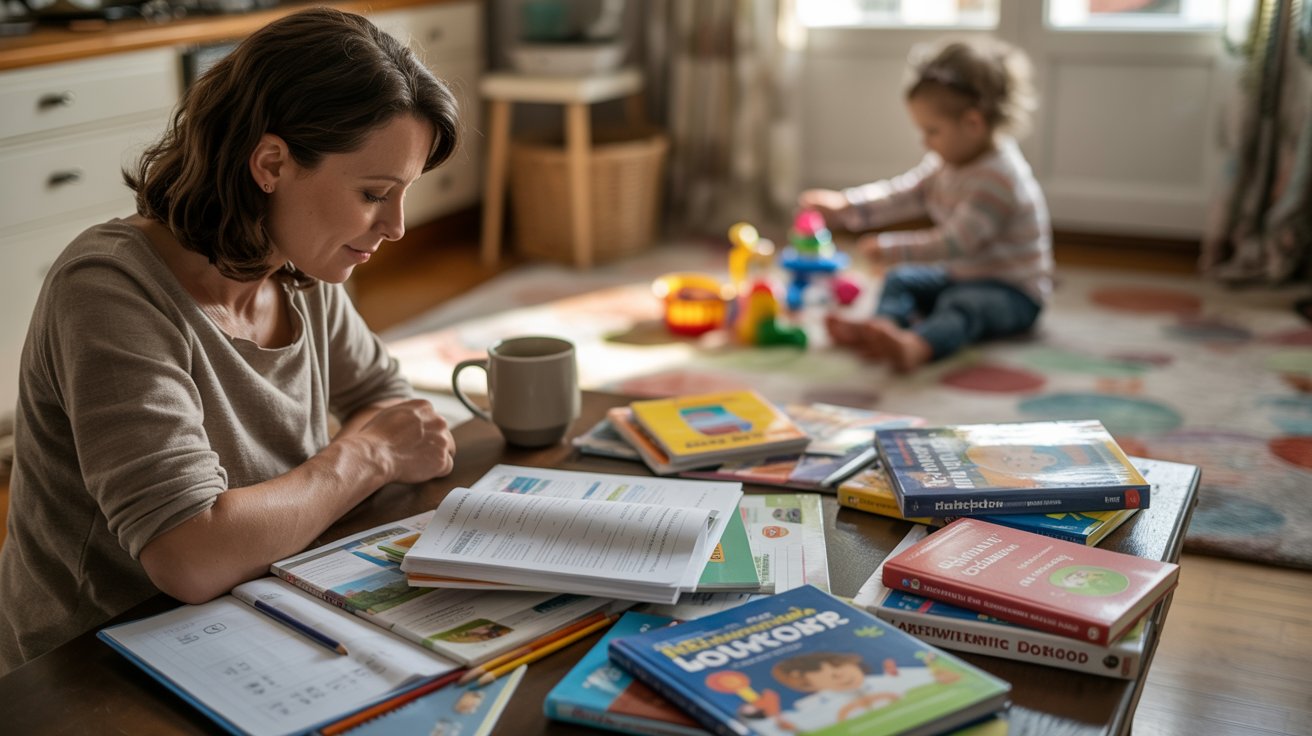
Choosing a curriculum comes down to four things:your child, your style, your budget, and your experience level.
Visual learners do better with colorful, image-rich programs. Hands-on learners need crafts and activities built into the plan.
If you prefer a structured day, look for programs with clear daily lesson plans. If you like flexibility, choose something you can adjust freely.
Free options like Easy Peasy and Ambleside work well for tight budgets. For beginners, the simpler the program, the better the chance you'll stick with it.
Conclusion
Picking a kindergarten homeschool curriculum felt overwhelming to me at first too. So many options, so many opinions.
But once I focused on what fit my child and my routine, things got much easier.
You don't need the most expensive or the most popular program. You need the one that works for your family.
Start simple, stay consistent, and adjust as you go. Drop a comment and tell me which curriculum you're considering.
Share this with a homeschool parent who's still deciding.
Frequently Asked Questions
What is the best free kindergarten homeschool curriculum?
Easy Peasy All-in-One and Ambleside Online are both free and well-regarded by homeschool parents.
How many hours a day should kindergarten homeschool take?
Most kindergarten homeschool sessions take one to two hours a day, depending on the child's focus.
Can I homeschool kindergarten with no teaching experience?
Yes, many beginner-friendly curriculums like My Father's World are built specifically for first-time homeschool parents.
Is a structured or flexible curriculum better for kindergarten?
It depends on your child. Some kids do better with routine, while others learn more through play and flexibility.
Do I need to buy a full curriculum or can I mix programs?
You can mix programs. Many parents use one main curriculum and add a separate phonics or math program alongside it.