


I've watched kids light up the moment they hold a paintbrush for the first time. That moment is everything. Teaching art to kids isn't just about colors and shapes.
It's about building confidence, imagination, and a way to express feelings words can't cover.
In this article, I'll walk you through how to teach art to kids like a pro educator from setting up the right space to using techniques that actually work.
With years of hands-on experience in children's art education, I've got you covered.
Understanding How Children Learn Art
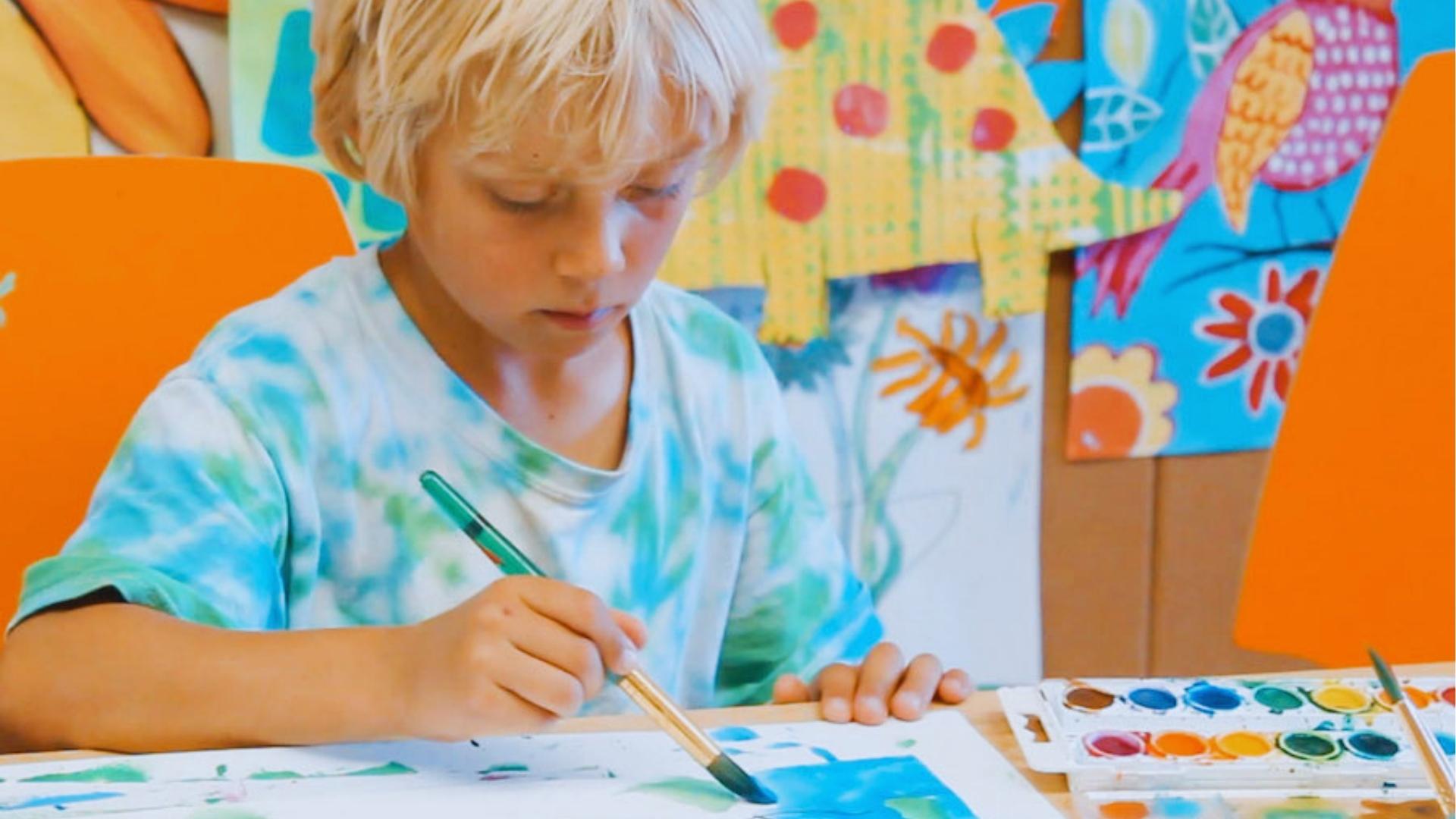
Children learn art differently than adults, and understanding this changes everything about how you teach. Kids are born creative. They don't need rules to start making art.
But as they grow, basic techniques help them express ideas more clearly.
The goal is simple: let them create freely first, then introduce skills slowly.
Imagination drives early development. A child drawing a purple sun is thinking freely, not making a mistake. Pro educators protect that thinking and expand it.
Children also learn best by doing. Touching textures, mixing colors, and playing are not distractions. They are the foundation of real art growth.
Setting the Right Environment for Art Learning
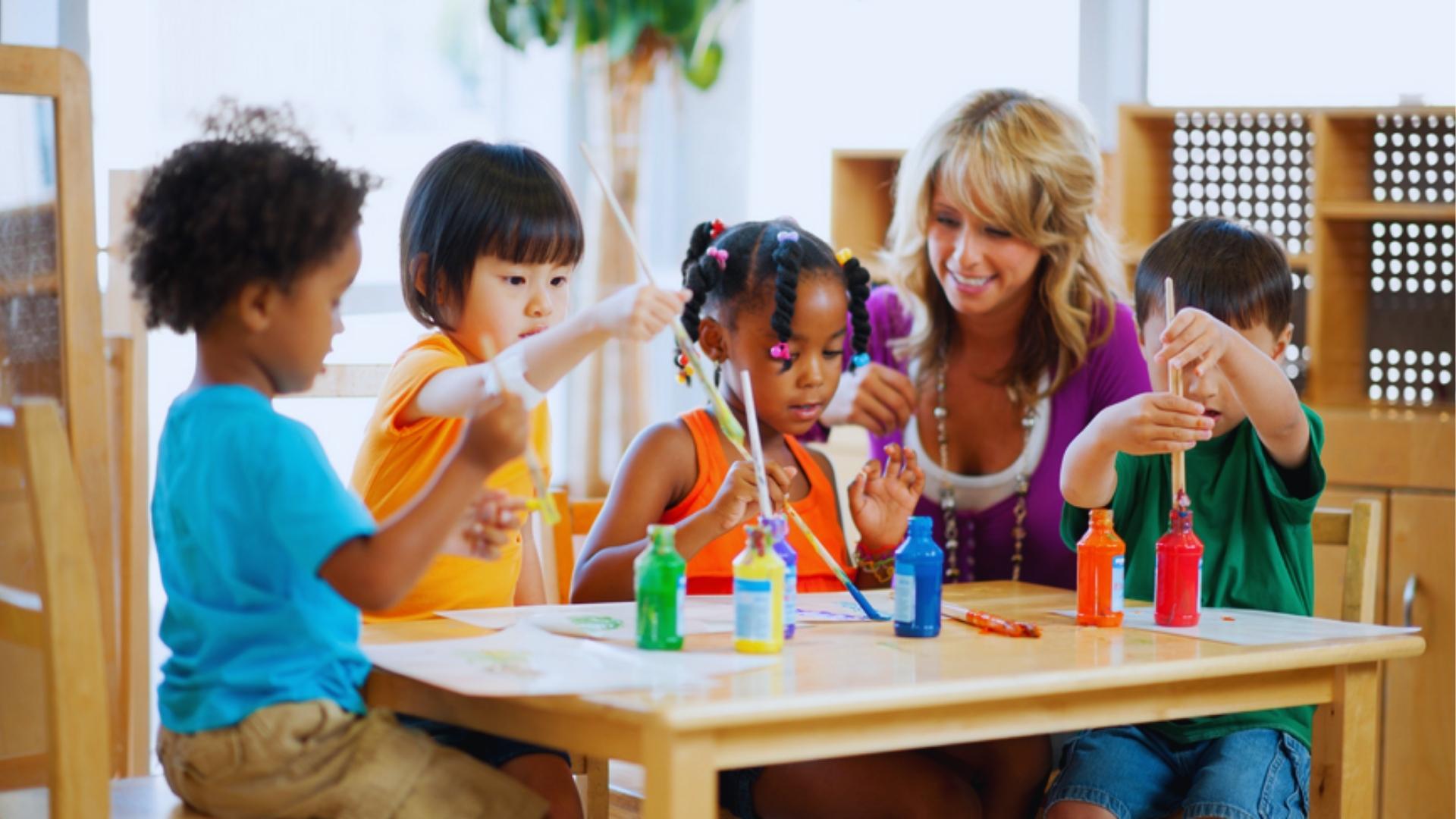
A good space makes kids feel safe to create without fear of making a mess or a mistake.
Creating a Safe and Influencing Art Space
Space matters. Keep it bright, open, and low-pressure. Use washable surfaces. Display past artwork on the walls.
When kids see their own work displayed, they feel proud and motivated to create more.
Choosing Age-Appropriate Art Supplies
Big crayons for small hands. Thick brushes for beginners. Age-appropriate supplies prevent frustration. A 5-year-old with a tiny detail brush will struggle. Match the tools to the child's age and skill level.
Encouraging Freedom Without Overwhelming Structure
Too many rules kill creativity. Too little structure leads to chaos. Find the middle. Give kids a loose theme or prompt, then step back. Let them make choices. That's where confidence grows.
Core Techniques Pro Educators Use to Teach Art
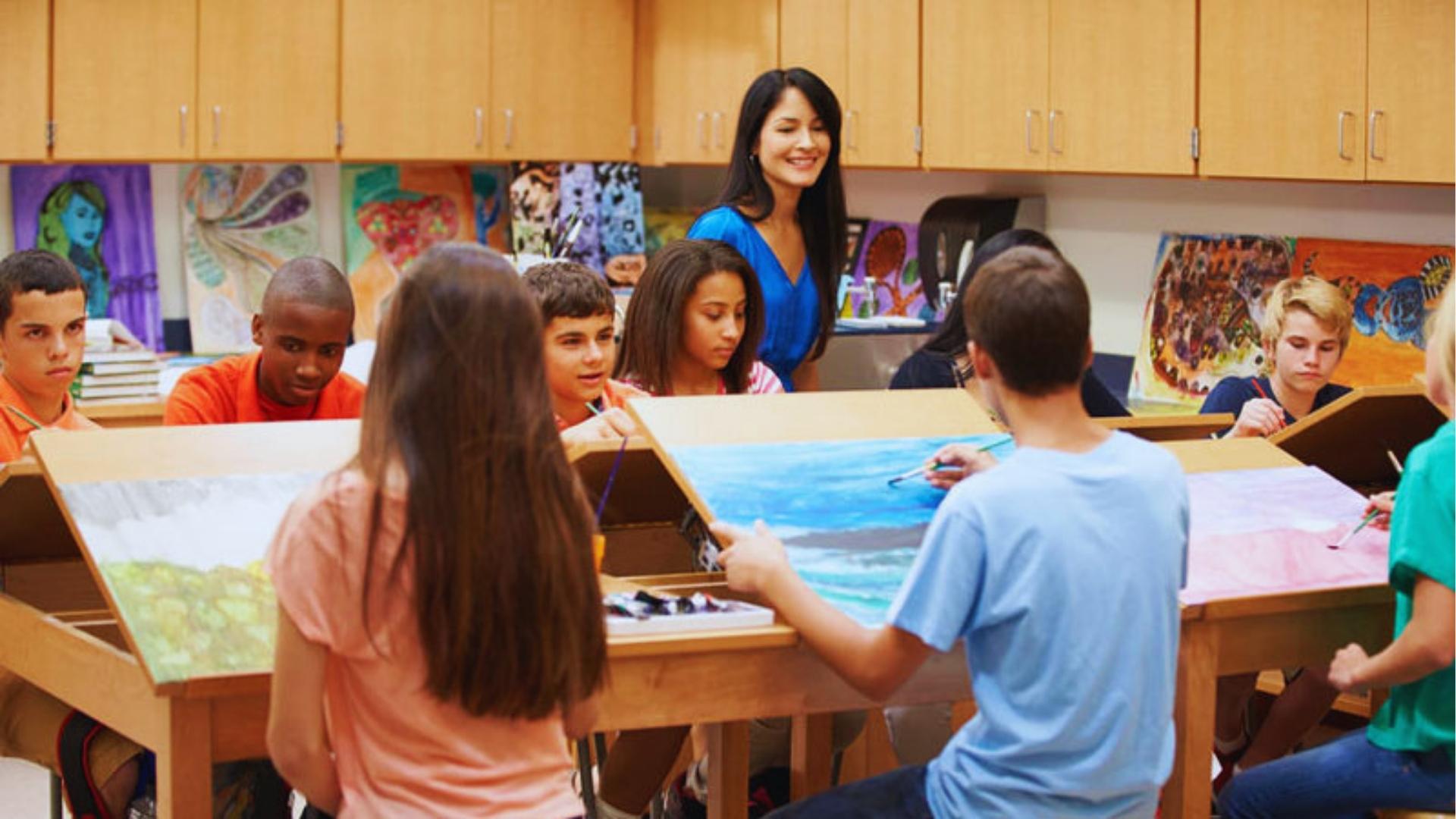
These proven methods help kids grow as artists without losing their creative spark.
Demonstration Without Limiting Creativity
Show, don't dictate. A pro educator demonstrates a technique like blending colors but never says "it must look like this." Show the skill. Let kids apply it their own way.
Encouraging Experimentation With Materials and Styles
Let kids try watercolor one day, clay the next. Exposure to different materials keeps interest alive. It also helps kids find what they love. Some kids are sculptors. Others are painters. You won't know until they try.
Teaching Through Exploration Instead of Instructions
Instead of giving step-by-step instructions, ask questions. "What do you think happens if you add water to this paint?" Curiosity-led learning sticks. Kids remember what they figure out on their own.
Allowing Mistakes as Part of the Learning Process
Mistakes are not failures in art. A smudge can become a cloud. A wrong color can start a whole new idea. Teach kids to work with mistakes, not around them. This mindset lasts well beyond the art room.
Building Creativity and Confidence in Kids
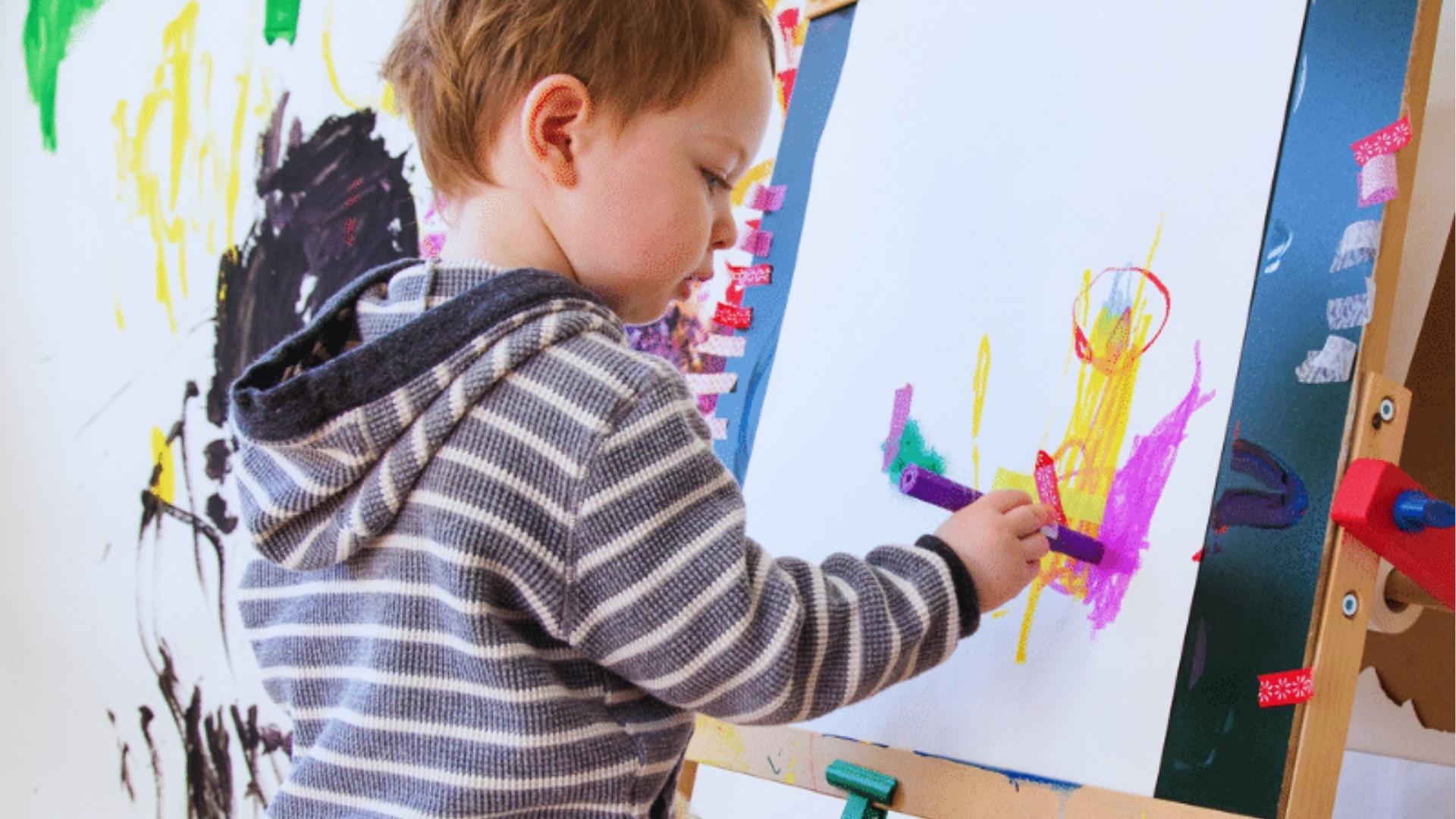
Confidence in art often leads to confidence in life and it starts with how you respond.
How Art Boosts Self-Expression and Confidence
When a child creates something from nothing, it feels powerful. Art gives kids a voice. It lets them say things they can't put into words. That kind of expression builds real confidence over time.
Using Positive Reinforcement Effectively
Avoid empty praise like "That's amazing!" Instead, be specific. "I love how you used blue and green together here." Specific feedback shows kids you're paying attention. It means more and it sticks.
Showcasing Children's Artwork to Motivate Them
Display their work. Share it with parents. Hang it in common spaces. When a child sees their art valued, they want to create more. Recognition fuels effort.
Incorporating Advanced Teaching Strategies
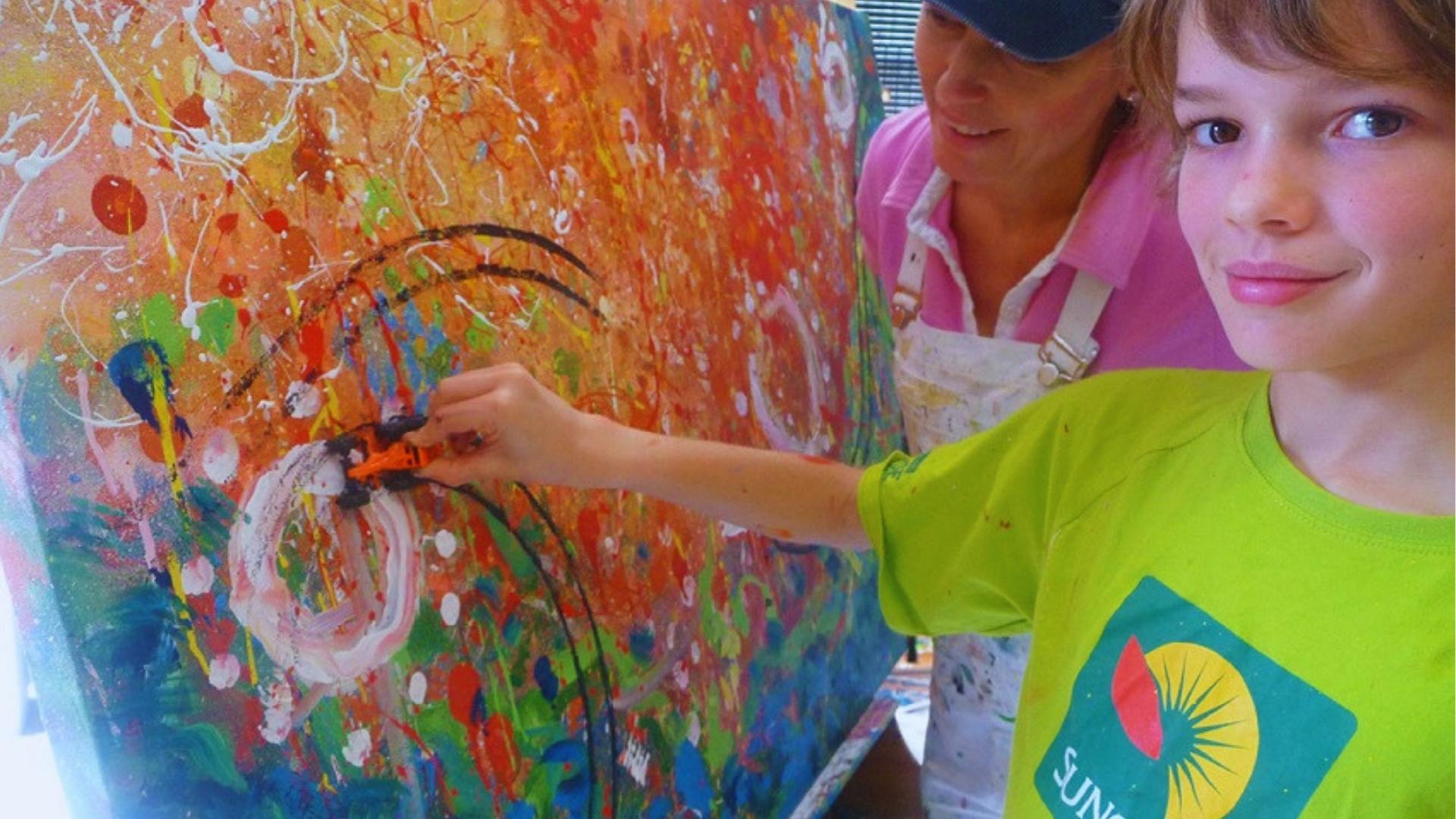
Taking art education a step further helps kids connect creativity to the wider world.
Introducing Art History in a Kid-Friendly Way
You don't need a lecture. Show a Van Gogh painting and ask, "What do you think he was feeling?" Make art history a conversation, not a lesson. Kids connect with stories and emotions, not dates and facts.
Blending Traditional and Modern Art Techniques
Mix it up. One week, try sketching and pencil work. Next, try digital drawing on a tablet. Blending old and new keeps things fresh and prepares kids for a world where both matter.
Encouraging Group Projects and Collaboration
Group art teaches teamwork. A shared mural or collage requires kids to listen, compromise, and build on each other's ideas. These are life skills wrapped inside a fun project.
Common Mistakes to Avoid While Teaching Art
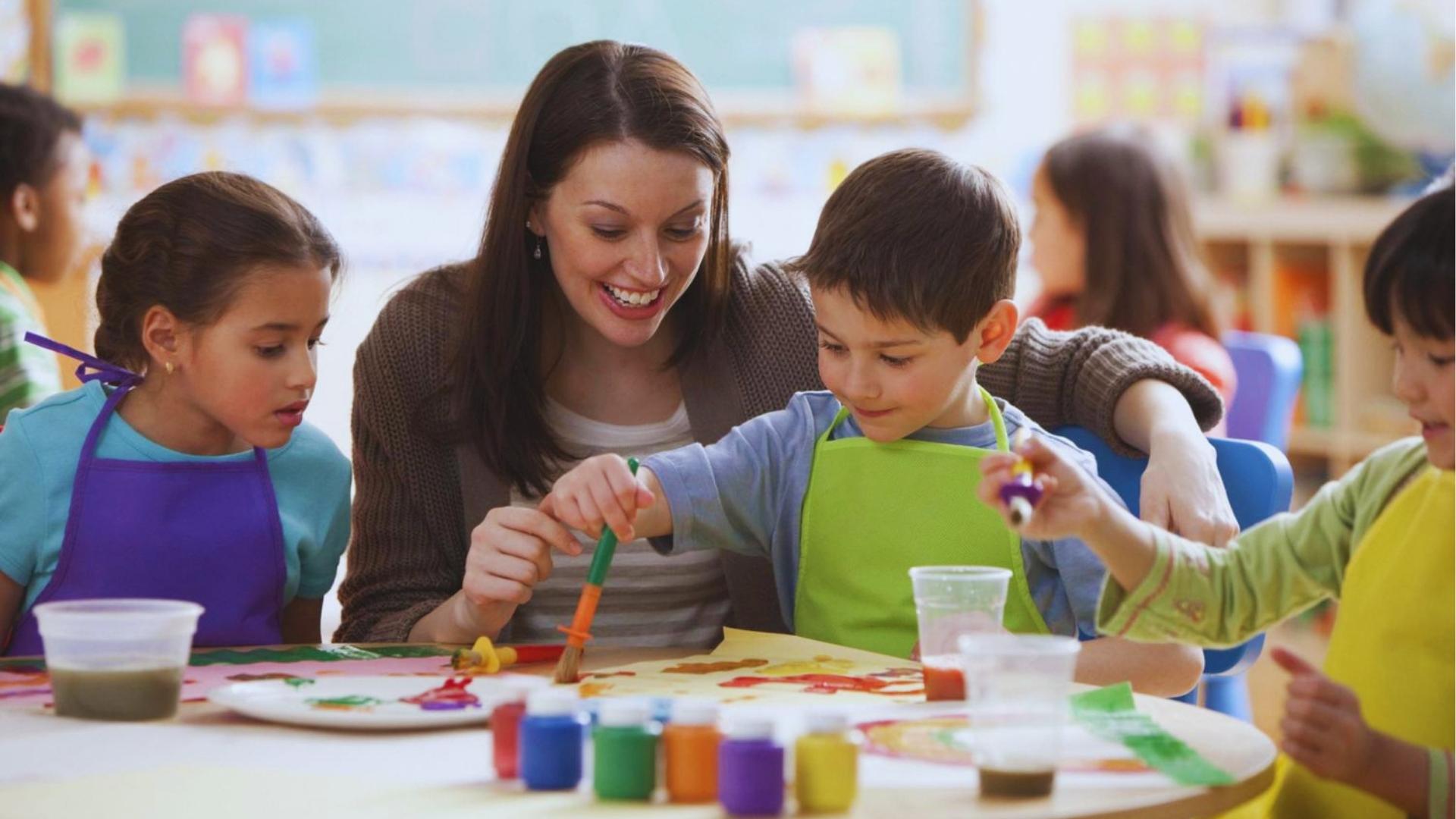
Even well-meaning teachers make these errors knowing them helps you teach better.
Over-Controlling the Creative Process
When adults step in too much, kids stop trusting their own ideas. Guide, don't control. Your job is to support the process, not direct the outcome.
Focusing Too Much on Perfection
Art is not about perfect lines. When kids feel they must be perfect, they stop taking risks. Risks are where the best art comes from. Let go of perfection.
Ignoring Individual Learning Styles
Some kids learn by watching. Others by doing. Some need verbal explanation. A pro educator pays attention to how each child absorbs information and adjusts their approach. One size does not fit all.
Expert Tips for Teaching Art Like a Pro
Small shifts in how you teach can make a big difference in how kids grow.
- Keep sessions fun and flexible, play music, switch formats, and keep energy high. Fun drives learning.
- Focus on process over results and ask kids how they made something, not just what it looks like.
- Adapt your teaching to each child fine motor struggles need different support than advanced sketchers.
- Meeting every child where they are progressing looks different for each kid, and that's completely fine.
- Encourage storytelling through art and ask kids to explain their drawing. It deepens their connection to the work.
- Art and language grow together storytelling builds both creative thinking and communication skills.
Conclusion
Teaching art to kids is one of the most rewarding things you can do. I remember the first time a shy student showed me a drawing she'd kept hidden in her notebook.
She just needed someone to make it feel safe. That's what pro educators do. They create space for kids to grow. Start small. Be patient.
Focus on the child, not the outcome. If this helped you, share it with another teacher or parent. Drop a comment below. I'd love to hear how you teach art in your space.
Frequently Asked Questions
What age should kids start learning art?
Kids can start as early as 2 to 3 years old with simple activities like finger painting. Structured art learning works well from age 5 onward.
How long should an art session be for young kids?
For children under 7, keep sessions between 20 to 30 minutes. Older kids can handle 45 minutes to an hour before losing focus.
Do kids need formal art training to develop their skills?
No. Many great artists never had formal training. Consistent practice, encouragement, and exposure to different materials matter more than formal classes.
How do I handle a child who says they're not good at art?
Remind them there is no "good" or "bad" in art. Focus on effort and expression. Specific praise for small wins helps rebuild their confidence over time.
What are the best art materials for beginners?
Washable crayons, thick brushes, non-toxic paint, and modeling clay are great starting points. Keep it simple and easy to handle for small hands.