


Learning how to get good grades in middle school is something I wish someone had taught me earlier.
Middle school can feel overwhelming, with more subjects, harder tests, and less hand-holding from teachers. But here is the good news. Better grades are completely possible with the right habits.
In this blog, I will cover study habits, time management, classroom tips, and daily routines that actually work.
I have worked with students long enough to know what helps and what does not. Let this guide be your starting point.
The Basics of Getting Good Grades in Middle School
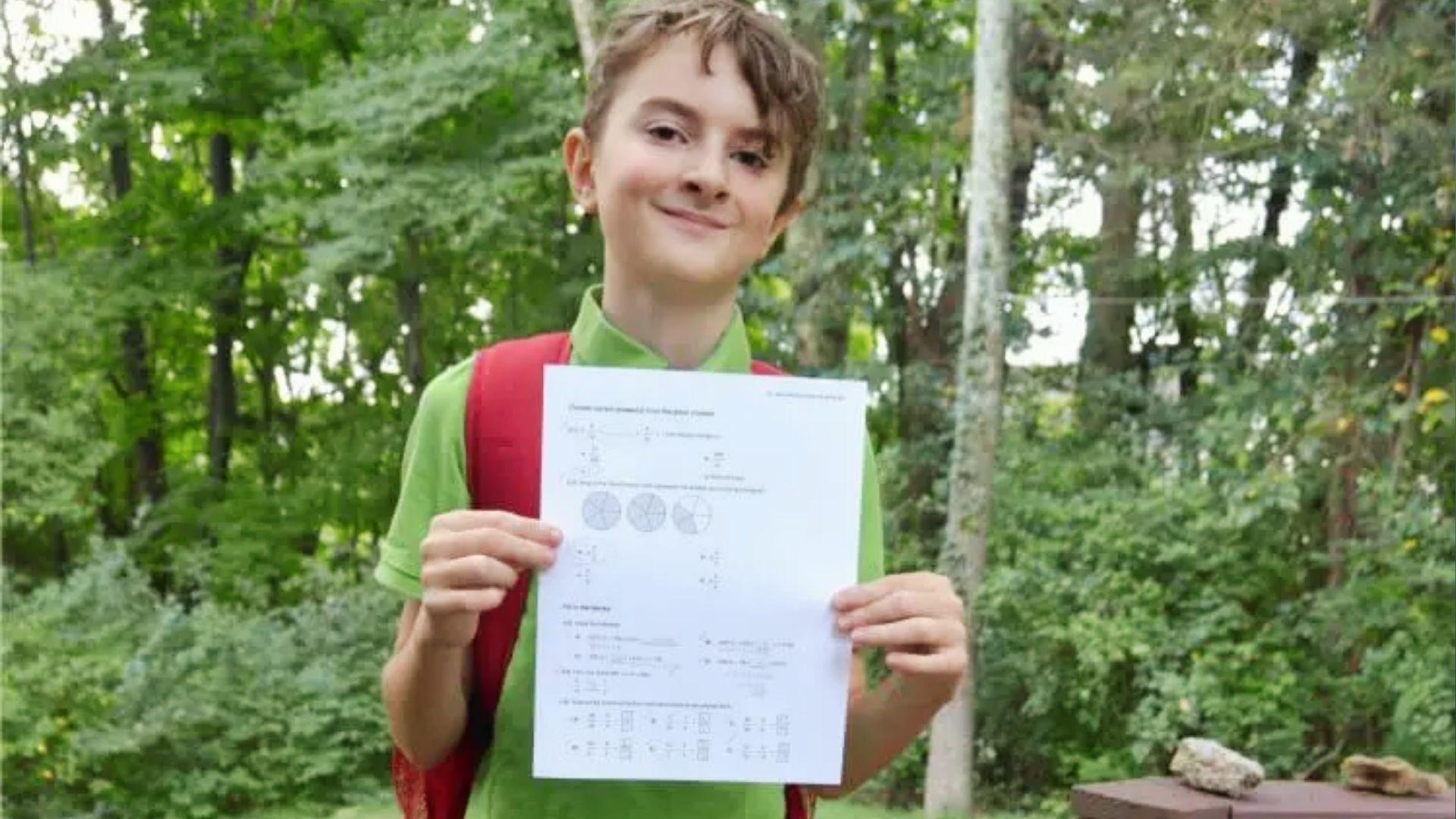
The basics of getting good grades in middle school start with things most students overlook. Check your class syllabus so you know how grades are calculated.
Homework, tests, quizzes, and participation all carry different weights. Study at the same time every day.
Even 30 minutes of focused work beats two hours of cramming the night before a test. And stop chasing perfect scores.
Aim to improve little by little instead. A student moving from a C to a B is making real, solid progress worth being proud of.
11 Ways to Improve Grades in Middle School
These proven tips work for most students when applied consistently.
1. Create a Consistent Homework Routine Every Day After School

Pick a set time to do homework every day. Sitting down at the same time builds a habit your brain follows. Over time, starting homework feels less like a struggle.
2. Use a Planner to Track Every Assignment and Test Date
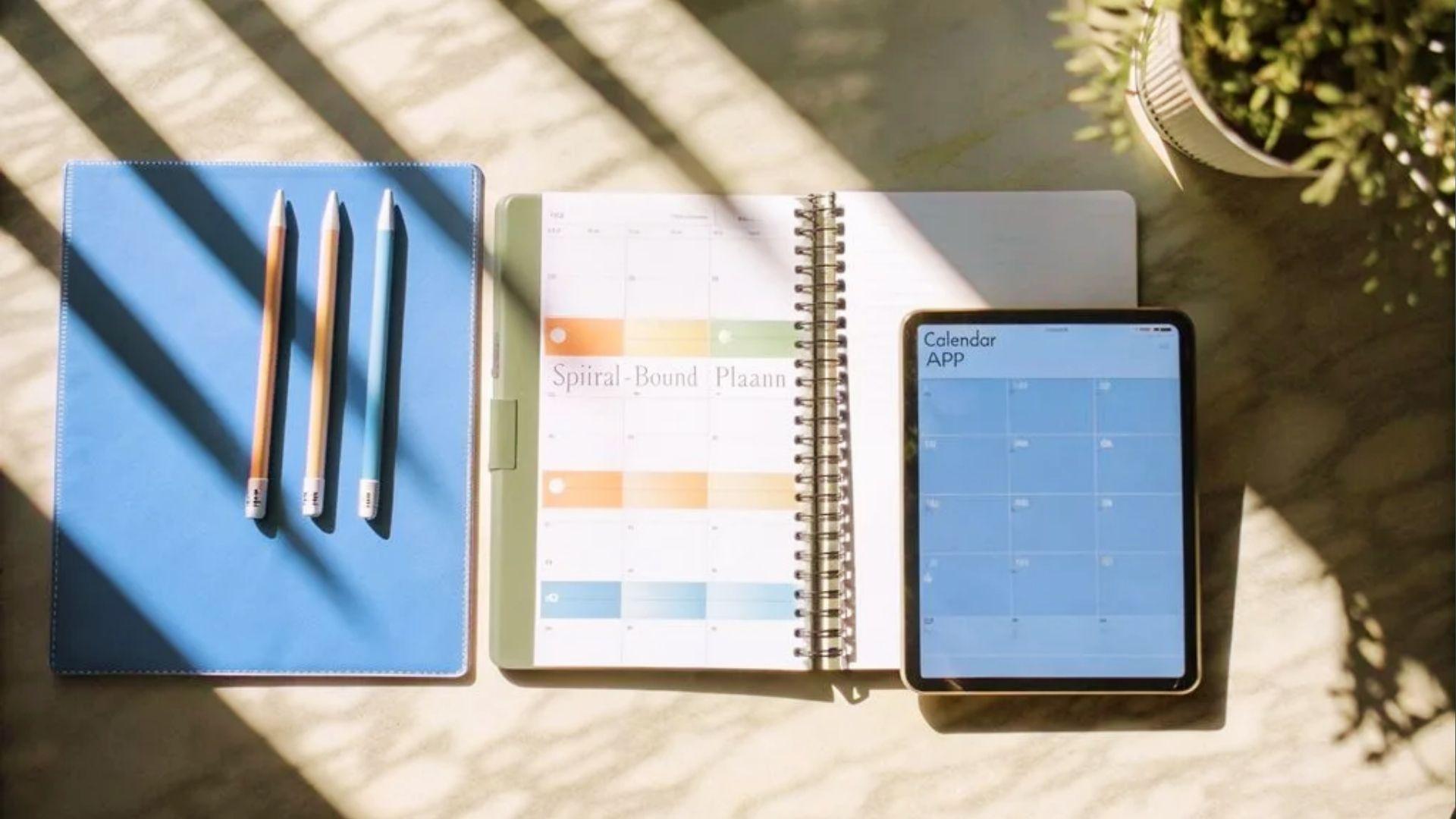
Write down every task the moment your teacher gives it. Check your planner every morning and evening. This simple step keeps you from forgetting anything important.
3. Take Better, Cleaner Notes During Every Class

Focus on key ideas, definitions, and examples during class. Write in your own words instead of copying everything word for word. Clean notes are much easier to review later.
4. Review Notes for Ten Minutes Before Bed Each Night

A quick review before sleep helps your brain hold onto information. You do not need a long session. Ten focused minutes each night adds up to strong test preparation.
5. Start Studying for Tests at Least Four Days Early

Waiting until the last night to study increases stress and lowers scores. Starting four days early gives you time to review, rest, and fill in any gaps you find.
6. Ask Teachers for Help When You Feel Confused

Do not sit quietly when something does not make sense. Raise your hand or stay after class. Teachers respect students who ask questions and are always willing to help.
7. Join a Study Group or Find a Reliable Study Partner

Studying with a focused friend keeps you motivated and on track. Explaining topics to each other is one of the best ways to check how well you actually understand the material.
8. Limit Phone and Social Media During Study Hours

Put your phone in another room while you study. Even one quick scroll can break your focus for several minutes. Distraction-free study time gets more done in less time.
9. Get at Least Eight to Nine Hours of Sleep Each Night

Sleep is when your brain stores what you learned that day. Staying up late to study usually does more harm than good. Rest well so your brain can perform at its best.
10. Set One or Two Academic Goals at the Start of Each Week

Every Sunday, write down one or two small school goals for the week ahead. Goals give you direction and a reason to stay focused. Small weekly wins build into big results.
11. Learn From Test Mistakes and Use Teacher Feedback to Improve

When you get a graded test back, look at every mistake carefully. Figure out where you went wrong and why.
Students who do this consistently improve much faster than those who ignore feedback.
Best Study Habits for Middle School Students

Good study habits save time and make learning stick longer.
Take Better Notes During Class
Write down key words, definitions, and examples. You do not have to write every word the teacher says. Focus on the main ideas. Use your own words when possible.
Review Notes Every Day
Spend five to ten minutes reviewing that day's notes before bed. This simple habit helps your brain store information better than reading everything the night before a test.
Use Flashcards, Practice Tests, and Study Guides
Flashcards work well for vocabulary and formulas. Practice tests help you find weak spots before the real exam. Study guides help you organize large amounts of information clearly.
Find a Study Method That Works for You
Some students learn by reading. Others learn by writing things out or teaching the material to someone else. Try a few methods and stick with what helps you remember the most.
Time Management Tips That Help Students Succeed

Managing your time well means less stress and more free time after school.
Prioritize Homework and Important Deadlines
Always finish high-priority tasks first. If a test is tomorrow, study for that before working on a project due next week. Work based on deadlines, not just what feels easiest.
Balance School, Activities, and Free Time
School is important, but so is rest. Build free time into your day. Students who rest well focus better and feel less burned out during the week.
Reduce Phone and Social Media Distractions
Put your phone in another room while studying. Even a quick scroll can break your focus and add 20 minutes to your study time. Turn off notifications during homework hours.
Set Weekly Academic Goals
Every Sunday, write one or two school goals for the week. Maybe you want to finish all your homework before Friday or review notes every day. Small weekly goals keep you moving forward.
Healthy Habits That Support Academic Success

Your body and mind both need care for school performance to stay strong.
Get Enough Sleep Every Night
Sleep is when your brain stores what you learned. Aim for eight to nine hours every night. Staying up late to study usually hurts more than it helps.
Eat Healthy Meals Before School
A good breakfast gives your brain fuel to focus. Avoid skipping meals or eating only junk food. Simple foods like eggs, fruit, oatmeal, or whole grain toast work well.
Manage Stress in Healthy Ways
If school feels overwhelming, talk to a parent, counselor, or trusted adult. Exercise, deep breathing, or even a short walk outside can lower stress quickly.
Stay Motivated During Difficult Subjects
Every student has a subject that feels hard. Break it into tiny pieces. Celebrate small wins. Ask for help early. Hard subjects become easier with repeated practice and patience.
Student Tips for Long-Term Academic Success
Short-term effort builds long-term results when you stay consistent.
- One good study session does not change your grades. Thirty days of consistent habits will.
- When you get a test back, look at every mistake and use teacher feedback to do better next time.
- Studying with a focused friend helps you stay on track and understand lessons more deeply.
- Explaining a topic to a classmate is one of the best ways to check if you truly get it.
- Small wins matter. Going from a D to a C or finishing all homework on time is real progress.
Conclusion
The students who improve their grades are not always the smartest in the room. They are simply the most consistent.
Talent without effort fades fast, but small daily habits build real results over time. Learning how to get good grades in middle school is not about being perfect.
It is about showing up and trying every single day. I remember feeling lost too, but small changes made all the difference.
Try one tip this week and build from there. If this helped, share it with a friend or drop a comment below.
Frequently Asked Questions
How to get good grades in middle school fast?
Start by reviewing notes daily and finishing homework on time. Focus on your weakest subjects first, and ask for help early instead of waiting.
How to get good grades in middle school easily?
Use a planner, build a daily study routine, and avoid last-minute cramming. Small consistent actions every day make school feel much more manageable.
What are the best study habits for middle school students?
Taking clear notes, reviewing them daily, using flashcards, and starting test prep early are the most effective habits students can build.
How can time management improve school performance?
When you manage time well, you finish work before deadlines and have time to review. Less stress means better focus and stronger performance on tests.
What mistakes should middle school students avoid?
Avoid cramming the night before tests, skipping homework, and ignoring teacher feedback. These habits hurt grades more than most students realize.