


Sitting down to do homework but ending up scrolling your phone instead? I have been there too.
How to focus on homework without procrastinating is something every student struggles with at some point.
In this blog, I will share what actually works. You will learn how to set up your study space, manage your time better, and build habits that stick.
I have tried these steps myself, and they made a real difference. Let us get into it.
Understanding Why Homework Procrastination Happens

Procrastination does not come from nowhere. Phones, TV, and social media pull your attention away before you even realize it.
When homework feels too big, your brain avoids it out of stress, not laziness. Without a clear plan, time slips away and harder tasks get ignored.
Poor time management means spending too long on easy work and rushing through what matters.
Multitasking makes everything worse. Switching between tasks lowers quality and takes more time. Doing one thing at a time, with a clear plan, is always the better way to work.
11 How to Focus on Homework Tips for Students
These quick and practical tips can be added to any study routine to help you stay on track daily.
1. Exercise Before Studying

A short walk or light workout before sitting down to study can do a lot for your focus. Exercise increases blood flow to the brain and lifts your energy levels.
You do not need an intense session to feel the difference. Even 10 to 15 minutes of movement is enough.
Starting your study time after some movement makes it easier to concentrate and get things done.
2. Stay Hydrated while Doing Homework

Your brain needs water to function well. Even mild dehydration can make you feel tired, slow, and unable to concentrate.
Keep a water bottle on your desk while studying. Sipping water regularly through your session helps you stay alert and sharp.
It is one of the easiest habits to build and one of the most effective for staying focused.
3. Take Short and Effective Study Breaks

Studying for too long without stopping leads to burnout and poor focus. Take a 5-minute break every 25 to 30 minutes to reset your mind.
Stand up, stretch, or step outside briefly. Short breaks actually help you retain more and work better when you return.
Your brain needs small pauses to process and store what you have learned.
4. Avoid Multitasking During Assignments

Doing two things at once might feel efficient but it slows you down. Your brain has to switch gears constantly, which drains energy and reduces the quality of your work.
Focus on one task at a time and finish it fully before moving on. Giving your full attention to one assignment always produces better results. Single tasking is the smarter way to study.
5. Keep a Daily To-Do List

Writing down your tasks gives you a clear picture of what needs to get done. It stops you from wasting time trying to remember what is next.
Cross off each task as you finish it. That small action gives you a sense of progress and keeps you motivated.
A simple list keeps your study session organized and on track from start to finish.
6. Avoid Studying in Bed

Your bed is connected to sleep and rest in your brain. Studying there sends mixed signals and makes it harder to stay focused.
It also makes it very easy to fall asleep mid-session without meaning to. Use a desk or table instead so your brain knows it is time to work.
A proper study spot makes a bigger difference than most students expect.
7. Track your Homework Progress
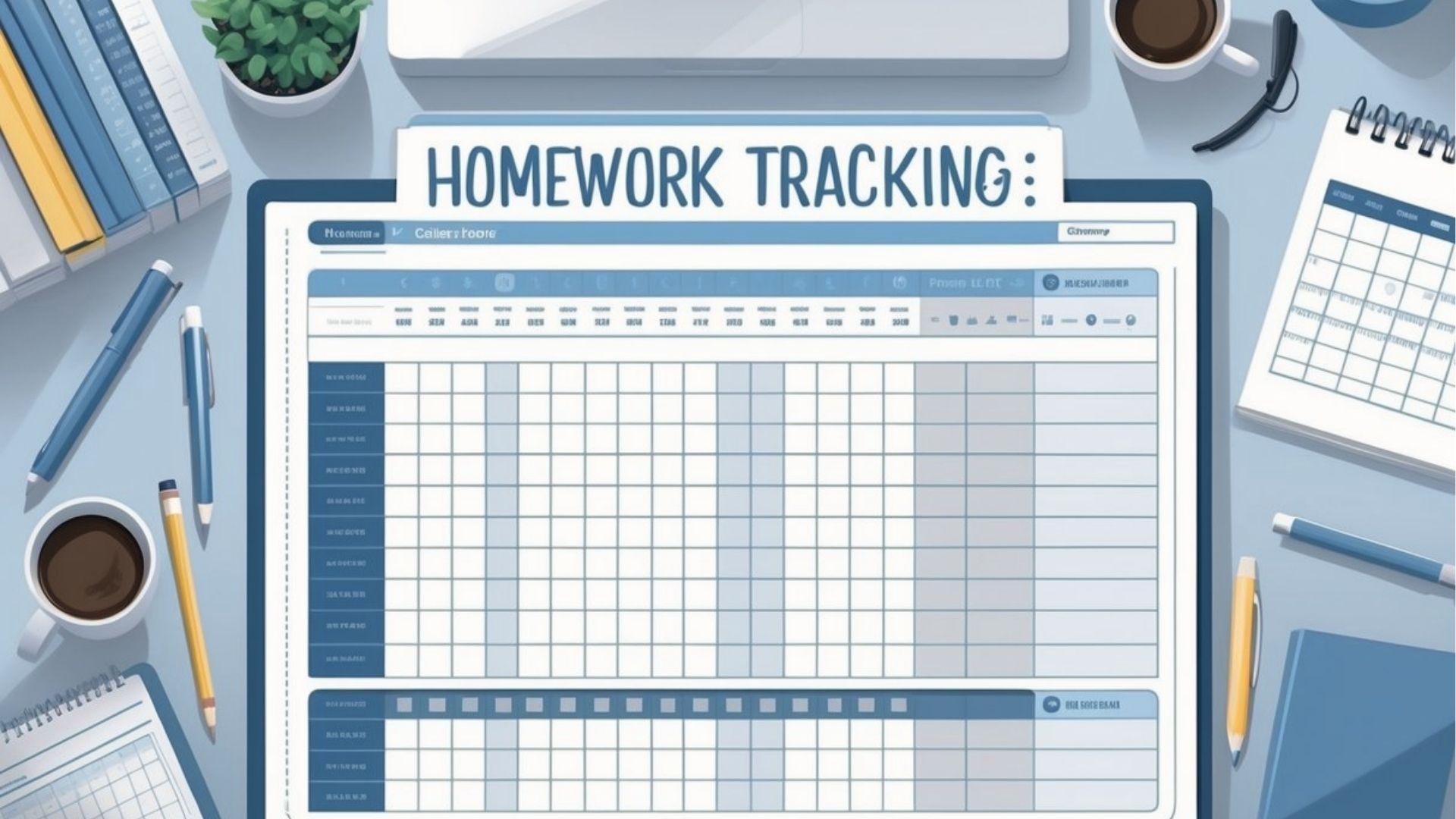
Keeping track of what you have completed helps you see how much you are actually getting done.
Use a planner, notebook, or phone app to log your progress daily. Seeing your work pile shrink is motivating and keeps you from feeling overwhelmed by everything ahead.
It also helps you stay accountable to your own goals. Small records of progress add up to big results over time.
8. Ask for Help When Needed
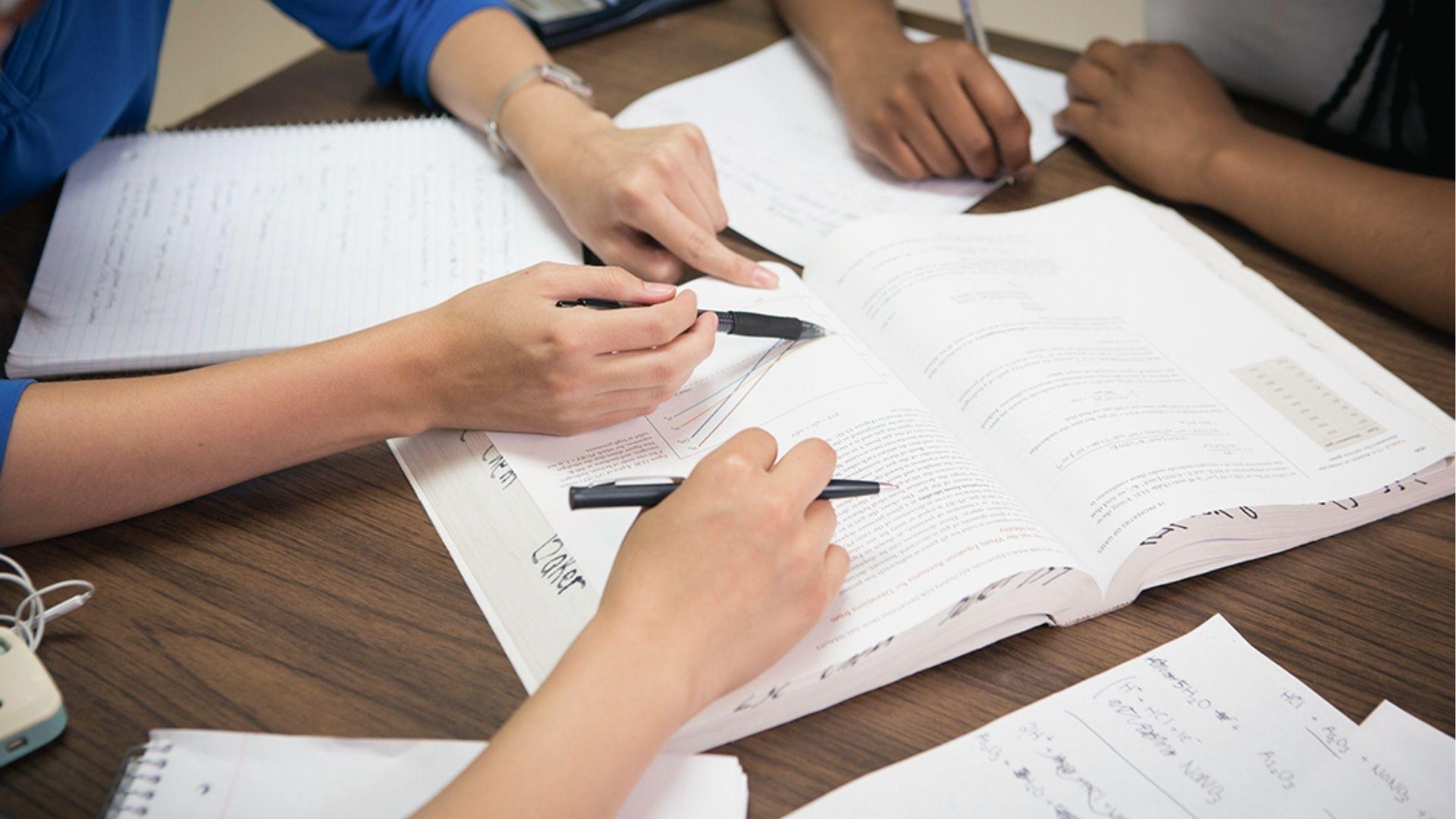
Sitting stuck on a problem for too long wastes your time and drains your energy. If you have been stuck for more than 10 minutes, reach out to a teacher, classmate, or parent.
Asking for help is not a weakness. It keeps you moving forward instead of falling behind. Getting the right support at the right time is one of the smartest things a student can do.
9. Create a Consistent Study Routine
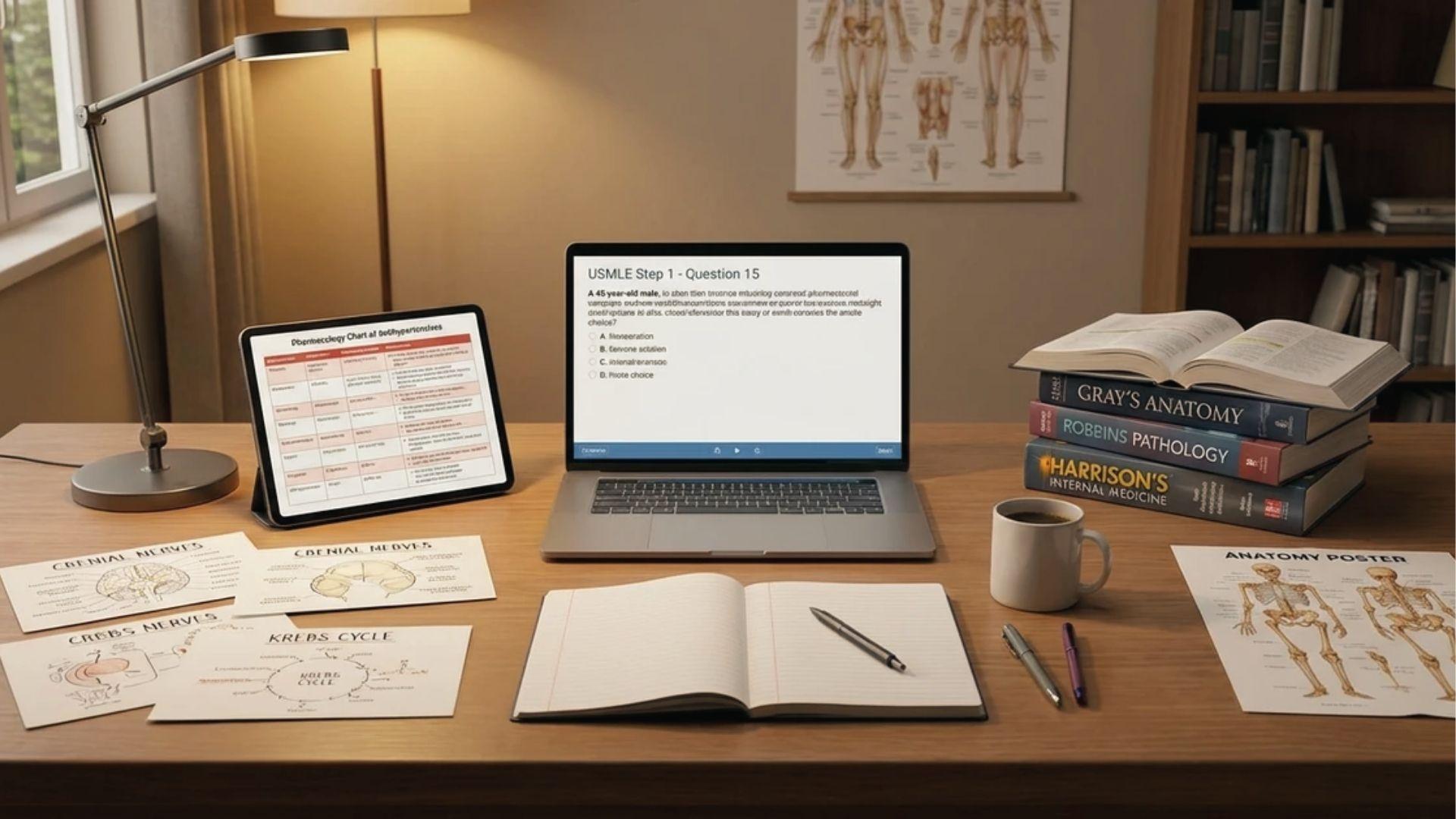
Studying at the same time every day trains your brain to expect it. Over time, getting into focus mode becomes faster and easier.
Pick a time that works for your schedule and stick to it every day. Consistency is what turns effort into a habit that lasts.
A steady routine removes the need to convince yourself to start because it simply becomes part of your day.
10. Celebrate Small Achievements to Stay Motivated

Every task you finish is worth acknowledging. Give yourself a small reward after completing a tough assignment.
It could be a snack, a short break, or a few minutes of something you enjoy. Recognizing your progress keeps your motivation strong and makes studying feel less like a chore.
Small wins build confidence and help you keep going even on harder days.
11. Remove Digital Distractions Before Starting Homework

Before you open your books, put your phone away, close extra browser tabs, and turn off notifications.
Digital distractions are the fastest way to lose an hour without realizing it. Setting up a distraction-free zone before you begin means you protect your focus from the very start.
Do this every single time before sitting down to study. It is a small step that makes a very big difference in how much you get done.
How to Focus on Homework Without Procrastinating Quick Tips
Simple and proven tips that help you stay on track and get your homework done without the stress.
- Exercise for 10 to 15 minutes before studying to boost brain energy and attention
- Keep a water bottle on your desk to stay hydrated and sharp throughout your session
- Take a 5-minute break every 25 to 30 minutes to reset your mind and avoid burnout
- Avoid multitasking and focus on one assignment at a time for better quality work
- Write a daily to-do list so you always know what needs to get done first
Conclusion
Focusing on homework without procrastinating does not happen overnight, and that is completely okay.
I struggled with this too, and small changes made the biggest difference for me. Start by picking just one tip from this blog and trying it today.
You do not need a perfect plan. You just need to begin. If this blog helped you, leave a comment below and let me know what works for you.
Share it with a friend who needs it too. You have got this.
Frequently Asked Questions
How can I focus on homework when I am tired?
Take a short 10-minute nap or do some light movement before starting. Studying when you are very tired leads to poor retention and more time wasted.
How long should I study before taking a break?
Study for 25 minutes and then take a 5-minute break. This is the Pomodoro method and it works well for most students to maintain focus.
What should I do if I keep getting distracted by my phone?
Put your phone in a different room or use an app blocker like Forest or Focus Mode. Removing the temptation is more effective than trying to resist it.
Is it okay to listen to music while doing homework?
Soft instrumental music or white noise can help some students focus. Avoid music with lyrics as it can interfere with reading and writing tasks.
How do I stop procrastinating when I do not feel like studying?
Start with just five minutes. Tell yourself you only have to do a little. Most of the time, starting is the hardest part and you will keep going once you begin.


