

Looking for an honest Harrow the Ninth book review? You are in the right place.
Tamsyn Muir’s 2020 novel, the second entry in the Locked Tomb series, does something almost no sequel dares to attempt; it dismantles the rules of its own world and forces the reader to rebuild their understanding from scratch.
I read it across four sittings, confused and deeply compelled. The questions it raised about identity, grief, and survival stayed long after the final page.
In this review, I will walk you through the plot, themes, characters, and share my personal response.
Let us get into it.
Synopsis of Harrow the Ninth
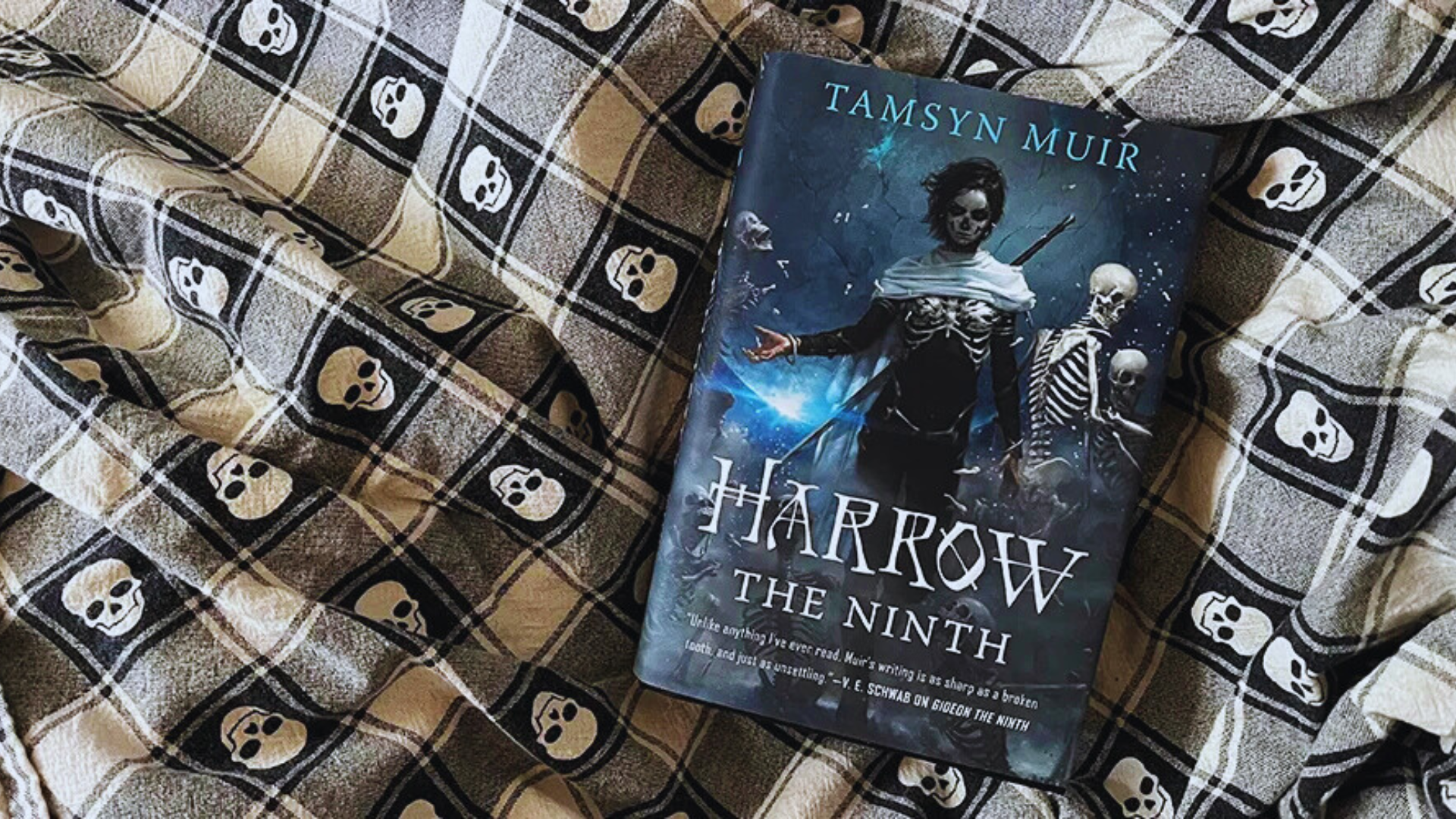
Picking up in the immediate aftermath of Gideon the Ninth, this novel follows Harrowhark Nonagesimus, the Reverend Daughter of the Ninth House and newly made Lyctor, as she attempts to serve the undying Emperor of the Nine Houses.
The problem is that Harrow is falling apart. Her memory has been altered, her mind is fracturing, and she cannot fully access the powers she should have inherited.
The novel is told largely in second person, which is an unusual and disorienting choice that turns out to be central to the story’s architecture. The reader is placed inside Harrow’s perspective in a way that makes her unreliability felt rather than simply noted.
Major Themes in Harrow the Ninth
A searching examination of grief, self-destruction, memory, and the cost of surviving when others did not.
Memory, Grief, and Self-Alteration
The novel’s central preoccupation is what a person does to their own mind when reality becomes unbearable.
Harrow has done something irreversible to her memory in order to keep functioning, and the narrative is structured around the slow revelation of what she removed and why.
Muir frames this not as weakness but as an act of devastating love, and that framing accumulates weight across every chapter.
Power and Its Price
Becoming a Lyctor requires a sacrifice the previous novel established in brutal terms. Harrow the Ninth is largely about the aftermath of that transaction.
What does power mean when acquiring it has hollowed out the person who now holds it? The novel argues the cost reshapes what a character is capable of feeling and wanting entirely.
Identity Under Pressure
Harrow’s sense of self is under sustained assault throughout from the Emperor’s court, from Lyctors who distrust her, and from her own altered memory.
The question of who she is beneath all the armour she has built, religious, intellectual, and emotional, runs through every section.
Loyalty and Sacrifice
The novel returns repeatedly to what people owe each other and what they are willing to destroy to protect someone they love.
This theme carries more complexity here than in the first book because the object of Harrow’s loyalty is absent, present only in the gaps of what she cannot let herself remember.
Character Analysis
Through fractured perspectives, unreliable memory, and a cast of genuinely strange immortals, the novel examines what remains of a person when everything familiar is stripped away.
Harrowhark Nonagesimus
Harrow is not an easy protagonist. She is cold, arrogant, and so thoroughly armoured against vulnerability that watching her crack open is slow, painful work. What makes her compelling is that every layer of her defences is comprehensible. By the final section, her determination to survive and honour what she has lost, without ever admitting she is doing either, is genuinely affecting.
The Emperor Undying
God, in this world, is a middle-aged man who seems perpetually tired and fond of toast. Muir plays this for dark comedy, but the novel takes his moral complexity seriously. His relationship with Harrow carries a guardianship dynamic that is never entirely comfortable.
The Lyctors
The Lyctors surrounding Harrow have been alive for thousands of years, and that longevity has done strange things to them. Augustine and Mercy function as dark mirrors of each other, and their partially revealed history gives the novel its richest background texture.
Augustine’s dry, wounded wit makes him one of the most interesting figures in the series.
Writing Style and Narrative Voice
Built on a second-person narration that should not work and absolutely does, the novel is formally ambitious in ways that serve the story rather than simply displaying craft for its own sake.
Muir’s Structural Risk
Narrating the primary timeline in second person is a significant gamble that pays off. It creates a persistent strangeness mirroring Harrow’s fractured relationship with her own experience, keeping the reader slightly off-balance in ways that are purposeful rather than careless.
Tone and Register
Muir moves between high tragedy and absurdist comedy without apology. Footnotes interrupt critical moments. Ancient immortals argue about domestic arrangements. These tonal shifts sharpen rather than deflect the grief underneath.
Critical Reception
Harrow the Ninth was published in August 2020 and landed to strong critical praise, with reviewers highlighting Muir’s ambition and her dramatic shift in narrative voice.
The Chicago Review of Books praised it as a gleeful, genre-bending romp that slides effortlessly between modes of horror while remaining funny without dropping its core seriousness. It went on to become a finalist for the 2021 Hugo Award for Best Novel.
Reader response was more divided. Where Gideon the Ninth had won fans with its propulsive voice and clear momentum, Harrow’s unreliable second-person narrator and fragmented structure proved polarising. Locus described it as a fascinating hot mess, arguing that its stylistic choices muddied the waters rather than deepened them.
Many readers, however, felt the demanding first half was entirely worth it for the payoff, praising Muir’s willingness to take bold, unconventional risks with her storytelling.
Notable Reviews and Ratings
Goodreads: 4.3 out of 5 stars based on over 150,000 ratings
Amazon: 4.5 out of 5 stars across thousands of reviews
Awards: Hugo Award nominee for Best Novel, 2021; Nebula Award nominee for Best Novel, 2021; Locus Award winner for Best Fantasy Novel, 2021
My Personal Reading Experience
Harrow the Ninth was not the book I expected, and I mean that entirely as a compliment. The second-person narration, the dense cast of Lyctors, and the deliberately withholding timeline made the opening fifty pages genuinely difficult, and I considered setting it aside more than once. I am glad I did not.
Around the midpoint the structure begins to reward the patience it demanded, and the final hundred pages moved me in ways I had not anticipated.
What stayed with me most was Muir’s portrait of grief as an act of self-destruction masquerading as self-preservation, handled without cheap resolution and all the more devastating for it.
About the Author Tamsyn Muir
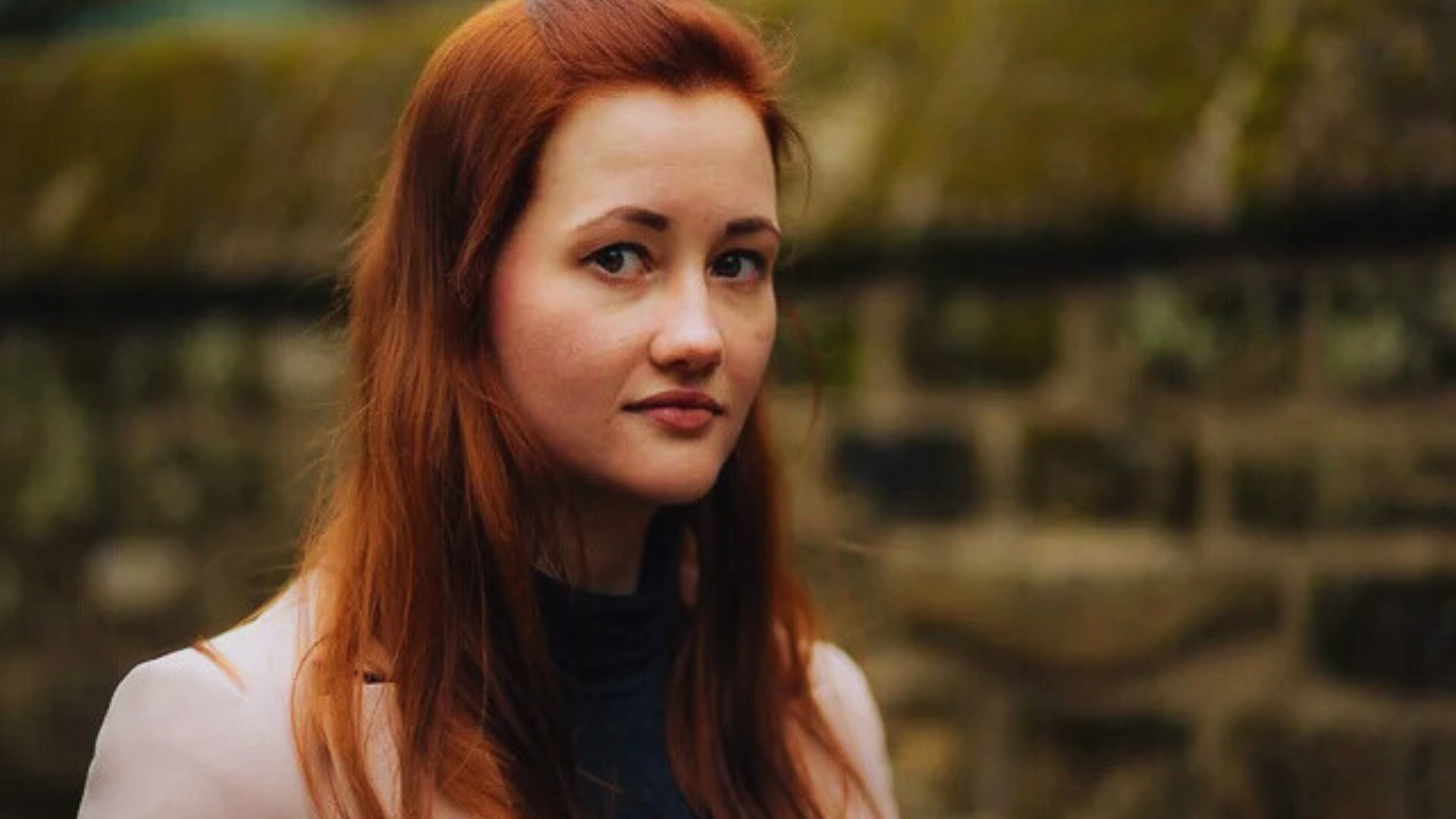
Tamsyn Muir is a New Zealand author born in New South Wales, Australia, who grew up in Howick, Auckland. She holds a degree in Education and graduated from the Clarion Writers’ Workshop in 2010, working as an English and ESL teacher before pursuing writing full-time. Her short fiction has been nominated for the Nebula Award, the Shirley Jackson Award, the World Fantasy Award, and the Eugie Foster Memorial Award.
Muir published Gideon the Ninth in 2019 to widespread acclaim, winning the Locus Award and the Crawford Award. The Locked Tomb series has since grown to four books, with Harrow the Ninth following in 2020, Nona the Ninth in 2022, and Alecto the Ninth in 2024. She currently lives and works in Oxford, United Kingdom, where she continues to write across fantasy, science fiction, and horror.
Conclusion
I hope this Harrow the Ninth book review gave you what you needed. This is a novel that asks a great deal of its readers and offers something proportionate in return.
It is formally demanding, emotionally serious, and written with a voice that has no clear precedent in contemporary fantasy. It stayed with me well beyond the reading itself, which is the clearest measure I know of how much a book has genuinely done its work.
If you are looking for something that takes both imagination and the heart seriously, this one is absolutely worth your time.
Frequently Asked Questions
Is Harrow the Ninth a standalone novel?
No. It is the second book in the Locked Tomb series and requires reading Gideon the Ninth first. Beginning here without that context will make the experience significantly harder than it needs to be.
How long does it take to read Harrow the Ninth?
The novel is approximately 500 pages. Most readers complete it across six to ten hours, often across several sittings, as the density of the narrative rewards slower reading.
What age is appropriate for Harrow the Ninth?
The novel suits readers aged 16 and up. It contains violence, dark themes surrounding death and grief, and some mature content handled with seriousness throughout.
Did Harrow the Ninth win any literary awards?
Yes. It won the Locus Award for Best Fantasy Novel in 2021 and was nominated for both the Hugo and Nebula Awards in the same year.
Is there a television or film adaptation of the Locked Tomb series?
As of early 2026, a television adaptation has been in development, though no release has been confirmed. The series has attracted significant interest given the size and passion of its readership.