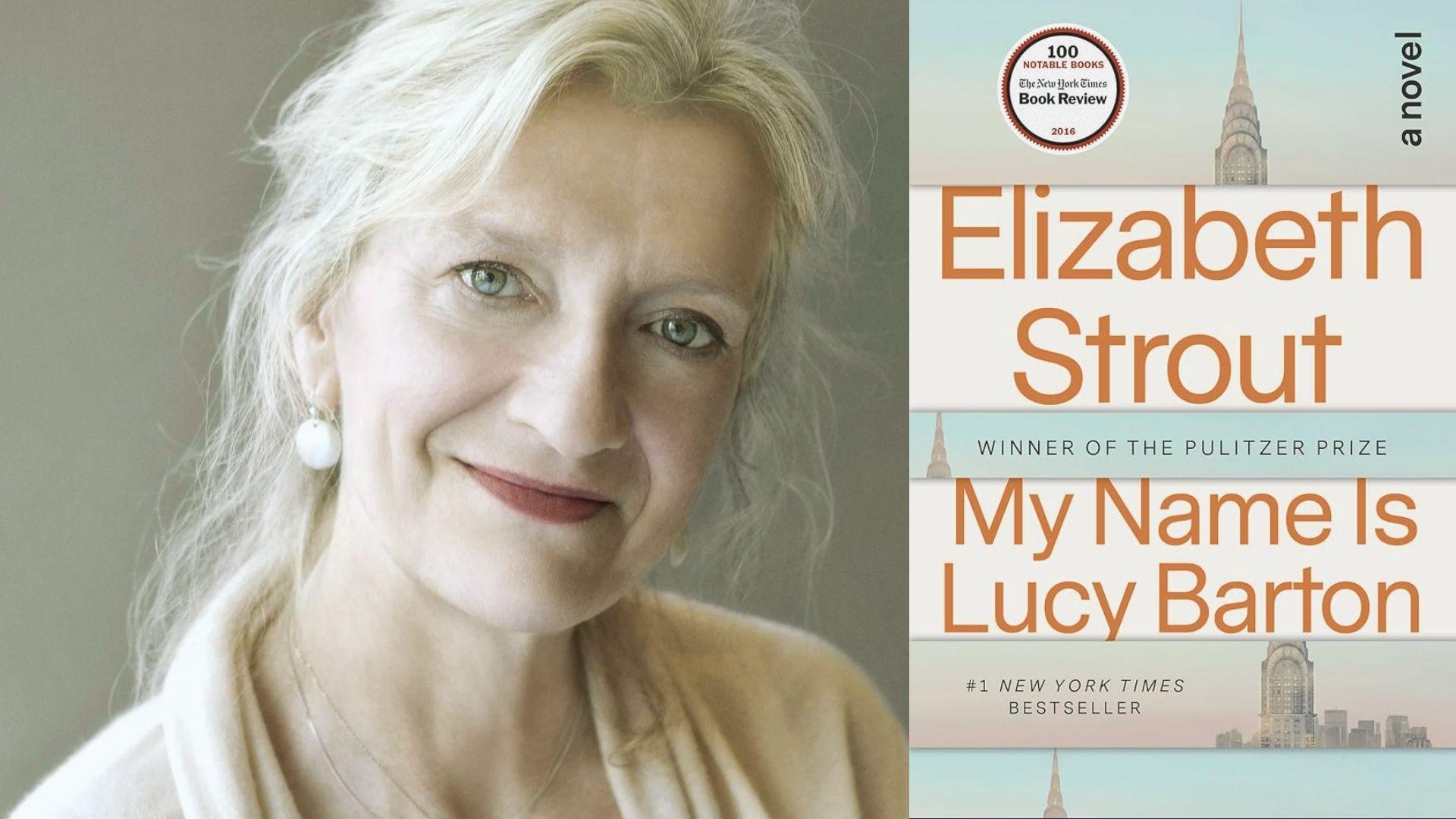


I picked this up after burning through O’Farrell’s Hamnet, and I wasn’t ready for how differently this one would hit me.
Some books don’t start with a bang, they start with a whisper that slowly turns into dread. The Marriage Portrait is one of those rare historical novels that left me unsettled in the best way.
It’s Renaissance Italy, but it reads like a psychological thriller. Maggie O’Farrell follows Lucrezia de’ Medici, a teenage duchess married into luxury, silence, and suspicion.
In this summary I’ll walk you through the plot, key themes, and major characters so you can see why readers are obsessed with this dark story and why the ending feels impossible to forget.
No fluff, just the facts you’re looking for. Let’s get into it.
Quick Book Overview
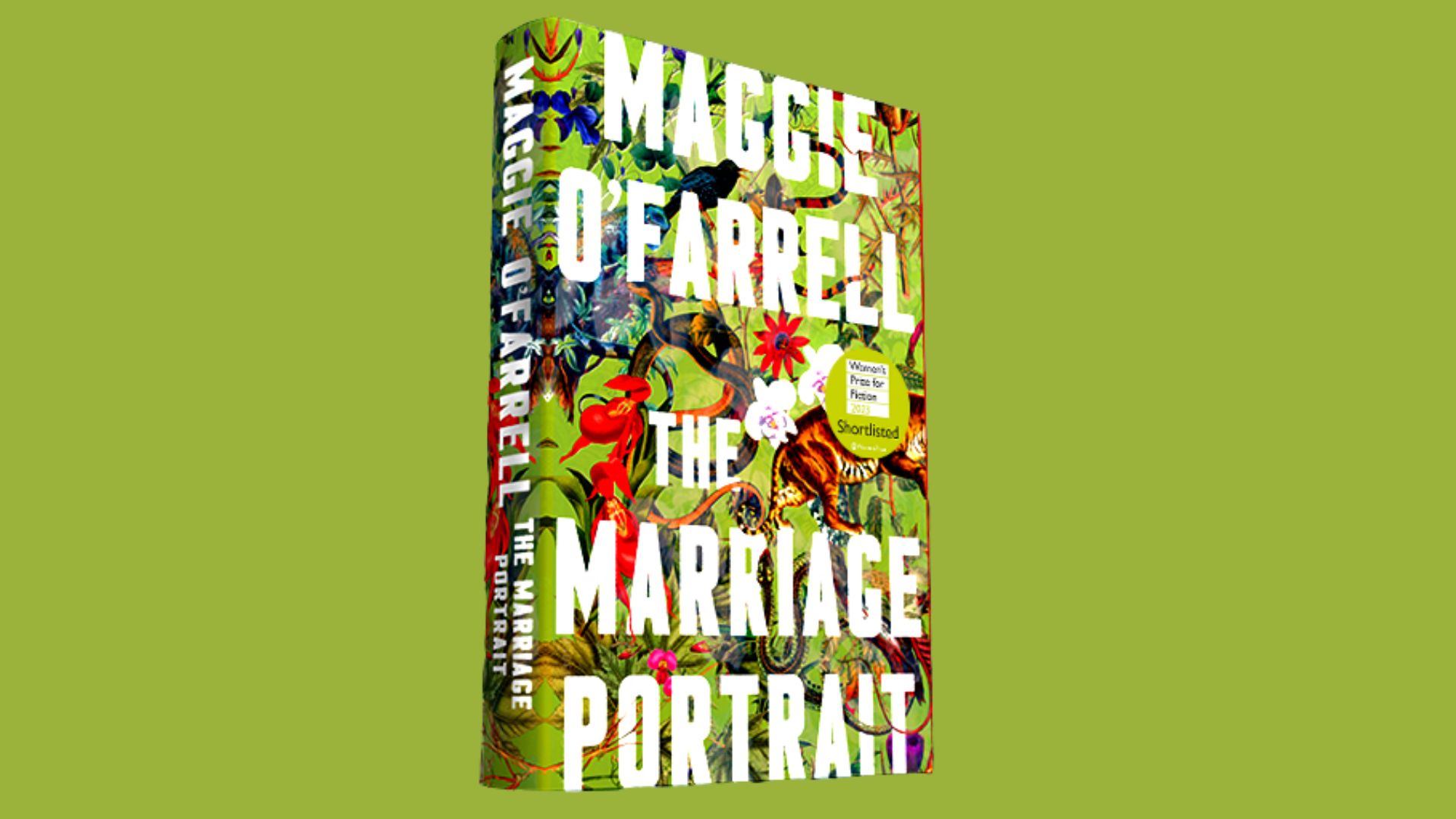
The Marriage Portrait came out in 2022. It’s based on the real Lucrezia de’ Medici, who married Alfonso II d’Este, Duke of Ferrara, in 1560s Italy.
The book tells two timelines. One shows her childhood. The other reveals her final days as she realizes her husband may want her dead.
It’s historical fiction mixed with psychological suspense. The story focuses on survival, power, and what women endured in Renaissance Italy.
The Marriage Portrait Summary (Spoilers Included)
Lucrezia is 15 when she marries Alfonso. She was supposed to marry his older brother, but he died. Alfonso needs an heir.
When Lucrezia doesn’t get pregnant, he grows cold. He takes her to a remote villa. She realizes he plans to kill her.
The book alternates between her past and this dangerous present.
She escapes into the woods. The ending stays ambiguous but suggests she survives by outsmarting him.
Major Themes in The Marriage Portrait
Five key themes reveal the dark reality of Renaissance marriage and power.
1. Marriage as a Political Weapon
Lucrezia’s marriage isn’t about love. It’s a business deal between powerful families. The Medicis need political alliances. The d’Estes need money and status.
Lucrezia becomes a pawn traded for power. Her feelings don’t matter. Her body exists only to produce heirs.
The book shows how Renaissance marriages imprisoned women in gilded cages.
2. Female Silence and Survival
Women survive by staying quiet. Lucrezia learns to hide her thoughts and fears. Speaking up means danger. She watches other women at court do the same.
They smile when angry. They agree when they want to scream. Silence becomes armor.
O’Farrell shows how patriarchy forces women to disappear themselves just to stay alive.
3. Fear and Psychological Control
Alfonso doesn’t need violence to control Lucrezia. He uses fear instead. His unpredictable moods keep her anxious.
She never knows what will anger him. This constant worry exhausts her.
The book captures how abusers use psychological games. Fear becomes a prison without walls. Every glance, every word from Alfonso carries hidden threats that terrorize her.
4. Identity and Freedom
Lucrezia loses herself in marriage. She was wild and creative as a child. She painted, ran around, spoke her mind. Marriage erases all that.
She becomes “the duchess” instead of Lucrezia. The book asks hard questions about identity.
Can women keep themselves in systems designed to destroy them? Her art becomes the only place she feels real.
5. Art as Escape
Painting gives Lucrezia freedom. When she holds a brush, she controls something. Her childhood art teacher saw her talent. In marriage, art becomes survival.
She loses herself in colors and shapes.
The marriage portrait itself becomes central to the plot. Through art, she finds a language Alfonso can’t silence or control completely.
Main Characters & Psychological Depth
O’Farrell creates complex characters that feel real, flawed, and fully human.
1. Lucrezia de’ Medicis
Lucrezia starts as a spirited girl who doesn’t fit court life. She’s observant, artistic, and emotionally intense. Marriage forces her to become calculating.
She learns to read danger in Alfonso’s silences. By the end, she’s desperate but smart. She uses her wits to survive. O’Farrell makes her feel real, not like a helpless victim or perfect heroine.
2. Alfonso II d’Este
Alfonso is cold, controlling, and obsessed with duty. He sees Lucrezia as a tool, not a person. His unpredictability makes him terrifying. Sometimes he seems almost kind.
Then he turns cruel. The book never fully explains him. Is he evil or just a product of his time? O’Farrell leaves this ambiguous, which makes him more disturbing.
3. Lucrezia’s Family (The Medicis)
Her family loves her but still trades her for power. Her father makes the marriage deal. Her mother tries to prepare her. Her siblings give brief comfort.
But they can’t save her. The book shows how even loving families participate in systems that harm women. They’re trapped too, in different ways.
4. The Court of Ferrara
The court feels suffocating and dangerous. Servants whisper. Ladies-in-waiting judge. Everyone watches everyone. Alfonso’s sisters resent Lucrezia. His mother died young, possibly murdered. The palace holds dark secrets.
O’Farrell makes the setting almost another character. The court’s oppressive atmosphere mirrors Lucrezia’s psychological state perfectly.
Writing Style & Narrative Technique
O’Farrell writes in close third person, deep inside Lucrezia’s head. Her prose is lyrical but accessible.
Sentences flow like poetry without feeling pretentious.
The dual timeline creates suspense. You know danger is coming. The book jumps between past and present. This structure builds tension slowly.
O’Farrell focuses on psychological detail over action. Every sensory detail matters. Colors, textures, sounds all reveal emotion.
Why Readers Love It
This book delivers rich themes and emotional power through literary writing. But the slow pacing and quiet ending won’t work for everyone.
Strengths
O’Farrell brings Renaissance Italy to life without info-dumping. Lucrezia feels real and complex. The psychological tension grips you.
Her prose is gorgeous. The feminist themes land without lecturing. The ending is subtle but powerful.
Criticism & Limitations
The middle section drags. If you need constant action, you’ll get bored. Some plot threads end quietly.
The ending satisfies emotionally but lacks dramatic punch.Some readers call it anticlimactic. Character development outside Lucrezia feels thin.
Goodreads & Amazon Ratings
The Marriage Portrait has earned strong reader ratings across platforms.
Goodreads Rating: 4.2 out of 5 Readers praise the atmospheric writing, feminist themes, and Lucrezia’s character. Some feel the pacing is too slow.
Amazon Reviews: 4.4 out of 5 on Amazon Reviews highlight the emotional depth and historical detail. Many call it haunting and unforgettable. Some want more action.
Overall, readers love the literary quality and psychological depth. Fans of slow-burn historical fiction rate it highest.
My Personal Opinion After Reading This Book
I loved the suspense mixed with history. Lucrezia’s voice pulled me in immediately.
Yes, it’s slow. But I stayed tense the whole time. It’s not a typical royal romance. No grand love story rescues her. She has to save herself. That makes it powerful.
Who Should Read This Book:
- Readers who loved Hamnet
- Fans of feminist historical fiction
- People who enjoy royal politics and psychological tension
- Readers who like slow-burn suspense stories
- Anyone interested in Renaissance Italy
- Fans of literary fiction with historical settings
About The Author

Maggie O’Farrell is a British bestselling author known for emotional historical storytelling.
She’s won multiple awards, including the Women’s Prize for Fiction for Hamnet in 2020. Born in Northern Ireland, she now lives in Edinburgh.
O’Farrell specializes in giving voice to forgotten women from history. Her writing blends psychology, history, and lyrical detail.
She researches deeply but never lets facts overwhelm the story.
Other notable works include I Am, I Am, I Am (a memoir), This Must Be the Place, and The Hand That First Held Mine. She’s published nine novels total.
Critics praise her ability to make historical figures feel contemporary and alive.
Her prose style is literary but accessible. She focuses on women’s inner lives and the constraints society places on them.
Conclusion
The Marriage Portrait isn’t an easy read, but it’s unforgettable. I found myself thinking about Lucrezia for weeks after finishing.
If you want fast-paced action, this may not be for you. But if you love slow-burning psychological tension, feminist themes, and rich Renaissance detail, you’ll likely be hooked.
Maggie O’Farrell gives a powerful voice to a woman whose history is almost erased, and that alone makes it worth reading.
Have you read it? Drop your thoughts in the comments, and focus on my other feminist historical fiction reviews too.
Frequently Asked Questions
Is The Marriage Portrait based on a true story?
Yes. It’s based on Lucrezia de’ Medici, who died mysteriously at 16 in 1558.
Does The Marriage Portrait have a happy ending?
It’s ambiguous. Lucrezia escapes and the book suggests she survives.
Is this book similar to Hamnet?
Yes. Both are O’Farrell’s historical fiction with slow, lyrical prose about real women.
How historically accurate is The Marriage Portrait?
The setting and facts are accurate. O’Farrell invented dialogue and inner thoughts.
Is The Marriage Portrait hard to read?
No, but it’s slow-paced and atmosphere-focused.